
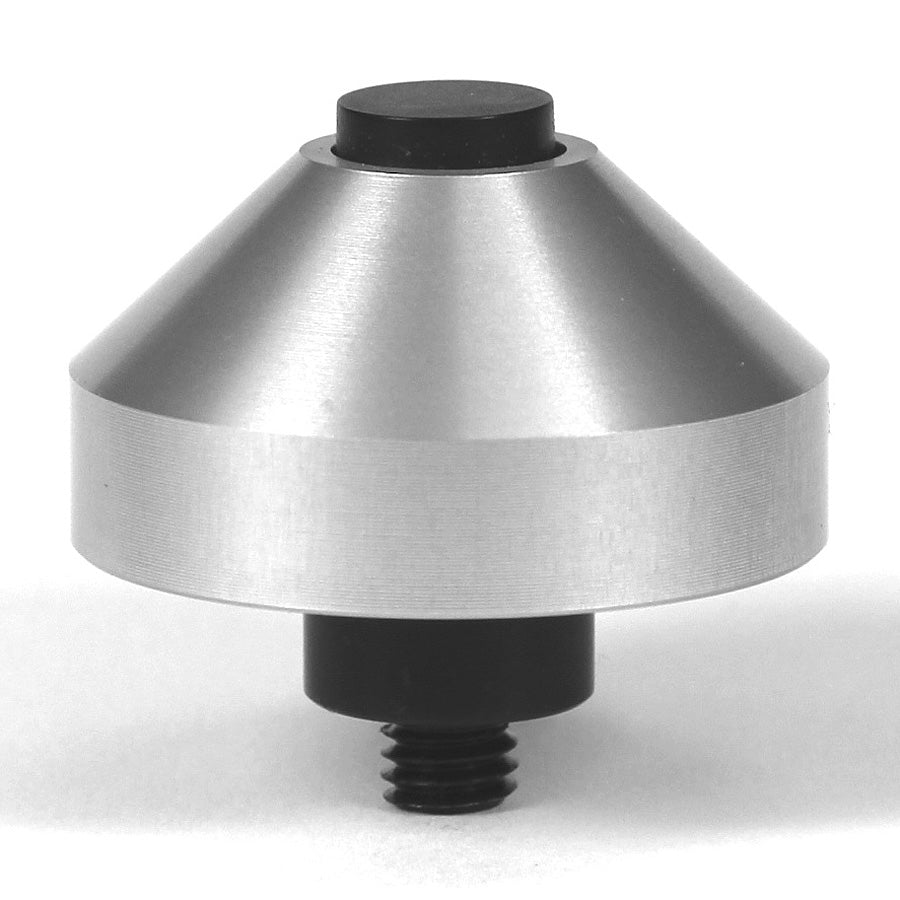

- Description
- Specifications
Product Overview
The PSI is Losmandy's redesigned illuminator for their polar scope. It lights the alignment reticle of the PS polar finder at five brightness levels, in both constant and flashing modes. A microprocessor activates the red LED in the selected mode and then switches it off automatically after ten minutes. It runs on a CR2032 battery.
Who It's For
Two reasons to buy one on its own: replacing an illuminator that has failed or been lost, and upgrading an older unit to the redesigned one. The five brightness levels are the practical gain — too much light on a reticle washes out Polaris, and a fixed-brightness LED often gives you exactly the wrong amount.
Key Features & Design
- Five brightness intensities, in both constant and flashing modes.
- Microprocessor controlled — it selects the mode and then turns the LED off automatically after ten minutes.
- Red LED, to preserve dark adaptation.
- CR2032 battery.
- Completely redesigned from the earlier illuminator.
Recommended Uses
Replacing a failed or lost polar scope illuminator. Upgrading an older illuminator to the five-level version. Keeping a spare for a mount in regular field use, since a CR2032 and a small LED unit are the sort of thing that goes missing in the dark.
Compatibility and Accessory Notes
- Polar scope: it illuminates the reticle of the Losmandy PS polar scope, which is itself supplied with an illuminator — so this is the separate replacement or upgrade.
- Battery: CR2032, widely available.
- Instructions: Losmandy's polar finder instructions (PDF) cover using the finder it lights.
- Electronic alternative: an iPolar needs no reticle illumination at all, since alignment happens on screen.
Good to Know Before You Order
- The PS polar scope already includes an illuminator. Buy this one separately only as a replacement, a spare, or an upgrade from an older unit.
- The ten-minute automatic shut-off is deliberate. It saves the battery if the unit is left switched on in a case, and it means the light will go out during a long alignment — switching it back on is a button press.
- Losmandy publishes no weight or dimensions for this part.
- Specifications are Losmandy's published figures.
Frequently Asked Questions
Is it difficult to set up?
No. It threads into the hole on the side of the polar axis finder, and the button cycles through the brightness levels and modes.
Which polar scope does it fit?
The Losmandy PS polar scope.
What battery does it take?
A CR2032.
Why does it turn itself off?
The microprocessor shuts the LED off after ten minutes, which protects the battery. Press again to bring it back.
Do I need this if I am buying the PS polar scope?
No — an illuminator comes with it. This is the standalone part.
Bottom Line
In short: Losmandy's redesigned polar scope illuminator — red LED, five brightness levels in constant or flashing mode, automatic ten-minute shut-off, CR2032 battery.
| Model | Losmandy PSI polar scope illuminator |
|---|---|
| Function | Illuminates the alignment reticle of the Losmandy PS polar scope |
| LED | Red |
| Brightness levels | Five |
| Modes | Constant and flashing |
| Automatic shut-off | Microprocessor turns the LED off after ten minutes |
| Battery | CR2032 |
| Weight and dimensions | Not published by Losmandy |
| Source | Losmandy PSI product data |
You may also like
Recently viewed
Recent Blog Posts
View all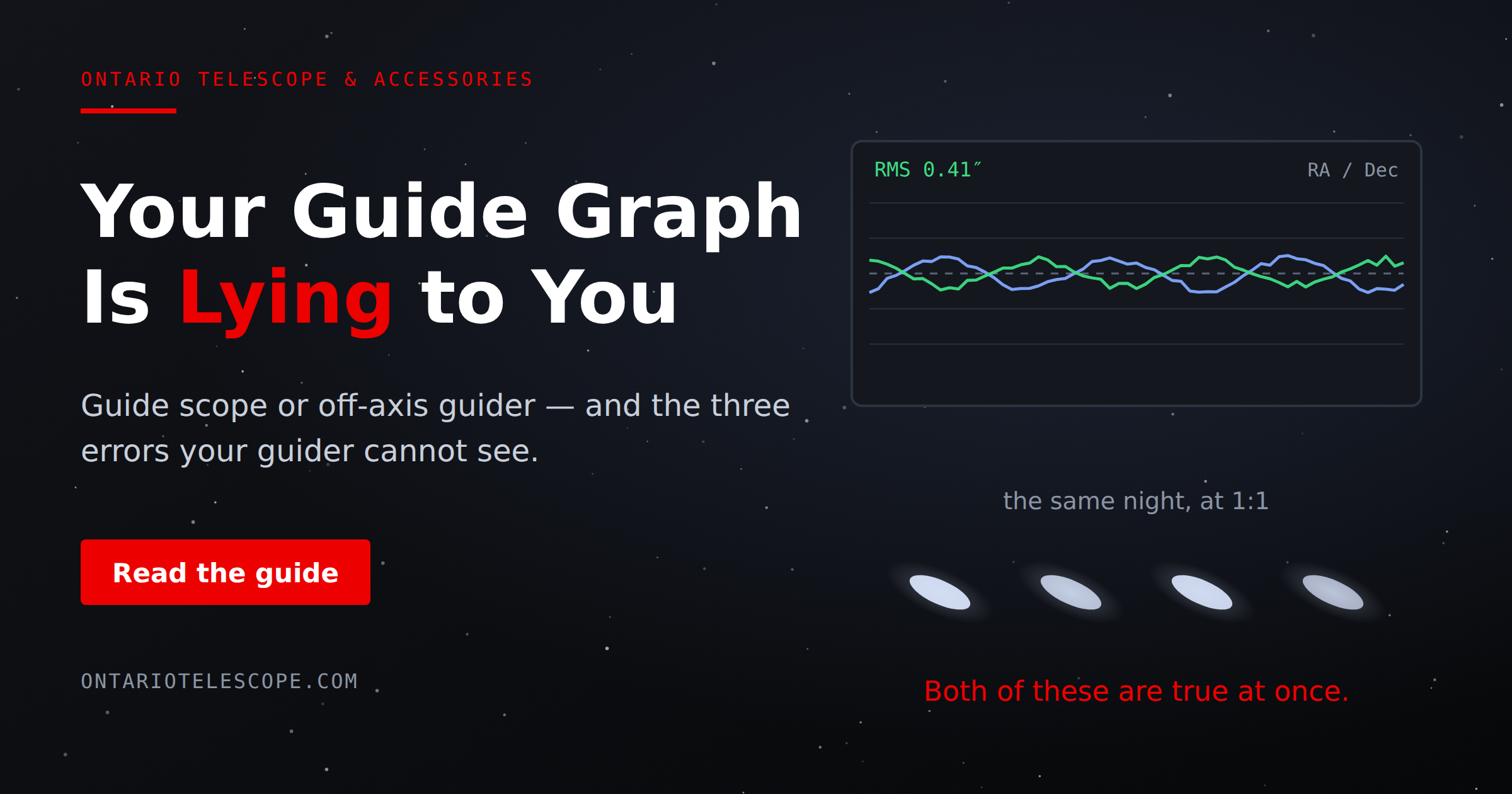
Your Guide Graph Is Lying to You
Read More
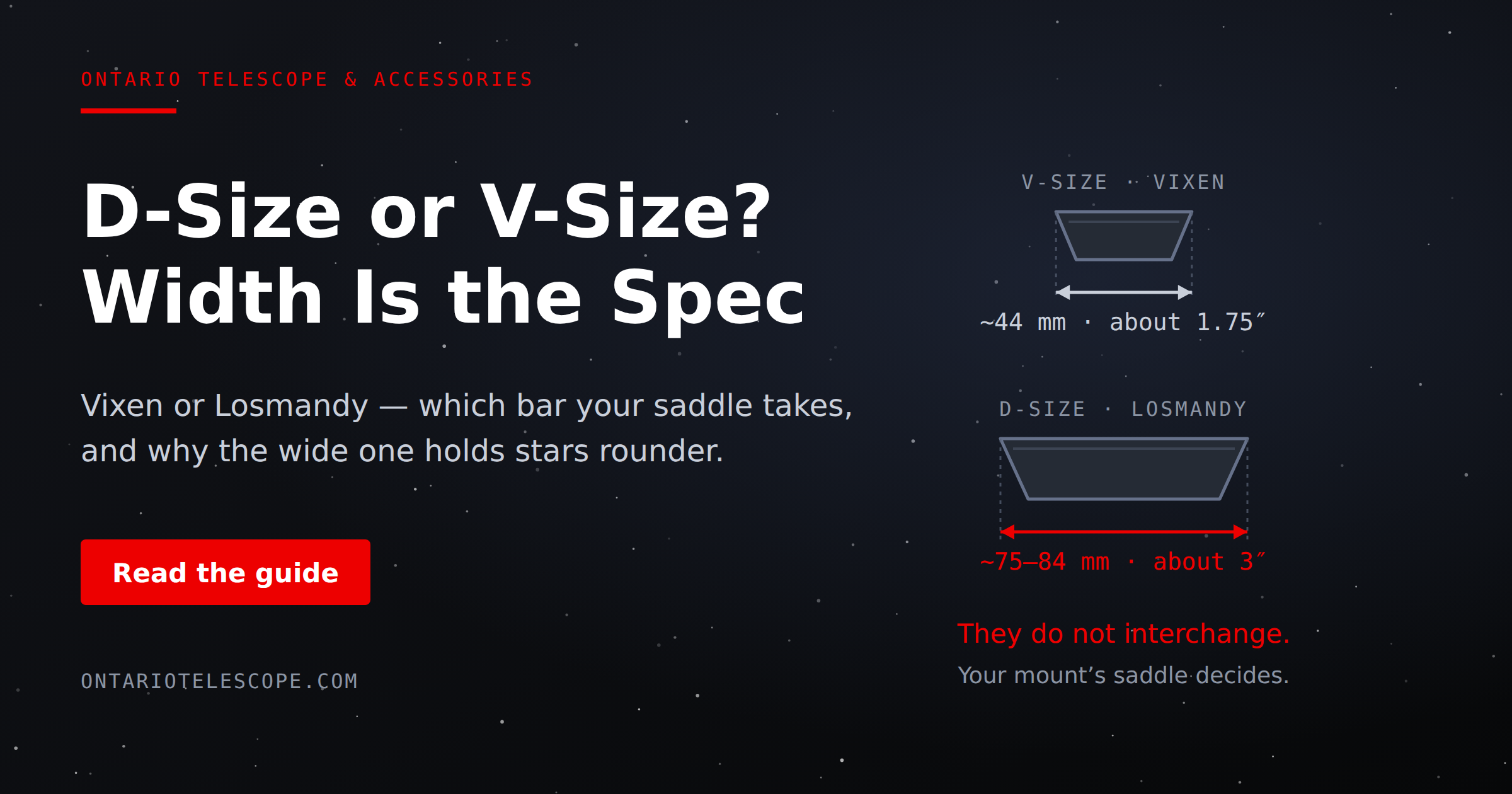
D-Size vs V-Size: A Complete Guide to Telescope Dovetail Systems
Read More
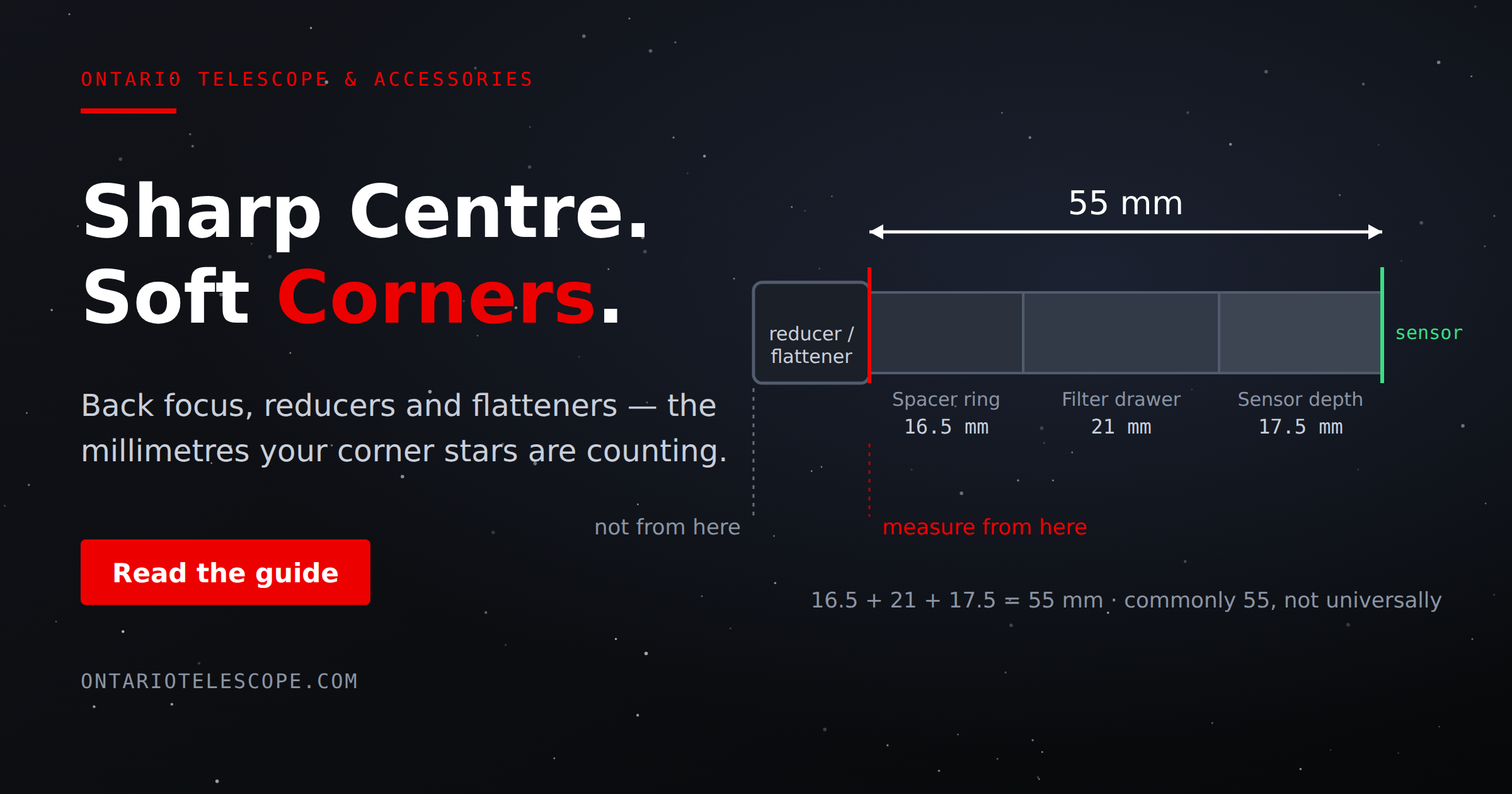
What Is Back Focus in Astrophotography? Telescope Reducers, Flatteners, and Spacing Explained
Read More