


- Description
- Specifications
Product Overview
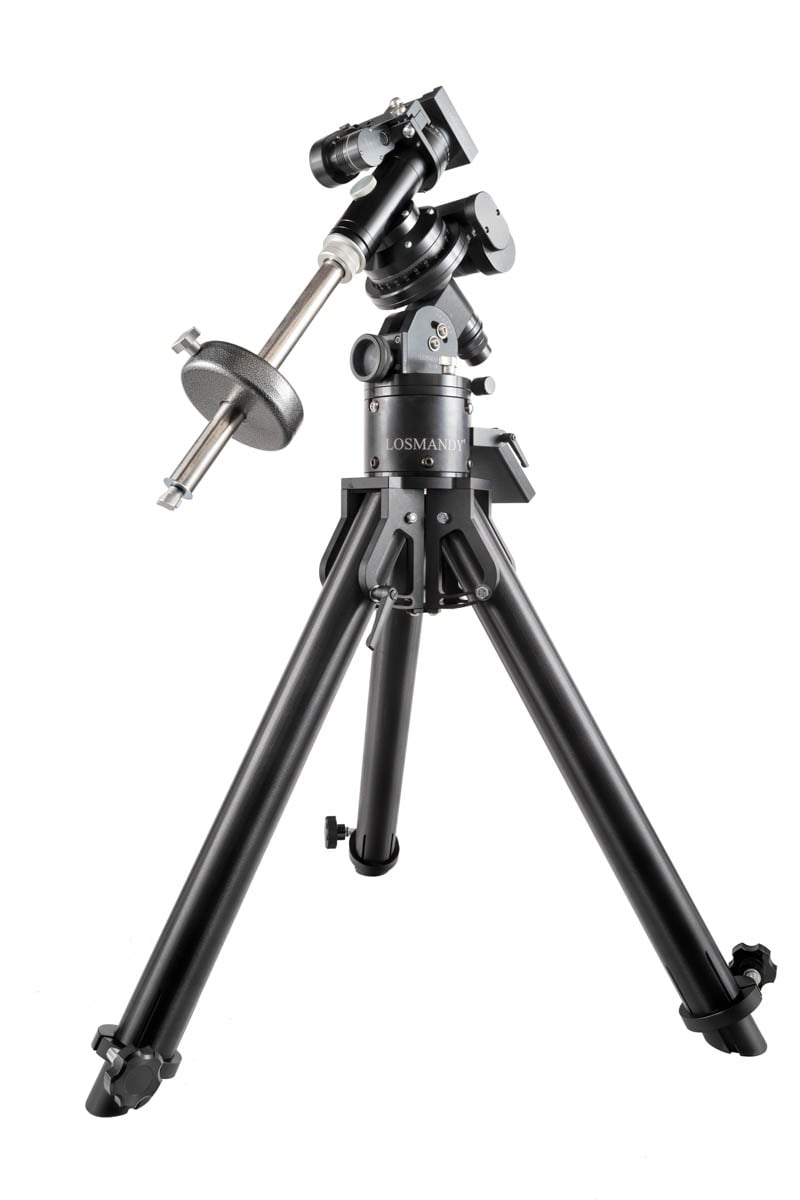
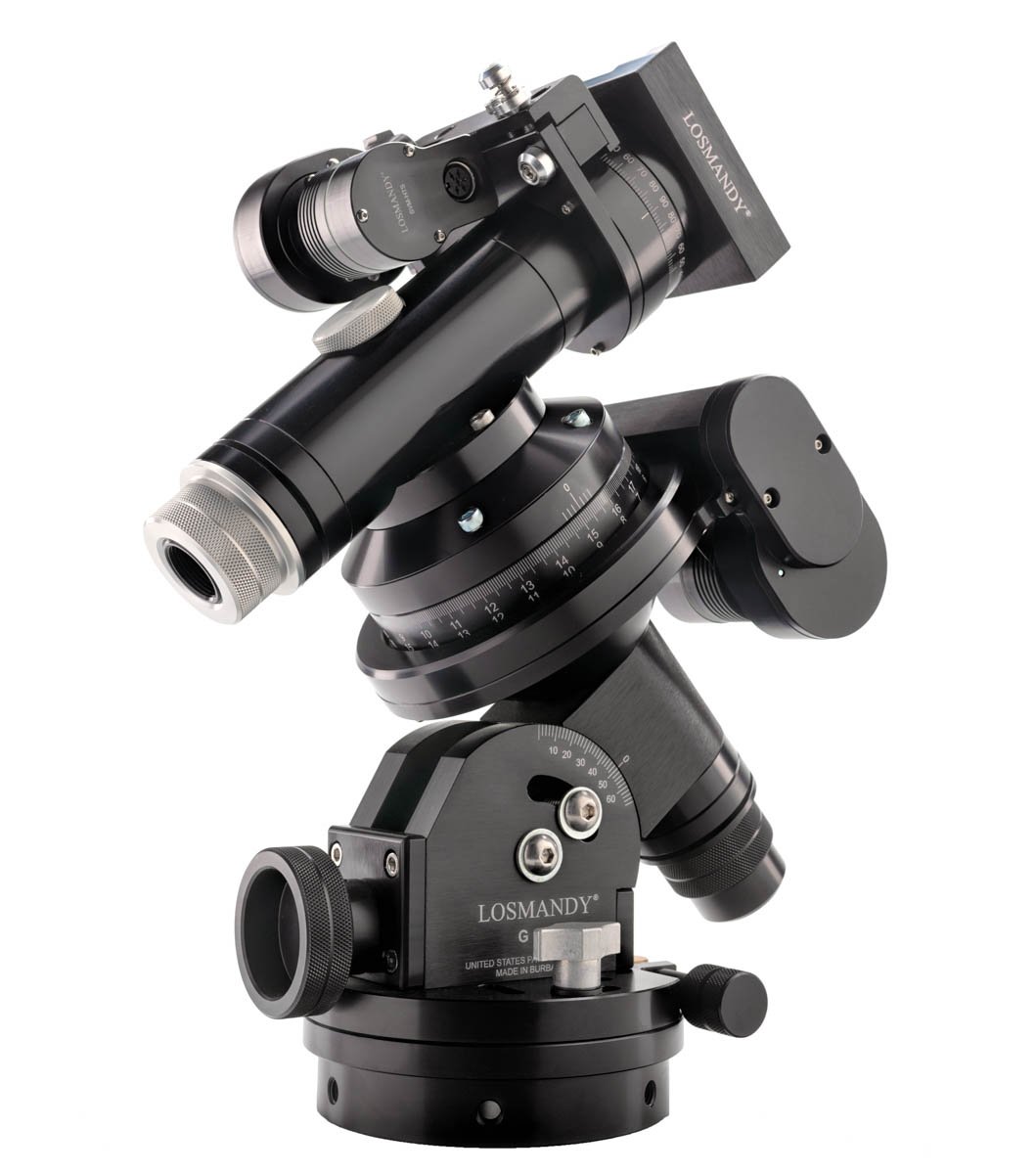
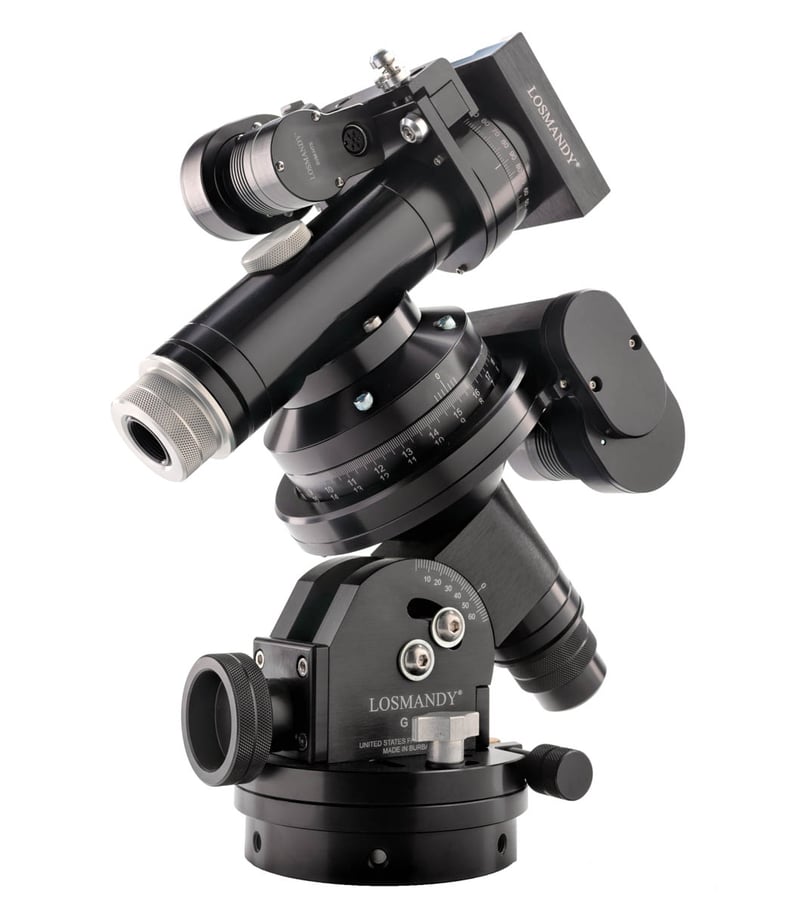
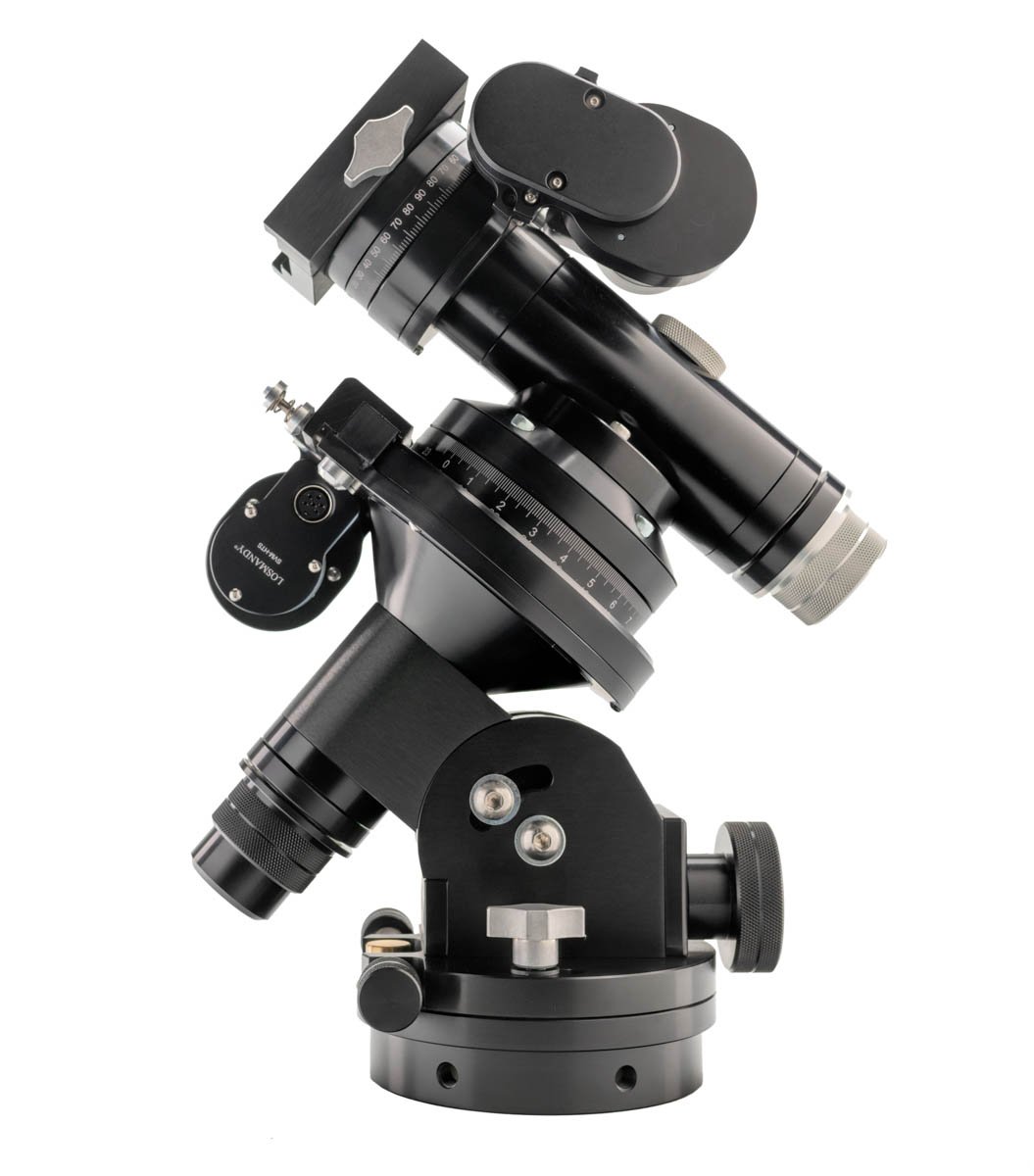
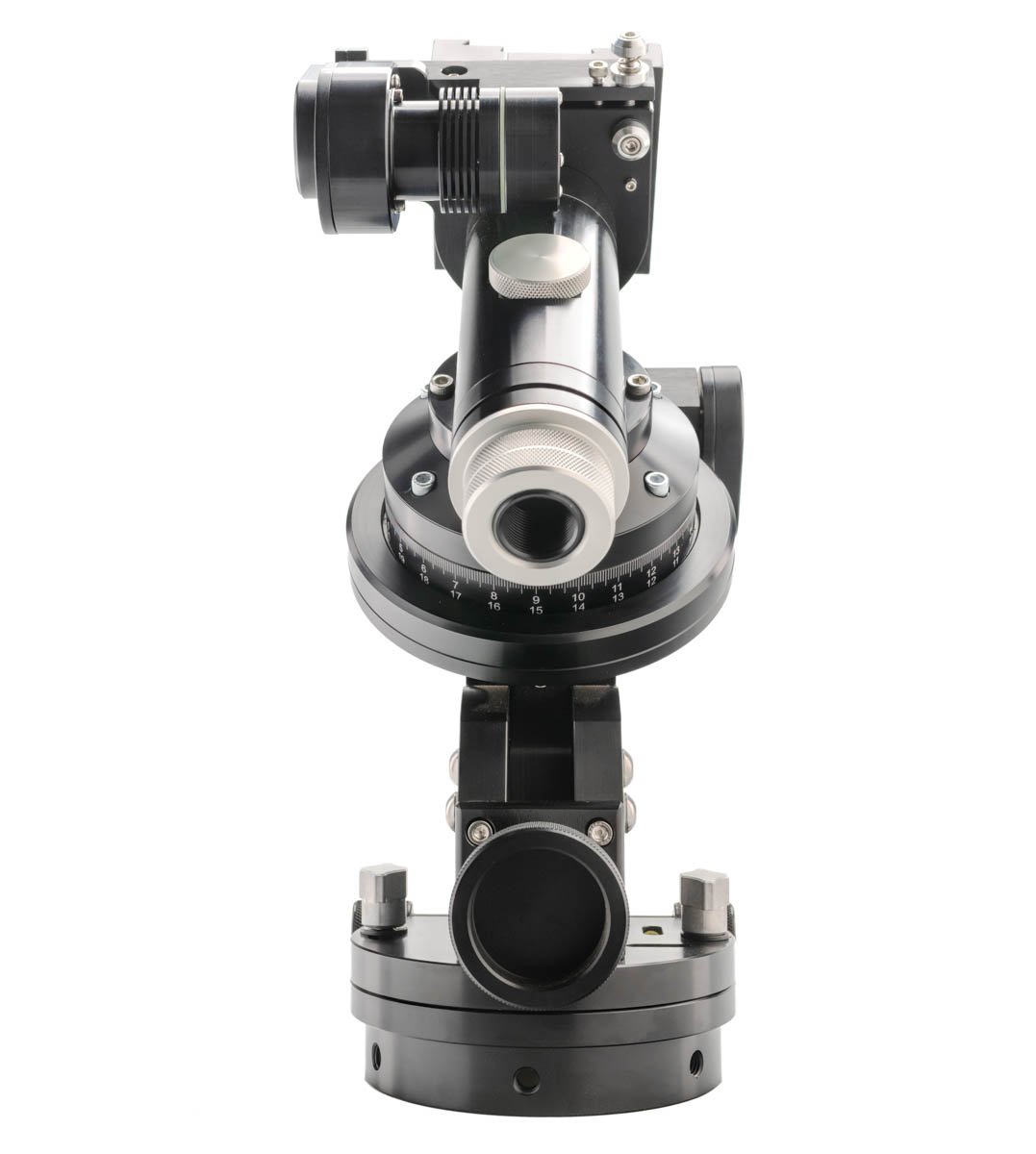
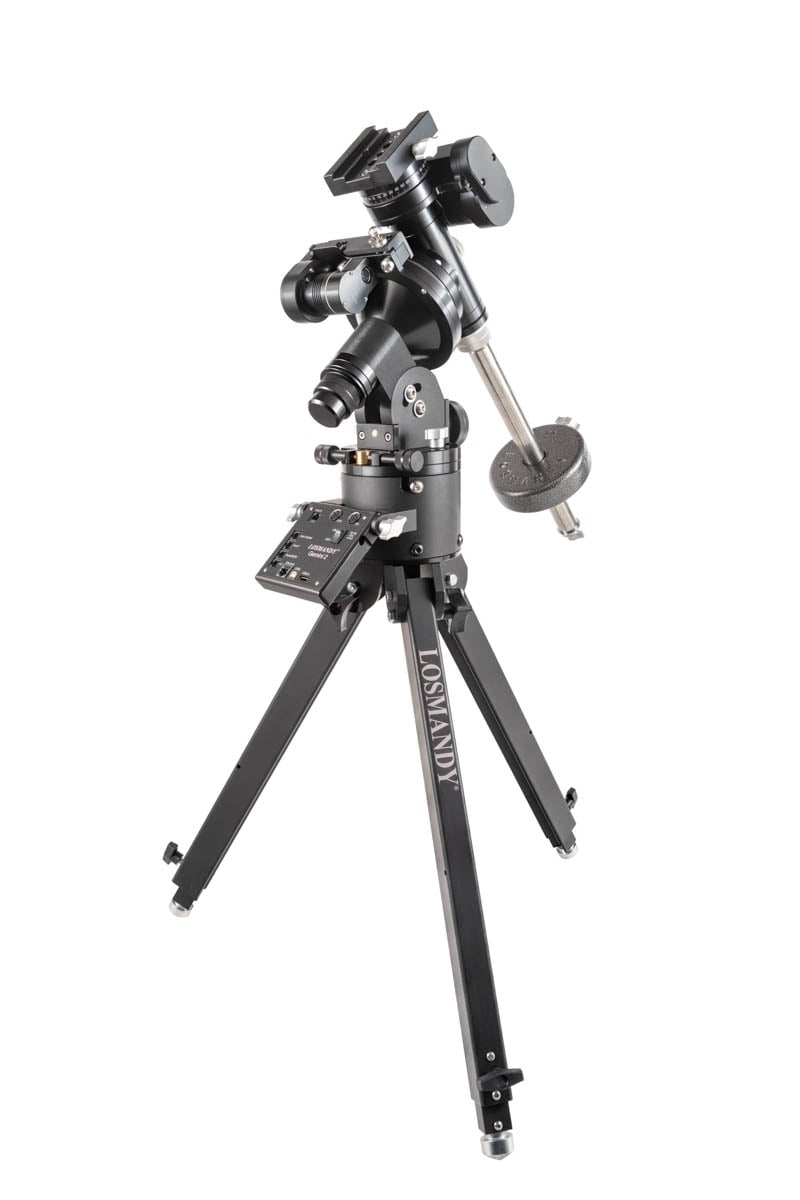
The Losmandy GM811G pairs a G11-size RA axis with a GM8-size DEC axis, supplied with the Gemini 2 GOTO servo system, a counterweight shaft, one 11 lb counterweight and the folding lightweight tripod. Losmandy publishes an instrument capacity of 50 lb for imaging and 65 lb for visual use, on a 26 lb equatorial head. The RA axis carries a 5.625-inch, 360-tooth 7075 aluminium worm gear and the DEC axis a 2.812-inch, 180-tooth gear, both running a spring-loaded worm for adjustment-free tracking.
Who It's For
This is a good match if you want G11-class RA tracking without G11 weight or cost. Putting the large gear on RA — the axis that carries the tracking during an exposure — and the smaller gear on DEC is the whole idea of the GM811G, and it lands between the GM8G at 40 lb imaging capacity and the G11G at 60 lb. At 26 lb for the head it remains a mount one person can set up and take down, which suits an observer who travels to darker skies rather than imaging from a fixed pier.
Key Features & Design
- 50 lb imaging / 65 lb visual instrument capacity on a 26 lb equatorial head.
- G11-size RA gear: 5.625 inches in diameter, 360 teeth, 7075 aluminium — the same RA gear the G11G uses.
- GM8-size DEC gear: 2.812 inches, 180 teeth, 7075 aluminium.
- Spring-loaded worm for adjustment-free tracking — no worm mesh adjustment in normal use.
- Dual-supported, ball-bearing-housed ground high-precision brass worm.
- ±5 arcsecond or better uncorrected tracking, with corrected periodic error often at ±2.5 arcseconds or better.
- Built-in permanent periodic error correction.
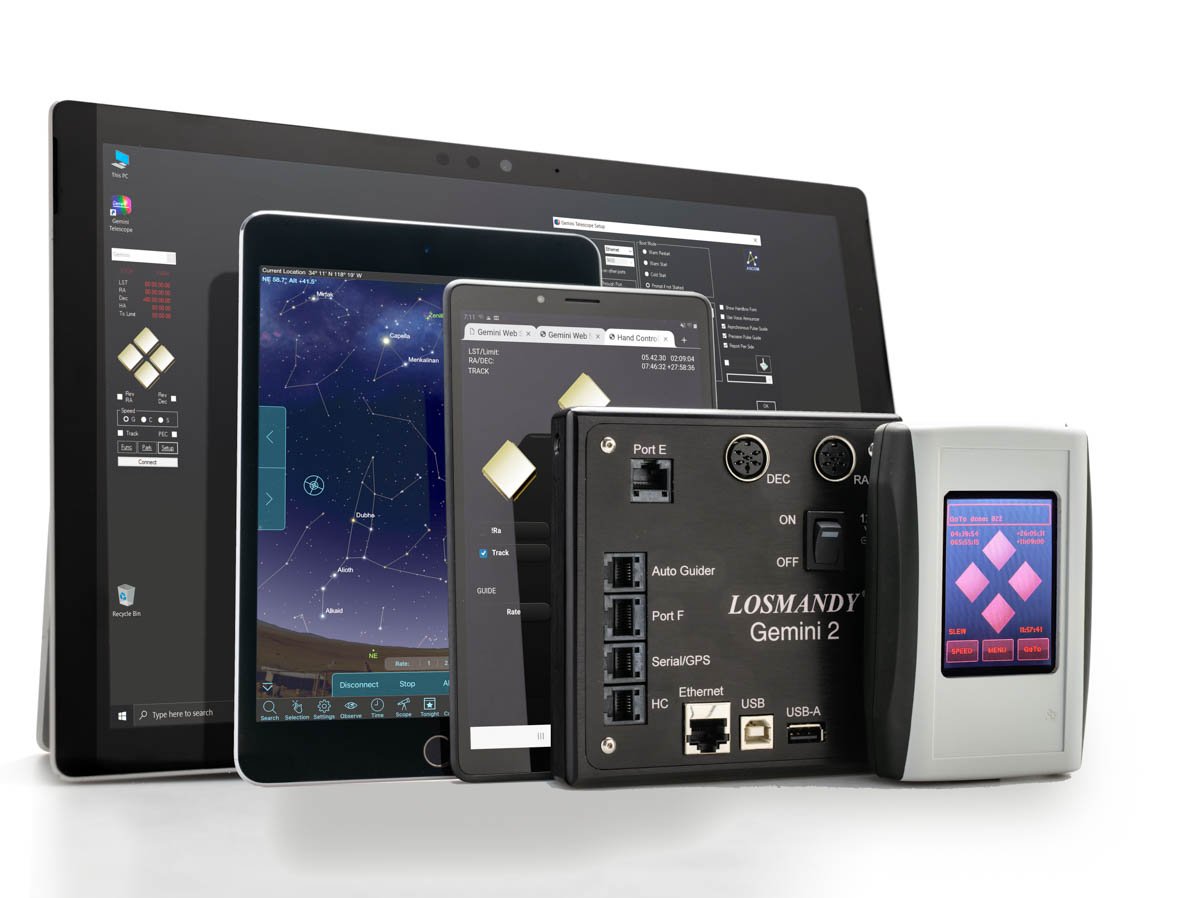
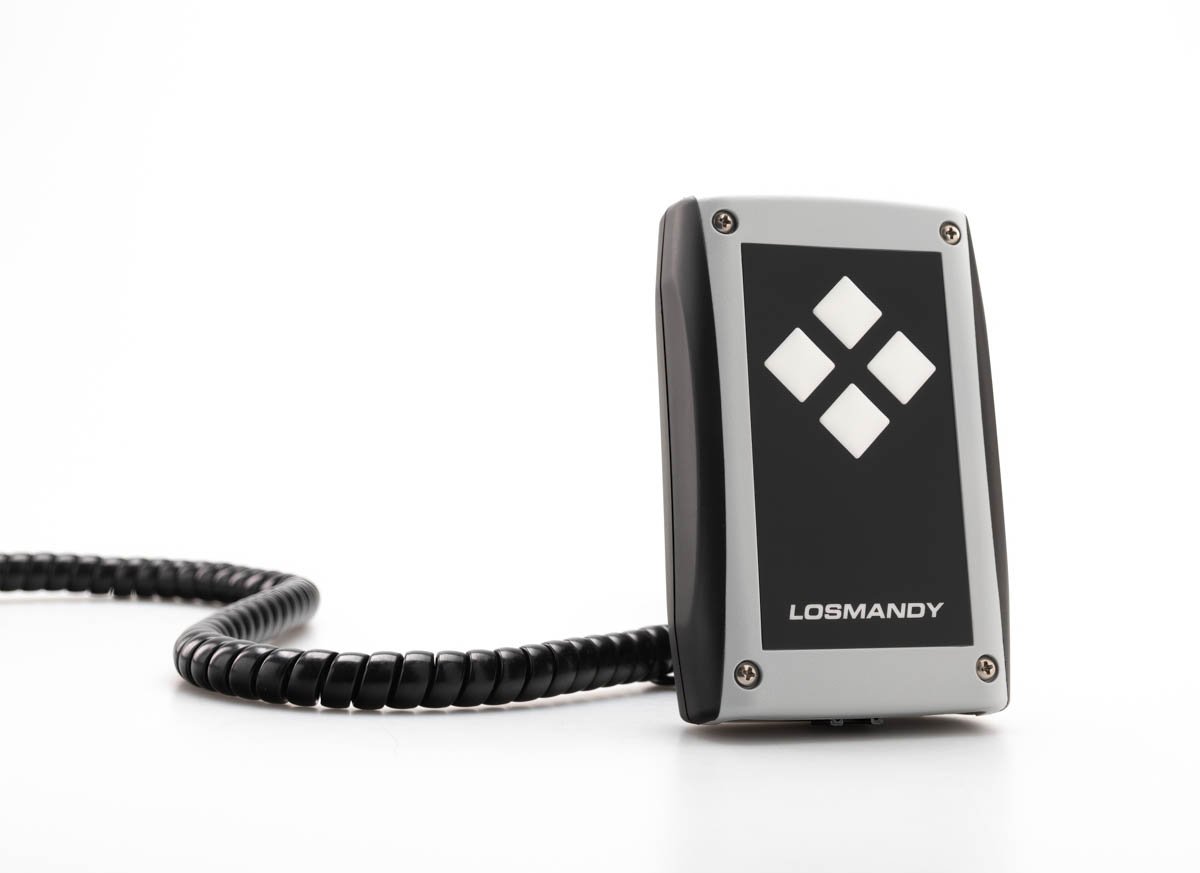
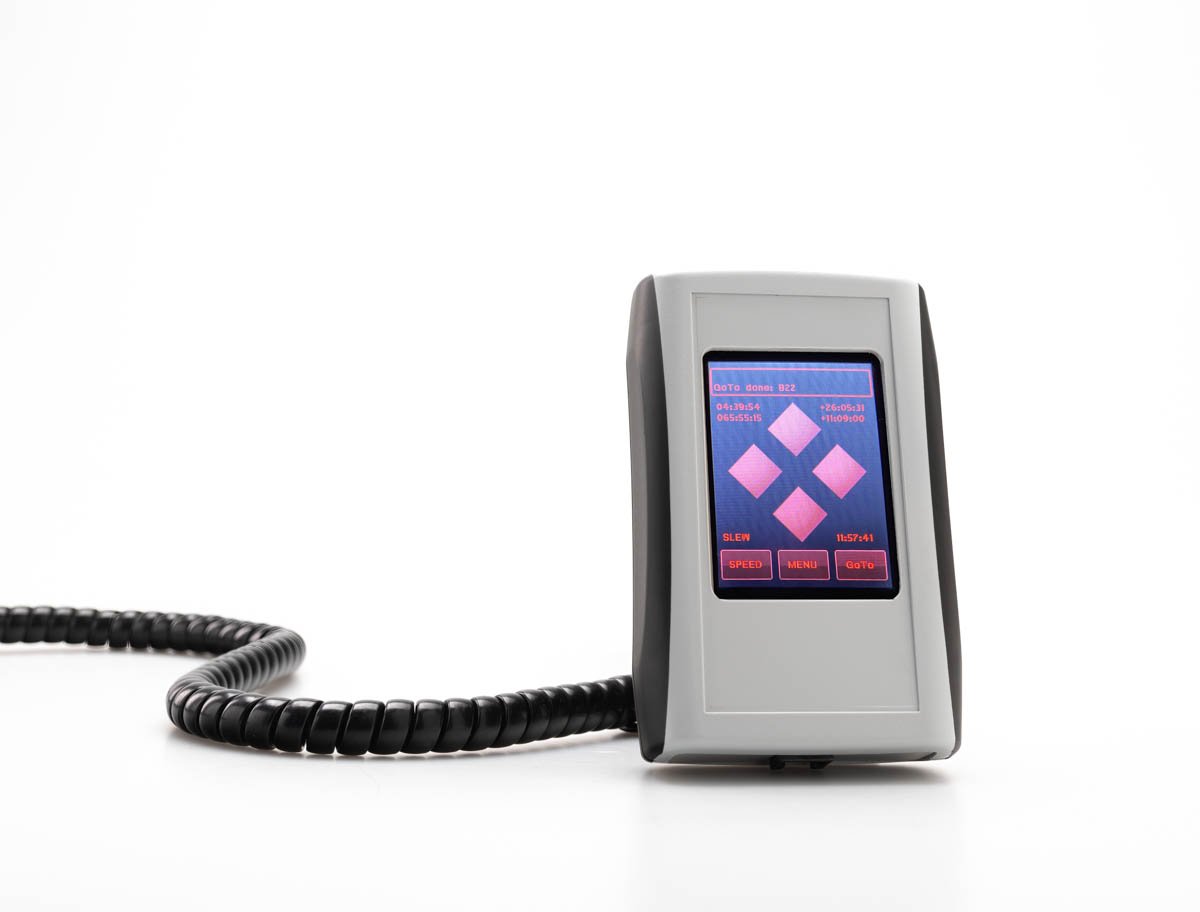
- Gemini 2 GOTO: DC servo motor based computerised positioning, GOTO accuracy published at up to half an arcminute.
- Supports altitudes from 0° to 68°, and runs on 12–18 V DC.
Mechanical Design
The GM811G exists because the two axes of an equatorial mount do different amounts of work. RA turns continuously through an exposure, so periodic error in the RA gear shows up directly in the stars; DEC barely moves once the target is acquired. Losmandy's answer is to fit the 5.625-inch, 360-tooth G11 gear to RA and the 2.812-inch, 180-tooth GM8 gear to DEC, which keeps the tracking-critical axis at G11 standard while holding the head to 26 lb.
Both axes use a spring-loaded worm, which Losmandy describes as giving adjustment-free tracking — the spring maintains mesh rather than the owner setting it. The worm itself is a ground high-precision brass component, dual supported and housed in ball bearings. Periodic error correction is built in permanently rather than re-trained each session.
Recommended Uses
Deep-sky imaging with a mid-size refractor or astrograph and a full imaging train, inside the 50 lb imaging rating. Travel to dark-sky sites, where a 26 lb head matters. Visual observing up to the 65 lb visual rating. Remote or automated sessions through Gemini 2. Use as a step up from a GM8G where the imaging payload has grown.
Compatibility and Accessory Notes
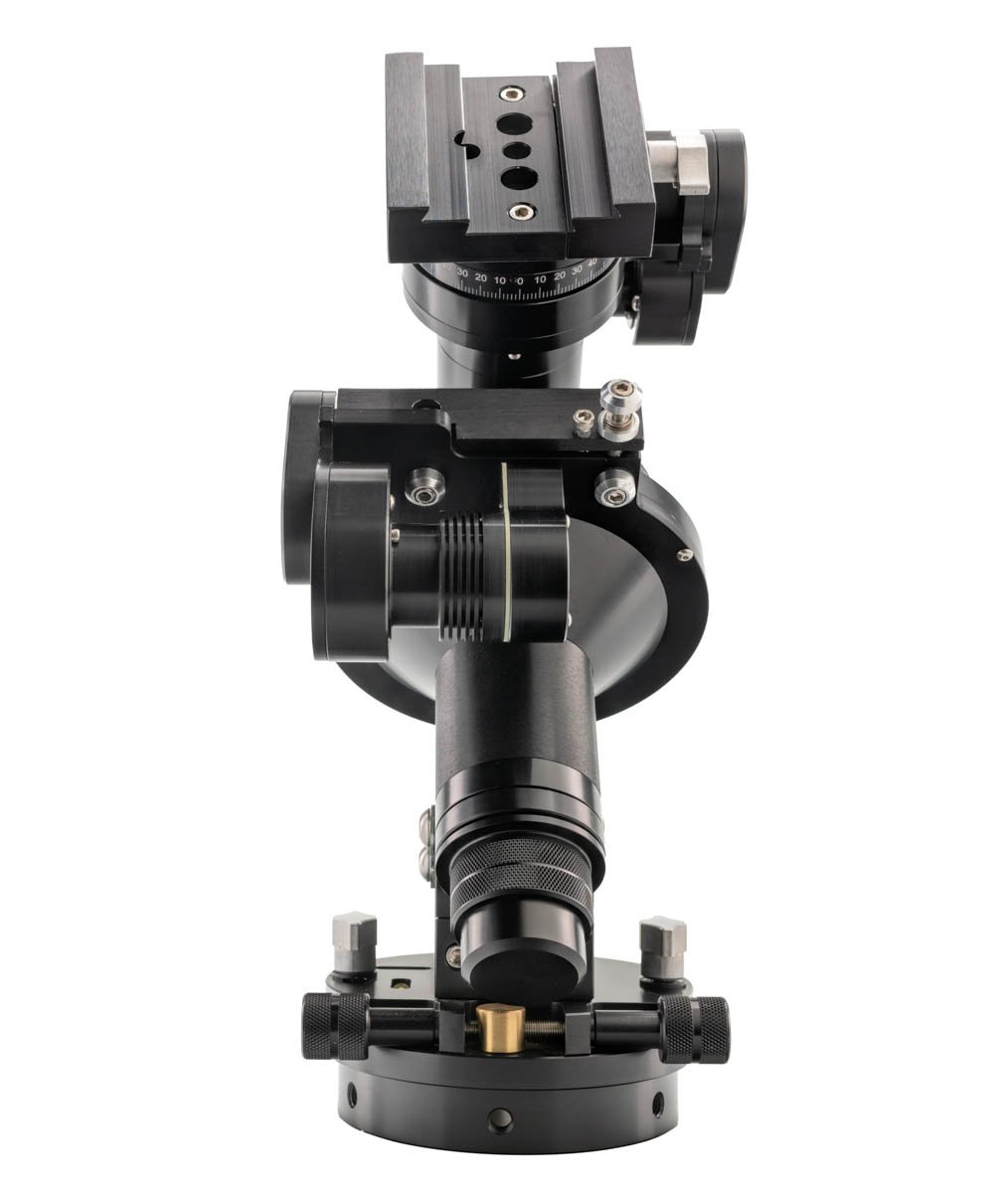
Saddle: accepts both Losmandy D-series and Vixen-style V-series dovetail plates. We stock the D-series universal plates and the V-series plates.
Counterweights: one 11 lb weight is included, with 7, 11 and 21 lb sizes available separately.
Tripod and pier: supplied on the folding lightweight tripod. The same mount is available on the heavy-duty folding tripod as the GM811GHD. The MA tripod/pier adapter fits this mount and permanent piers.
Axis upgrades: Losmandy sells the axes separately — the G11 DEC axis replaces the GM811's DEC axis if you later want G11 gearing on both, and the GM811 clutch pad set carries one GM8-size and one G11-size pad to match the mixed axes.
Polar alignment: the iPolar electronic polar scope fits the polar scope port; the optical polar scope with illuminator is the alternative.
Good to Know Before You Order
The two axes are different sizes. That is the design, not a compromise to work around, but it does mean consumables come in mixed sets — the GM811 clutch pad set includes one pad of each size.
This configuration ships on the lightweight tripod. If you want the heavy-duty folding tripod instead, the GM811GHD is the same mount on that support.
Tracking figures are Losmandy's published specifications. Balance, polar alignment and seeing all bear on what you actually get.
Published altitude range is 0° to 68°.
Frequently Asked Questions
Is it difficult to set up?
No more than any German equatorial, and the 26 lb head is within one-person territory. Tripod down, head on, shaft and counterweight, balance, polar align. The spring-loaded worm means there is no mesh adjustment to learn, and Gemini 2 handles pointing from its hand controller.
Why are the RA and DEC axes different sizes?
RA does the tracking during an exposure and DEC does not, so Losmandy puts the large G11 gear where it affects image quality and the smaller GM8 gear where it does not. It holds the head to 26 lb while keeping RA at G11 standard.
How does it compare with the GM8G and G11G?
Published imaging capacity runs 40 lb for the GM8G, 50 lb for the GM811G and 60 lb for the G11G, with head weights of 21, 26 and 33 lb. The GM811G is the one that gives you the G11 RA gear without the full G11 head.
Can I upgrade it later?
Yes — the G11 DEC axis is sold separately and replaces the GM811 DEC axis, using your existing motor if you prefer.
Does it need a computer?
No. Gemini 2 runs from its hand controller as a self-contained GOTO system.
Bottom Line
A G11 RA gear on a GM8 DEC: 50 lb imaging capacity, spring-loaded worms, permanent periodic error correction and Gemini 2 GOTO on the folding lightweight tripod, in a 26 lb head one person can still carry.
| Model | GM811G (lightweight tripod configuration) |
|---|---|
| Mount type | German equatorial, Gemini 2 GOTO servo |
| Instrument capacity | 50 lb imaging · 65 lb visual |
| Equatorial head weight | 26 lb |
| RA worm gear | 5.625" diameter, 360 tooth, 7075 aluminium (G11 size) |
| DEC worm gear | 2.812" diameter, 180 tooth, 7075 aluminium (GM8 size) |
| Worm | Spring-loaded for adjustment-free tracking; dual supported, ball-bearing housed, ground high-precision brass |
| Uncorrected tracking | ±5 arcseconds or better |
| Corrected periodic error | Often ±2.5 arcseconds or better |
| Periodic error correction | Built-in, permanent |
| GOTO accuracy | Up to 1/2 arcminute |
| Altitude range | 0° to 68° |
| Power | 12–18 V DC |
| Supplied tripod | Folding lightweight tripod, 15 lb, 25" between leg centres retracted and spread |
| Included | Equatorial head, Gemini 2 GOTO, counterweight shaft, one 11 lb counterweight, folding LW tripod |
| Counterweight options | 7, 11 and 21 lb available separately |
| Source | Losmandy GM811G datasheet and Losmandy product data |
You may also like
Recently viewed
Recent Blog Posts
View all
Your Guide Graph Is Lying to You
Read More

D-Size vs V-Size: A Complete Guide to Telescope Dovetail Systems
Read More

What Is Back Focus in Astrophotography? Telescope Reducers, Flatteners, and Spacing Explained
Read More