


- Description
- Specifications
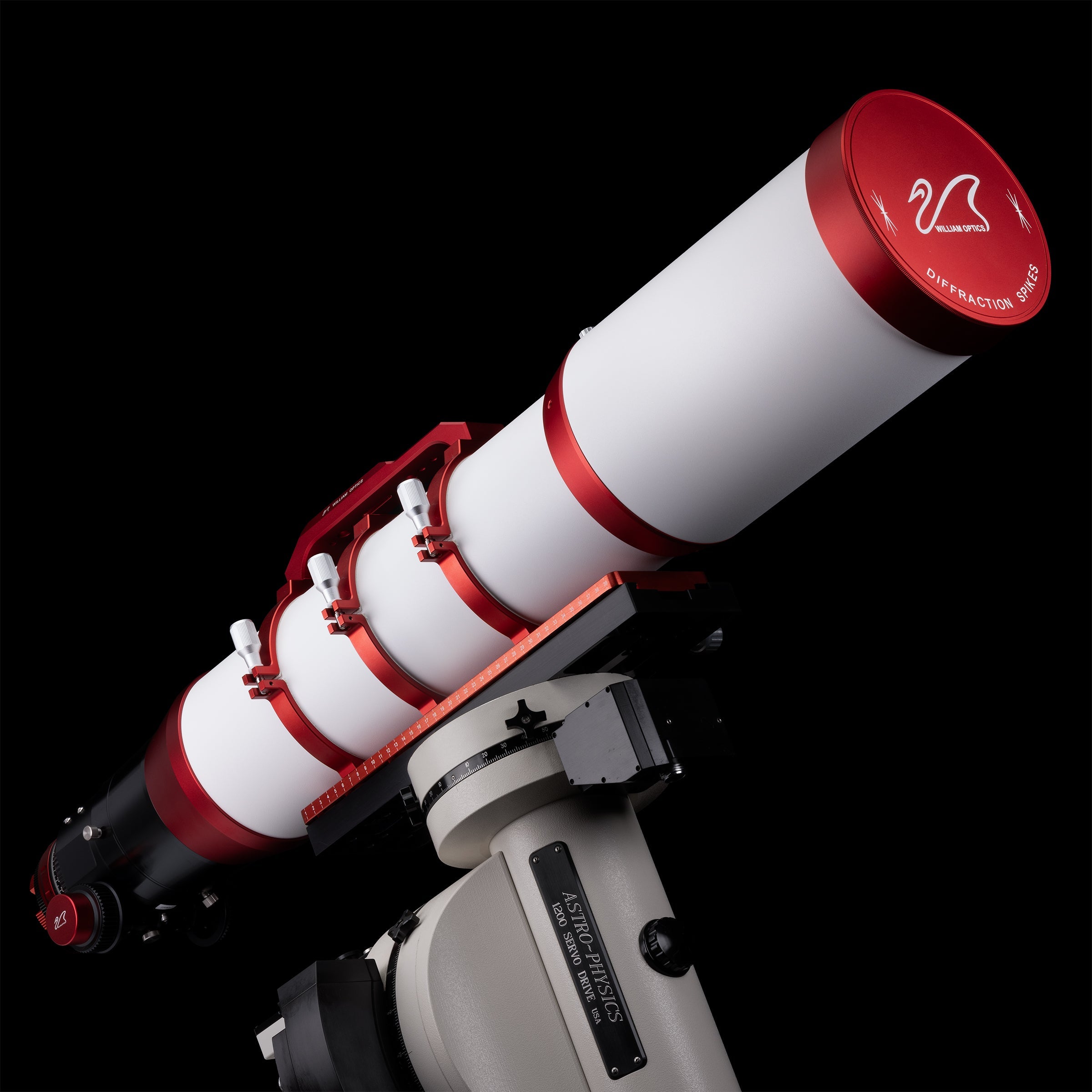
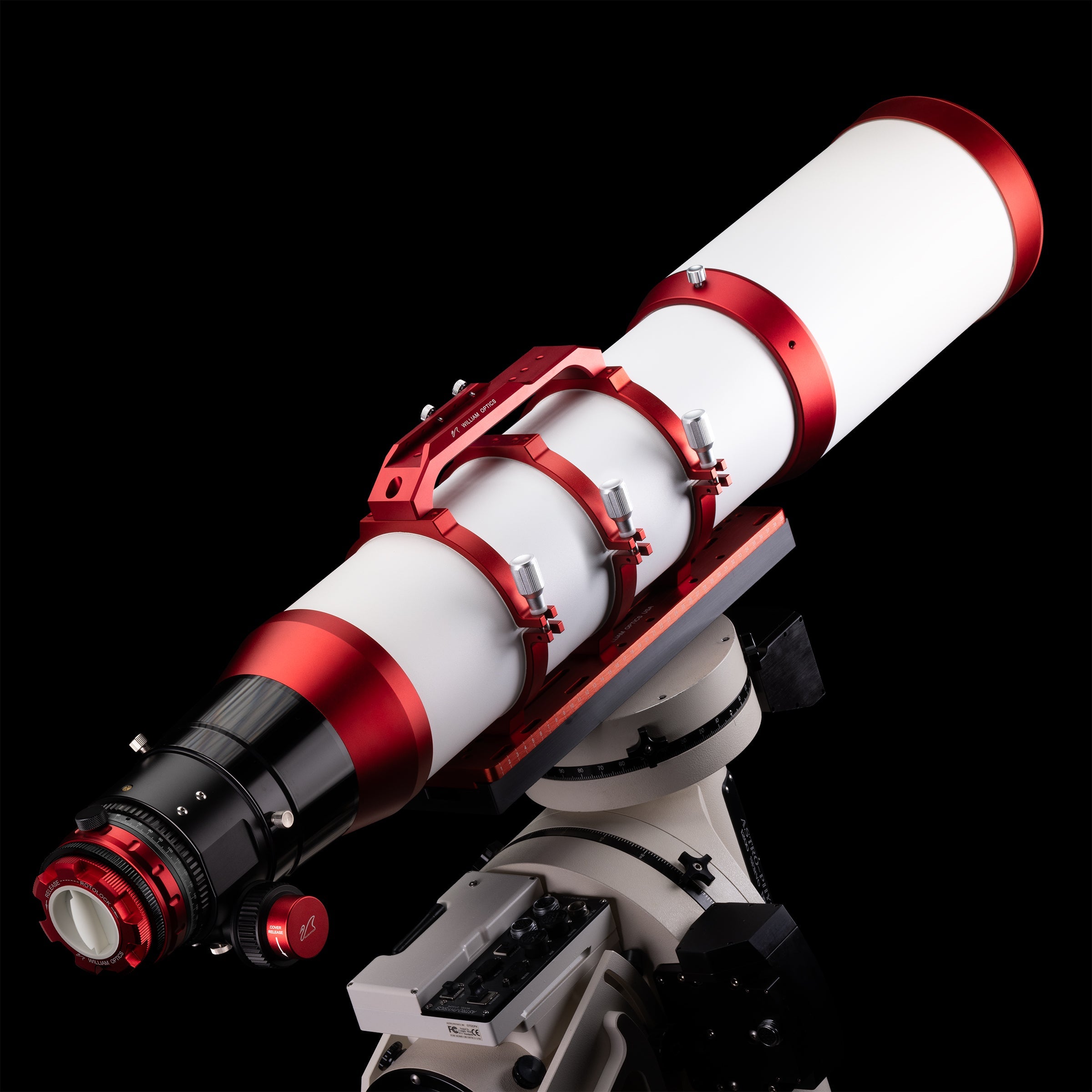
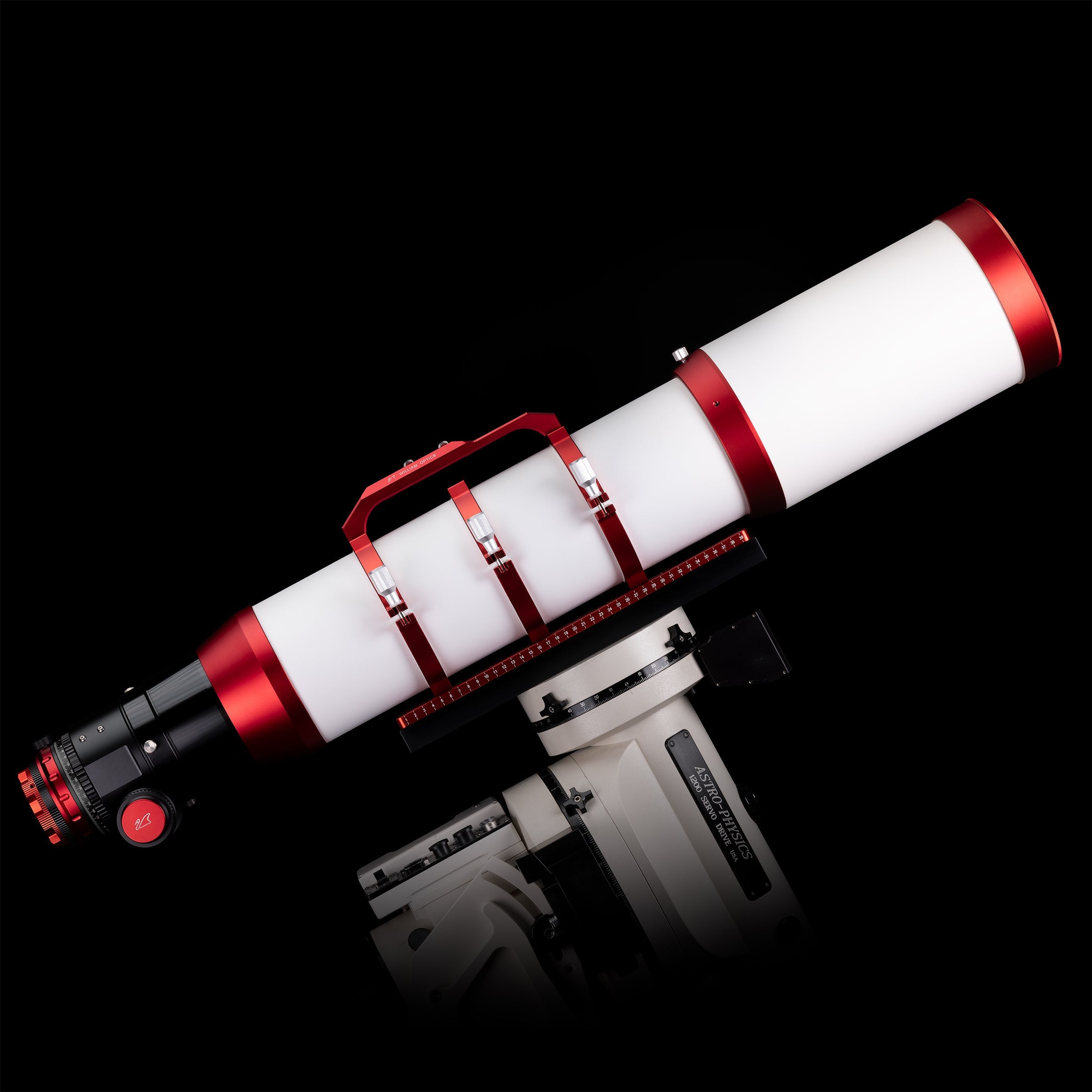
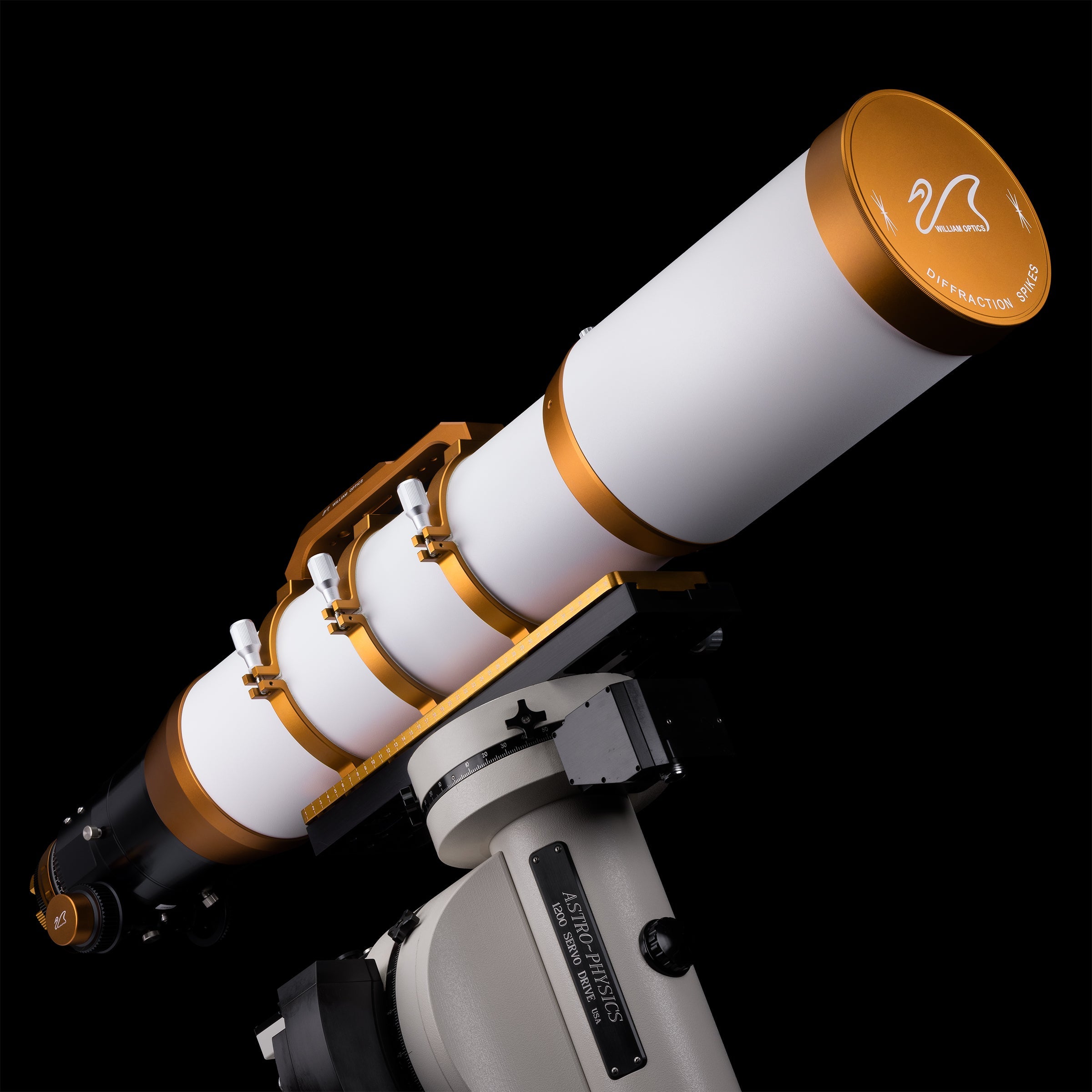
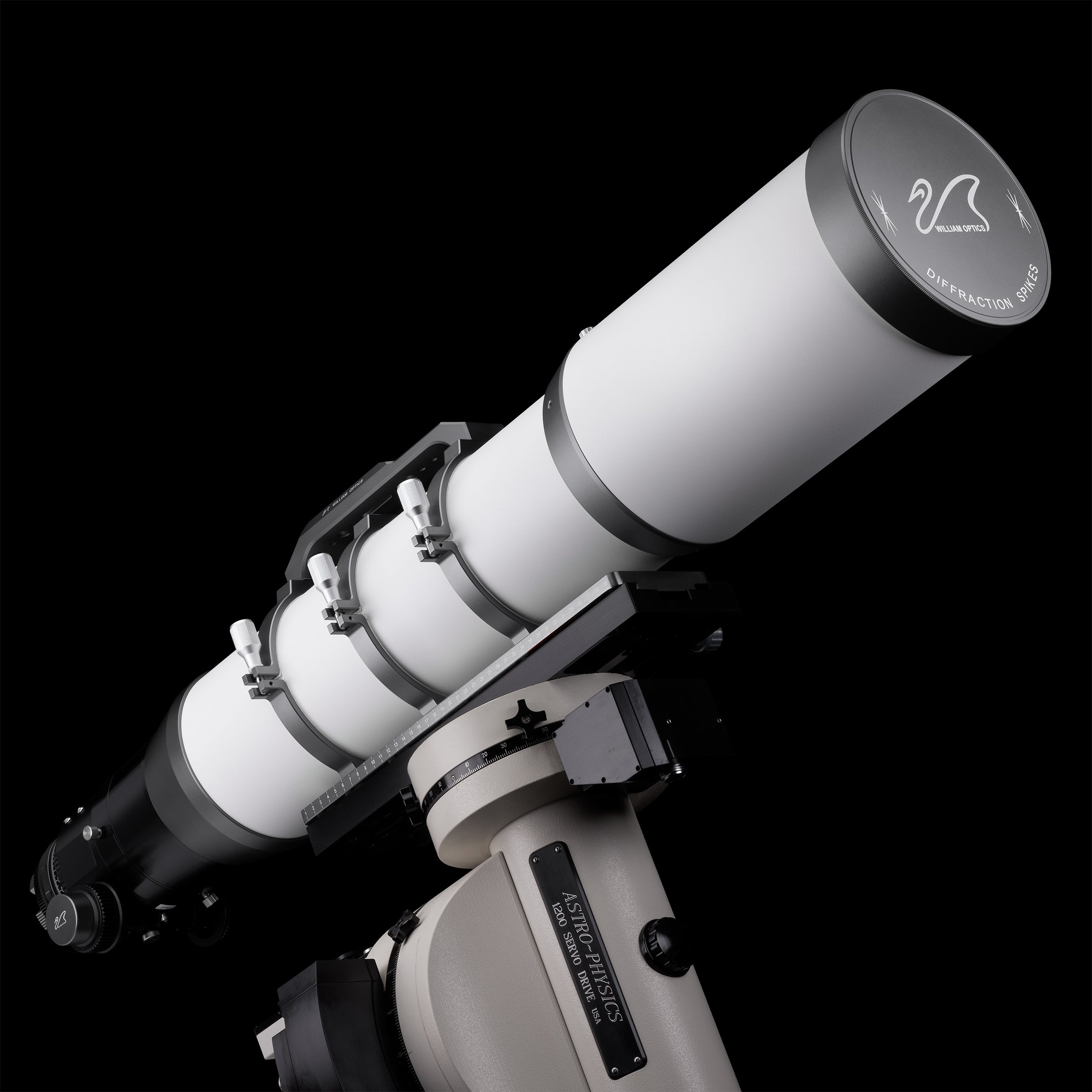
The William Optics Fluorostar 156 APO is a premium large-aperture 156mm f/7.8 triplet apochromatic refractor designed for serious visual astronomy and advanced astrophotography. With a 1217mm focal length, FPL-53 glass, Lanthanum element, 3.7-inch rack-and-pinion focuser, Losmandy dovetail, and a full-frame-capable image circle greater than 44mm, it is built for observers and imagers who want a high-performance refractor for demanding lunar, planetary, deep-sky, and imaging work.
Who Is This Product Best For?
The Fluorostar 156 is best for advanced visual observers, experienced astrophotographers, and serious backyard or semi-permanent observatory users who want a large premium refractor with excellent colour correction, strong mechanical support, and enough aperture for detailed observing and imaging.
This telescope is especially well suited to customers who already own a capable equatorial mount and want a large refractor for galaxies, nebulae, lunar observing, planetary observing, and high-resolution deep-sky imaging.
Why Choose This Product?
- 156mm triplet APO optics: Large-aperture refractor performance with excellent colour correction and contrast.
- FPL-53 and Lanthanum glass: Designed to reduce chromatic aberration and deliver crisp visual and imaging performance.
- 1217mm focal length: Provides useful reach for galaxies, smaller nebulae, lunar detail, and planetary observing.
- f/7.8 focal ratio: A strong optical balance for visual observing and serious imaging with optional flatteners or reducers.
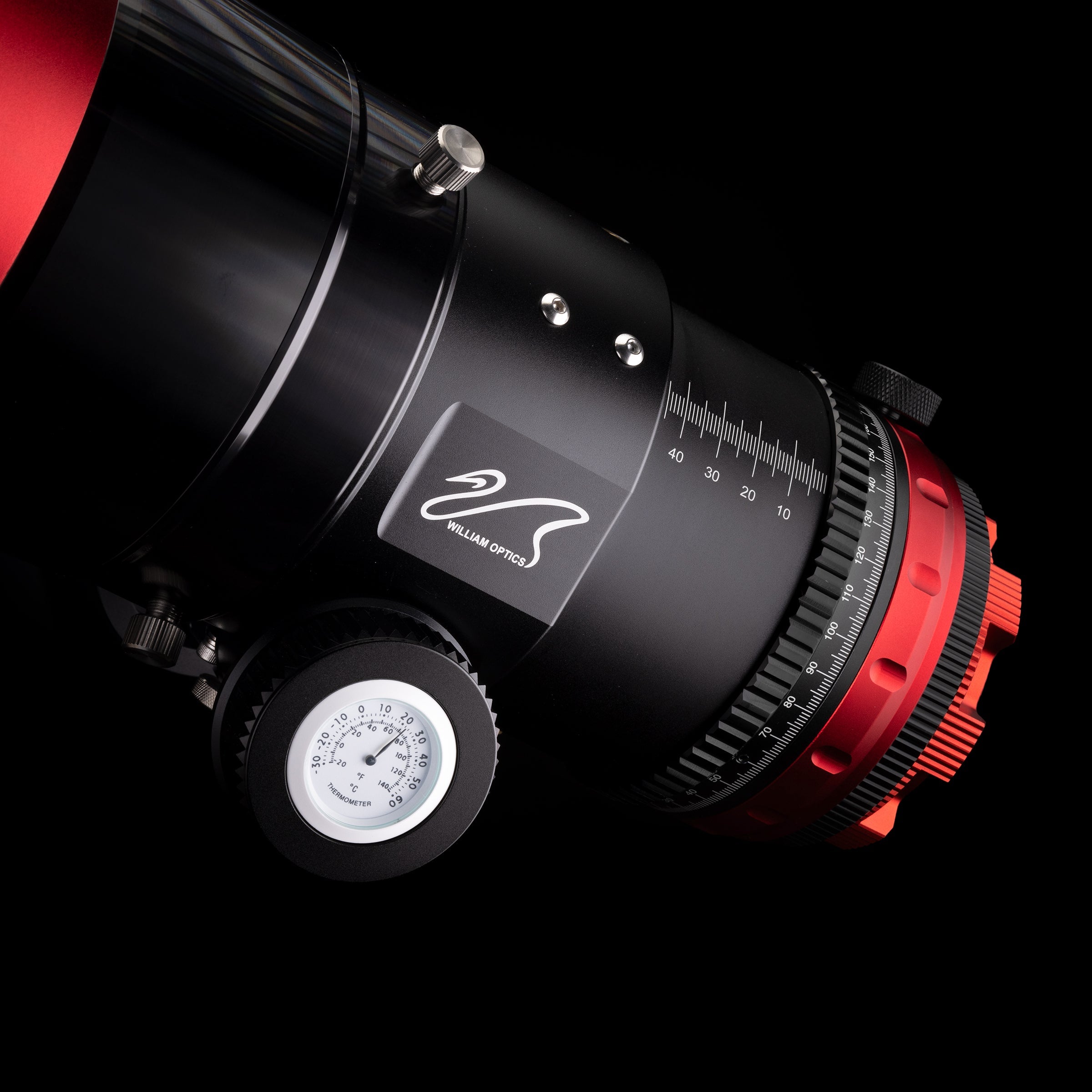
- 3.7-inch rack-and-pinion focuser: Supports precise focusing and heavier imaging trains, with EAF compatibility noted by William Optics.
- Losmandy dovetail and three CNC tube rings: Provides solid mounting support for a large refractor system.
- Integrated Bahtinov mask in the dust cover: Helps achieve accurate focus for imaging and high-power observing.
Recommended Uses
- Advanced visual astronomy
- Lunar and planetary observing
- Deep-sky astrophotography
- Galaxy and nebula imaging
- Full-frame, APS-C, and Micro Four Thirds camera setups
- Permanent or semi-permanent backyard observatory setups
- High-resolution refractor imaging with a capable mount
Compatibility and Accessory Notes
The Fluorostar 156 includes an M92 rotator and M92 to 2-inch RotoLock adapter. William Optics lists compatibility with full-frame, APS-C, and Micro Four Thirds camera formats. For astrophotography, users should pair the telescope with the appropriate compatible flattener or reducer, such as FLAT68III 1.0x, FLAT7A 0.8x, Ultra Flat 0.79x, or FLAT8 0.72x, depending on the desired imaging setup.
The telescope uses a Losmandy-style dovetail and has an OTA weight of approximately 17 kg / 37.48 lb. Customers should confirm mount payload capacity, counterweight requirements, focuser support, camera spacing, guiding setup, and total imaging-train weight before purchase. The EQ mount shown in vendor images is not included.
Important Limitations
The William Optics Fluorostar 156 is not a lightweight grab-and-go telescope. Its size, 1120mm to 1330mm tube length, and 17 kg OTA weight mean it should be used with a capable equatorial mount and a stable setup. It is best suited to experienced users rather than casual beginners.
For best astrophotography results, a compatible flattener or reducer should be selected based on the camera format and desired focal ratio. The telescope itself is premium and versatile, but the complete imaging system requires careful planning around mount capacity, spacing, guiding, power, and accessories.
Frequently Asked Questions
Is the William Optics Fluorostar 156 good for beginners?
It is best for experienced observers and astrophotographers. A committed beginner could grow into it, but the large size, mount requirements, and accessory planning make it better suited to advanced users.
Can the Fluorostar 156 be used for visual observing?
Yes. It is a premium APO refractor and can deliver excellent lunar, planetary, double-star, and deep-sky visual views when paired with appropriate diagonals and eyepieces.
Can it be used for astrophotography?
Yes. The Fluorostar 156 is designed for serious astrophotography and supports full-frame, APS-C, and Micro Four Thirds camera formats when paired with the correct imaging accessories.
Does it require a flattener or reducer?
For best imaging performance, especially with larger camera sensors, a compatible William Optics flattener or reducer is recommended. William Optics lists FLAT68III 1.0x, FLAT7A 0.8x, Ultra Flat 0.79x, and FLAT8 0.72x as compatible options.
What kind of mount is needed?
A capable equatorial mount with sufficient payload capacity is required. The OTA alone is approximately 17 kg / 37.48 lb before adding cameras, guide scopes, focusers, rings, plates, and other accessories.
Our Recommendation
At Ontario Telescope and Accessories, we recommend the William Optics Fluorostar 156 for advanced observers and imagers who want a large premium APO refractor with serious visual and astrophotography capability. Choose it if you want high contrast, excellent colour correction, large-aperture refractor performance, and have the mount capacity to support it properly. Choose a smaller Fluorostar or Zenithstar model if portability, budget, or beginner-friendly setup is the priority.
| Product Type | Triplet APO refractor telescope |
|---|---|
| Lens Type | Air-spaced triplet APO |
| Glass | FPL-53 and Lanthanum elements |
| Aperture | 156 mm |
| Focal Length | 1217 mm |
| Focal Ratio | f/7.8 |
| Image Circle | Greater than 44 mm |
| Focuser | 3.7-inch rack-and-pinion focuser; EAF compatible |
| Rotator / Adapter | M92 rotator and M92 to 2-inch RotoLock adapter included |
| Camera Format | Full Frame, APS-C, Micro Four Thirds |
| Compatible Imaging Accessories | FLAT68III 1.0x, FLAT7A 0.8x, Ultra Flat 0.79x, FLAT8 0.72x |
| Dovetail | Losmandy-style dovetail |
| Tube Rings | Three CNC tube rings |
| OTA Weight | Approx. 17 kg / 37.48 lb |
| Tube Length | Approx. 1120 mm to 1330 mm |
| Included Feature | Integrated Bahtinov mask in dust cover |
| Primary Use | Advanced visual astronomy, lunar and planetary observing, deep-sky astrophotography, galaxy and nebula imaging |
| Mount Note | Requires a capable equatorial mount; EQ mount shown in vendor images is not included |
You may also like
Recently viewed
Recent Blog Posts
View all
Your Guide Graph Is Lying to You
Read More
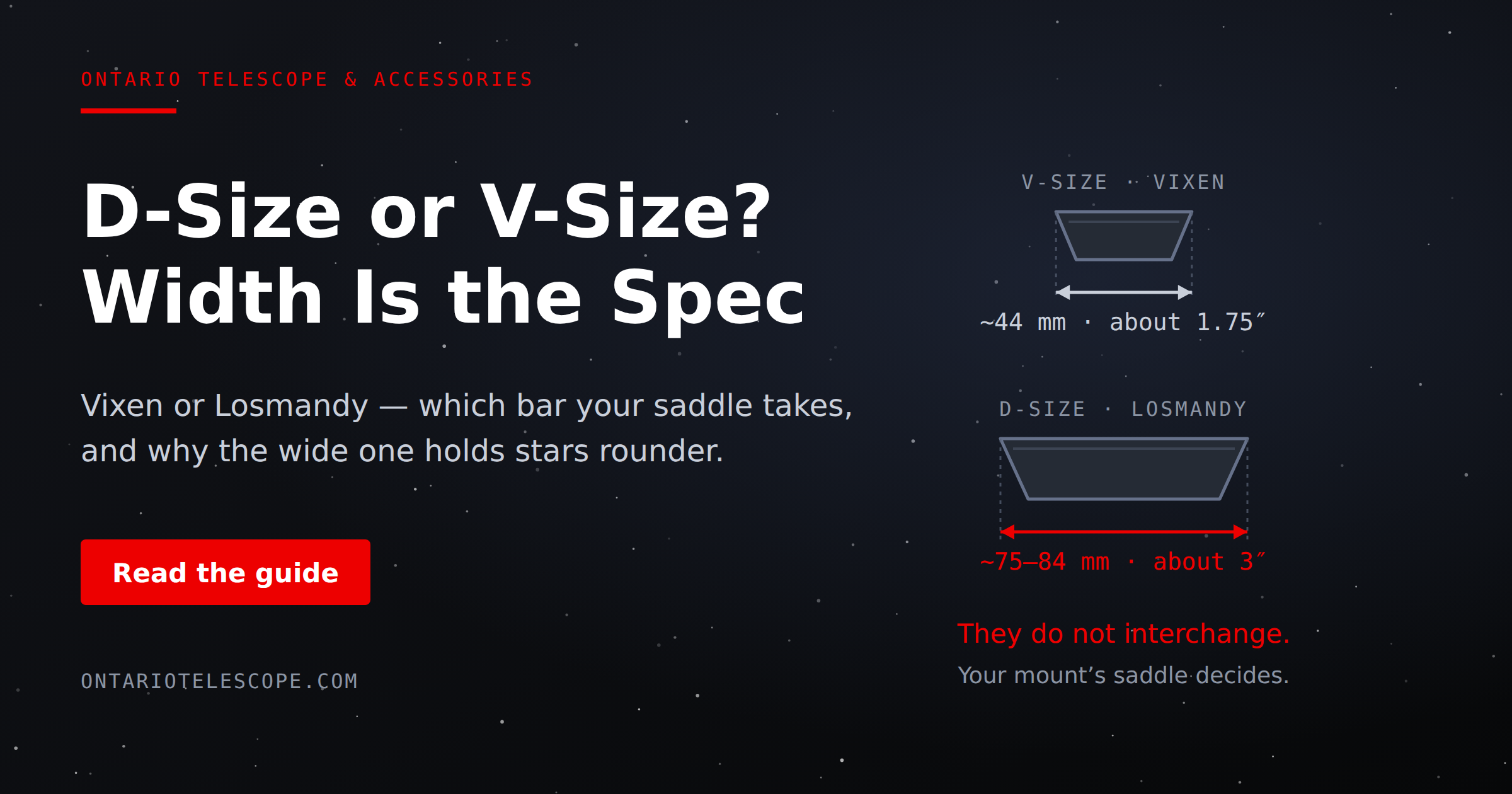
D-Size vs V-Size: A Complete Guide to Telescope Dovetail Systems
Read More
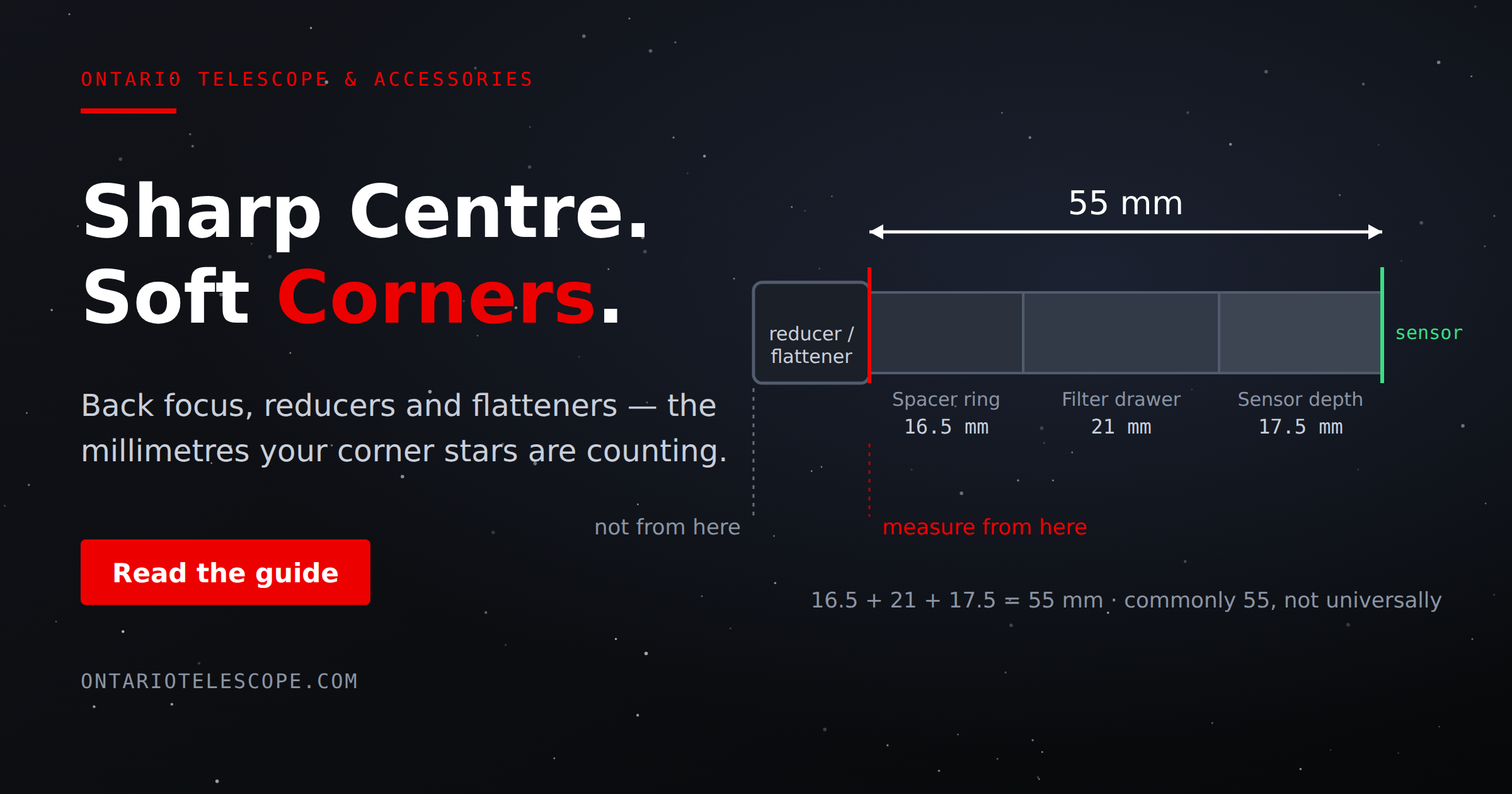
What Is Back Focus in Astrophotography? Telescope Reducers, Flatteners, and Spacing Explained
Read More