
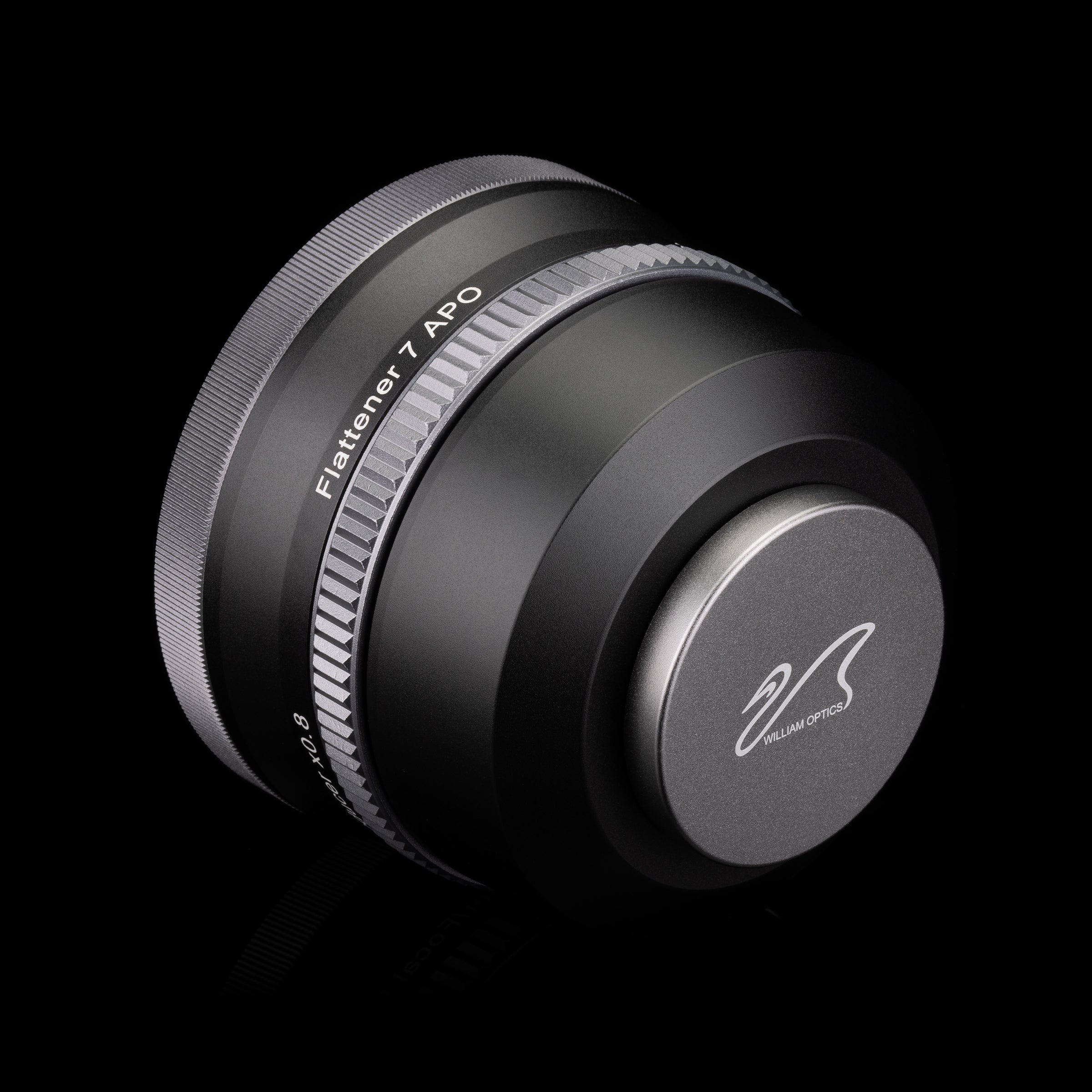

- Description
- Specifications
The William Optics FLAT 7A is a 0.8x reducer/flattener for compatible William Optics refractors. It is designed to widen the field of view, speed up the optical system, and improve edge-to-edge star correction for astrophotography.
Who Is This Product Best For?
Best for astrophotographers using compatible William Optics refractors who want faster wide-field imaging and flatter stars across the frame.
Why Choose This Product?
- 0.8x reduction: Widens the field and speeds up imaging.
- Field correction: Helps improve corner star shape.
- Camera-focused design: Built for deep-sky astrophotography systems.
Recommended Uses
- Deep-sky imaging
- Wide-field astrophotography
- Compatible William Optics refractor setups
Compatibility and Accessory Notes
Confirm telescope compatibility, adapter thread, camera connection, and required backfocus spacing before imaging.
Important Limitations
This is an imaging accessory and requires correct spacing for best results.
Our Recommendation
Choose the FLAT 7A when your compatible William Optics refractor needs 0.8x focal reduction and field flattening for deep-sky imaging.
| Product Type | Reducer flattener |
|---|---|
| Reduction Factor | 0.8x |
| Primary Use | Wide-field deep-sky astrophotography |
| Compatibility | Compatible William Optics refractors |
| Important Note | Correct backfocus spacing is required for best results |
You may also like
Recently viewed
Recent Blog Posts
View all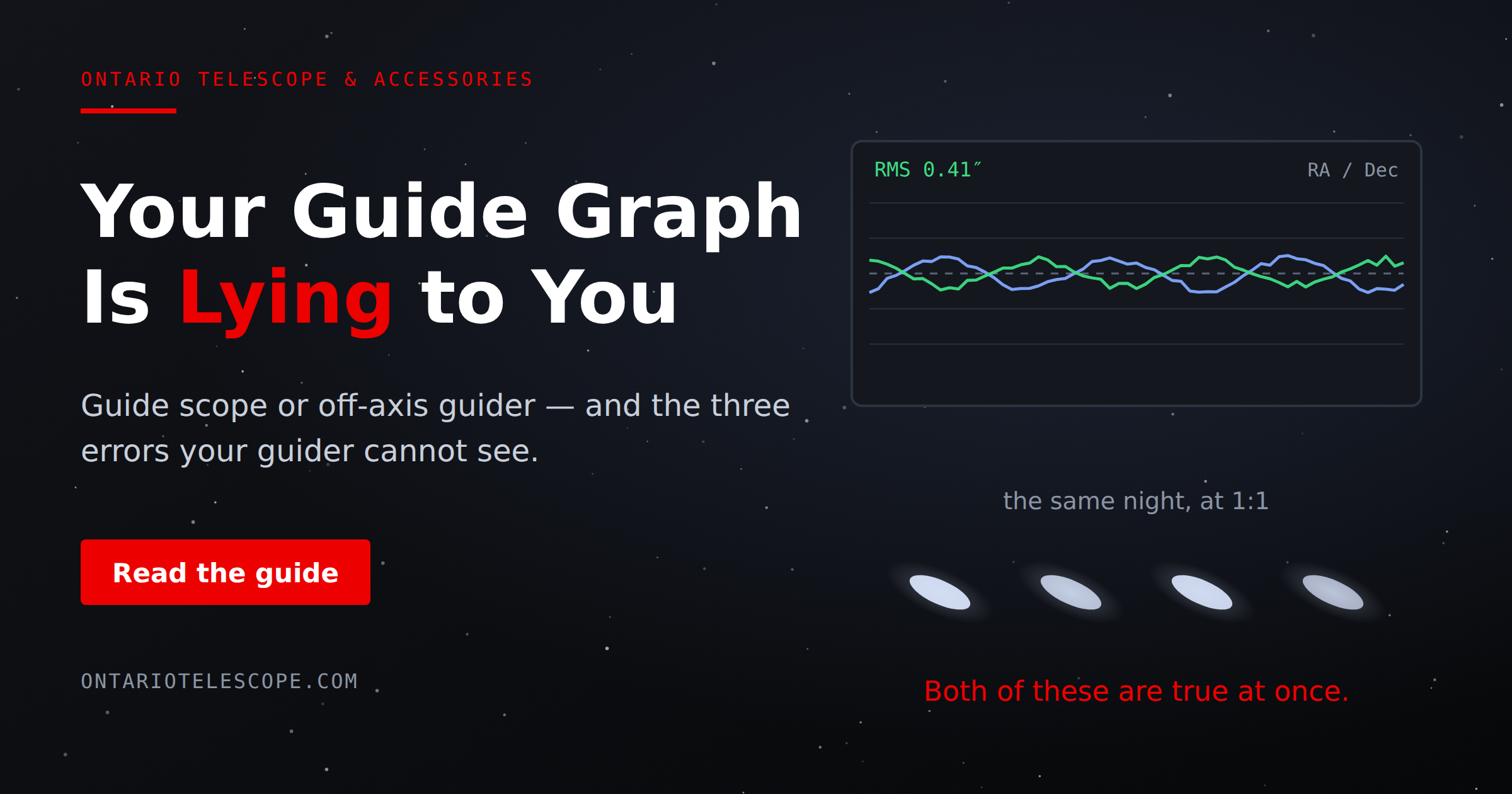
Your Guide Graph Is Lying to You
You drove ninety minutes to dark sky, PHD2 held 0.4 arcseconds all night, and half your subs still have eggs for stars. Here are the three things your
Read More
Read More
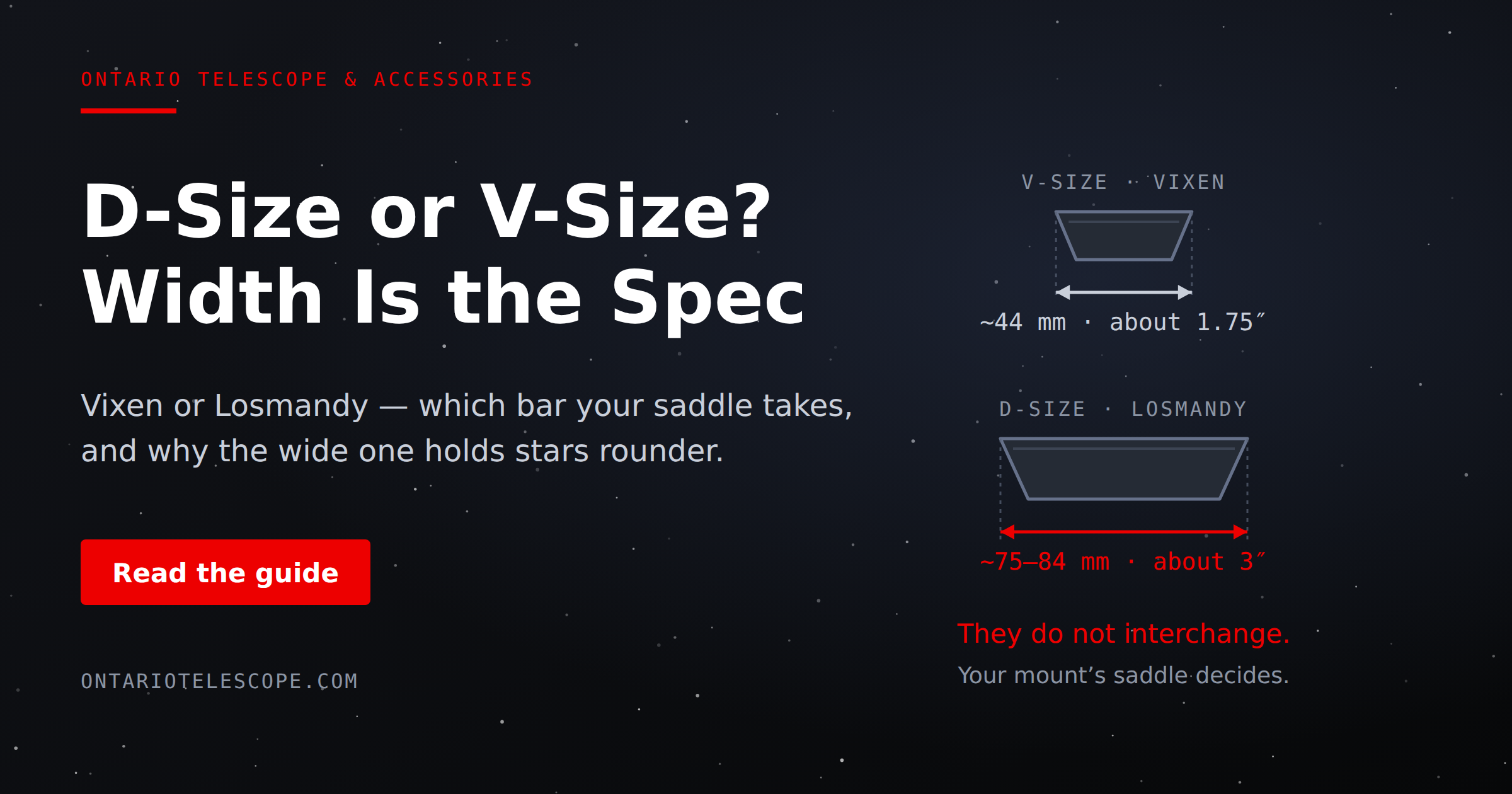
D-Size vs V-Size: A Complete Guide to Telescope Dovetail Systems
What's the difference between D-size and V-size telescope dovetails? Here's everything you need to know.
Read More
Read More
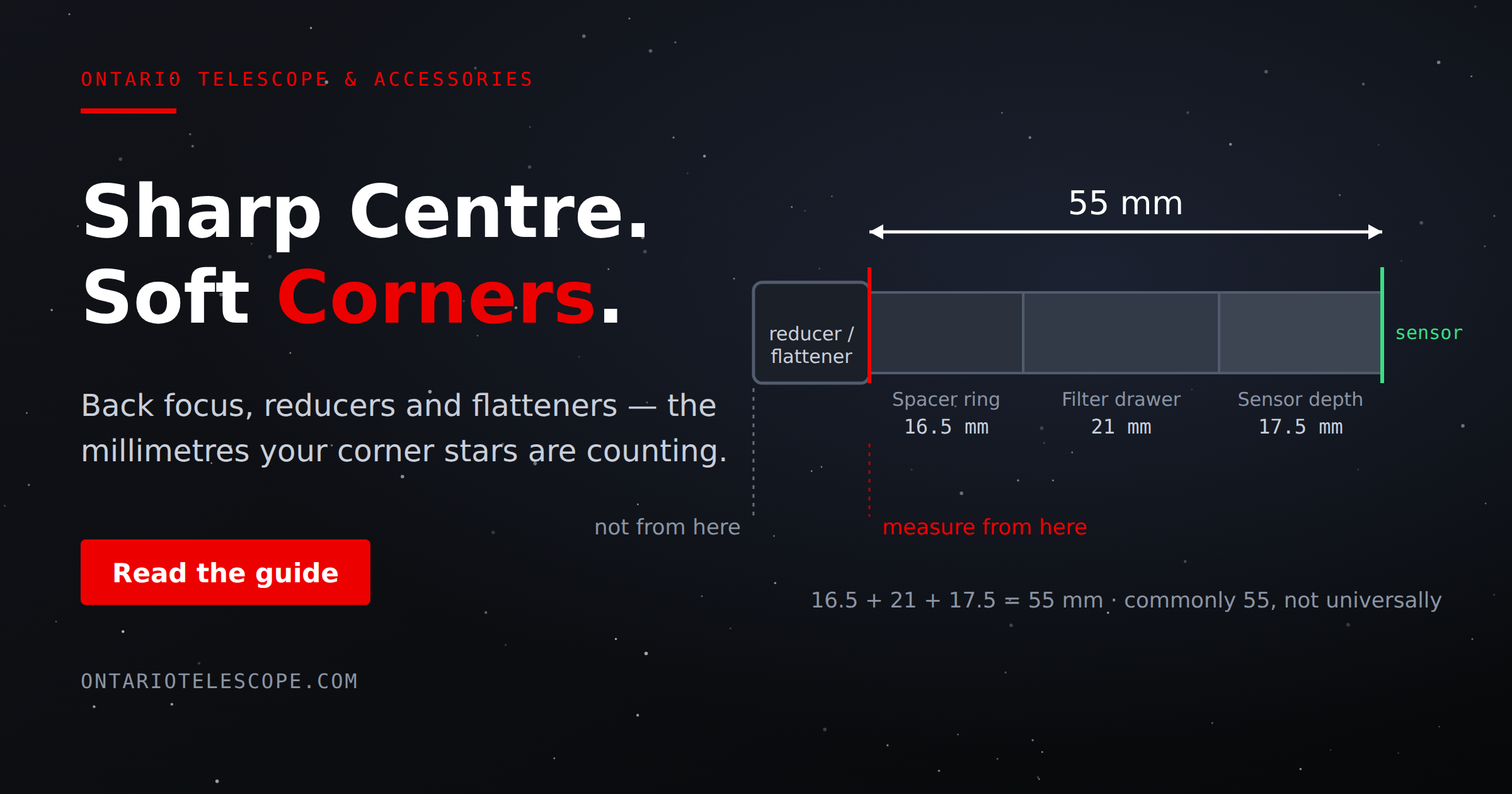
What Is Back Focus in Astrophotography? Telescope Reducers, Flatteners, and Spacing Explained
What Is Back Focus in Astrophotography? Telescope Reducers, Flatteners, and Spacing Explained
Back focus is one of those astrophotography terms that c
Read More
Read More