


- Description
HIGH TORQUE. HIGH PRECISION. HIGH PORTABILITY.
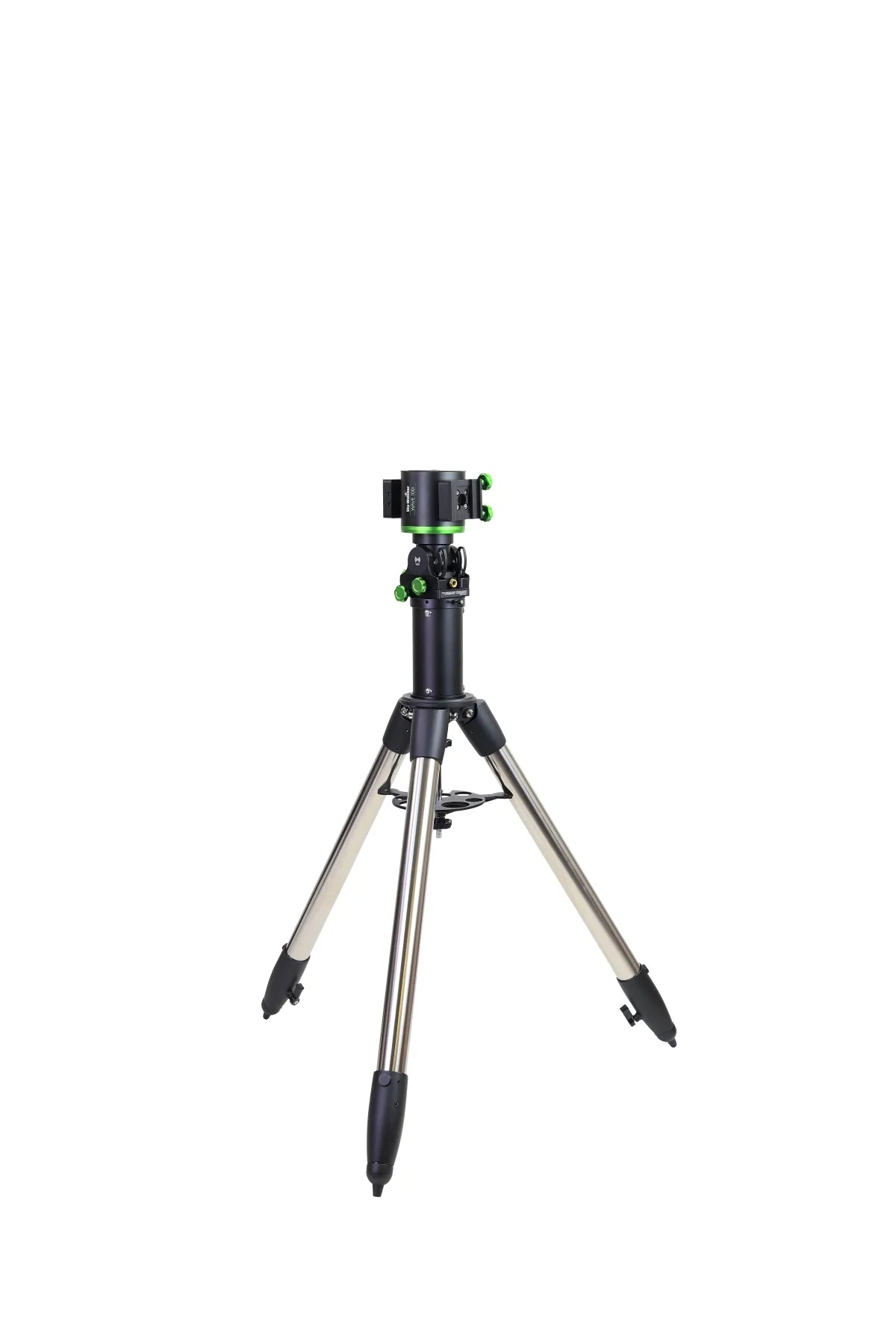
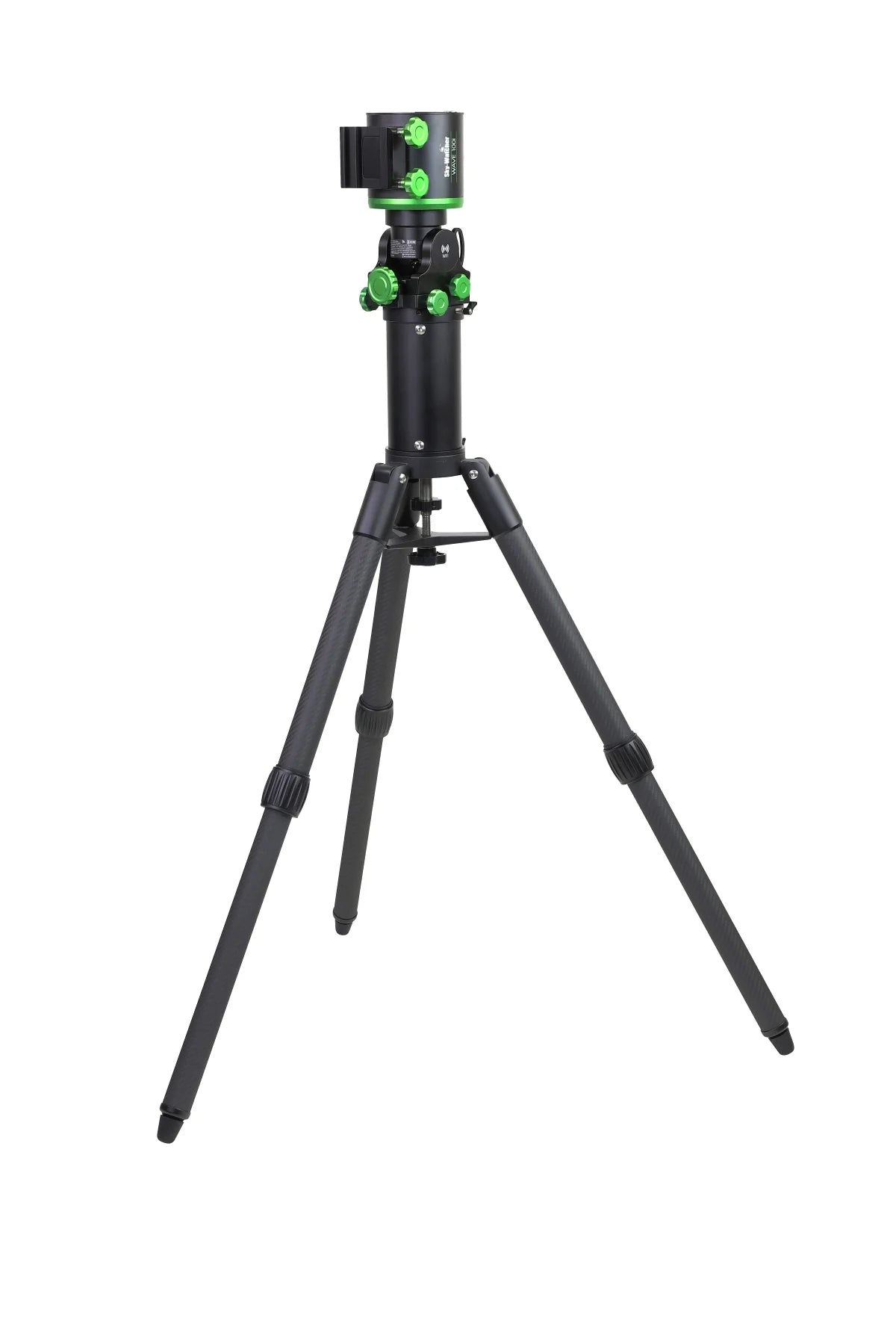
Taking advantage of the strain wave design with its high torque and compact construction, these mounts deliver high precision and power in an affordable and portable package. With exclusive features found on no other strain wave mounts, the Wave series is a serious update and upgrade to Sky-Watcher’s already immensely popular family of astronomy mount platforms.
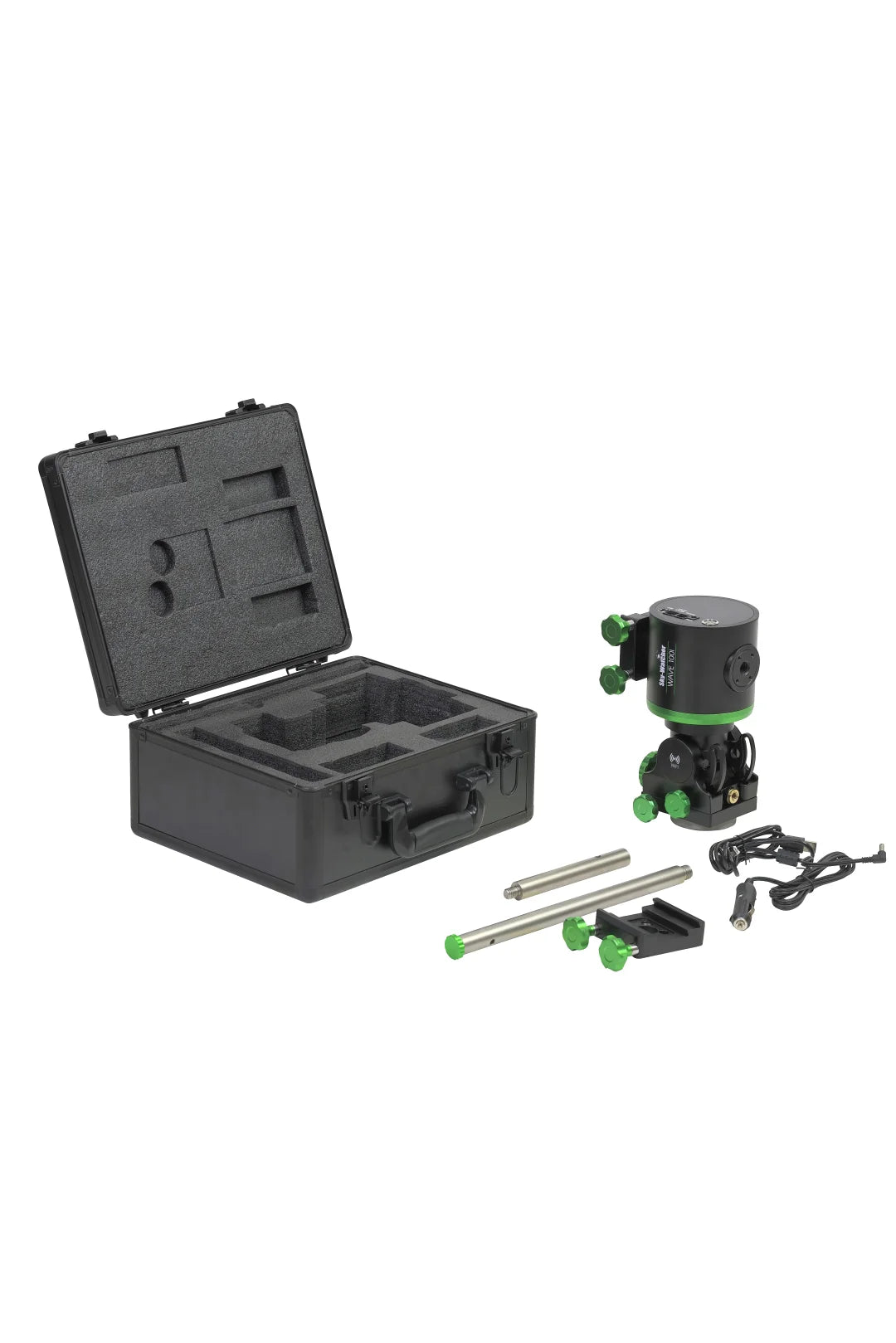
Boasting 22 and 33 pounds of payload capacity respectively (33 and 55 pounds with optional counterweight kits), the Wave 100i and 150i are incredibly compact and lightweight (9.5 and 12.8 pounds) and stow in durable carry cases with dense, machine-cut foam perfectly suited for travel. Sky-Watcher’s Wave mounts also feature both EQ and AZ tracking modes with RA and Dec home positions, D/V hybrid saddles, 0–90-degree latitude range, Wi-Fi and Bluetooth capability, RA power-off braking, 12v 2a power (not included), and a red backlit latitude display and bubble level to make your setup routine that much easier.
2-inch steel leg heavy-duty EQ6 tripod for Wave mounts and Wave Extension Tube included
* Tripod also compatible with NEQ6, EQ6, EQ6-R, and AZ-EQ6 mounts
You may also like
Recently viewed
Recent Blog Posts
View all
Your Guide Graph Is Lying to You
Read More

D-Size vs V-Size: A Complete Guide to Telescope Dovetail Systems
Read More

What Is Back Focus in Astrophotography? Telescope Reducers, Flatteners, and Spacing Explained
Read More