


- Description
The Wanderer Astro motorized flat panel makes taking flats easy. Make taking part of your imaging sequence. Compatible with popular imaging software like N.I.N.A and SGP Pro, taking flats as part of your imaging session is now effortless. Powered directly from a USB 2.0 port and secured to the dew shield of your telescope with a removable zip tie.
The LED light source provides a uniform and adjust light that is suitable for CMOS camera and narrow band filters. Made with light weight carbon fiber that will not add unnecessary weight and remains strong. The build in self licking motor keeps the cover closed when the telescope s not in use, replacing your dust cover.
Lightweight
As light as 234g (Models with a luminous diameter of 125 mm)
Simple wiring
Only a USB2.0 cable is required (5V)
High quality light source
Uniform and super bright, 255-level adjustable brightness
Mechanical limit
Prevents excessive opening in non-installed state
Can be opened 270 degrees
Fits closely to your telescope to reduce wind resistance
Secured with nylon zip straps
Compatible with different types of telescopes
Motor self-locking
Keep locked even if power is off
Included in the box:
Flat Panel
USB Cable 1m
3 Zip ties
You may also like
Recently viewed
Recent Blog Posts
View all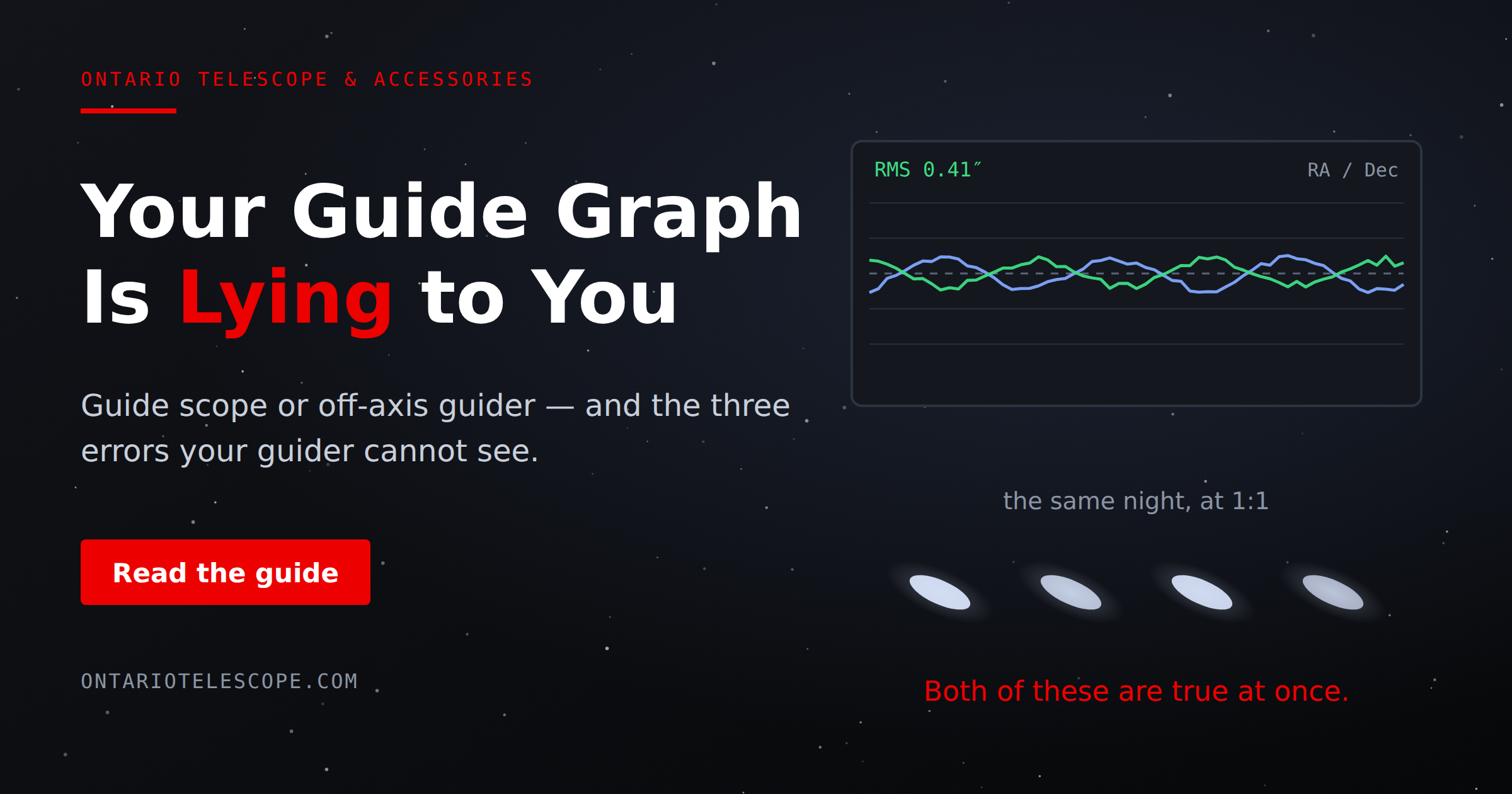
Your Guide Graph Is Lying to You
You drove ninety minutes to dark sky, PHD2 held 0.4 arcseconds all night, and half your subs still have eggs for stars. Here are the three things your
Read More
Read More
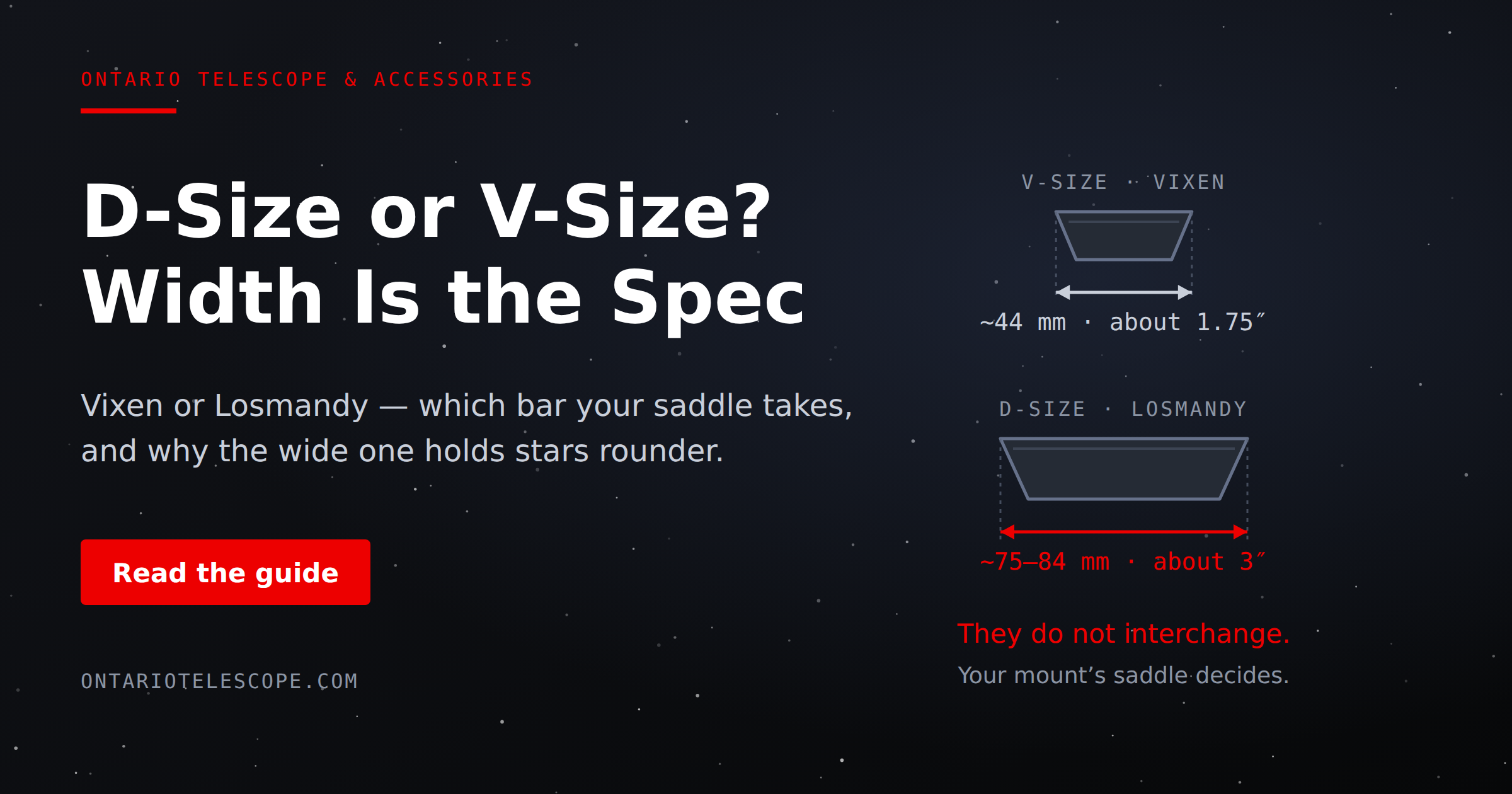
D-Size vs V-Size: A Complete Guide to Telescope Dovetail Systems
What's the difference between D-size and V-size telescope dovetails? Here's everything you need to know.
Read More
Read More
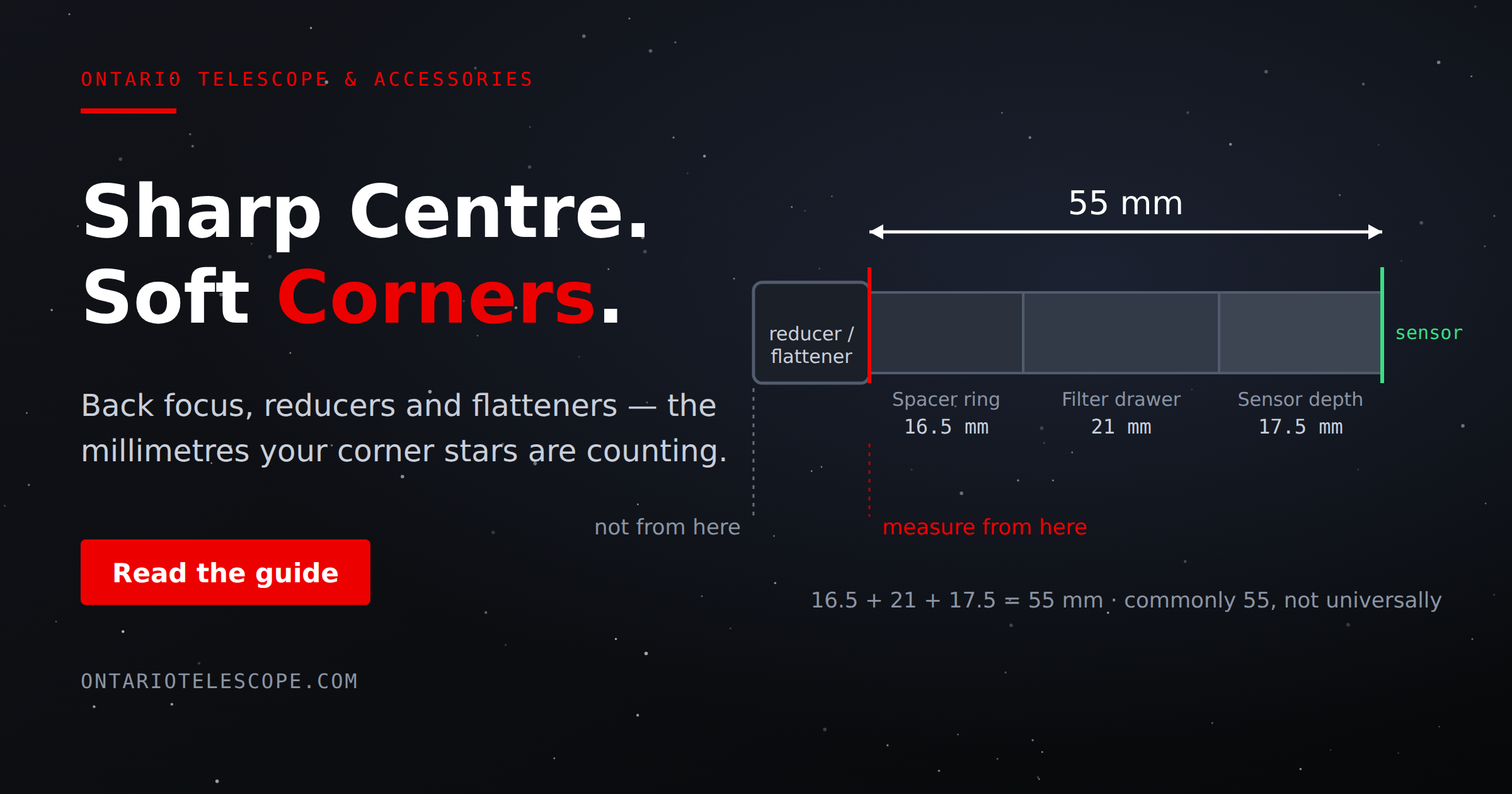
What Is Back Focus in Astrophotography? Telescope Reducers, Flatteners, and Spacing Explained
What Is Back Focus in Astrophotography? Telescope Reducers, Flatteners, and Spacing Explained
Back focus is one of those astrophotography terms that c
Read More
Read More