


- Description
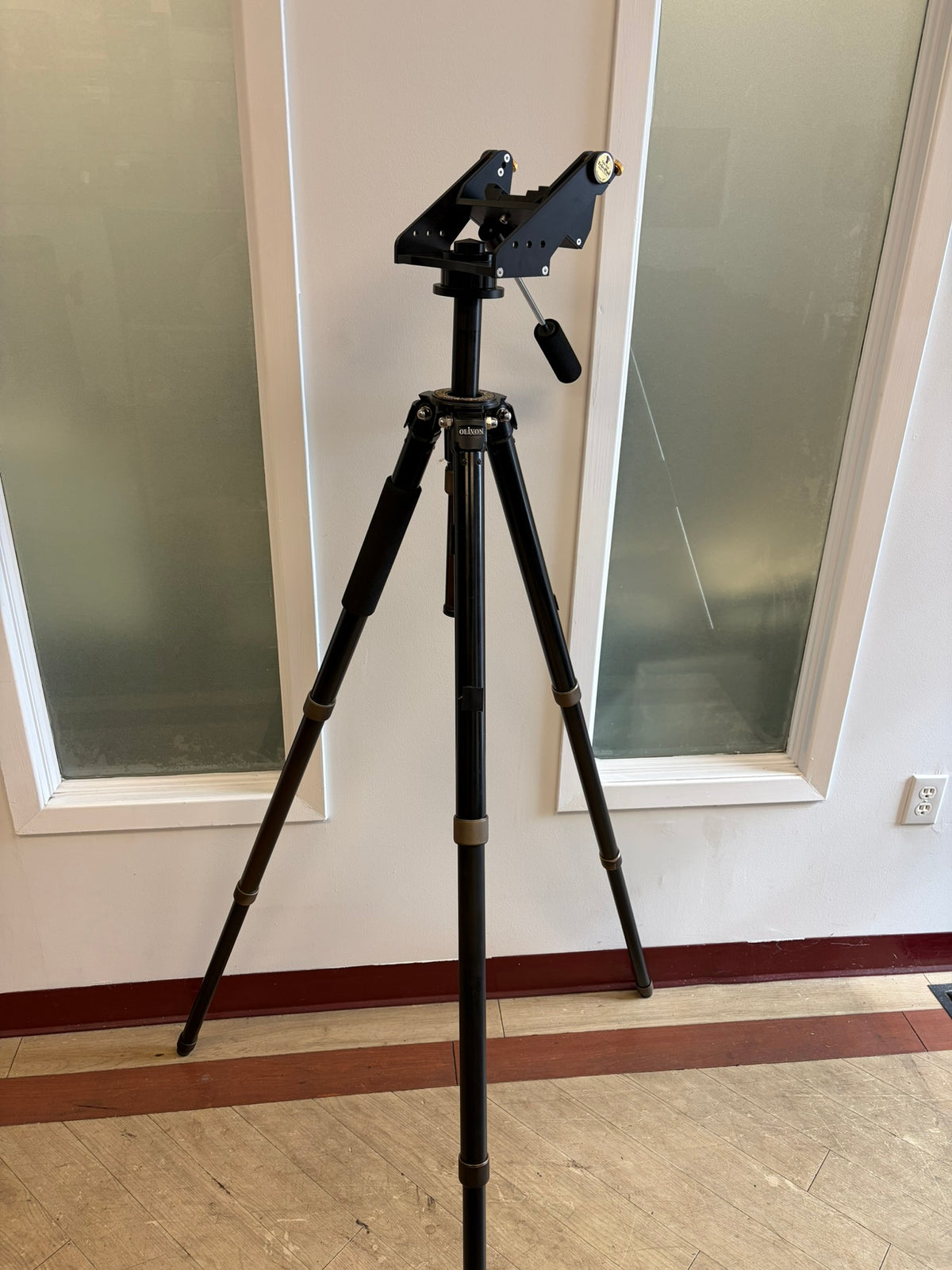
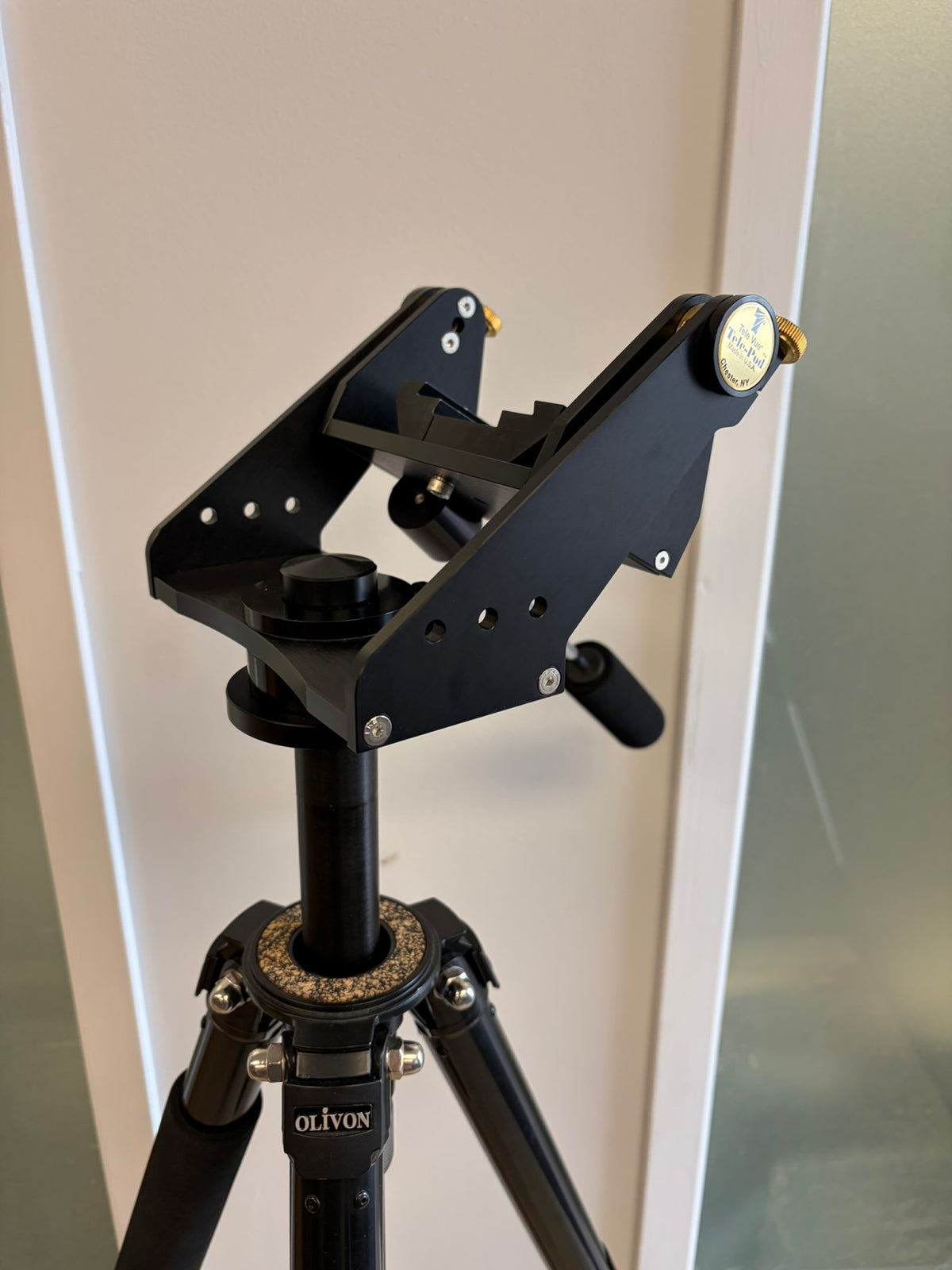
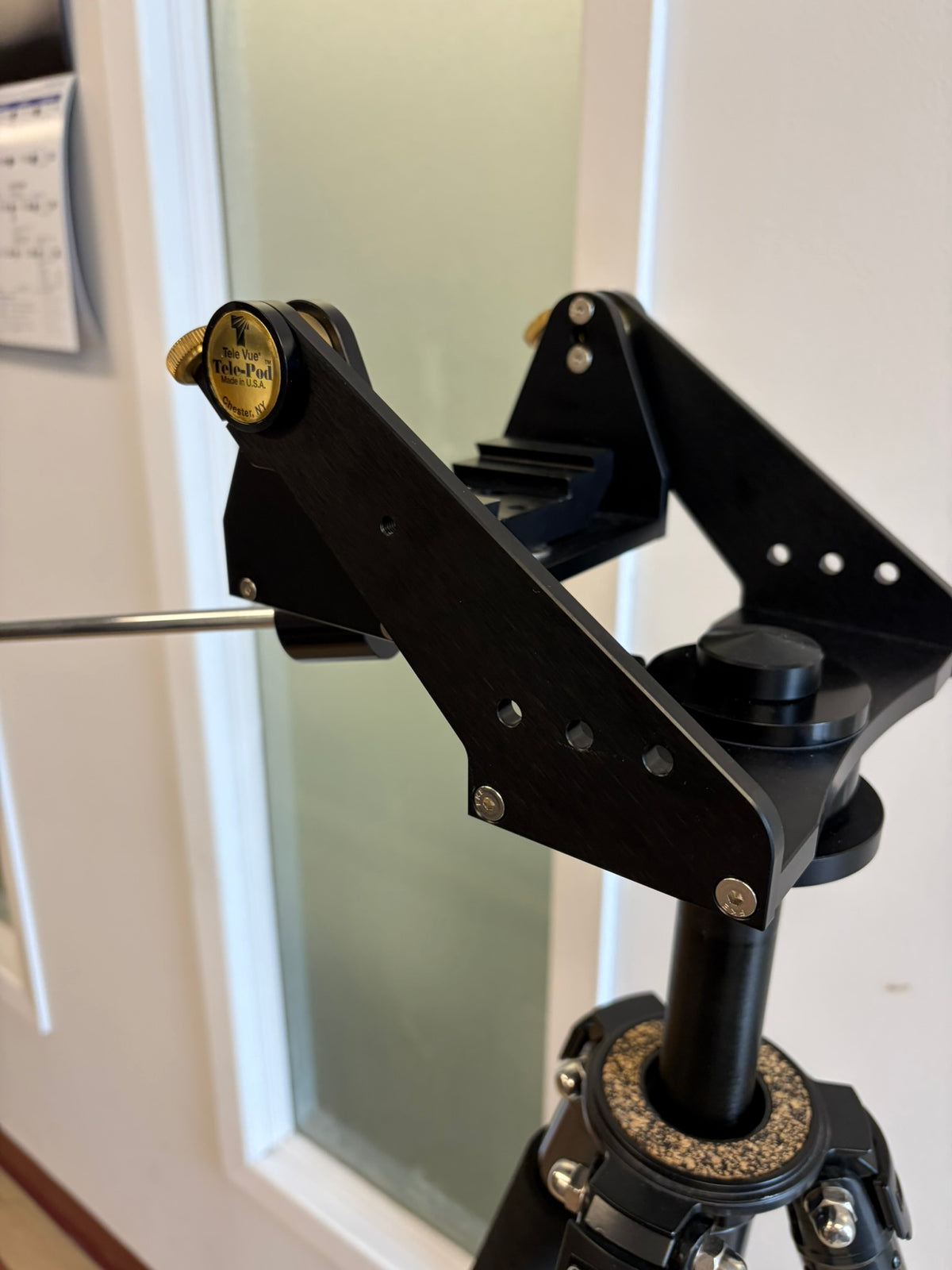
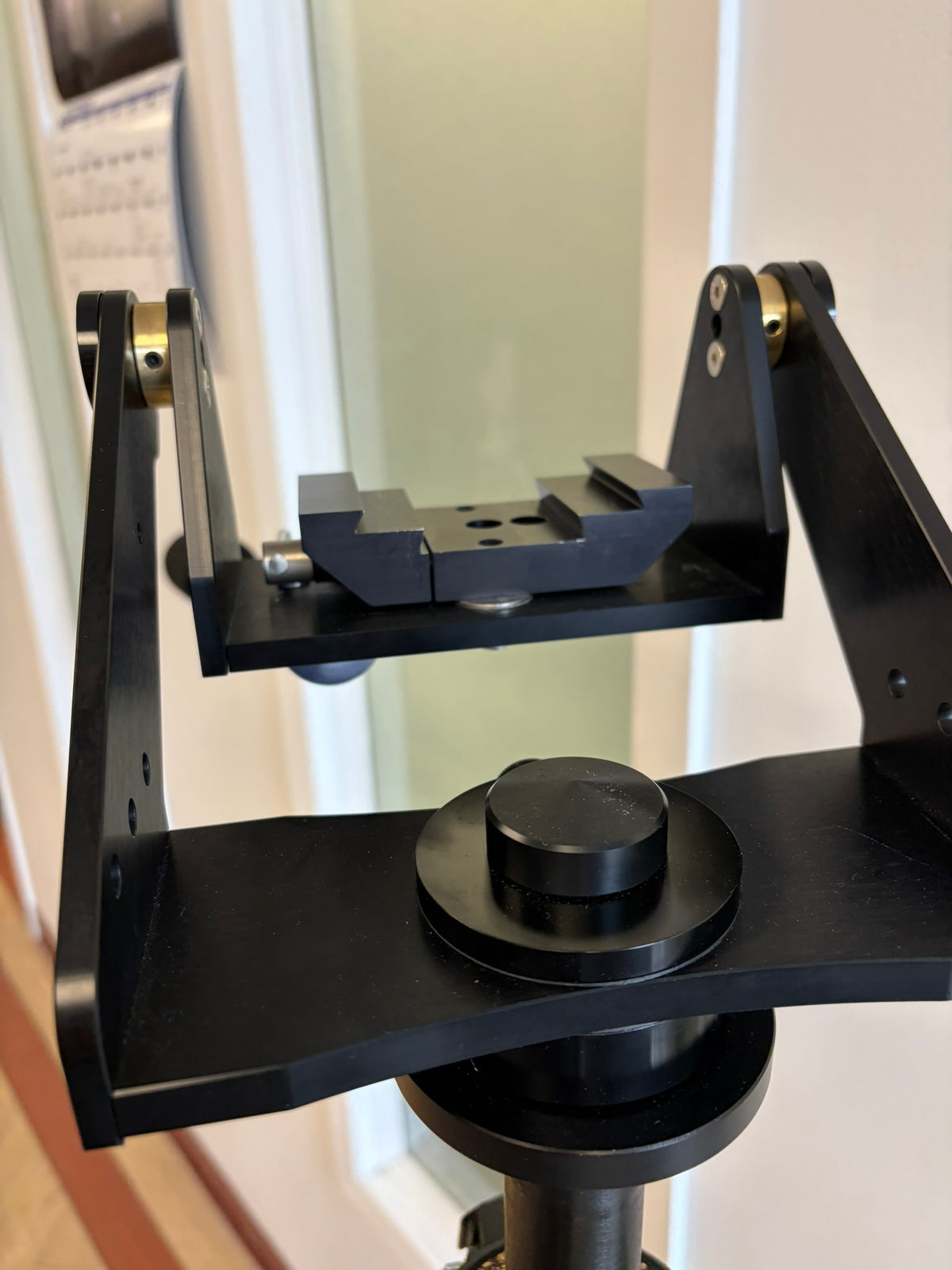
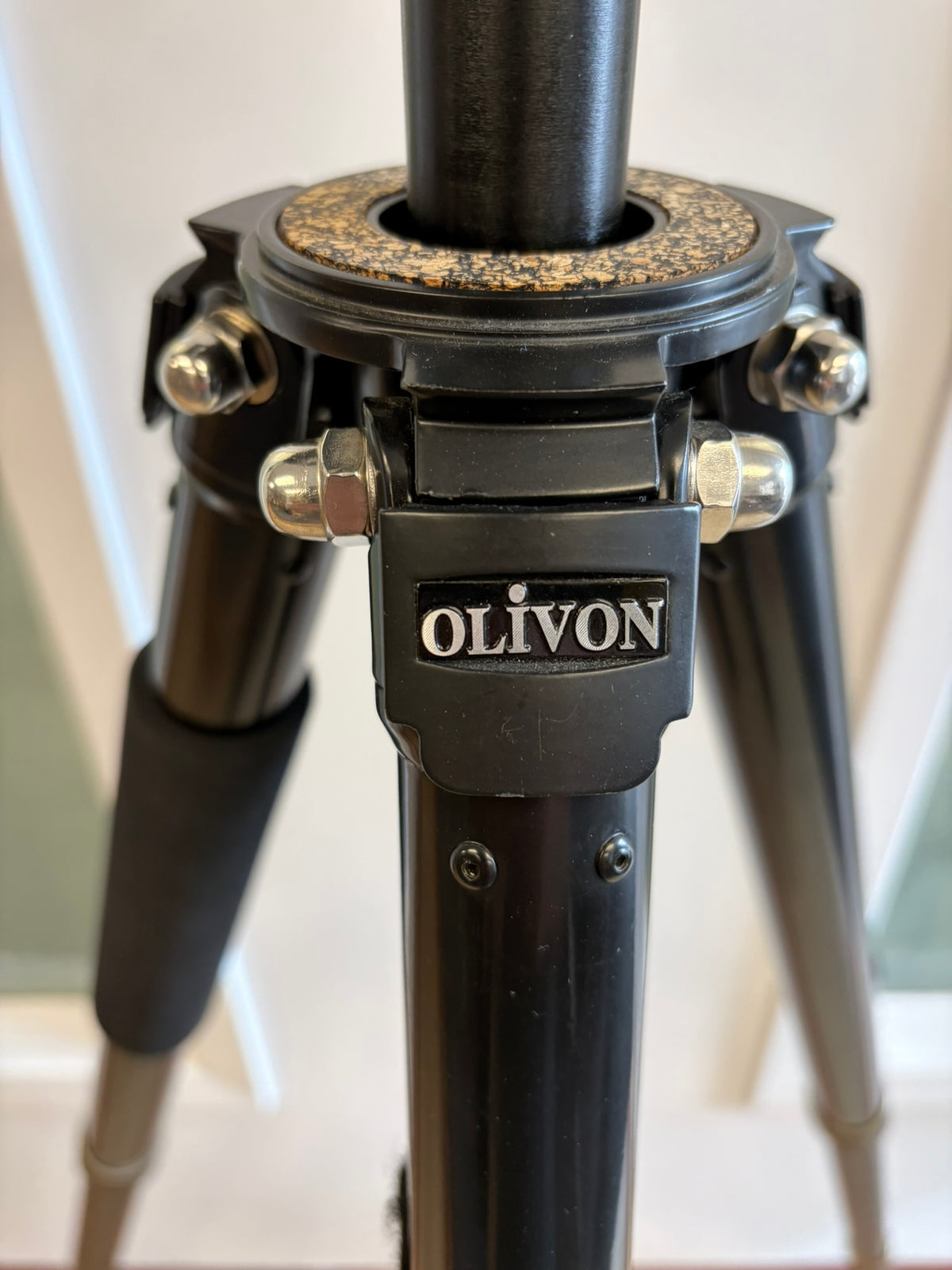
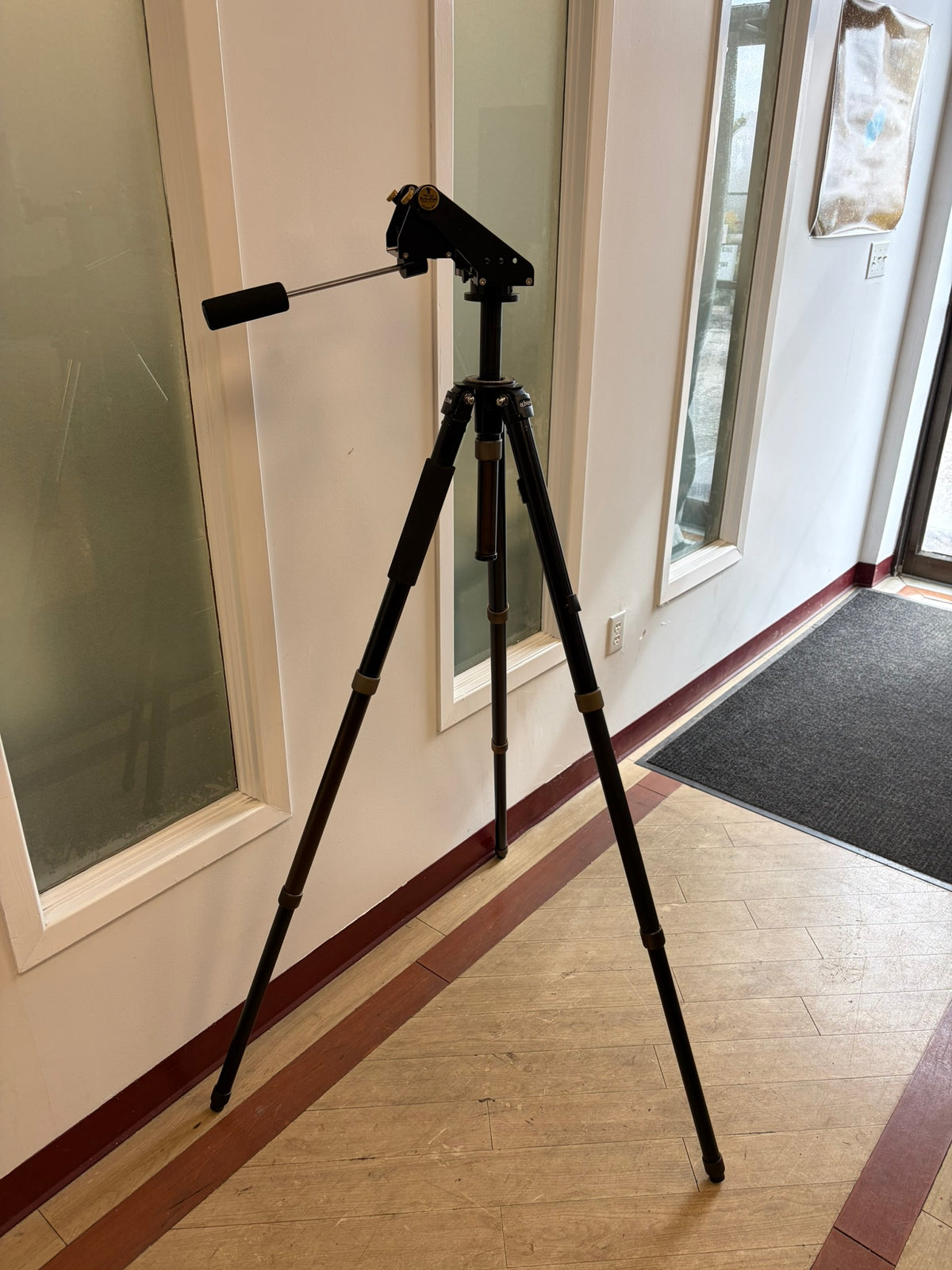
Used – Very Good Condition. A pre-owned Tele Vue Gibraltar alt-azimuth mount head, set up on a robust Olivon TR-197-16 tripod and fitted with an ADM DV clamp. It shows light cosmetic wear consistent with careful use.
What's Included
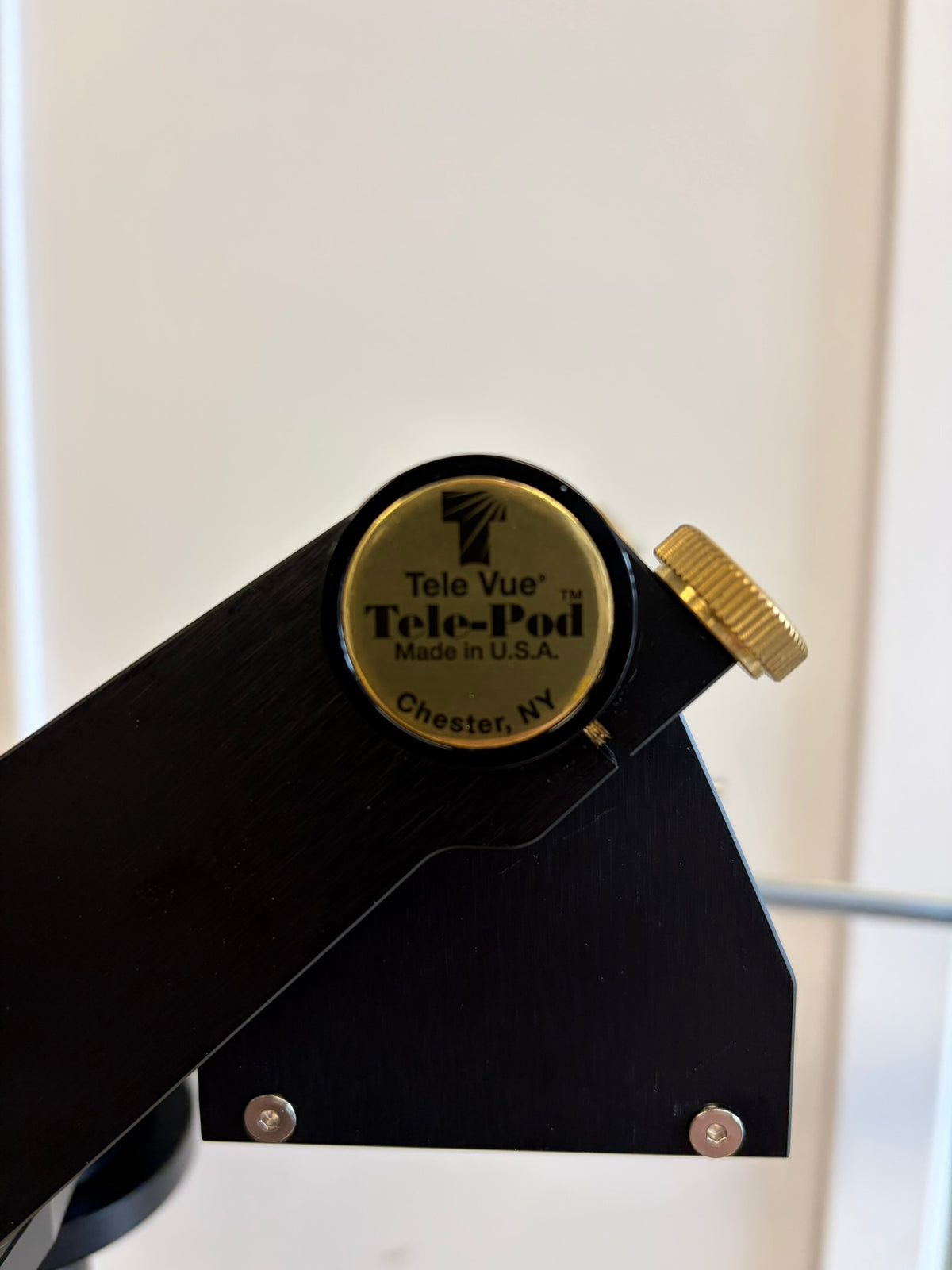
- Tele Vue Gibraltar mount head
- Olivon TR-197-16 tripod
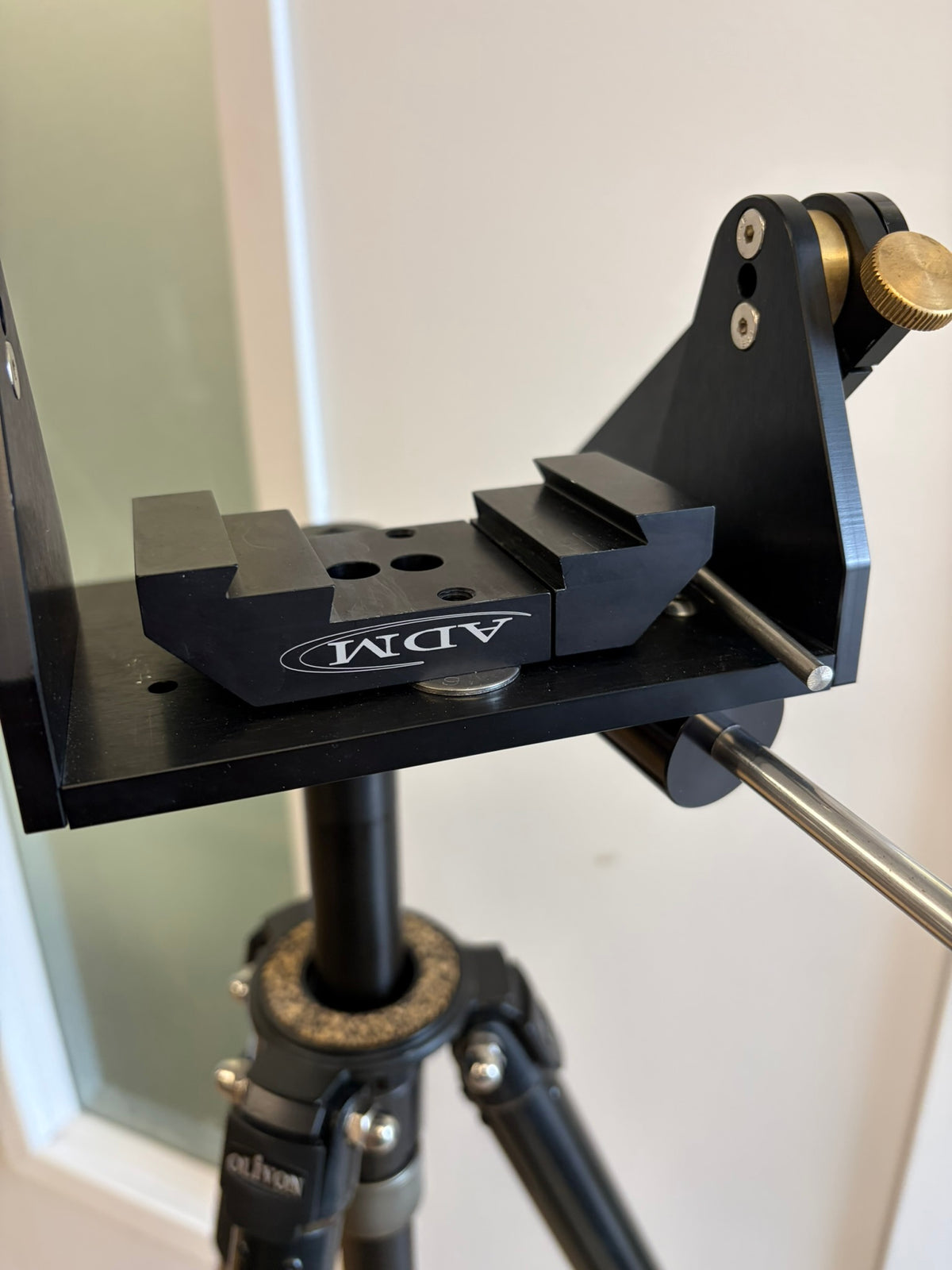
- ADM DV clamp for Gibraltar mounts
About the Tele Vue Gibraltar
The Gibraltar is Tele Vue's manual alt-azimuth mount, made for quick grab-and-go visual observing. There are no electronics, batteries or alignment routines: you set it up, put the scope on and start observing. Tele Vue designed it around their own refractors, and its smooth manual motions make it a natural match for wide-field sweeping and high-power lunar and planetary viewing. The ADM DV clamp is an upgrade over standard mounting hardware and makes attaching and removing your telescope quick and secure.
The head sits on an Olivon TR-197-16, a robust, tripod that gives the Gibraltar a solid, stable base. Together they make a ready-to-use manual mount package.
Final Sale
This item is sold as a Final Sale. All used equipment sales are final. Please review our Used Equipment Sale Policy before purchasing.
You may also like
Recently viewed
Recent Blog Posts
View all
Your Guide Graph Is Lying to You
Read More

D-Size vs V-Size: A Complete Guide to Telescope Dovetail Systems
Read More

What Is Back Focus in Astrophotography? Telescope Reducers, Flatteners, and Spacing Explained
Read More