
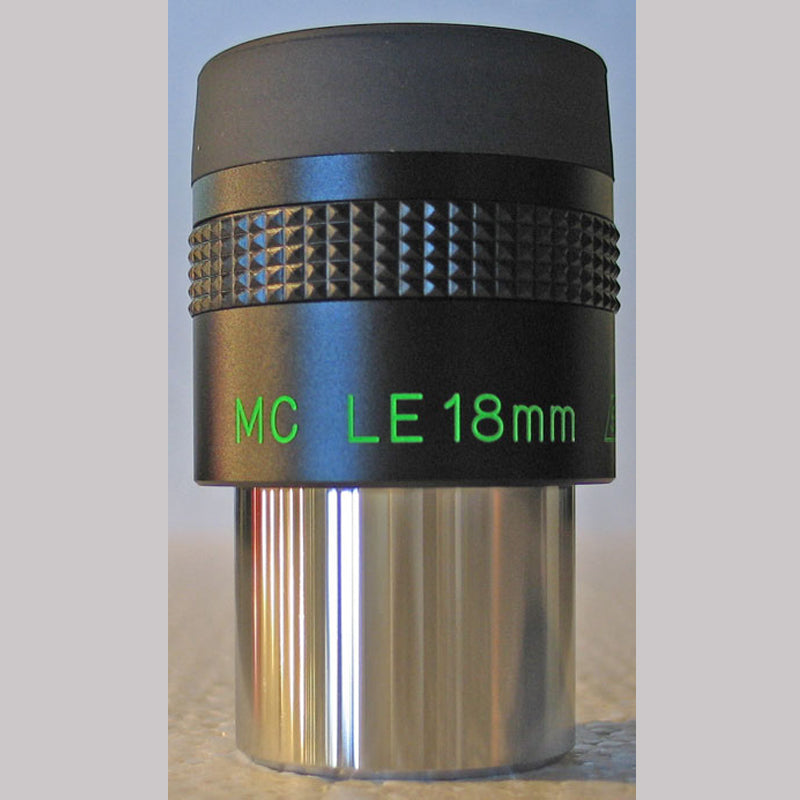

- Description
- Specifications

Product Overview
The Takahashi LE 18mm 1.25″ Eyepiece is an 18 mm, 1.25″ eyepiece from Takahashi's LE series, part number TKA00523. It has a 52° apparent field and 11 mm of eye relief, with ED glass and multi-coated optics for light transmission and colour correction. Takahashi America positions it as an eyepiece for planetary observing.
Who It's For
This is a good match if you observe visually and want a mid-power 1.25″ eyepiece for planets and the Moon.
Key Features & Design
- 18 mm focal length, 52° apparent field.
- 11 mm eye relief.
- ED glass with multi-coatings: for light transmission and colour correction.
Recommended Uses
- Planetary and lunar observing at moderate magnification.
Compatibility and Accessory Notes
Fits any 1.25″ eyepiece holder or diagonal.
Good to Know Before You Order
- Visual use: an eyepiece for observing, not for camera projection.
- Help choosing: contact us with your telescope model and the parts you already have, and we will confirm the right part with Takahashi before you order.
Frequently Asked Questions
Is it difficult to set up?
No — it drops into a standard 1.25″ eyepiece holder or diagonal.
What magnification will it give?
Divide your telescope's focal length by 18. On an 800 mm telescope it gives about 44×.
Can you help me choose?
Yes. Contact us with your telescope, mount and the rest of your setup, and we will confirm this is the right Takahashi part before you order.
Bottom Line
In short: an 18 mm, 52° Takahashi LE eyepiece with ED glass and 11 mm eye relief, aimed at planetary observing.
| Manufacturer | Takahashi |
|---|---|
| Part number | TKA00523 |
| Focal length | 18 mm |
| Barrel | 1.25″ |
| Apparent field | 52° |
| Eye relief | 11 mm |
| Glass | ED |
| Coatings | Multi-coated |
| Weight | Not published by vendor |
You may also like
Recently viewed
Recent Blog Posts
View all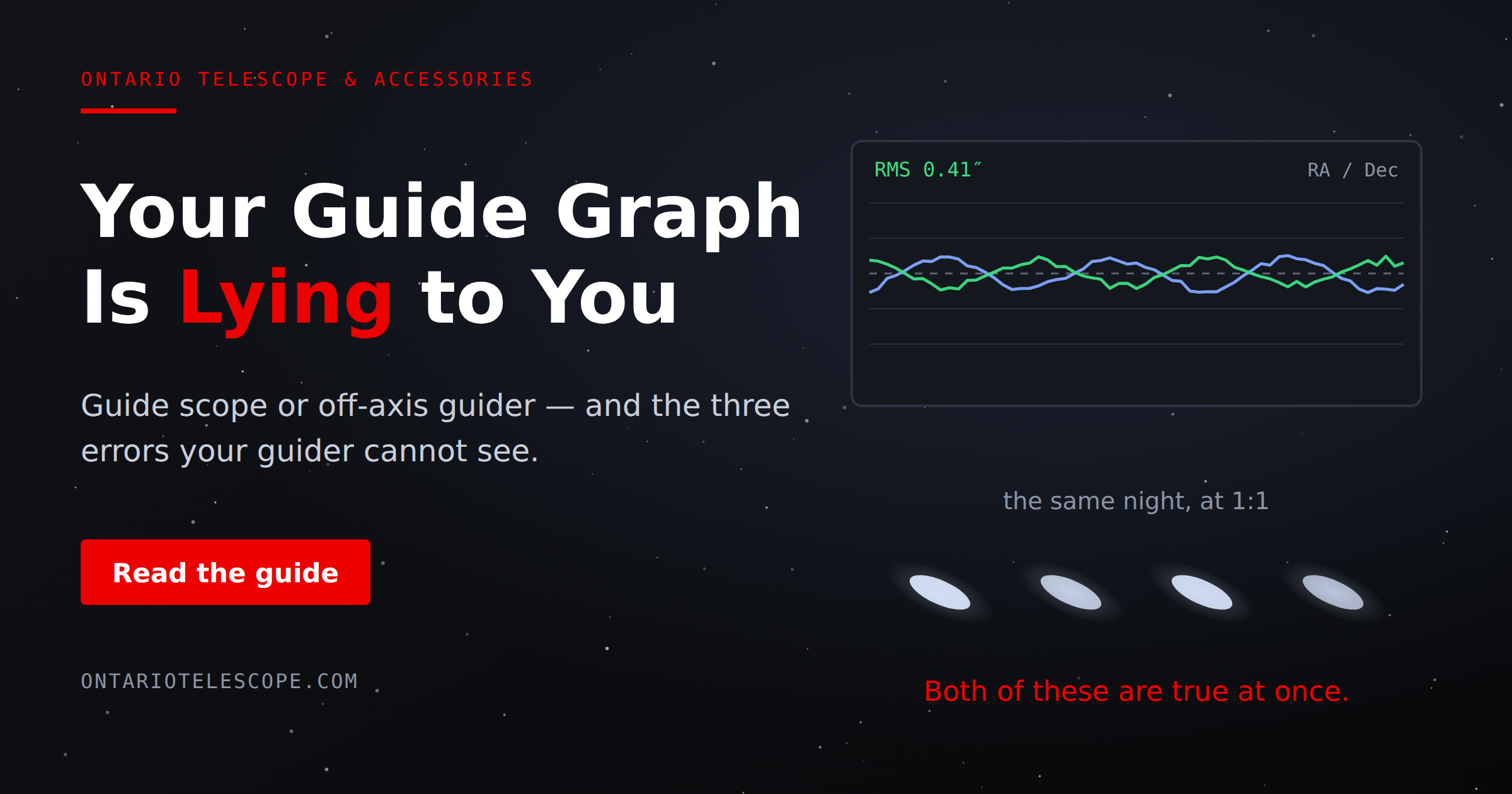
Your Guide Graph Is Lying to You
Read More
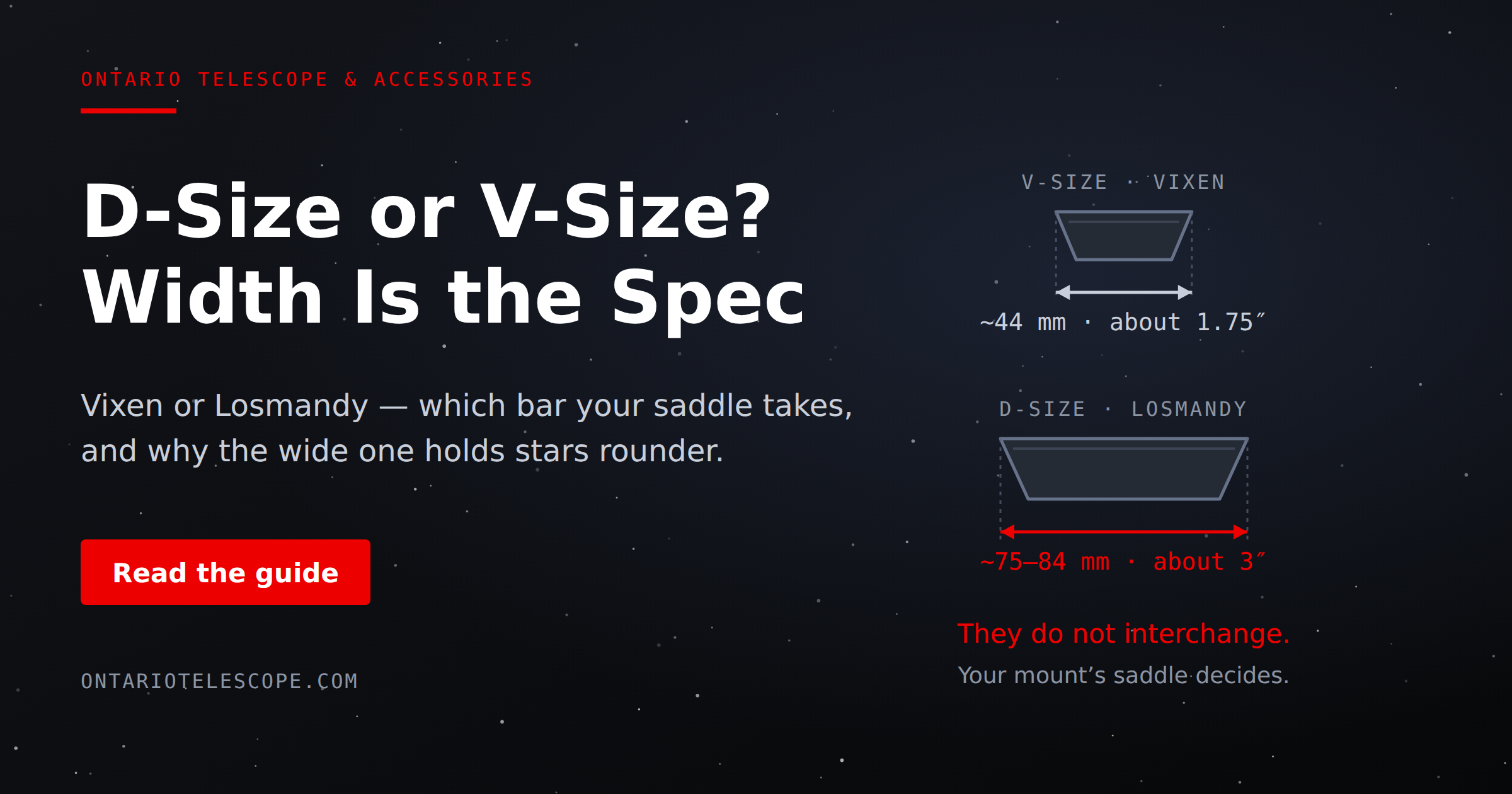
D-Size vs V-Size: A Complete Guide to Telescope Dovetail Systems
Read More
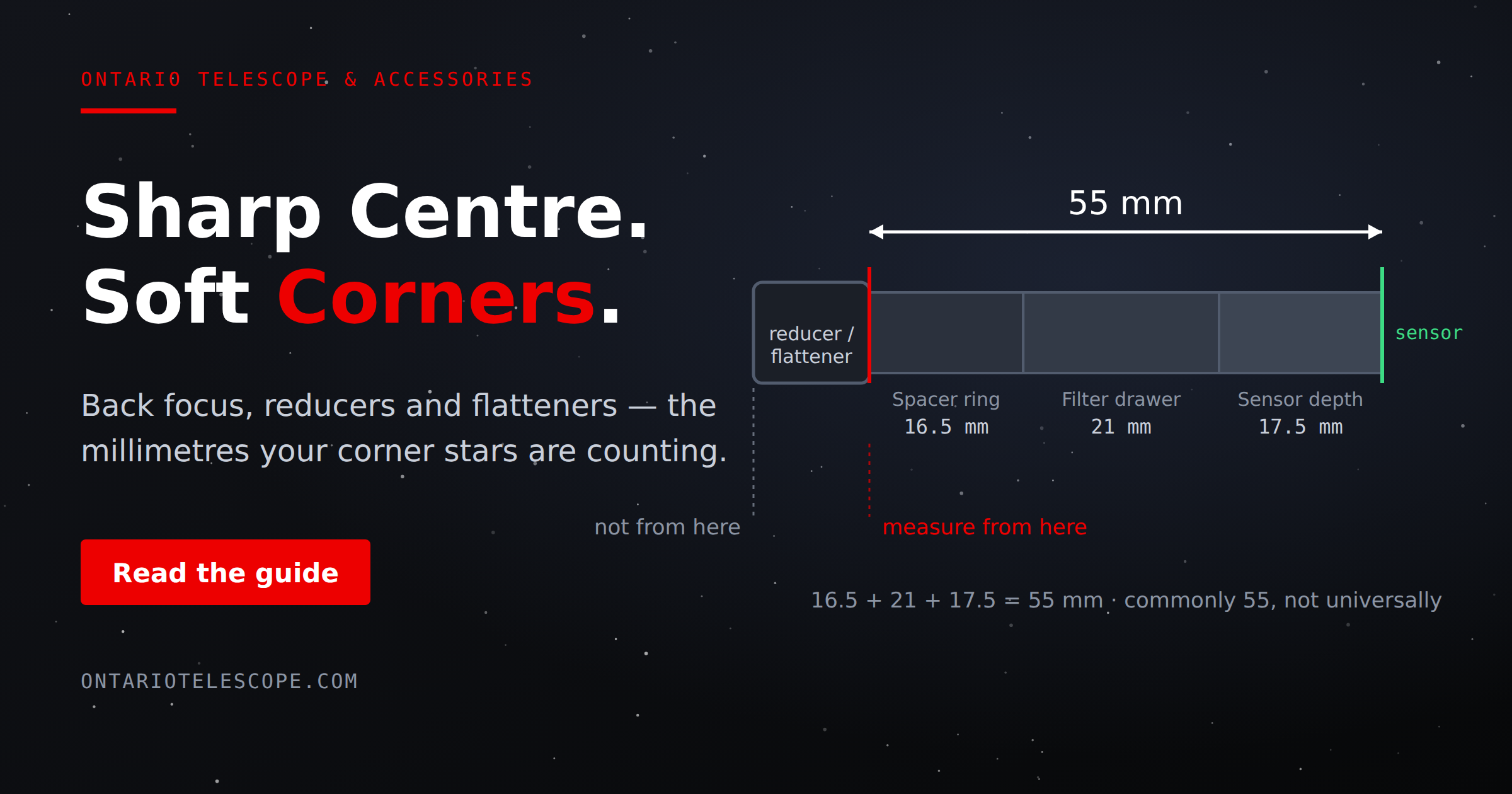
What Is Back Focus in Astrophotography? Telescope Reducers, Flatteners, and Spacing Explained
Read More