


- Description
- Specifications
- Downloads
Product Overview
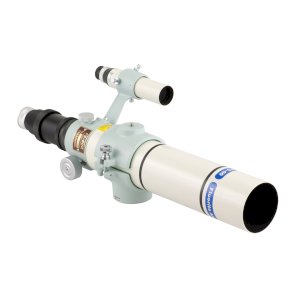
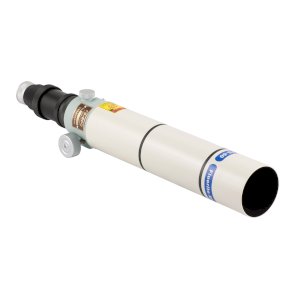
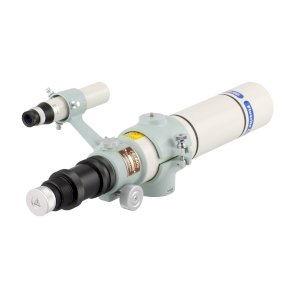
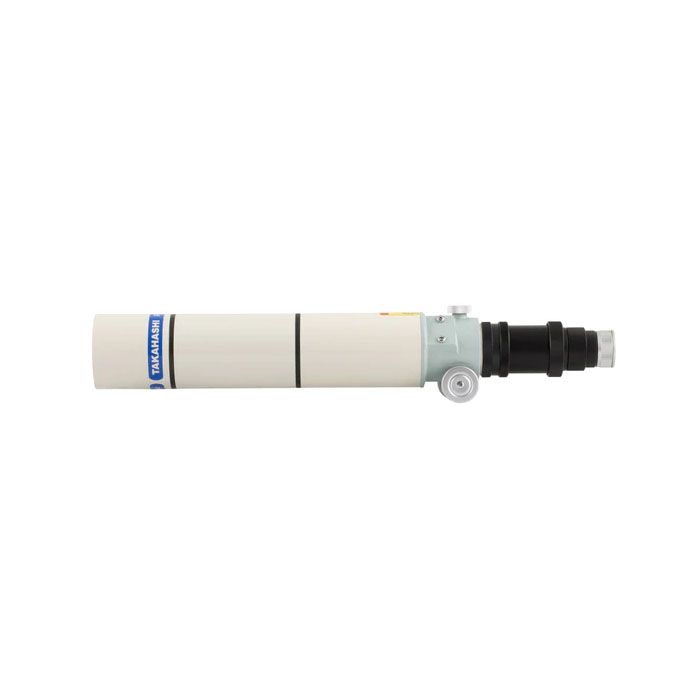
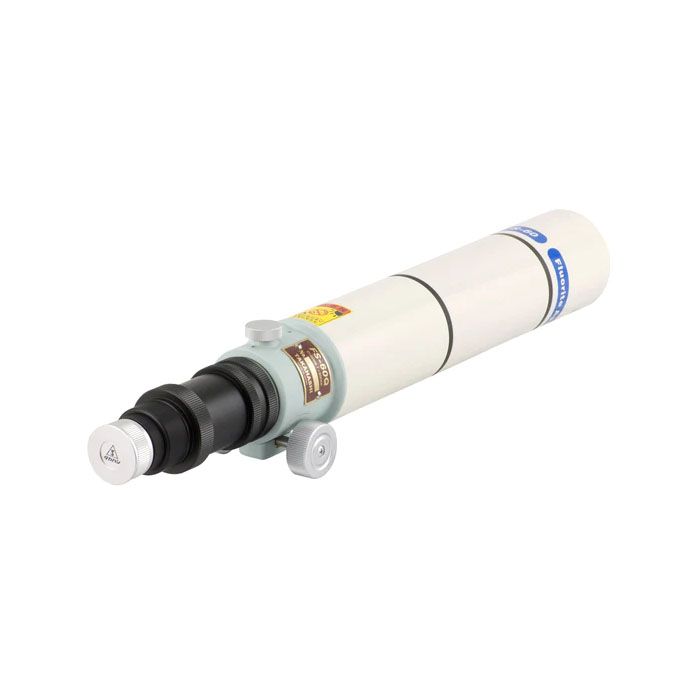
The FS-60Q is Takahashi's long-focal-length version of the FS-60 platform — the same 60 mm fluorite doublet as the FS-60CB, but with the EX CQ 1.7x extender permanently built into the optical path as a third and fourth element. The result is a 4-element, 3-group apochromat running natively at 600 mm and f/10, in a 550 mm tube weighing 1.4 kg. Where the CB is bought and reconfigured, the Q is bought already set up for reach.
Who It's For
This is a good match if you know you want the longer focal length rather than a modular tube you configure yourself — lunar and planetary observers who want more image scale from a 60 mm aperture, and imagers targeting smaller, brighter deep-sky objects where 600 mm suits the framing. It suits anyone who wants one dedicated configuration rather than swapping reducers and extenders between sessions.
Key Features & Design
- Fluorite quadruplet: four elements in three groups — the FS-60 doublet plus a built-in 1.7x extender group, rather than a separate accessory.
- 600 mm at f/10: native focal length and ratio, with a 44 mm corrected image circle.
- 158.4 mm of back focus: ample room for a diagonal, filter wheel or imaging train.
- Rack-and-pinion focuser with 30 mm of drawtube extension.
- 80 mm dew shield over an 80 mm tube.
- 1.4 kg: light enough for small equatorial and travel mounts even at this focal length.
Optical / Mechanical Design
The front two elements are the same air-spaced fluorite doublet used in the FS-60CB, and Takahashi has permanently mated the CQ 1.7x extender group behind it rather than leaving it as a separate accessory. That turns a 355 mm f/5.9 doublet into a 600 mm f/10 quadruplet with a corrected 44 mm image circle — image scale and reach that a 60 mm objective does not otherwise offer, without the secondary-spectrum penalty a plain Barlow would add at this aperture.
Fluorite's anomalous partial dispersion is what makes the front doublet capable of triplet-like colour correction from two elements, and the same hard multicoatings used across the FS-60 range protect the fluorite surface here. The 158.4 mm of back focus is generous for a scope this compact, which is what makes room for a full imaging train — filter wheel, off-axis guider, or a diagonal and eyepiece — without running out of focus travel.
Recommended Uses
- Lunar and planetary imaging: at 600 mm and f/10, more image scale than the FS-60CB's native 355 mm.
- Smaller deep-sky targets: planetary nebulae and galaxy cores that need more focal length than a wide-field refractor provides.
- High-power visual observing: lunar detail, double stars and planets with a diagonal and eyepiece.
- Guiding and dual-rig imaging: as a longer-focal-length second tube beside a wide-field imaging setup.
Compatibility and Accessory Notes
The FS-60Q's back focus and image circle are published on Takahashi's own system chart, included in the Downloads tab, along with the adapters and distances for a visual or imaging train. Our Takahashi Back Focus Guide collects the same figures for the whole FS-60 range in one table.
- Back focus: 158.4 mm, measured from the rear of the focuser to the focal plane.
- Image circle: 44 mm, corrected.
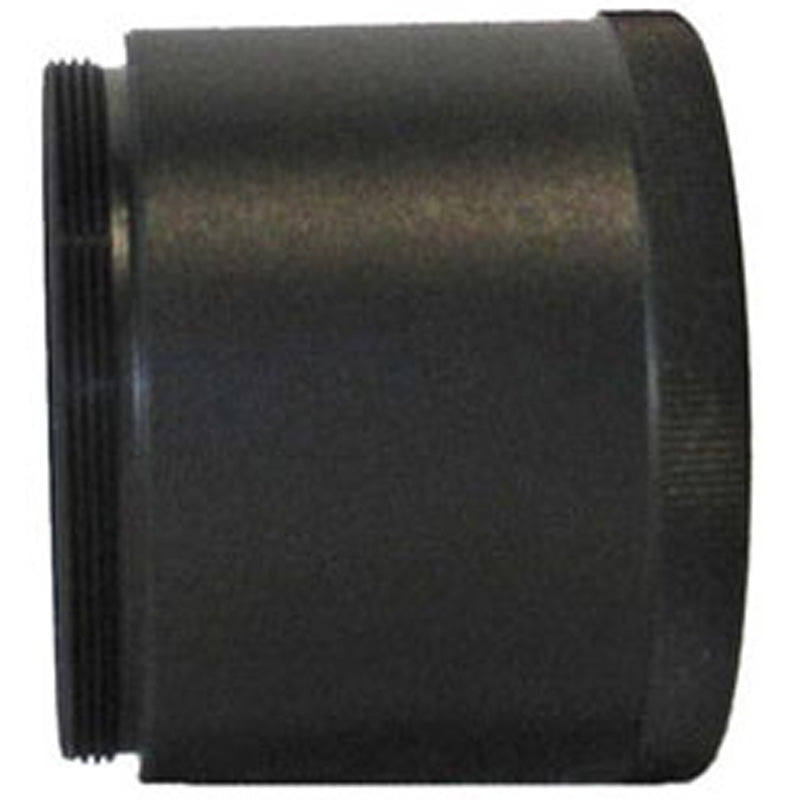
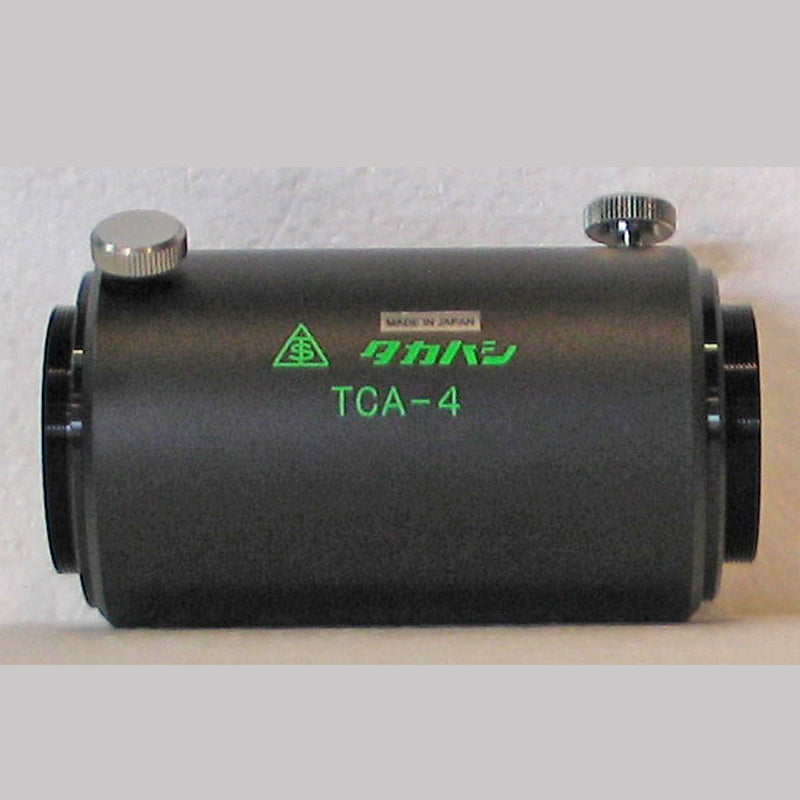
- Visual train: a 1.25-inch or 2-inch diagonal and eyepiece attach through the matching Takahashi visual adapter.
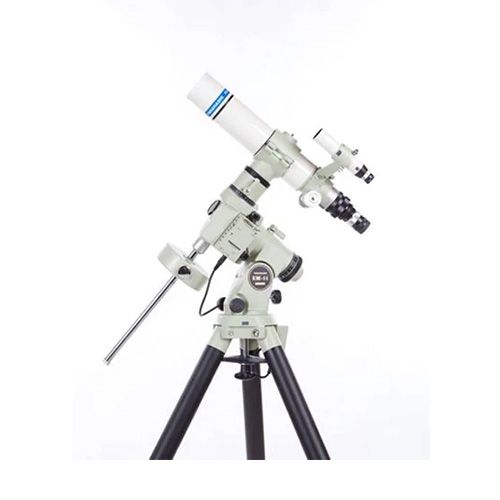
- Mount: sold as an OTA — no mount, rings or dovetail included. At 1.4 kg it suits small equatorial and travel mounts once a camera or diagonal is added.
- Finder and rings: tube rings, a dovetail plate and a finder bracket are separate purchases.
If you are not sure whether your camera and filter setup will reach focus, send us the details and we will work it out with you.
Good to Know Before You Order
- This is an optical tube assembly. Mount, tripod, rings, dovetail, diagonal, eyepiece and finder are sold separately.
- The extender is built in, not removable. Unlike the FS-60CB with an accessory extender, the FS-60Q's 1.7x group is a permanent part of the optical path — there is no shorter native configuration on this tube.
- 60 mm is 60 mm. Resolution and light gathering follow the aperture; the FS-60Q's advantage is focal length and image scale, not more light.
Frequently Asked Questions
Is it difficult to set up?
No — at prime focus it is a diagonal and eyepiece and you are observing, or a camera and the published back focus for imaging. Takahashi's system chart in the Downloads tab lists the adapters and distances.
What is it best used for?
Lunar and planetary observing and imaging, and smaller deep-sky targets that benefit from 600 mm of focal length over a wide-field refractor.
What is the difference between the FS-60Q and the FS-60CB?
The FS-60Q is built with the CQ 1.7x extender permanently in the optical path — 600 mm at f/10 instead of the CB's native 355 mm at f/5.9. The CB reaches the same 600 mm configuration with an accessory extender; the Q is bought already set up for it.
Does it need a flattener for astrophotography?
The quadruplet design already delivers a corrected 44 mm image circle at 600 mm without an additional flattener.
Will it work on a star tracker or small mount?
At 1.4 kg the tube itself is light, though 600 mm of focal length asks more of tracking accuracy than a wide-field scope does. Tell us which mount you are using and we will confirm the fit.
Bottom Line
In short: a 60 mm fluorite quadruplet apochromat running natively at 600 mm and f/10, with a corrected 44 mm image circle and 158.4 mm of back focus, in a 1.4 kg tube built for lunar, planetary and small-target work.
| Optical design | 4 elements in 3 groups, fluorite apochromat (doublet objective + integrated 1.7x extender) |
|---|---|
| Aperture | 60 mm |
| Focal length | 600 mm |
| Focal ratio | f/10.0 |
| Image circle | Φ44 mm |
| Back focus | 158.4 mm |
| Tube length | 550 mm |
| External diameter | 80 mm |
| Dew shield diameter | 80 mm |
| Focuser | Rack-and-pinion, 30 mm drawtube extension |
| Weight | 1.4 kg |
| Supplied as | Optical tube assembly only — no mount, rings, diagonal or eyepiece |
Shopping Guide
- Takahashi English Catalog 2025 — PDF, 8.63 MB
System Charts, Diagrams and Adapter Guides
- FS-60Q Photo & Visual System Chart — PDF, application/pdf
- Takahashi Telescope Backfocus Table — PDF, 71 kB
Manuals
You may also like
Recently viewed
Recent Blog Posts
View all
Your Guide Graph Is Lying to You
Read More
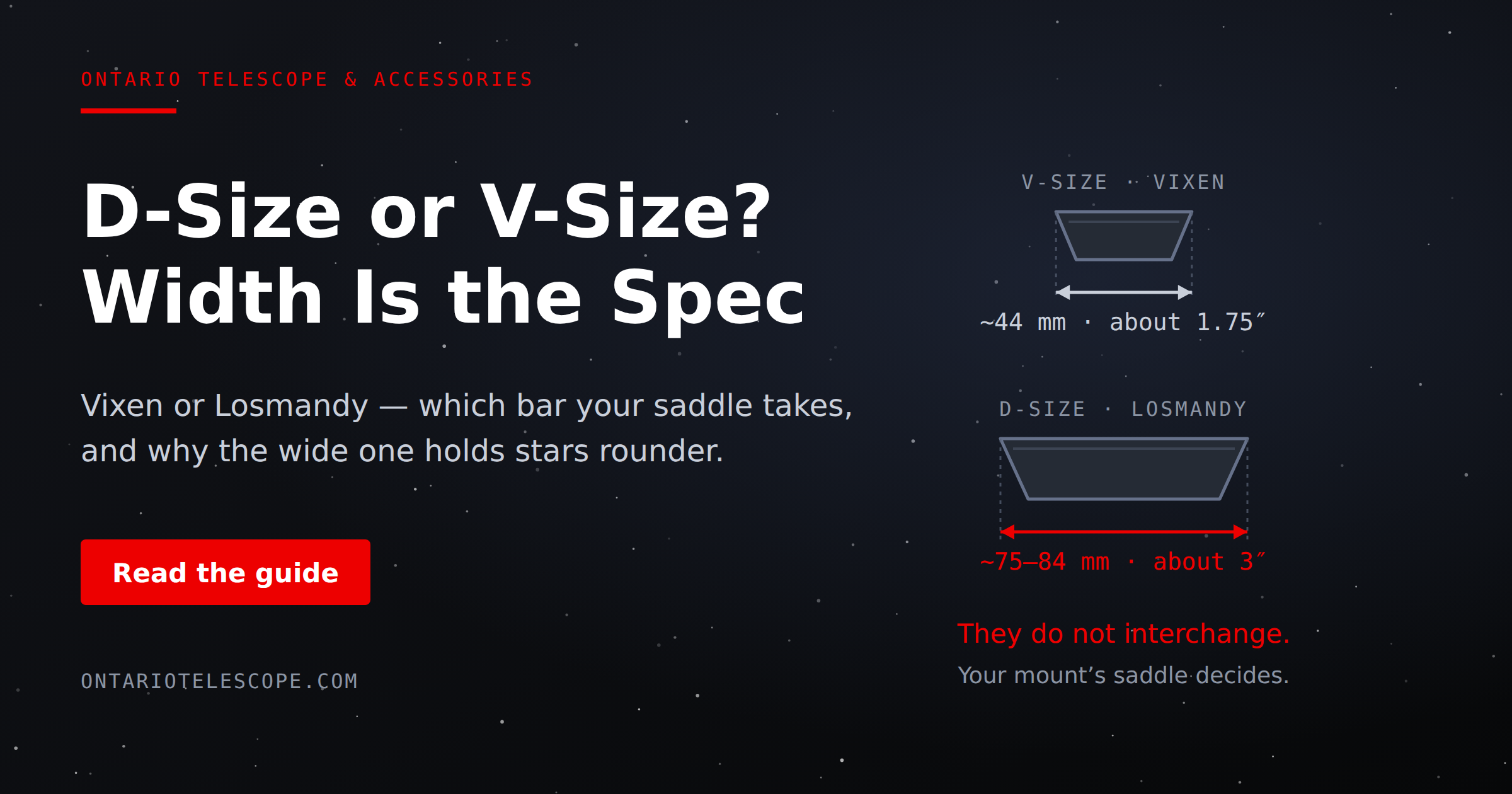
D-Size vs V-Size: A Complete Guide to Telescope Dovetail Systems
Read More
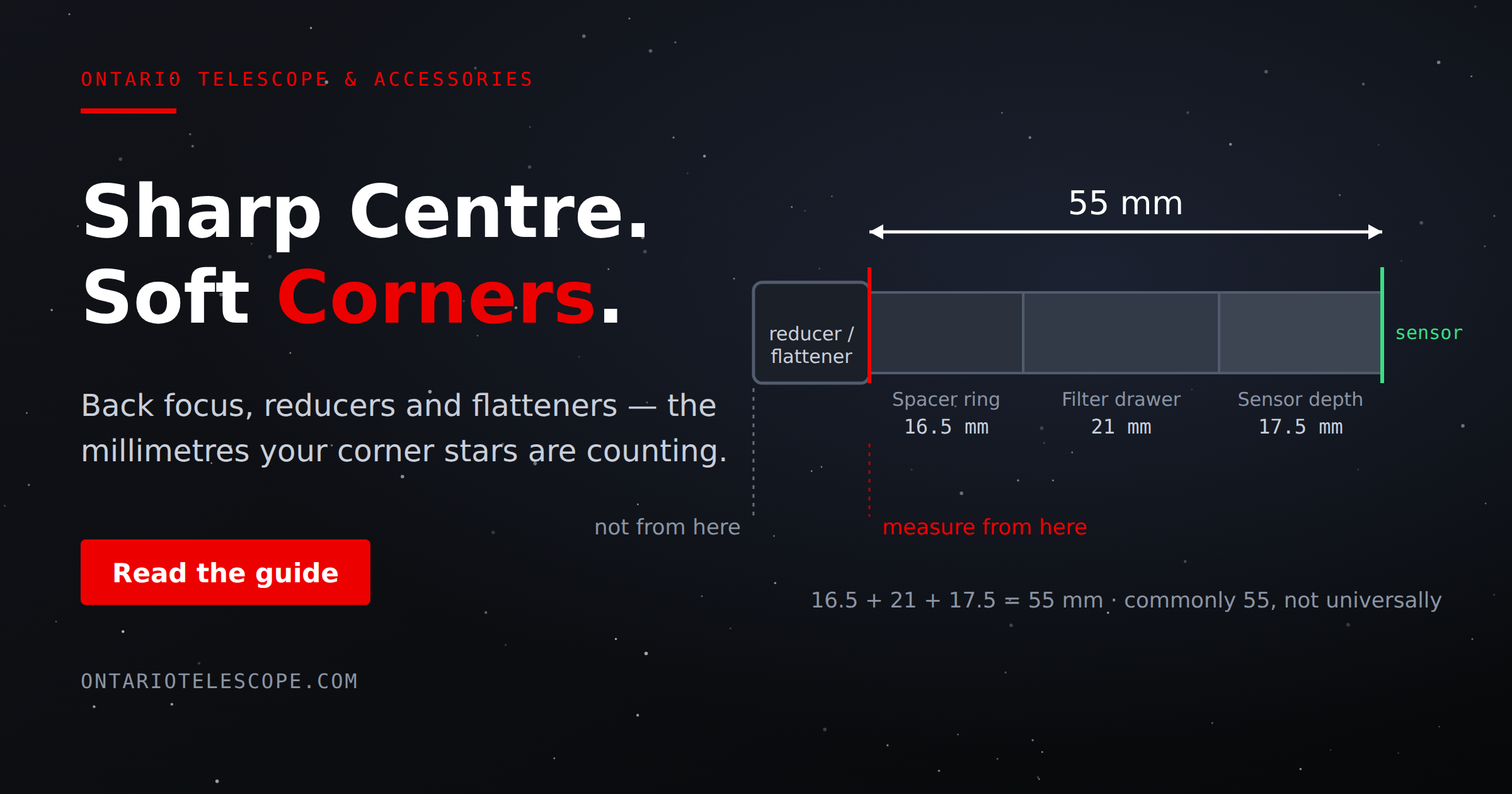
What Is Back Focus in Astrophotography? Telescope Reducers, Flatteners, and Spacing Explained
Read More