


- Description
The variable spacer / extension ring has been redesigned to minimize flex and enables you fine tune the exact distance you require between camera and flattener or filter holders, etc.
Useful in astronomy and microscopy for precisely adjusting the spacing between optics and camera sensors to get the best image.
Spacing distance can be adjusted precisely, measured between the two surfaces shown in the product image. Once adjusted, it's then locked in position with the locking ring.
- Heavy-duty construction to control flex in the imaging train.
- Easy-Grip knurled ring for easier loosening / tightening.
- Male and female T2 M42x0.75 thread on each end compatible with most camera accessories.
- The spacer can be "stacked" with other T2 fixed or variable spacers in the range to achieve the exact distance you require between camera and optics.
- Compatible with T2 DSLR Adapters.
You may also like
Recently viewed
Recent Blog Posts
View all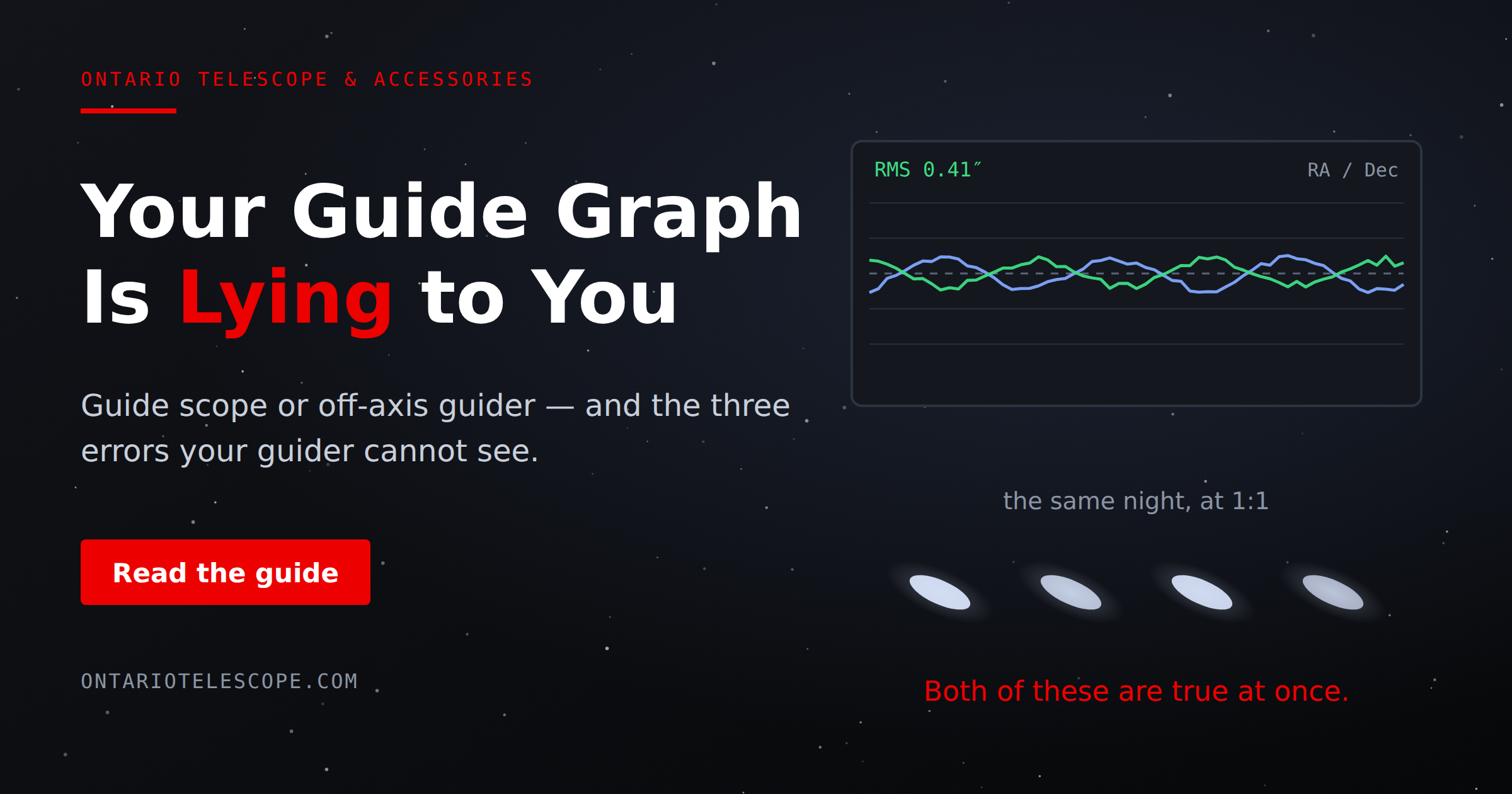
Your Guide Graph Is Lying to You
You drove ninety minutes to dark sky, PHD2 held 0.4 arcseconds all night, and half your subs still have eggs for stars. Here are the three things your
Read More
Read More
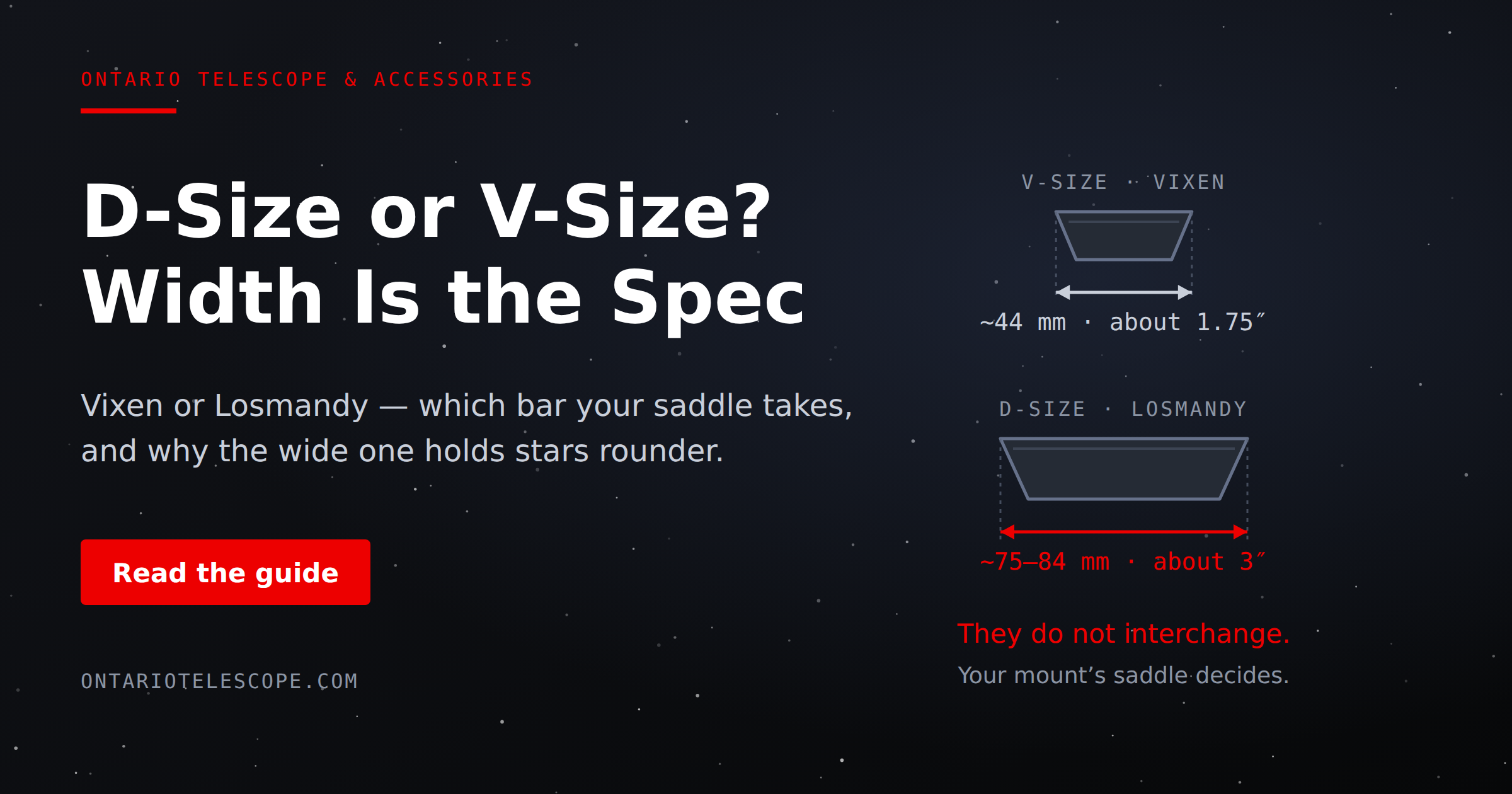
D-Size vs V-Size: A Complete Guide to Telescope Dovetail Systems
What's the difference between D-size and V-size telescope dovetails? Here's everything you need to know.
Read More
Read More
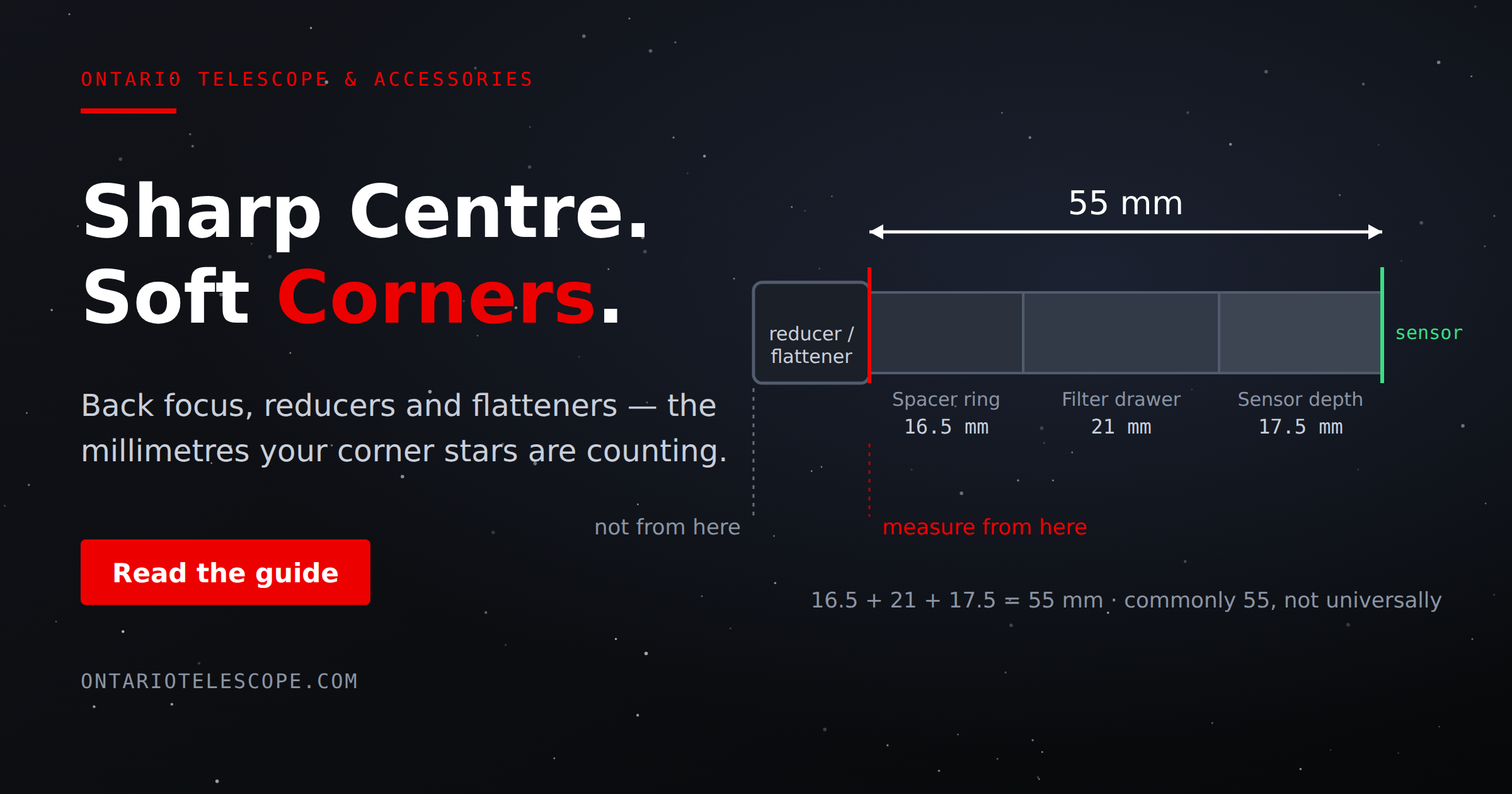
What Is Back Focus in Astrophotography? Telescope Reducers, Flatteners, and Spacing Explained
What Is Back Focus in Astrophotography? Telescope Reducers, Flatteners, and Spacing Explained
Back focus is one of those astrophotography terms that c
Read More
Read More