
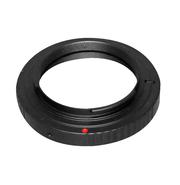

- Description
A T-Ring is one of the first accessories you will need if you want to take pictures through a telescope or spotting scope. If you have a Nikon SLR or DSLR camera body, the Celestron Nikon T-Ring is the one for you.
In order to use the Nikon T-Ring, remove the lens from your camera, and attach the T-ring in its place, just as you would if you were mounting a lens. The telescope side of the t-ring has threads that will accept a variety of camera adapters, including the Celestron T-Adapter or Tele-Extender. The adapter you choose depends on the type of photography you wish to do.
You can take pictures of terrestrial and/or celestial scenes by using a simple T-Adapter to turn your telescope or spotting scope into a large telephoto lens. The #93633-A T-Adapter is the best choice if you own a Schmidt-Cassegrain telescope with standard rear cell threads. If you have a refractor, the Universal T-Adapter (#93625), with its 1-1/4 barrel insert, is available. There are also special T-Adapters for the EdgeHD optical system: one for the 8-inch EdgeHD (#93644) and one for the 9.25, 11, and 14-inch EdgeHD (#93646).
Prime focus photography is popular for short exposure images of terrestrial objects as well as celestial objects like the Moon.
If you need extra magnification beyond that which your Schmidt-Cassegrain telescope provides, a Tele-Extender (#93643) will allow you to insert an eyepiece inside the barrel before attaching it to the telescope. A Tele-Extender is used most often for high power images of the Moon and the planets.
You may also like
Recently viewed
Recent Blog Posts
View all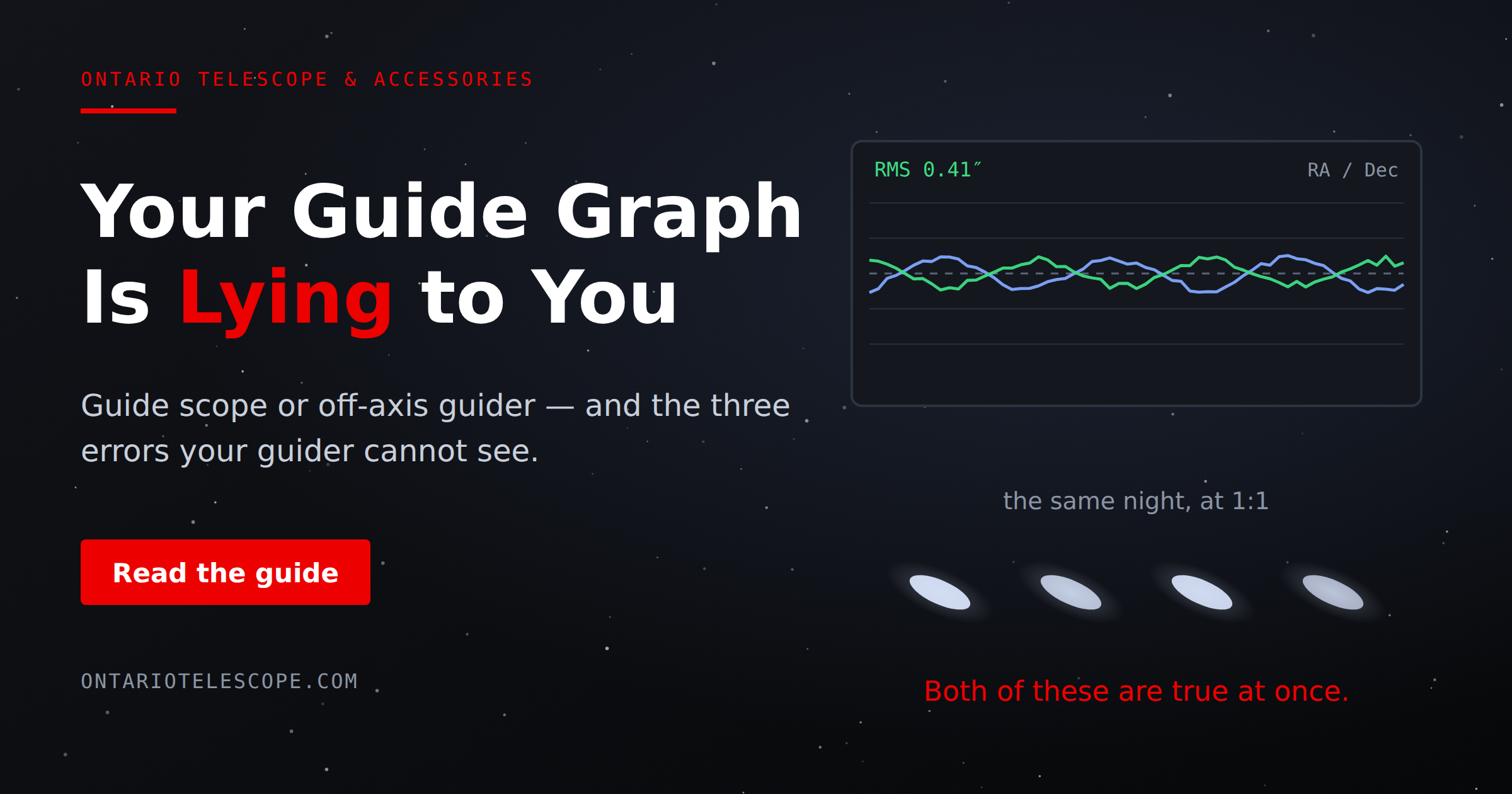
Your Guide Graph Is Lying to You
Read More
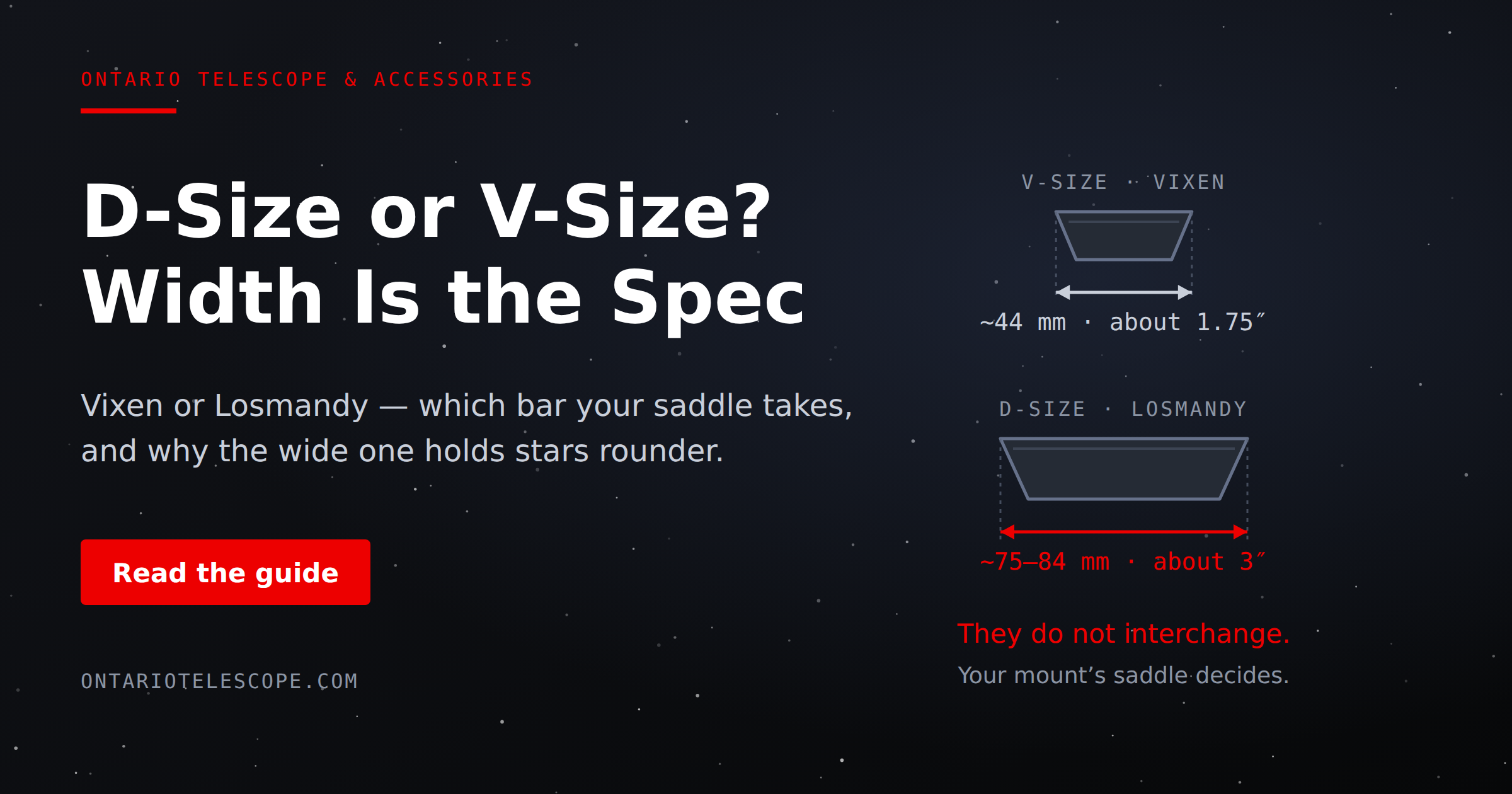
D-Size vs V-Size: A Complete Guide to Telescope Dovetail Systems
Read More
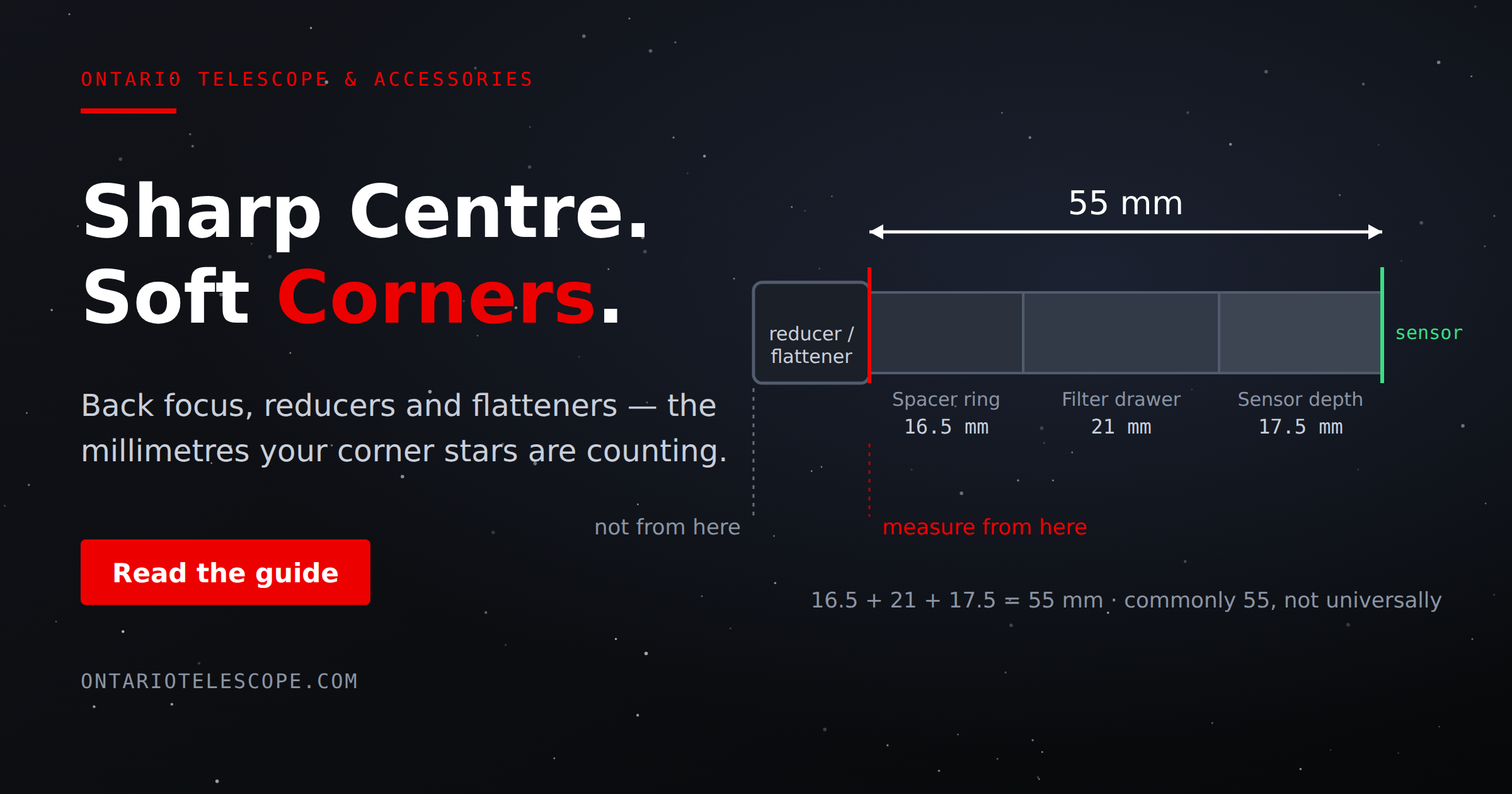
What Is Back Focus in Astrophotography? Telescope Reducers, Flatteners, and Spacing Explained
Read More