
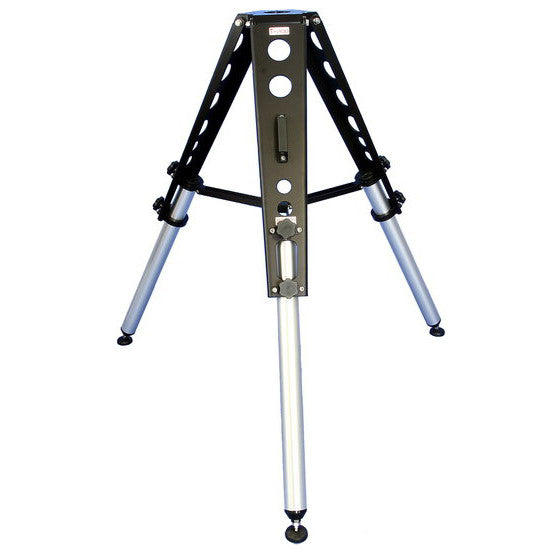


- Description
- Specifications
Made entirely from anodized aluminum with stainless steel hardware, the low weight and high stability of this tripod make him the ideal companion for traveling observers and Astro-photographers. Although T-pod 110 weighs only 6,9 Kg (15,50 pounds) and collapses to just of 71,5 cm (28,1 inches) his load capacity is approximately 100 kg (220 pounds).
EASY TO OPEN, EASY TO TRANSPORT
T-Pod is really easy to transport thanks to a simple and comfortable handle. The T-90, T-110, and T-130 tripods continue Avalon’s tradition of cutting-edge design and top performance in portable observing and Astro-imaging systems
- Highest quality anodized aluminum and stainless steel materials
- Excellent stability with minimal weight
- Small folded dimensions for easy transport
- Durability for a long life
- Easy transport with built-in handles and dedicated soft carrying bags
- Easy setup and takedown
The Product Includes:
- T-pod 110 Red
- T-pod 110 Bag
| T-Pod 110 Technical Data | |
| Dimension | Height min/max: 75/110 cm 30/43 inches |
| Weight | 6,9 Kg/15,50 lb |
| Capacity | 100 kg/220 lb |
| Construcion Material | anodized aluminum, stainless steel |
You may also like
Recently viewed
Recent Blog Posts
View all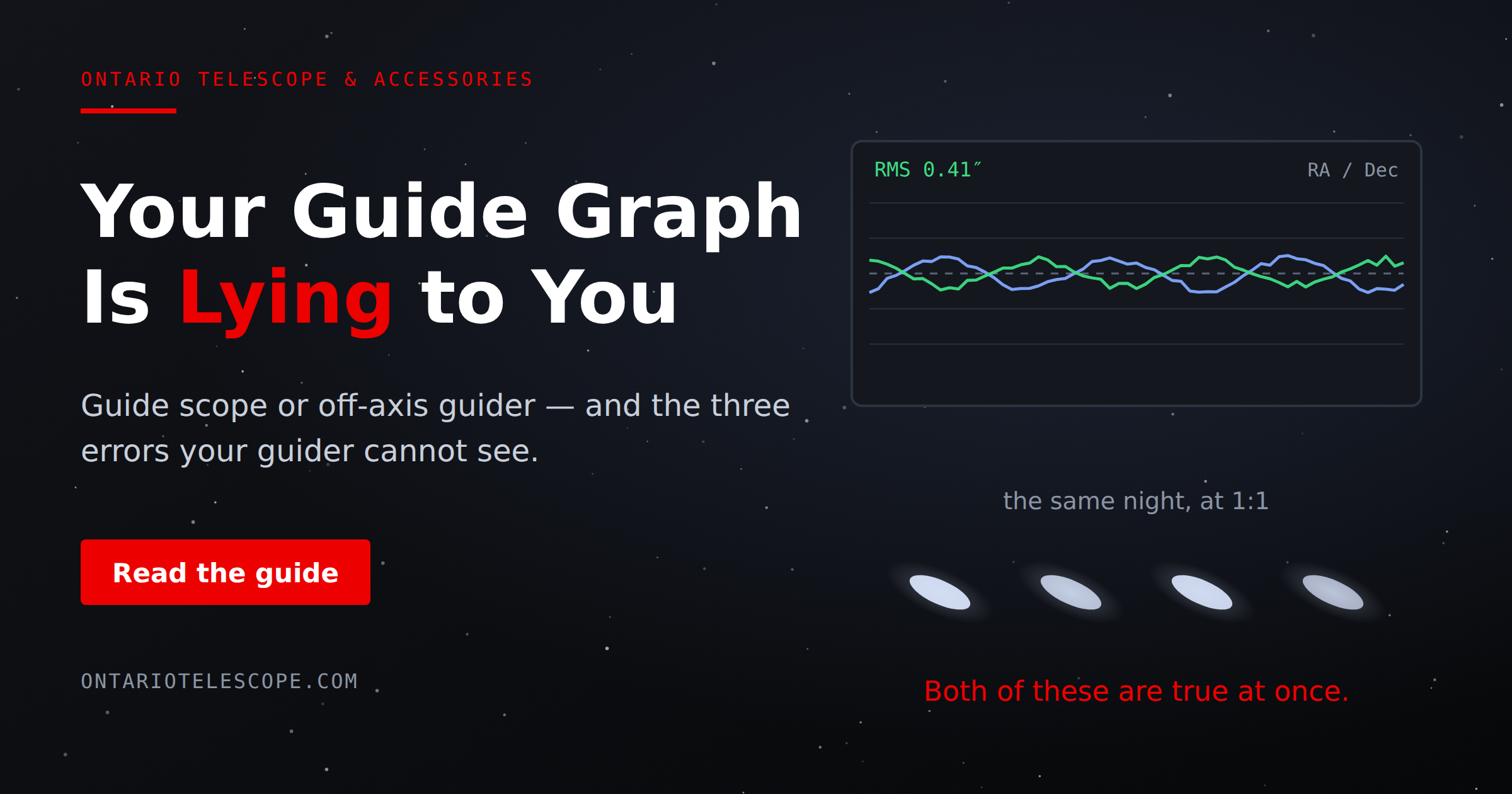
Your Guide Graph Is Lying to You
You drove ninety minutes to dark sky, PHD2 held 0.4 arcseconds all night, and half your subs still have eggs for stars. Here are the three things your
Read More
Read More
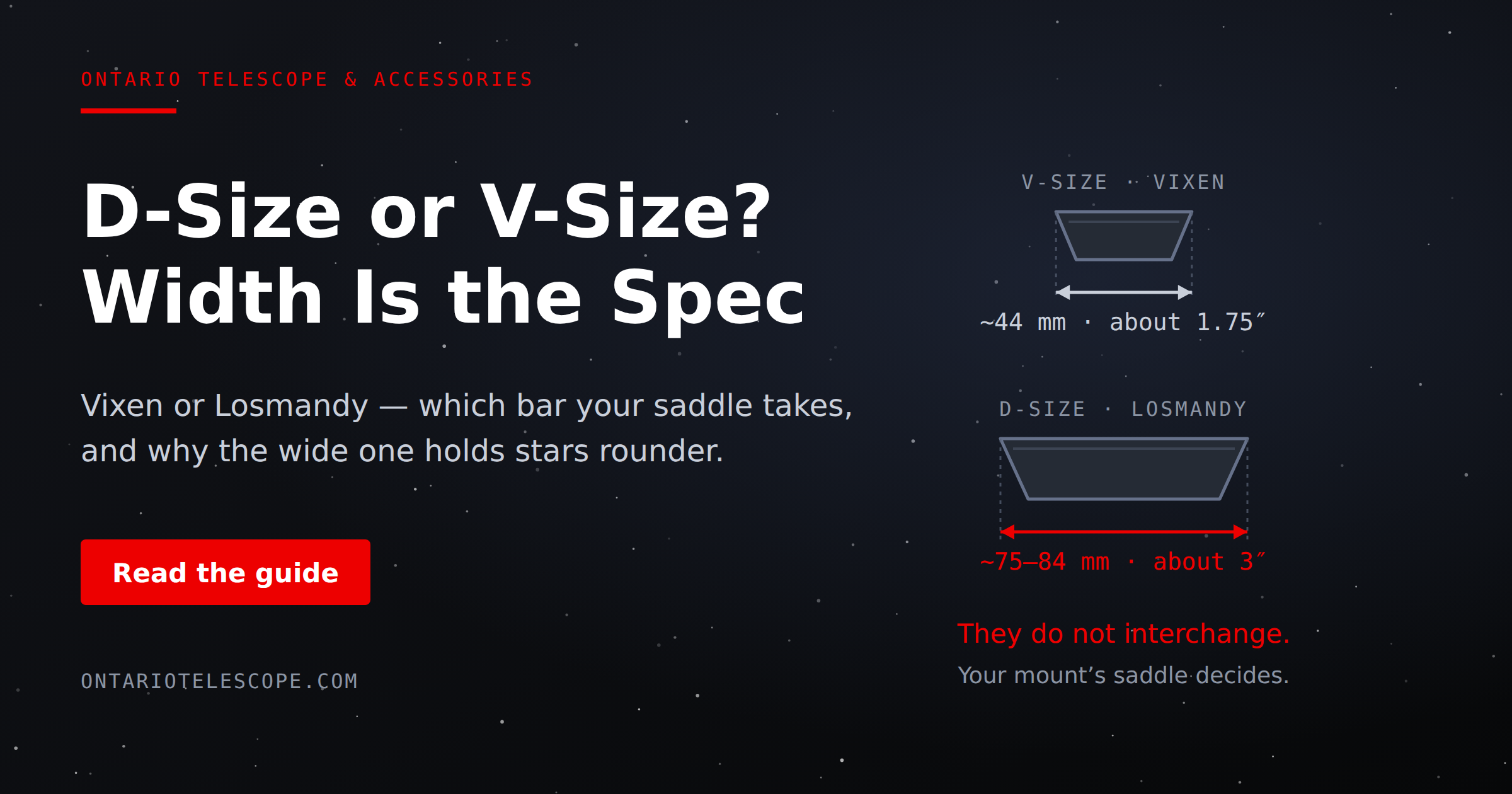
D-Size vs V-Size: A Complete Guide to Telescope Dovetail Systems
What's the difference between D-size and V-size telescope dovetails? Here's everything you need to know.
Read More
Read More
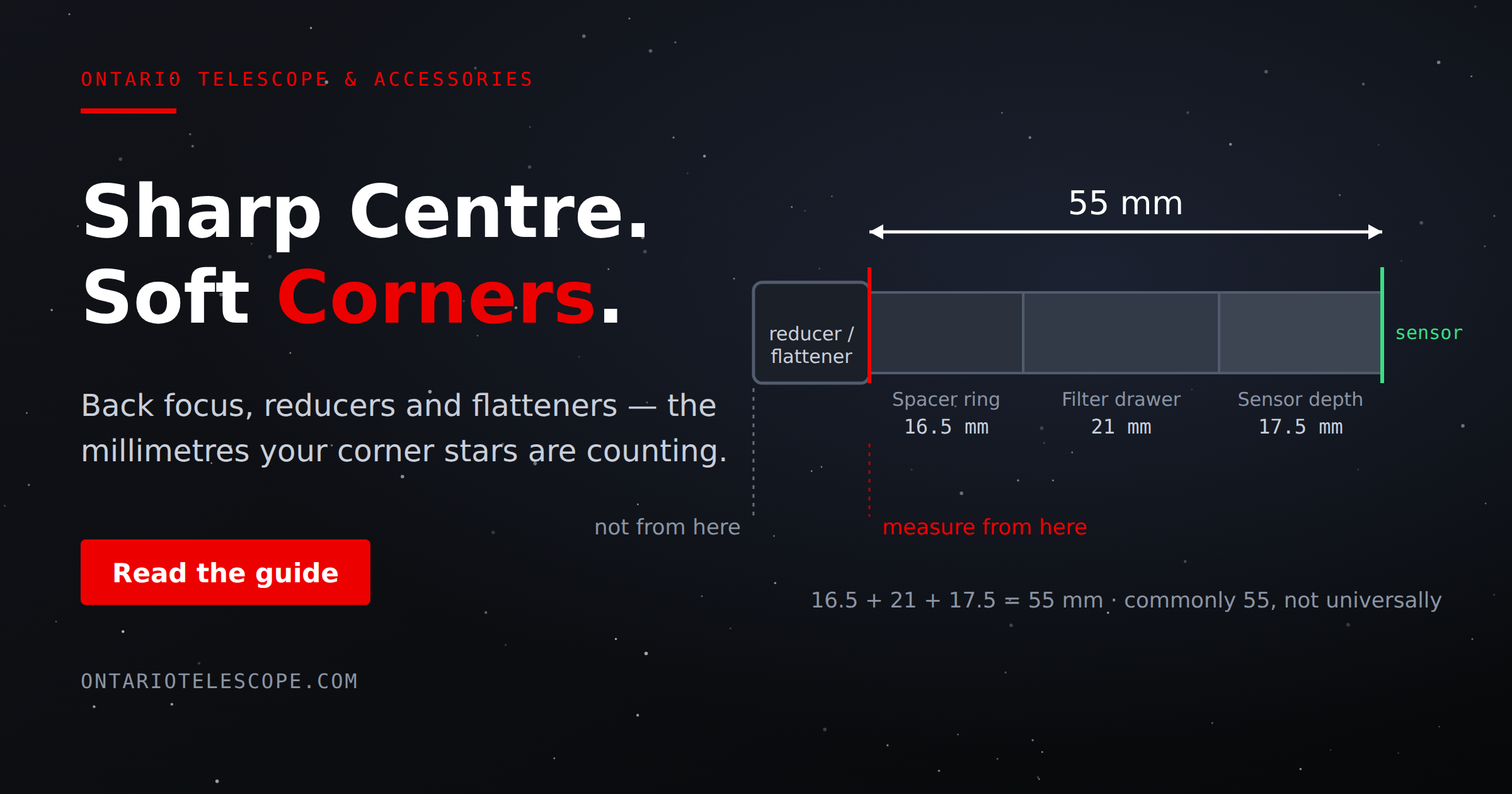
What Is Back Focus in Astrophotography? Telescope Reducers, Flatteners, and Spacing Explained
What Is Back Focus in Astrophotography? Telescope Reducers, Flatteners, and Spacing Explained
Back focus is one of those astrophotography terms that c
Read More
Read More