


- Description
- Specifications

Product Overview
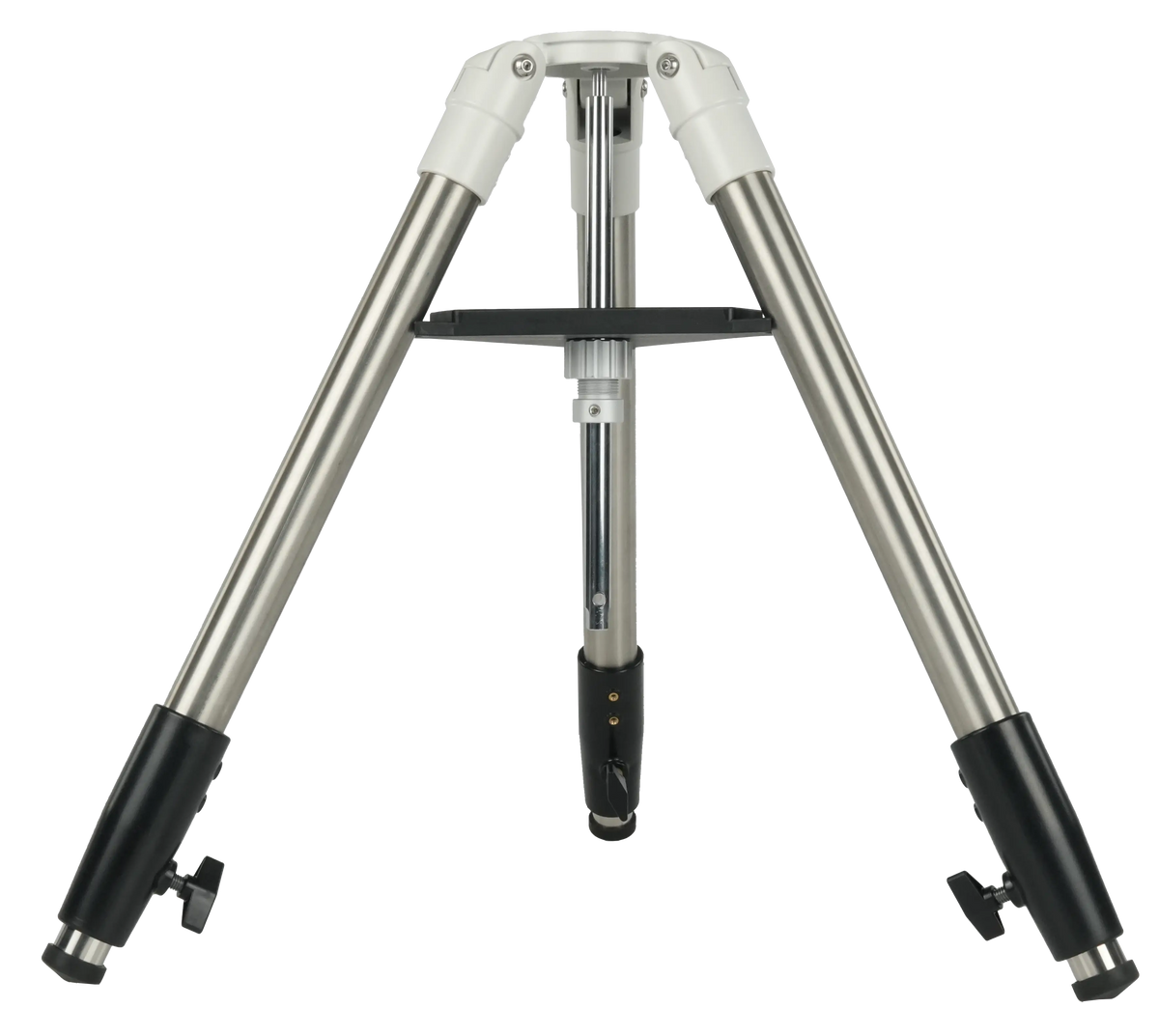
The SVBONY SV225T is an extendable aluminium-alloy tripod for small telescopes and alt-az mounts. Its legs have two telescoping sections with 32 mm tubes, it extends to 900 mm and folds to 500 mm, and it carries a mount on a 3/8-16 UNC screw. The tripod weighs 2263 g.

Who It's For
This is a good match if you need a light, compact tripod for the SVBONY SV225 alt-az mount or for a small refractor or Maksutov, or want a portable support that packs down for travel.
Key Features & Design
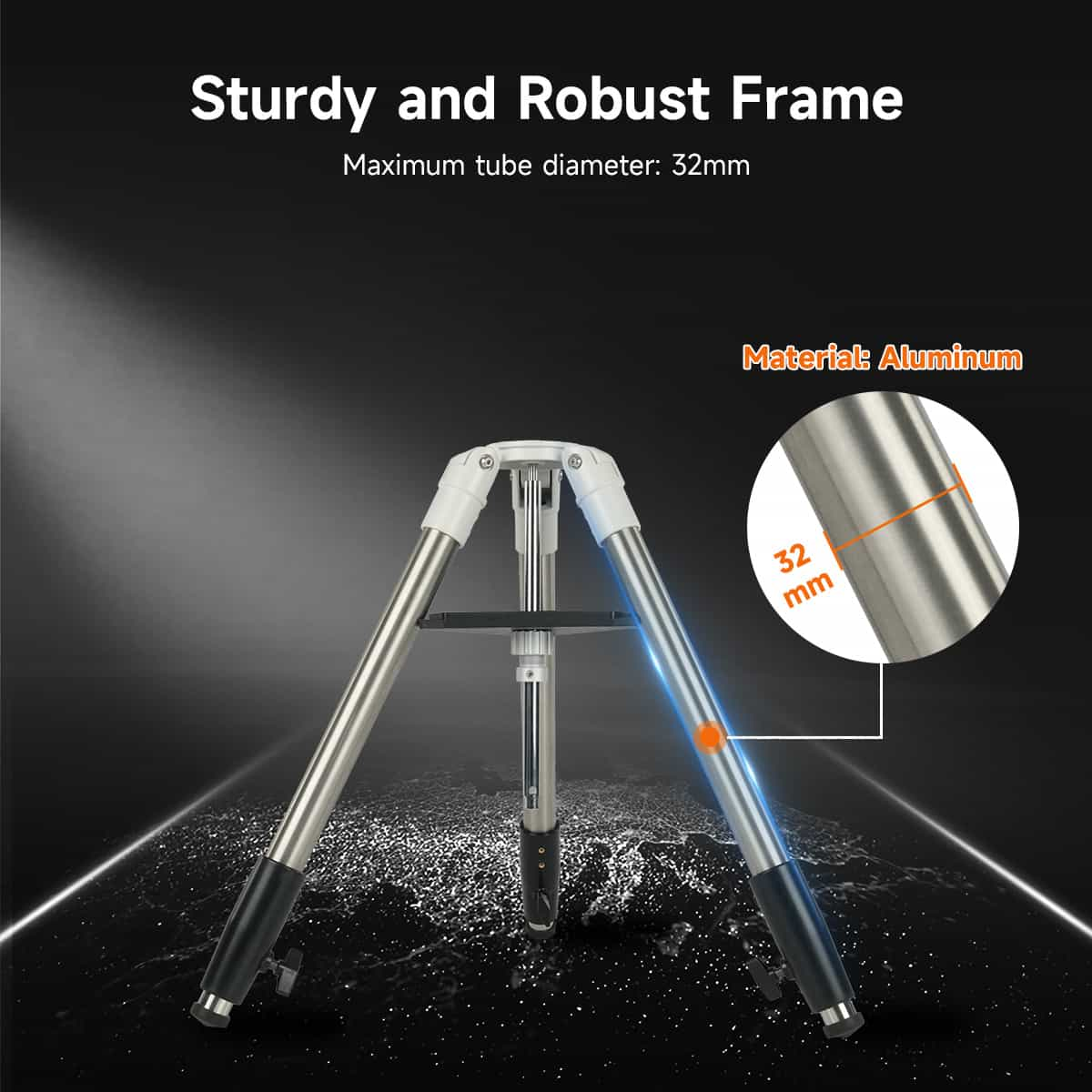
- Aluminium-alloy construction: 32 mm leg tubes on an 83 mm chassis.
- Two-stage telescopic legs: 900 mm maximum height, 500 mm folded.
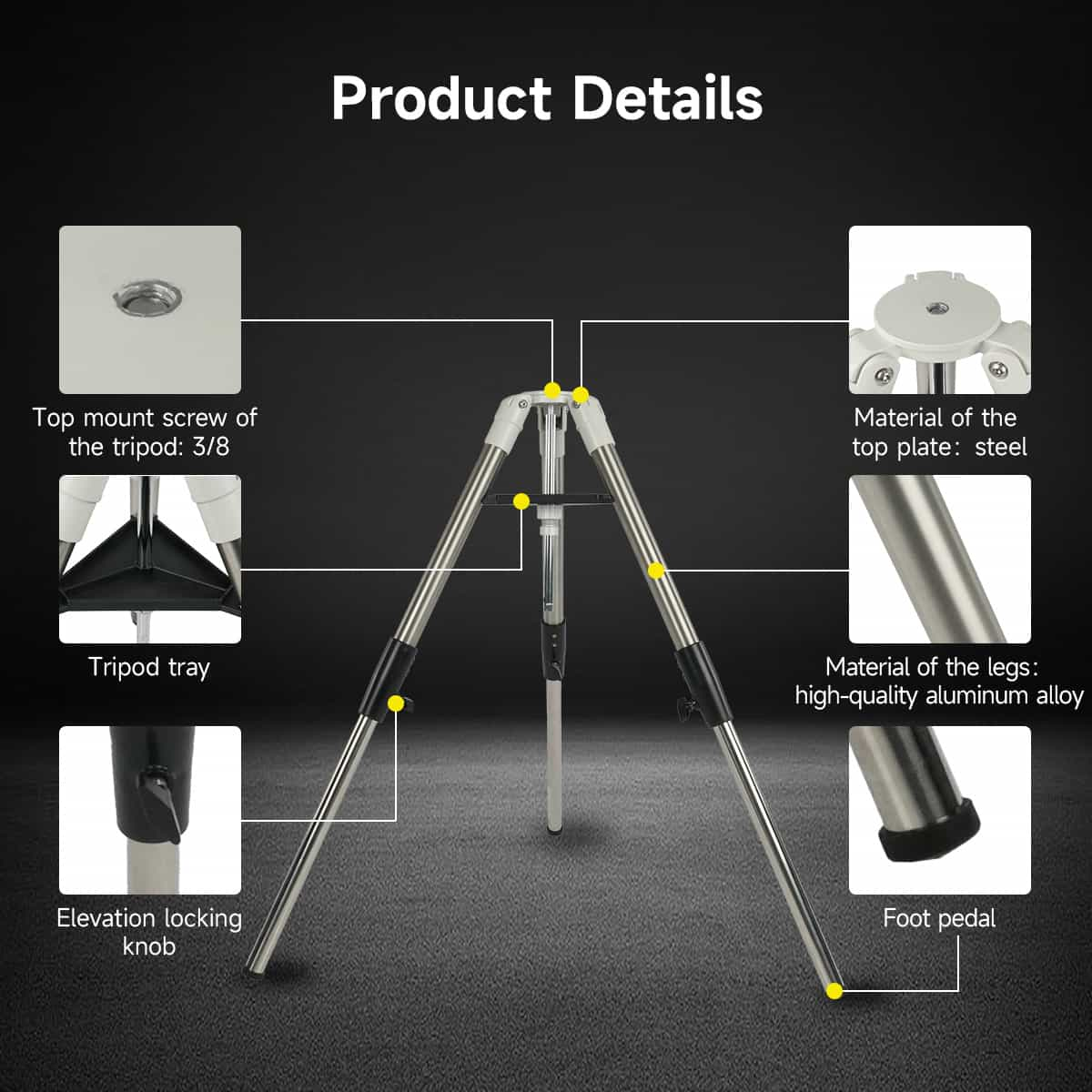
- 3/8-16 UNC mounting screw: the standard large thread used by telescope mounts and heavier camera heads.
- Rubberized feet: with a stone-protruding pattern for grip on varied ground.
- Tool-free setup with a level top platform.


Recommended Uses
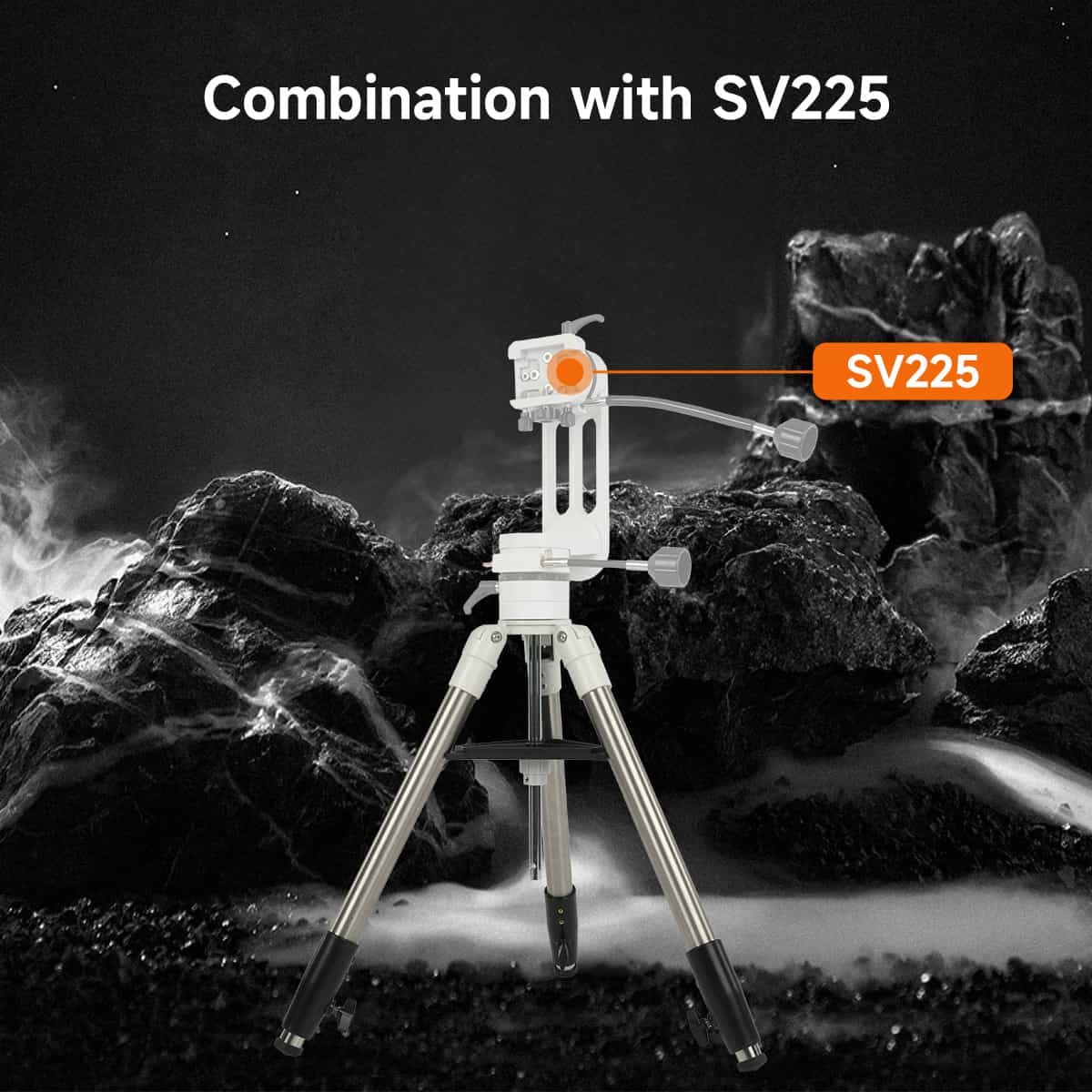
- Supporting the SVBONY SV225 alt-azimuth mount.
- Portable visual observing with small refractors and Maksutovs.
- Travel setups where folded length matters.
Compatibility and Accessory Notes
- SVBONY lists compatibility with: the SV225 alt-az mount, SV48P 90/102 refractors, MK90/105/127 Maksutov-Cassegrains and SV503 70/80 telescopes.
- Load guidance: SVBONY recommends it for telescopes up to 100 mm aperture and 3 kg self-weight.
- Thread: UNC 3/8-16 mounting screw.

Good to Know Before You Order
- Tripod only: a mount head is sold separately; the SV225 alt-az mount is also available as a set with this tripod.
- Height: the 900 mm maximum height suits seated observing or refractors with a star diagonal; taller observers may prefer a seated position.
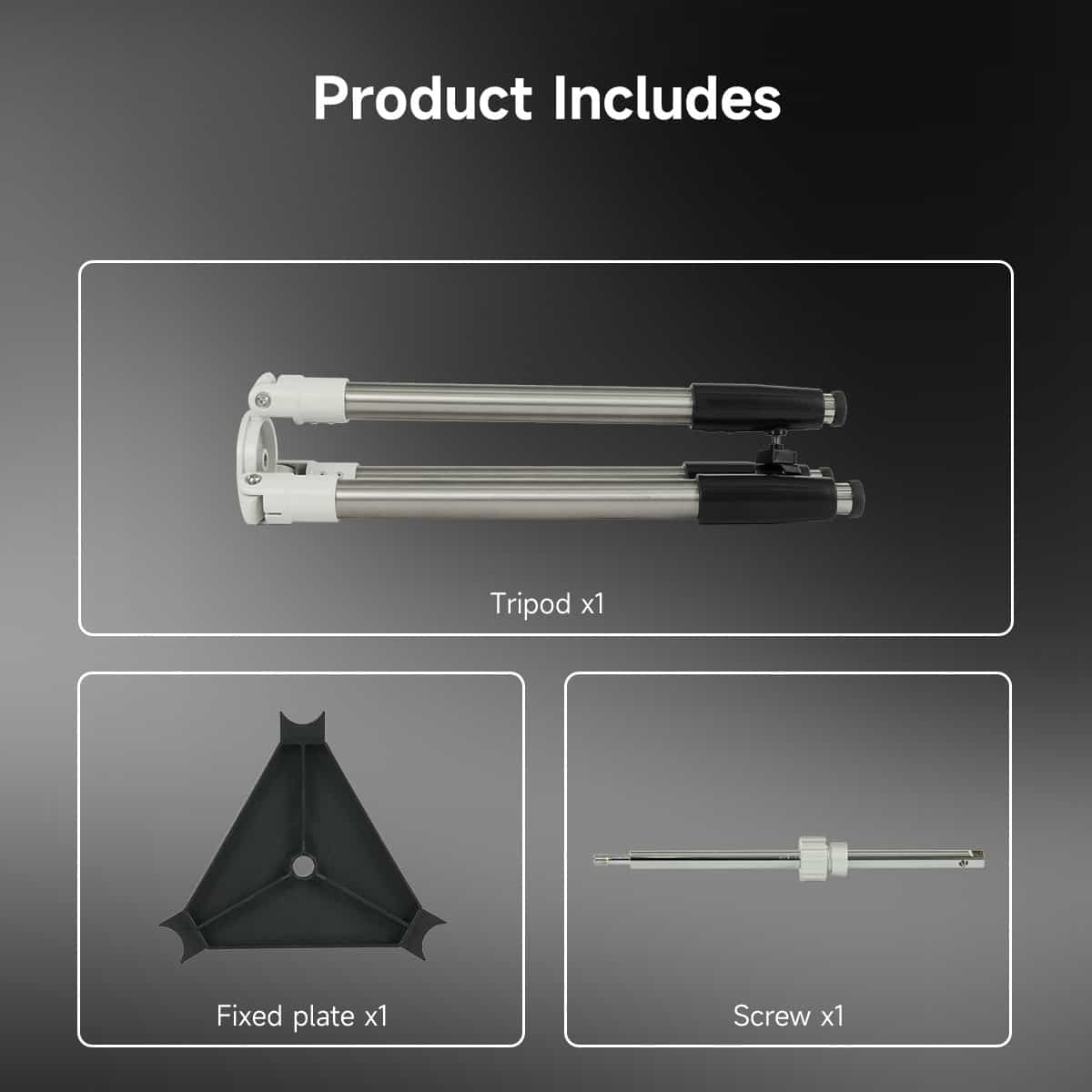
- Package contents: SVBONY does not publish an itemized contents list.
Frequently Asked Questions
Is it difficult to set up?
No. Spread the legs, extend them to the height you want, lock them, and thread your mount onto the 3/8-16 screw. No tools are needed.
Will it fit my mount?
Any mount or head with a 3/8-16 UNC female thread fits. SVBONY lists the SV225 alt-az mount as compatible.
What size telescope can it hold?
SVBONY recommends telescopes up to 100 mm aperture and 3 kg self-weight.
Bottom Line
In short: a 2263 g aluminium tripod that extends to 900 mm and folds to 500 mm, with a 3/8-16 screw for the SV225 mount and similar heads carrying small telescopes.
| Model | SV225T |
|---|---|
| Max. extended height | 900 mm |
| Folded length | 500 mm |
| Max. tube diameter | 32 mm |
| Chassis diameter | 83 mm |
| Leg sections | 3 |
| Sections | 2 |
| Mounting screw | UNC 3/8-16 |
| Maximum support interface screw | 180 mm |
| Loading capacity | Recommended for telescopes up to 100 mm aperture and self-weight up to 3 kg |
| Material | Aluminium alloy |
| Net weight | 2263 g |
| Package size | 543 x 193 x 185 mm |
| Compatibility (per SVBONY) | SV225 alt-az mount; SV48P 90/102; MK90/105/127; SV503 70/80 |
You may also like
Recently viewed
Recent Blog Posts
View all
Your Guide Graph Is Lying to You
Read More
D-Size vs V-Size: A Complete Guide to Telescope Dovetail Systems
Read More
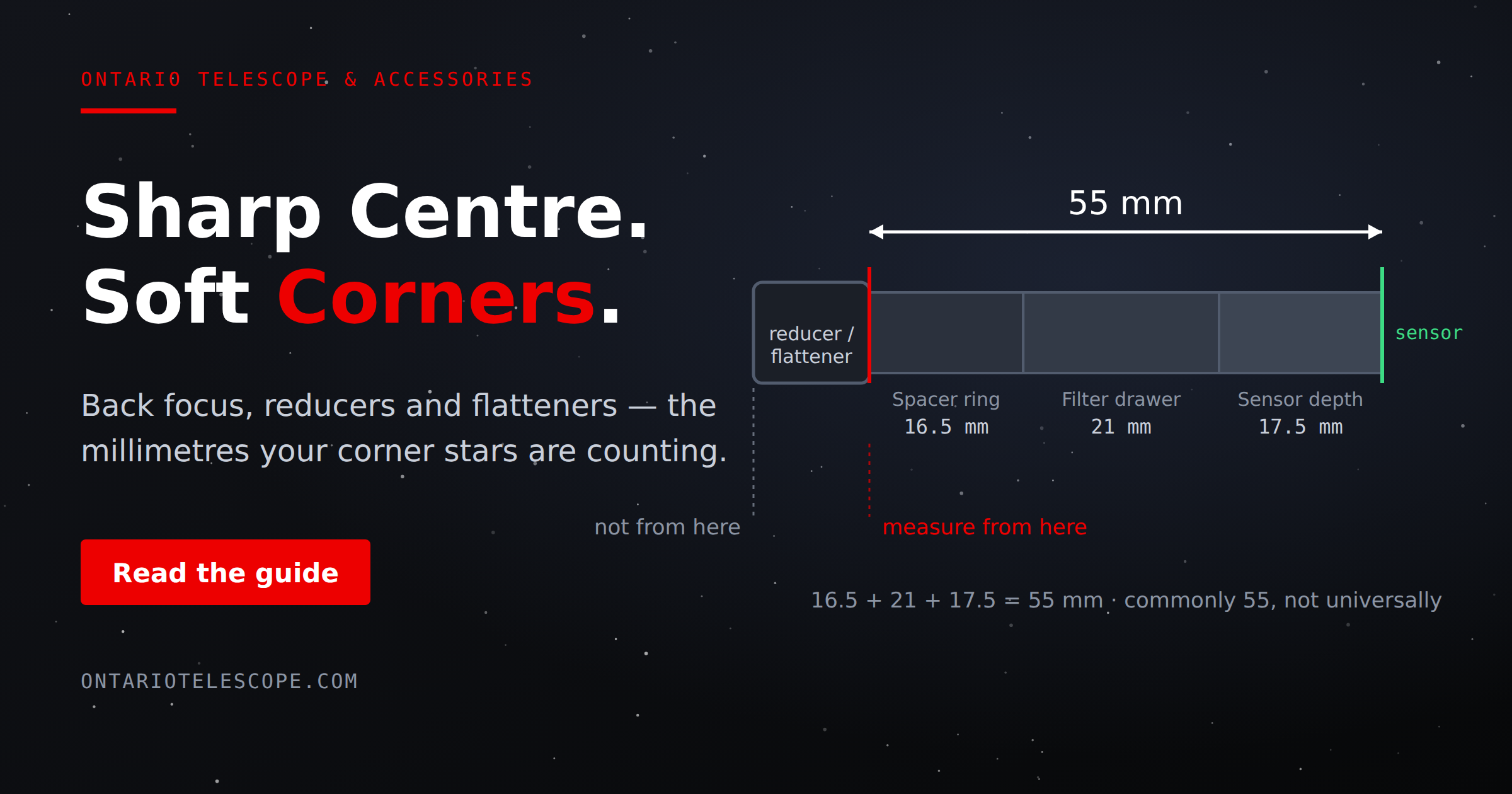
What Is Back Focus in Astrophotography? Telescope Reducers, Flatteners, and Spacing Explained
Read More