



- Description
- Specifications

Product Overview
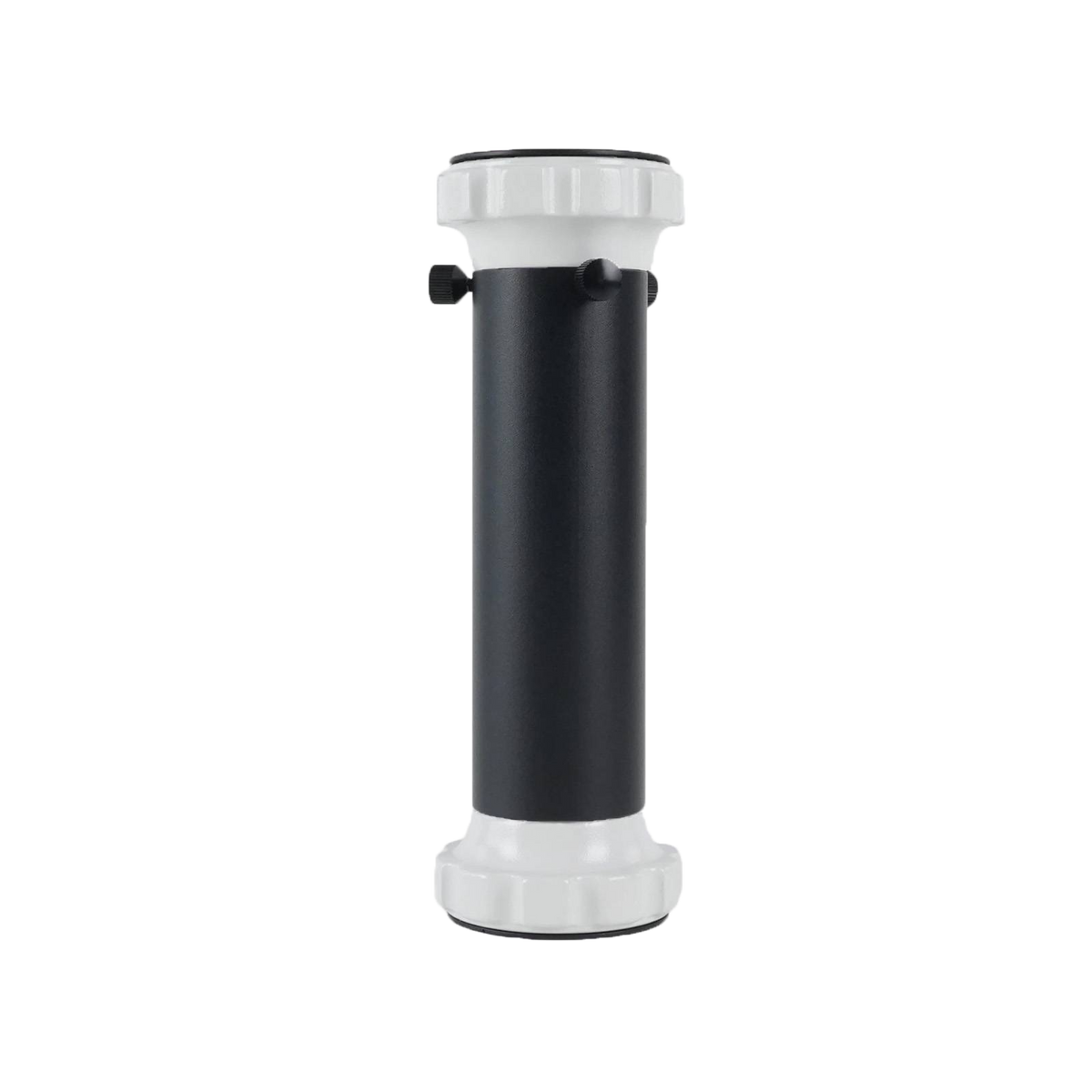
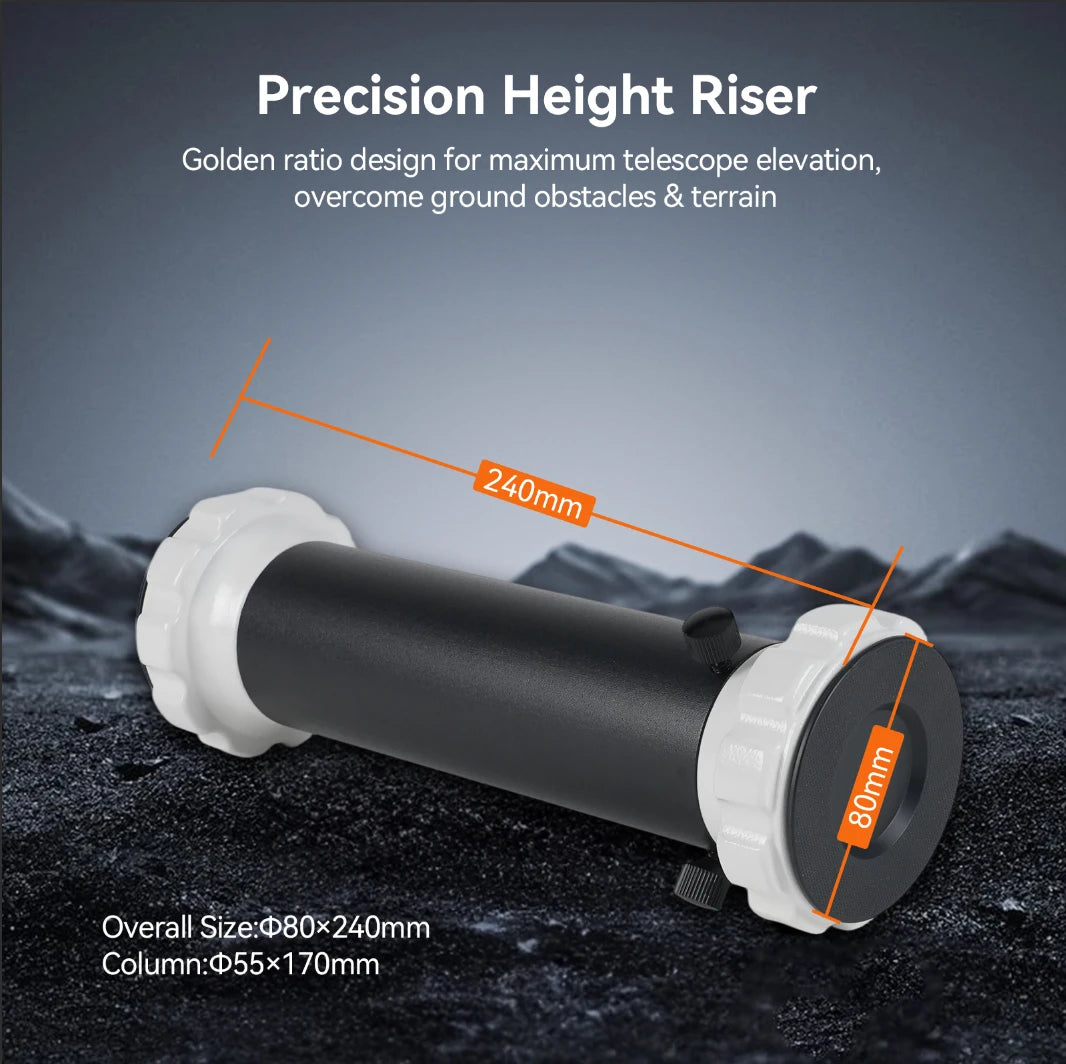
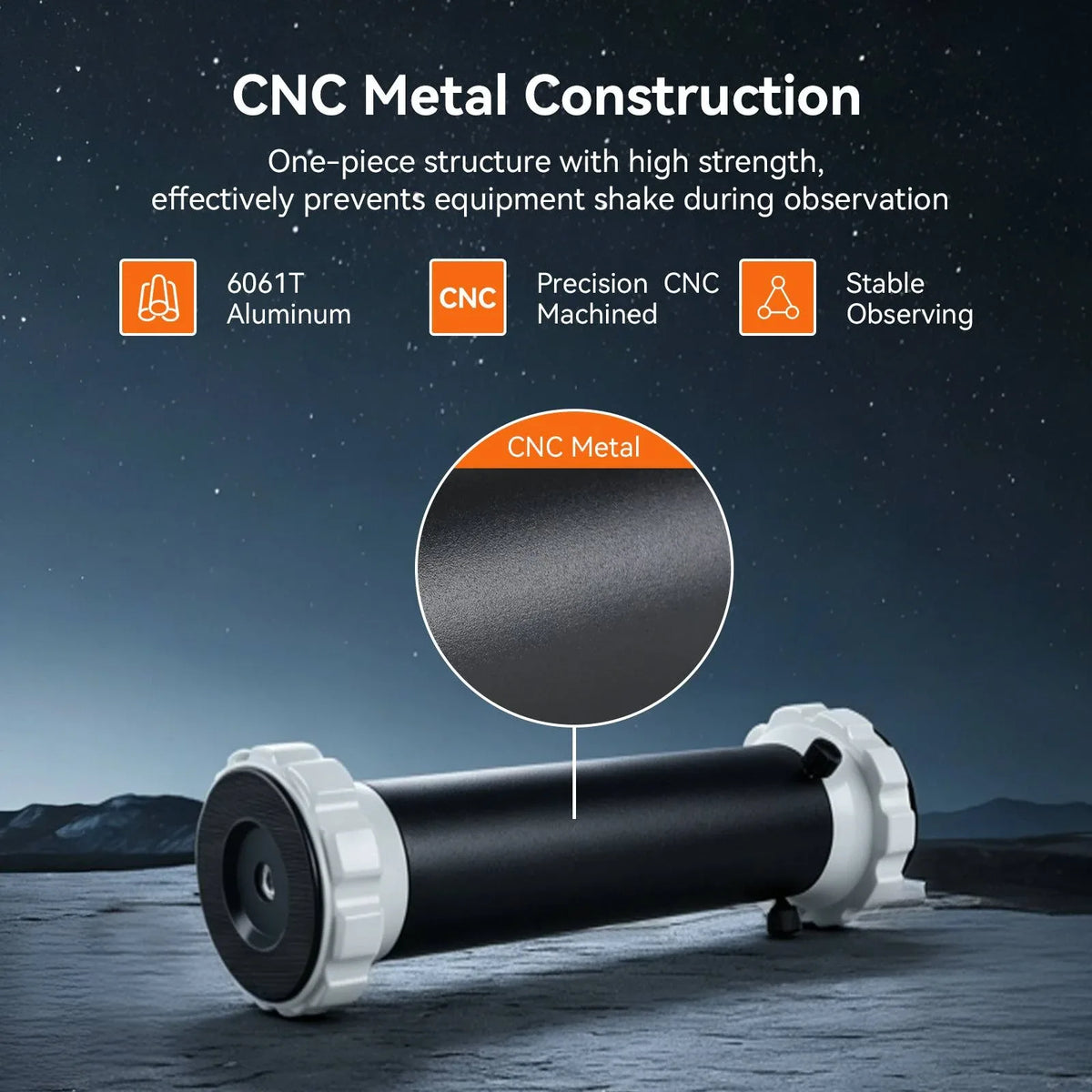
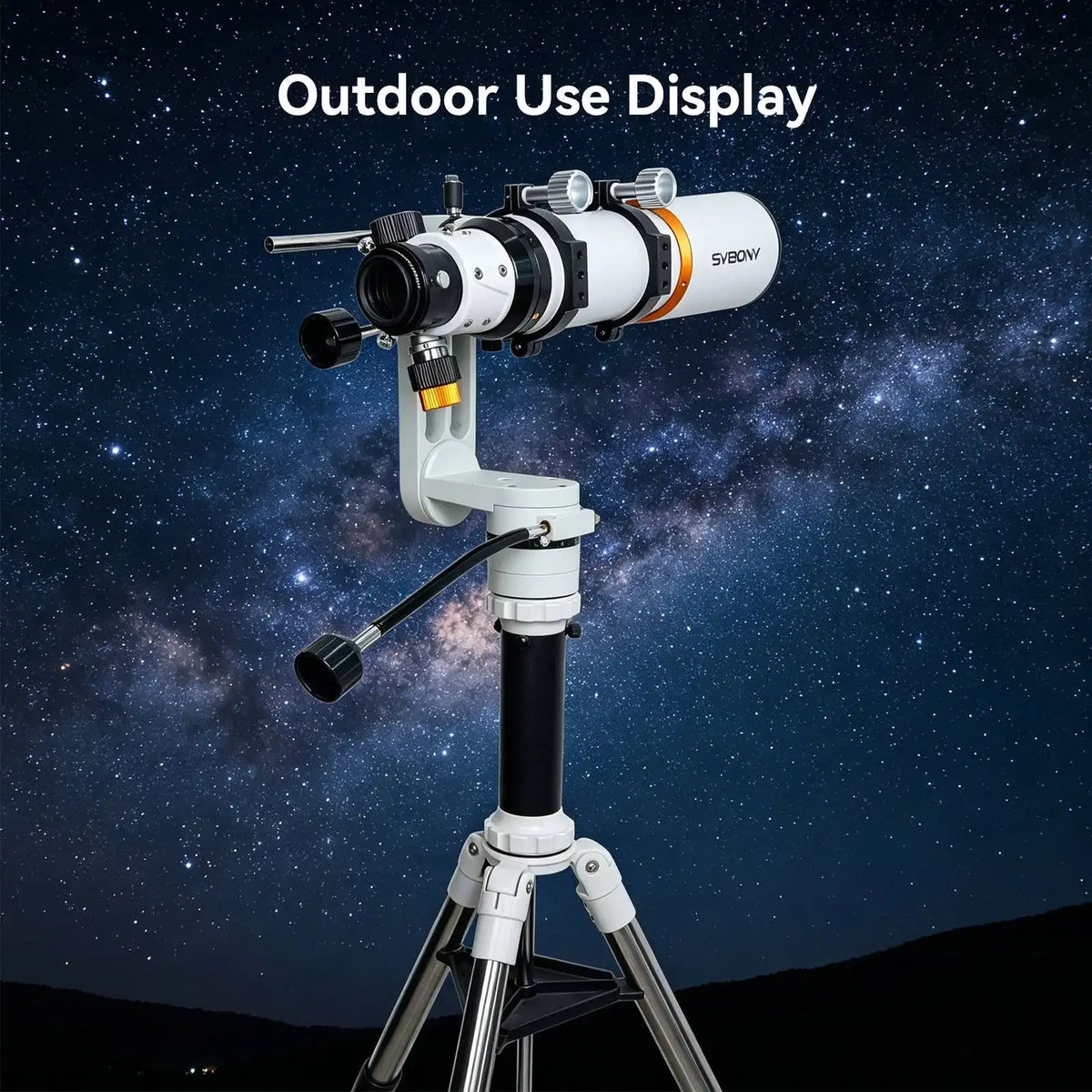
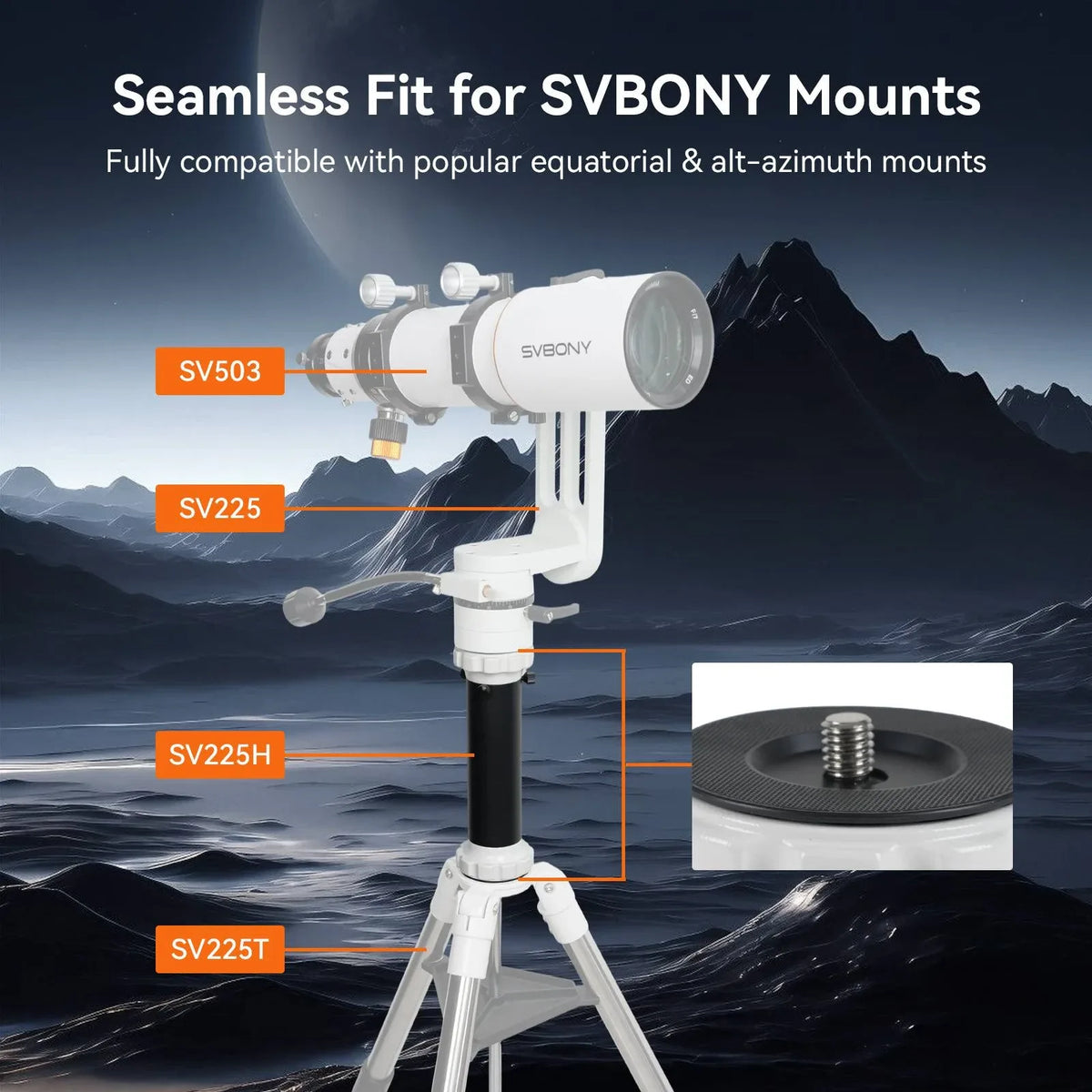
The SVBONY SV225H is a 240 mm riser that sits between a tripod and an alt-azimuth mount head. It is CNC-machined from 6061T aluminium, carries 3/8″-16 UNC threads at both ends, and weighs 1000 g. Raising the mount lifts the telescope clear of the tripod legs and puts the eyepiece at a more comfortable height when you point high in the sky.

Who It's For
This is a good match if you use an SVBONY SV225 or SV225 MINI head, or another 3/8″-16 alt-az mount, and find a long refractor or diagonal hitting the tripod legs near the zenith, or want a little more height over a fence or low obstruction.
Key Features & Design
- 240 mm of added height: clears ground-level obstructions and widens your usable horizon.
- CNC 6061T aluminium: a rigid column chosen for load capacity and low shake.
- 3/8″-16 UNC threads on both ends: threads straight between tripod and mount with no modification.
- Φ70 x 2 mm rubber pad: cushions the mount, prevents scratches and helps damp vibration.
- 1000 g: light enough to travel with the rest of a portable kit.


Recommended Uses
- Zenith observing: keeps a refractor and diagonal clear of the tripod legs when pointing high.
- Low-horizon targets: lifts the optics over railings, hedges and parked cars.
- Seated or standing comfort: brings the eyepiece up to a better working height.
Compatibility and Accessory Notes
- Listed by SVBONY for: the SV225 and SV225 MINI alt-azimuth mounts and the SV225T tripod.
- Other tripods and mounts: any with 3/8″-16 UNC connections; SVBONY lists it for most astronomical tripods.


If your tripod uses a different thread, send us the make and model and we will check the fit with you.
Good to Know Before You Order
- 3/8″-16 connections only: tripods or mounts with a 1/4″-20 or metric fitting need an adapter.
- Riser only: the tripod and mount head are sold separately.
- Package contents: SVBONY does not publish a contents list for this item.
Frequently Asked Questions
Is it difficult to set up?
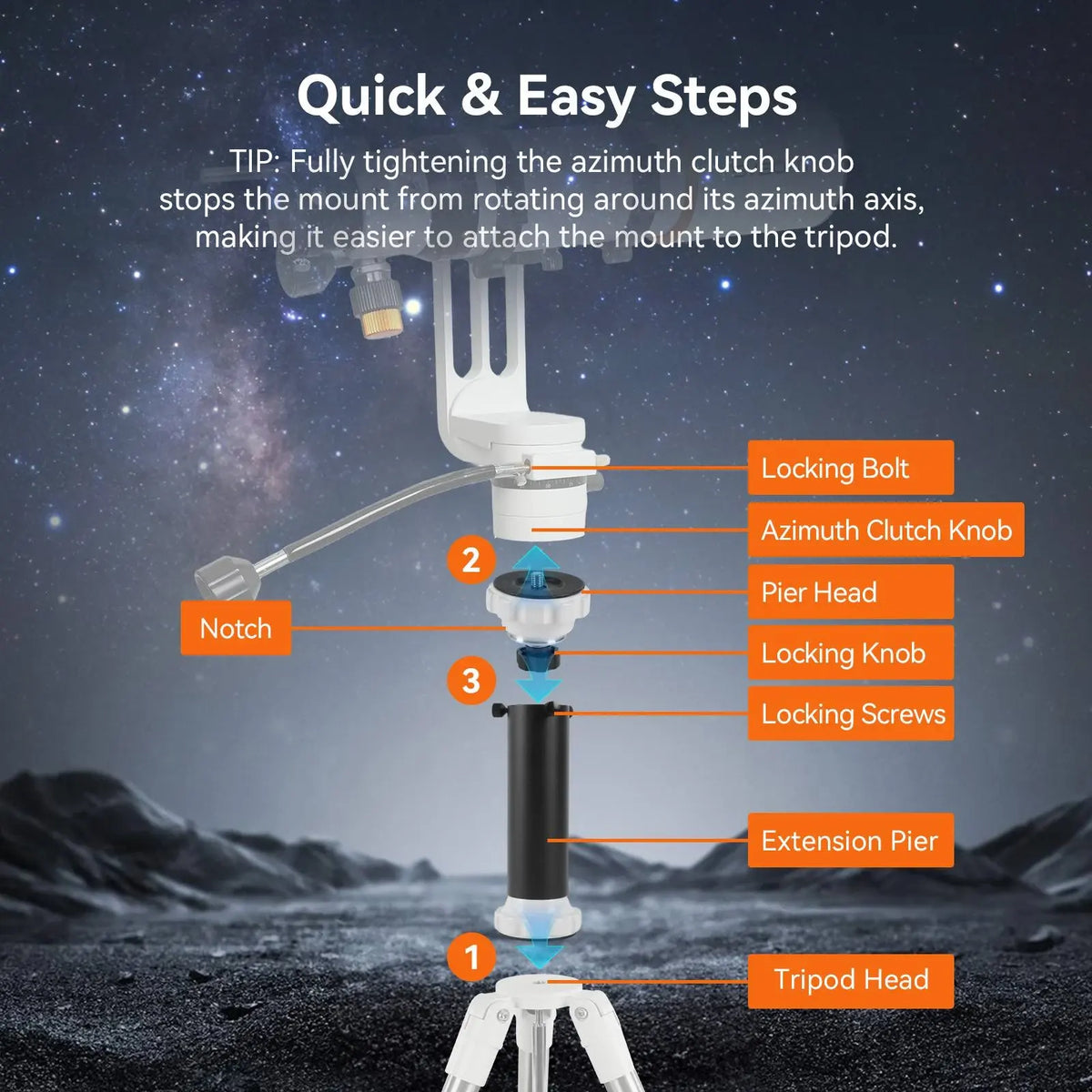
No. Thread it onto the tripod stud, then thread the mount head onto the riser's top stud.
How much height does it add?
240 mm.
Does it fit the SV225 MINI?
Yes. SVBONY lists the SV225H for the SV225-series mounts and SV225T tripod, all of which use 3/8″-16 threads.
Bottom Line
In short: a 1000 g, 240 mm aluminium riser with 3/8″-16 threads at each end that lifts an alt-az mount clear of its tripod legs.
| Brand | SVBONY |
|---|---|
| Model | SV225H |
| Type | Tripod / azimuth mount riser |
| Height elevation | 240 mm |
| Material | 6061T aluminium, CNC-machined |
| Threads | 3/8″-16 UNC on both ends |
| Rubber pad | Φ70 x 2 mm |
| Compatibility | SVBONY SV225 / SV225T and most astronomical tripods |
| Net weight | 1000 g |
You may also like
Recently viewed
Recent Blog Posts
View all
Your Guide Graph Is Lying to You
Read More

D-Size vs V-Size: A Complete Guide to Telescope Dovetail Systems
Read More

What Is Back Focus in Astrophotography? Telescope Reducers, Flatteners, and Spacing Explained
Read More