


- Description
- Specifications
Product Overview
The Explore Scientific soft-sided telescope case, item number ES-SSCC-03, is a padded carrying case sized for the ED127, ED127CF, DAR127 and DAR152 optical tubes. Exterior dimensions are 44″ long, 8″ deep and 15″ high, with an interior of 42.5″ × 6.5″ × 8″, and the case itself weighs 4 lb; 1.8 kg.
The exterior is padded polyester with a reinforced back and sides. The interior is light gray nylon with adjustable velcro dividers, so the space can be partitioned to hold the optical tube along with eyepieces, a diagonal, a finder and small accessories rather than leaving them loose. A shoulder strap with an embroidered logo pad and hand straps are included.
Soft cases occupy a specific place between no case at all and a rigid flight case. They add padding, keep parts together and cost far less in weight and bulk than a hard case, which is what makes them the usual choice for moving a telescope from the house to the car to an observing site.
Who It's For
- Owners of the ED127, ED127CF, DAR127 and DAR152, which are the tubes Explore Scientific sizes this case for.
- Observers who travel to dark sites: the tube, diagonal, finder and a few eyepieces travel together in one carry.
- Anyone storing a telescope between sessions: a closed case keeps dust off the tube and off the optics far better than a cupboard shelf does.
- Observers who value light weight: at 4 lb; 1.8 kg the case adds very little to what is already being carried.
- Owners of other tubes within the interior dimensions: 42.5″ × 6.5″ × 8″ is the figure to measure against, and we can check it for you.
Key Features & Design
- 44″ × 8″ × 15″ exterior, 42.5″ × 6.5″ × 8″ interior: both published, so fit can be worked out before ordering.
- 4 lb; 1.8 kg: light enough that the case is not itself part of the problem when loading a car.
- Padded polyester exterior with reinforced back and sides: the reinforcement is placed where a case takes knocks — the faces that meet door frames and car boots.
- Light gray nylon interior: a pale lining makes small dark items easier to find in poor light, which matters at the end of a night session.
- Adjustable velcro dividers: the interior partitions to suit the tube and accessories being carried rather than to one fixed layout.
- Shoulder strap with embroidered logo pad, for carrying a 44-inch case hands-free.
- Hand straps for lifting in and out of a vehicle.
- Sized for the ED127, ED127CF, DAR127 and DAR152.
Recommended Uses
- Transporting an optical tube between home, vehicle and observing site.
- Storing a telescope with its diagonal, finder and eyepieces kept together.
- Keeping dust off an optical tube between sessions.
- Carrying a tube to outreach events and star parties, where equipment gets handled more than usual.
- Organising accessories alongside a tube using the adjustable dividers.
Compatibility and Accessory Notes
- Fit: Explore Scientific lists this case for the ED127, ED127CF, DAR127 and DAR152. For any other tube, the published interior of 42.5″ × 6.5″ × 8″ is the measurement to compare against, including tube rings and dew shield position.
- Dew shields: tube length is usually quoted with the dew shield retracted, so measuring in that state gives the useful number.
- Accessories: the velcro dividers let eyepieces, a diagonal and a finder travel in the same case, though a dedicated eyepiece case gives individual optics more protection on a long journey.
- Carrying: shoulder strap and hand straps are both supplied.
- Telescope: not included — this is the case on its own.
Good to Know Before You Order
- Interior depth is 6.5″. That is the dimension most likely to decide fit for a tube with rings or a dovetail fitted, so measuring across the widest point of your assembly is the check worth doing. Send us the model and we will compare it against the published interior for you.
- A soft case is padding, not armour. It is built for car boots, back seats and storage, and it protects against knocks and dust rather than against crushing or air freight. For checked baggage or shipping, a rigid case is the right category and we stock those.
- Explore Scientific does not publish a material weight rating, a water resistance figure or a padding thickness for this case, so those rows are absent below rather than estimated. If one of them decides the purchase, ask us and we will put the question to our Explore Scientific rep.
- The published 4 lb; 1.8 kg is the empty case. Loaded with a six-inch tube it becomes a two-hands carry, which is what the shoulder strap and hand straps are there to help with.
- Optics travel best capped. Dust caps at both ends and a lens cover on the finder keep the interior lining from touching glass, and we stock replacement caps if any of yours have gone missing.
Frequently Asked Questions
Is it difficult to set up?
No — it arrives ready to use. The only setup is positioning the velcro dividers to suit your tube and accessories, which takes a couple of minutes and can be changed at any time.
Will my telescope fit?
Explore Scientific sizes it for the ED127, ED127CF, DAR127 and DAR152. For anything else, compare your tube against the published interior of 42.5″ × 6.5″ × 8″, measured with rings and dovetail fitted. Send us the model and we will check it before you order.
Can I carry eyepieces in it as well?
Yes. The adjustable velcro dividers are there to partition the interior so eyepieces, a diagonal and a finder can travel alongside the tube.
Is it waterproof?
Explore Scientific publishes it as a padded polyester case with a reinforced back and sides and does not give a water resistance rating, so we are not going to quote one. For rain, most owners simply keep it covered between car and site.
How heavy is the case itself?
4 lb; 1.8 kg empty.
Can I check it as airline baggage?
A soft case is designed for car transport and storage rather than for handled freight. For flying, a rigid case with fitted foam is the safer category — tell us your tube and destination and we will suggest something suitable.
Bottom Line
In short: a 4 lb; 1.8 kg padded soft case with a 44″ × 8″ × 15″ exterior and a 42.5″ × 6.5″ × 8″ interior, adjustable velcro dividers, a reinforced polyester shell, a shoulder strap and hand straps, sized by Explore Scientific for the ED127, ED127CF, DAR127 and DAR152. If you would like us to check it against the tube you own before you order, send us the model and we will measure it up with you.
| Item Number | ES-SSCC-03 |
|---|---|
| Length | 44" |
| Depth | 8" |
| Height | 15" |
| Interior Measurements | 42.5" × 6.5" × 8" |
| Weight | 4 lb; 1.8 kg |
| Exterior | Padded polyester with reinforced back and sides |
| Interior | Light gray nylon with adjustable velcro dividers |
| Carrying | Shoulder strap with embroidered logo pad plus hand straps |
| Sized For | ED127, ED127CF, DAR127 and DAR152 |
| Water Resistance Rating | Not published by vendor |
| Padding Thickness | Not published by vendor |
| Telescope | Not included |
You may also like
Recently viewed
Recent Blog Posts
View all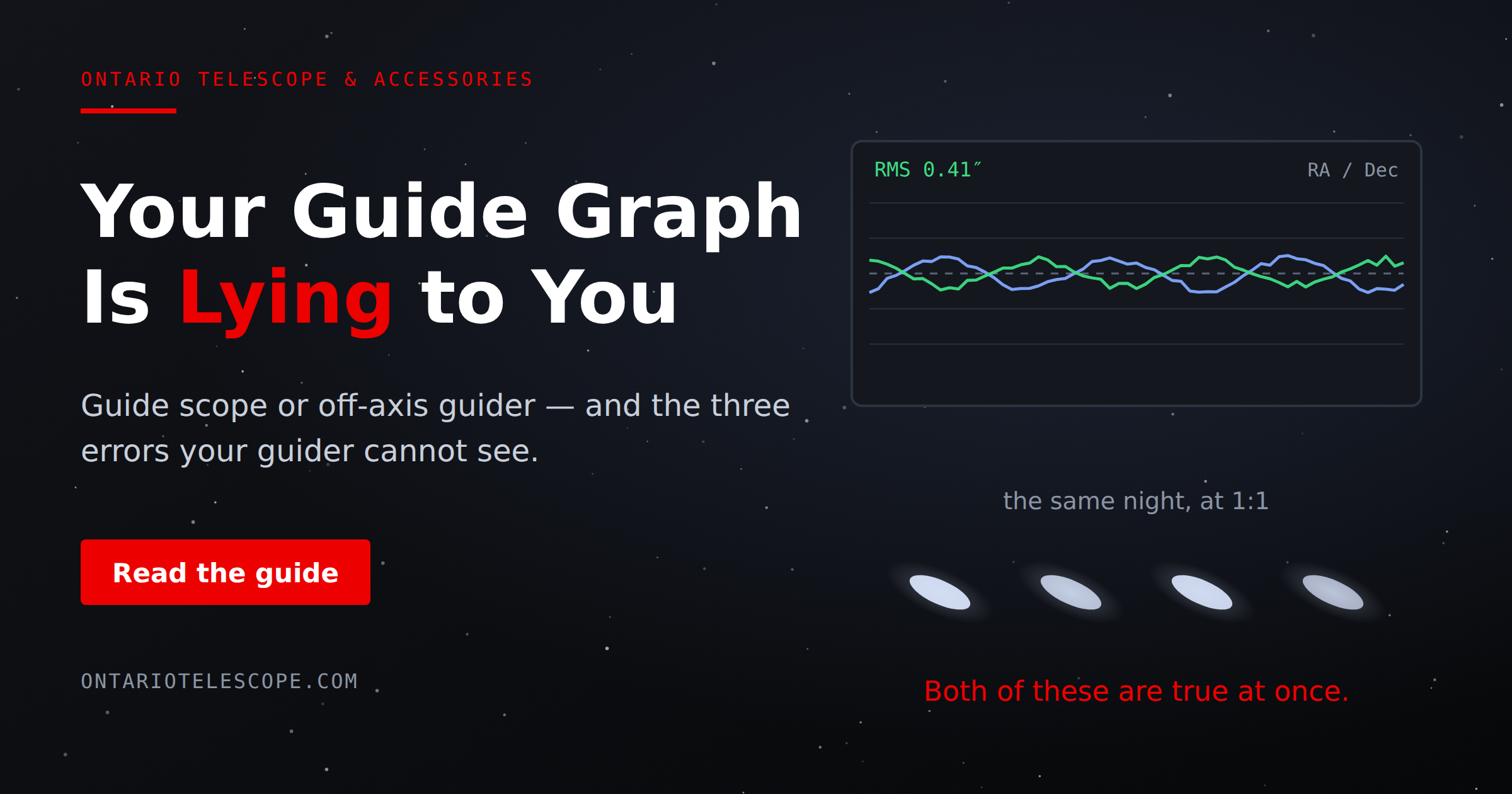
Your Guide Graph Is Lying to You
Read More
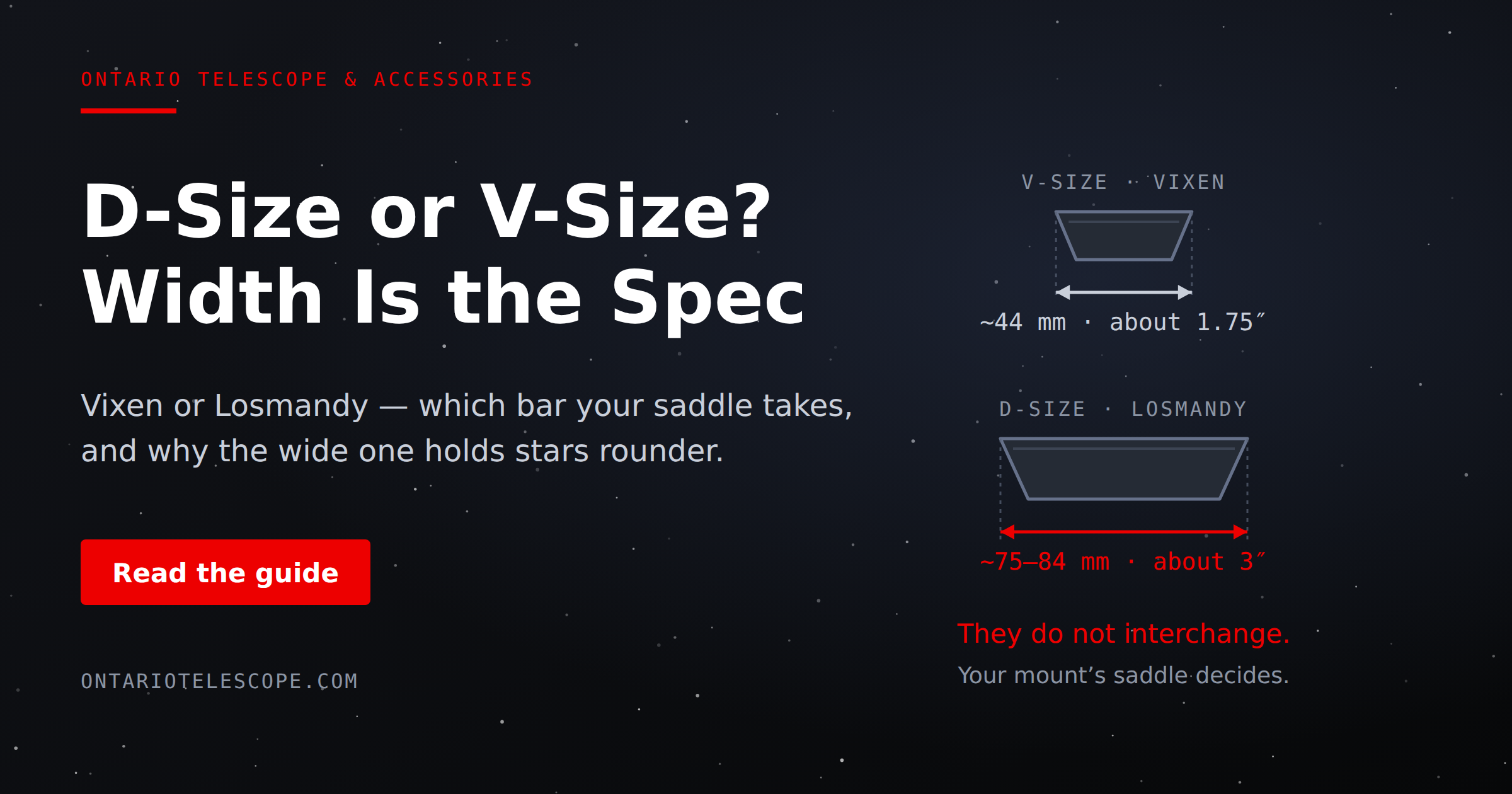
D-Size vs V-Size: A Complete Guide to Telescope Dovetail Systems
Read More
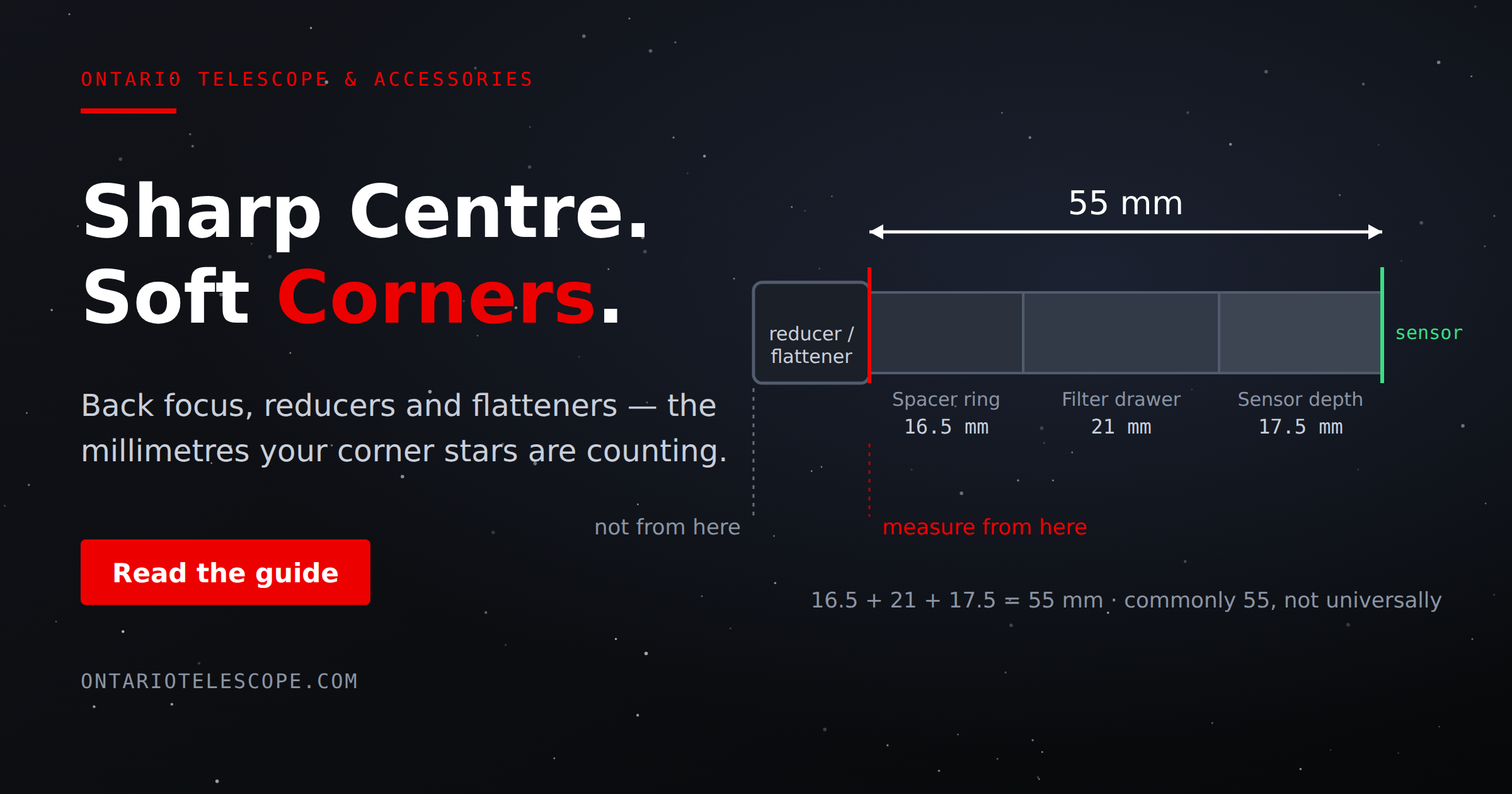
What Is Back Focus in Astrophotography? Telescope Reducers, Flatteners, and Spacing Explained
Read More