




- Description
- Specifications
Product Overview
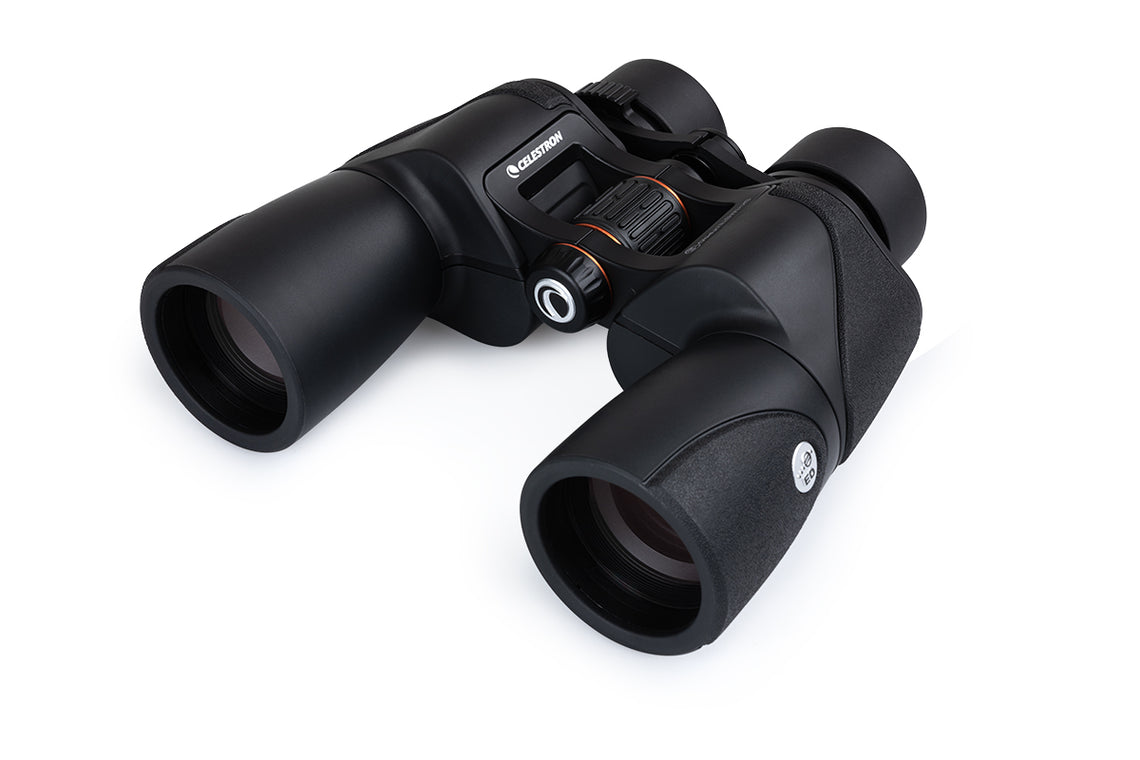
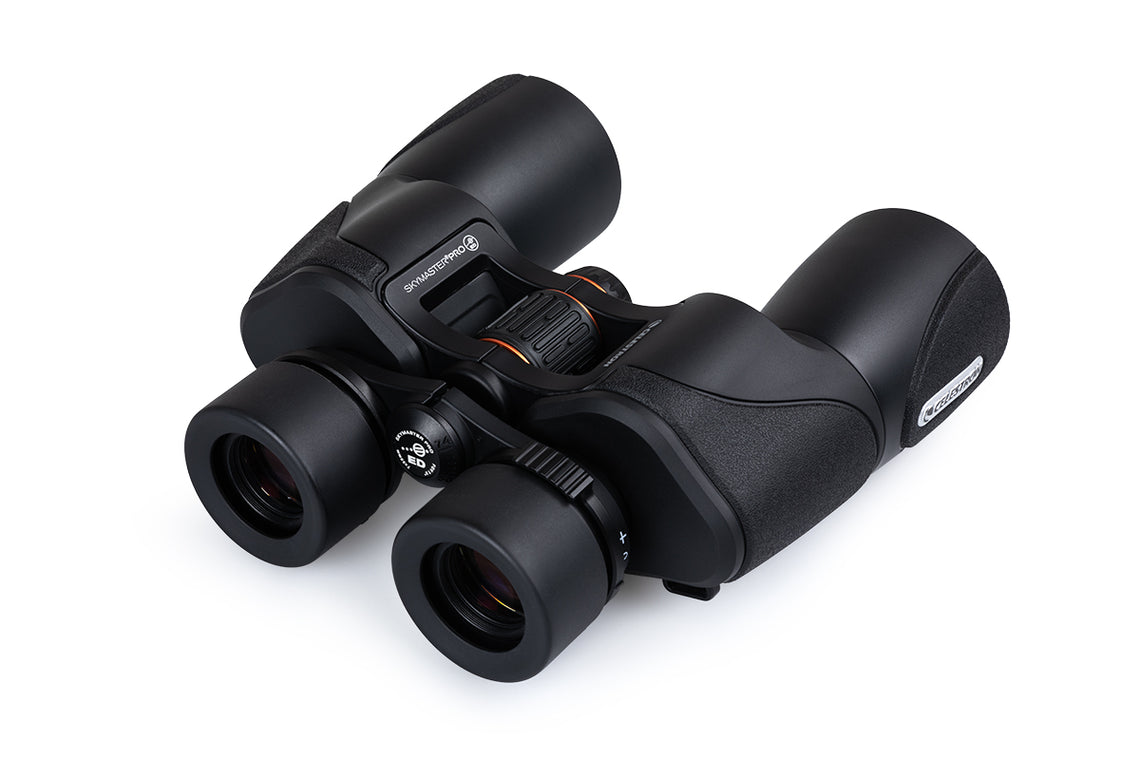
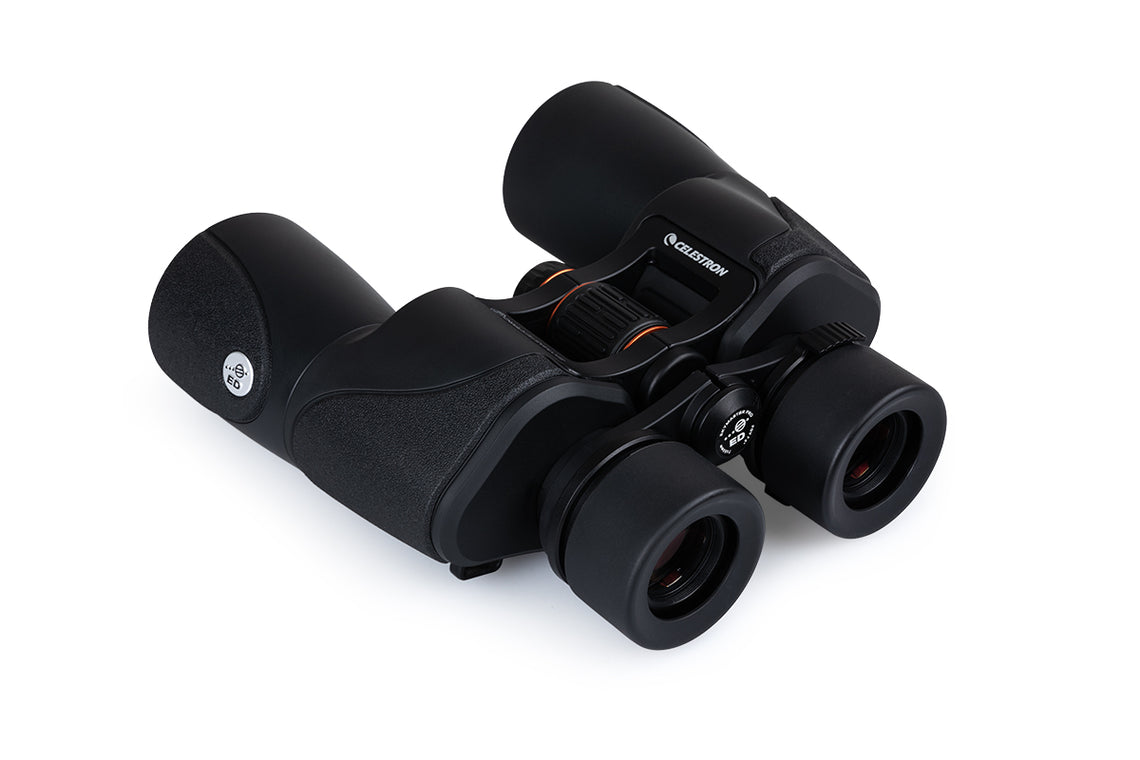
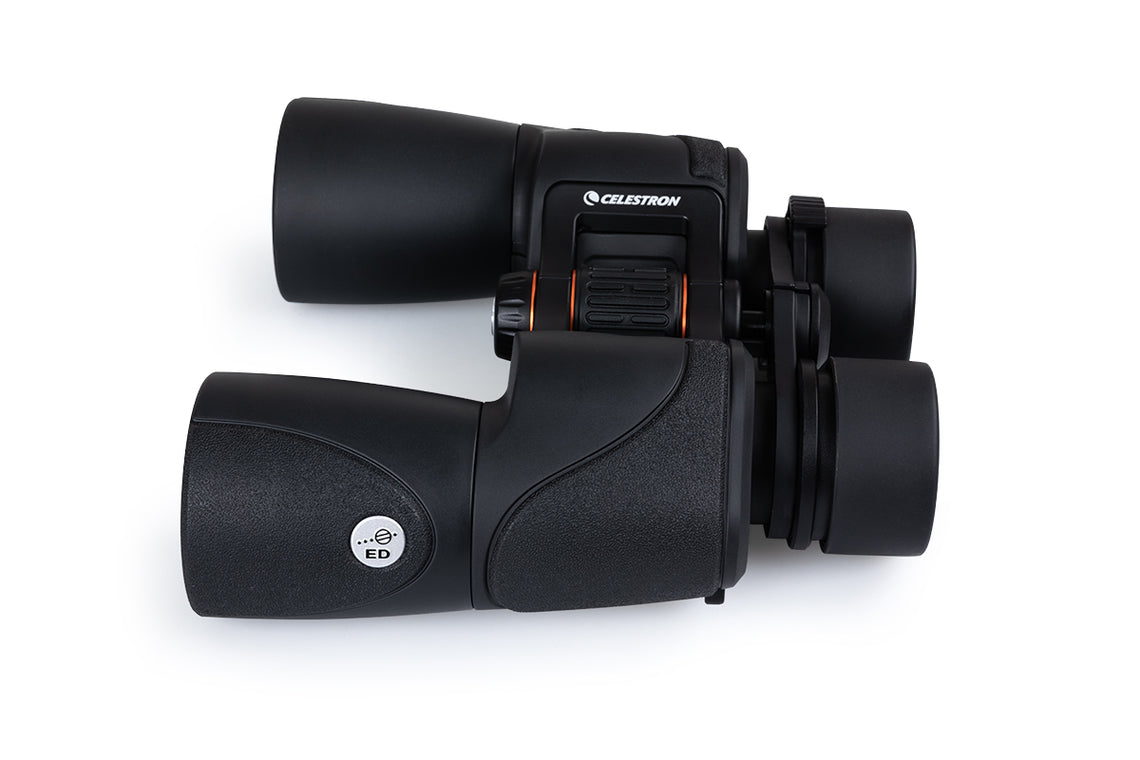
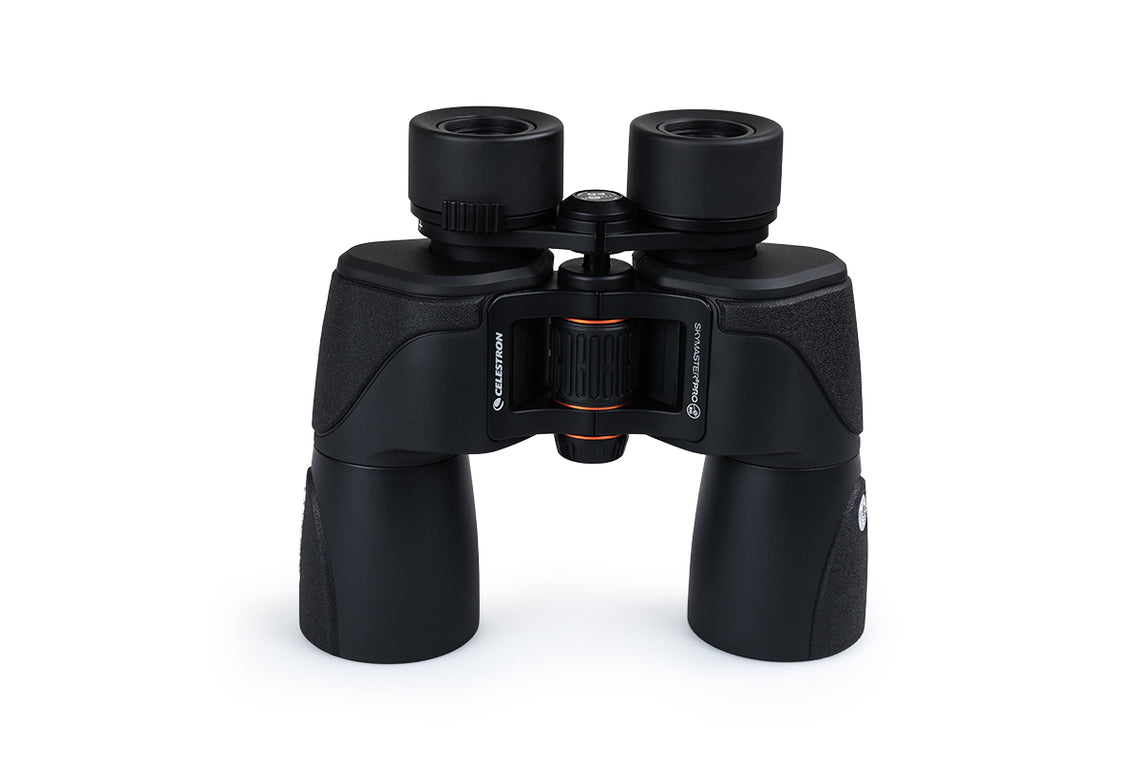
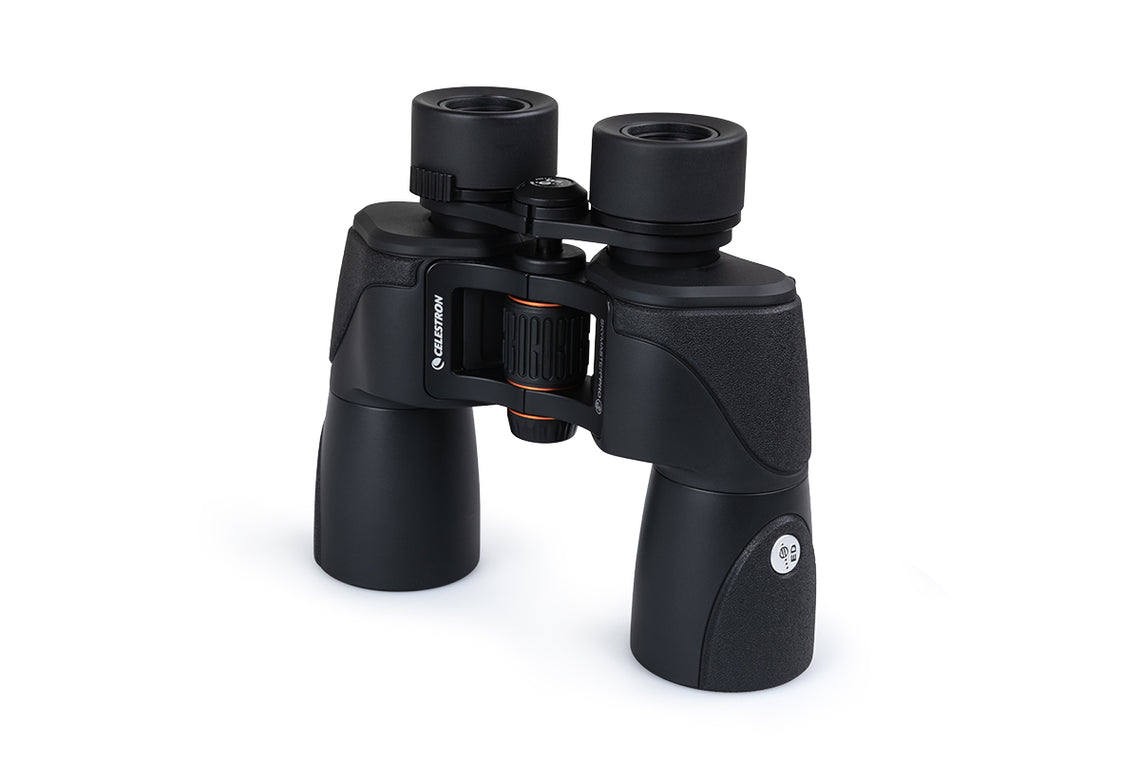
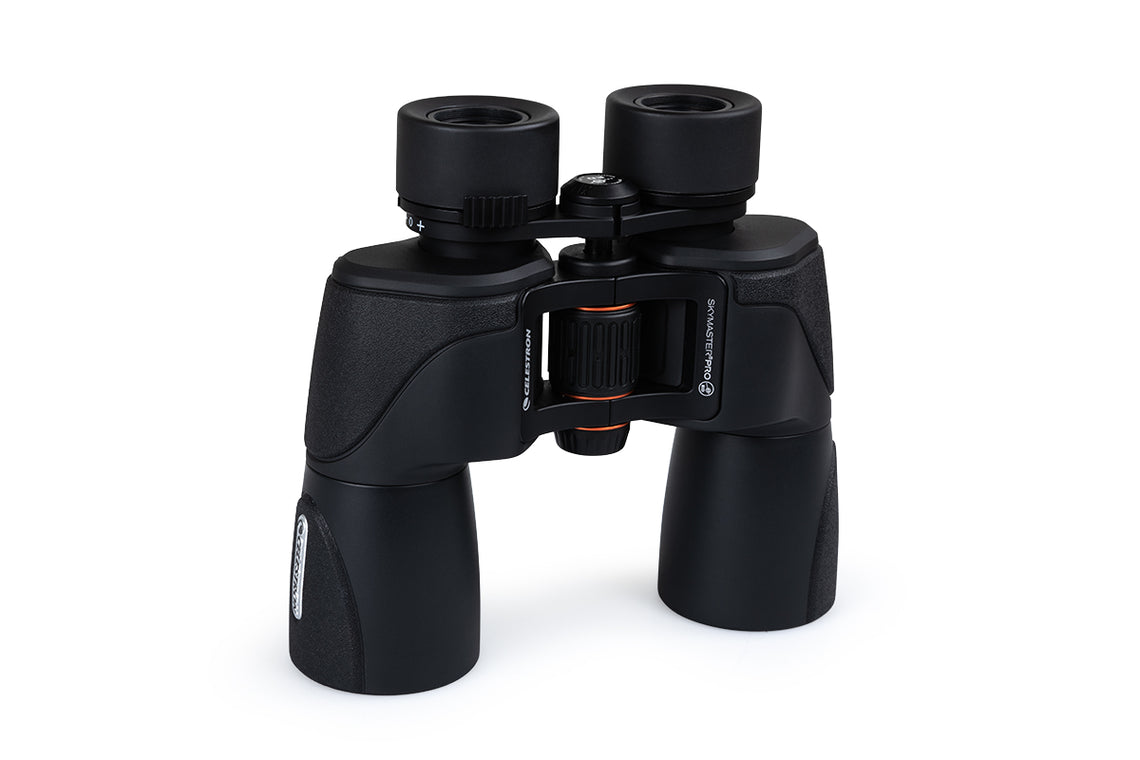
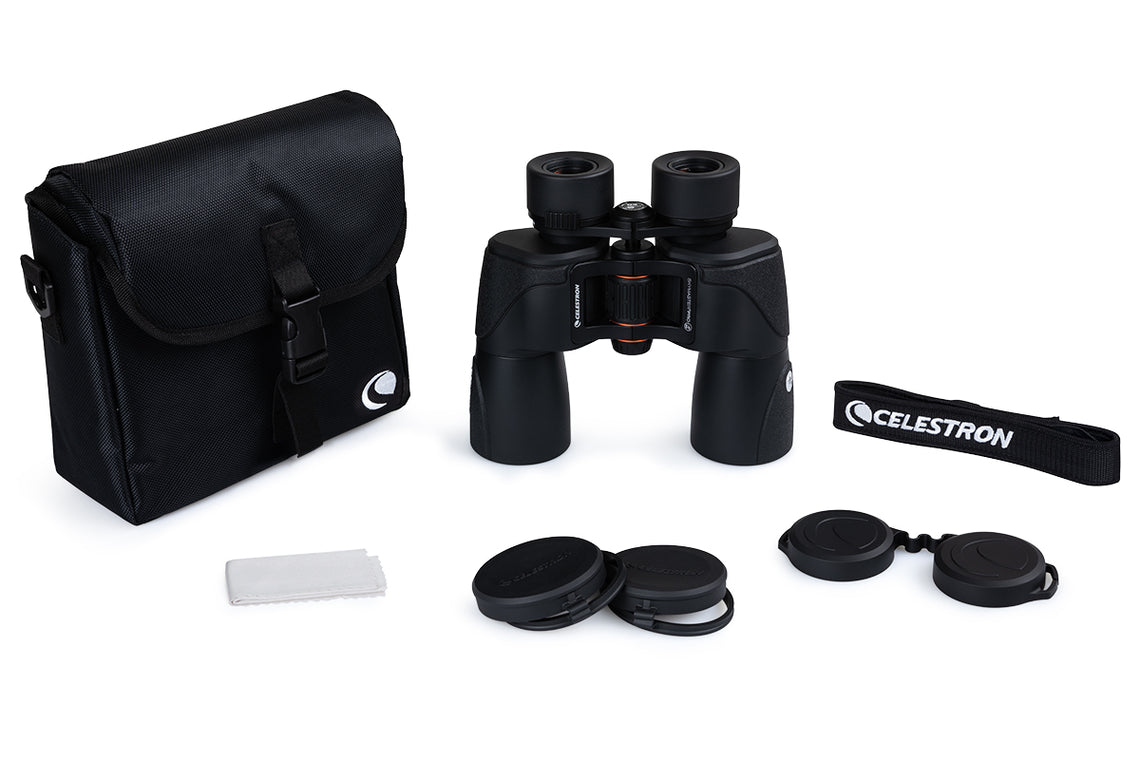
The Celestron SkyMaster Pro ED 7x50mm Porro Binoculars upgrade the classic 7x50 astronomy format with ED objective lenses for cleaner, more colour-correct views. They are designed for bright, wide-field views of the night sky and low-light terrestrial scenes.
Who Is This Product Best For?
Best for observers who want a wide, steady astronomy binocular with improved optical performance.
Why Choose This Binocular?
- ED glass: Helps reduce colour fringing and improve clarity.
- 7x50 format: Bright, steady, wide-field views.
- Pro ED series: Higher-grade SkyMaster design for demanding users.
Recommended Uses
- Wide-field astronomy
- Constellation scanning
- Low-light observing
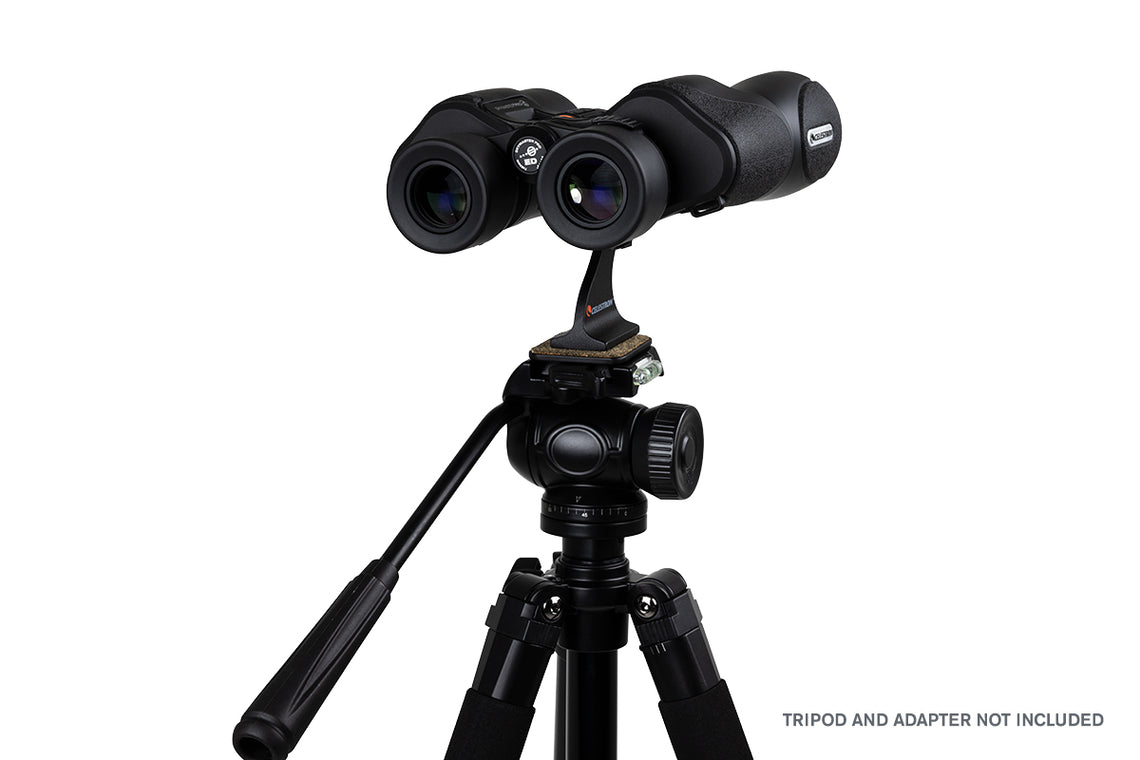
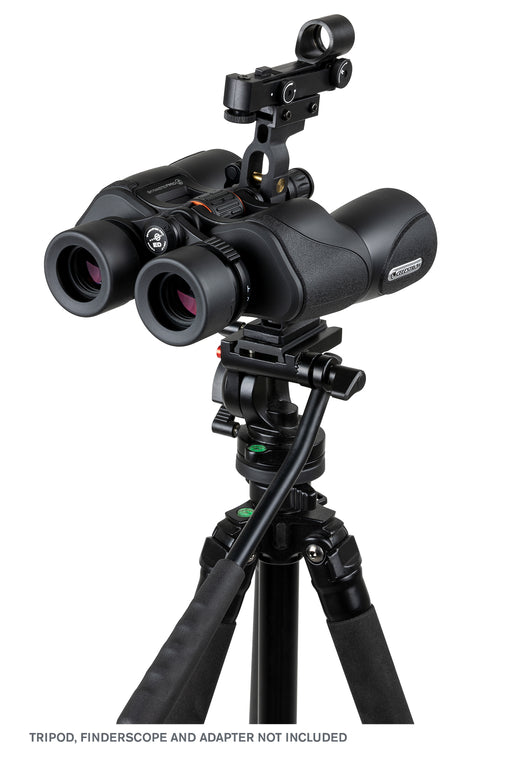
- Handheld or mounted viewing
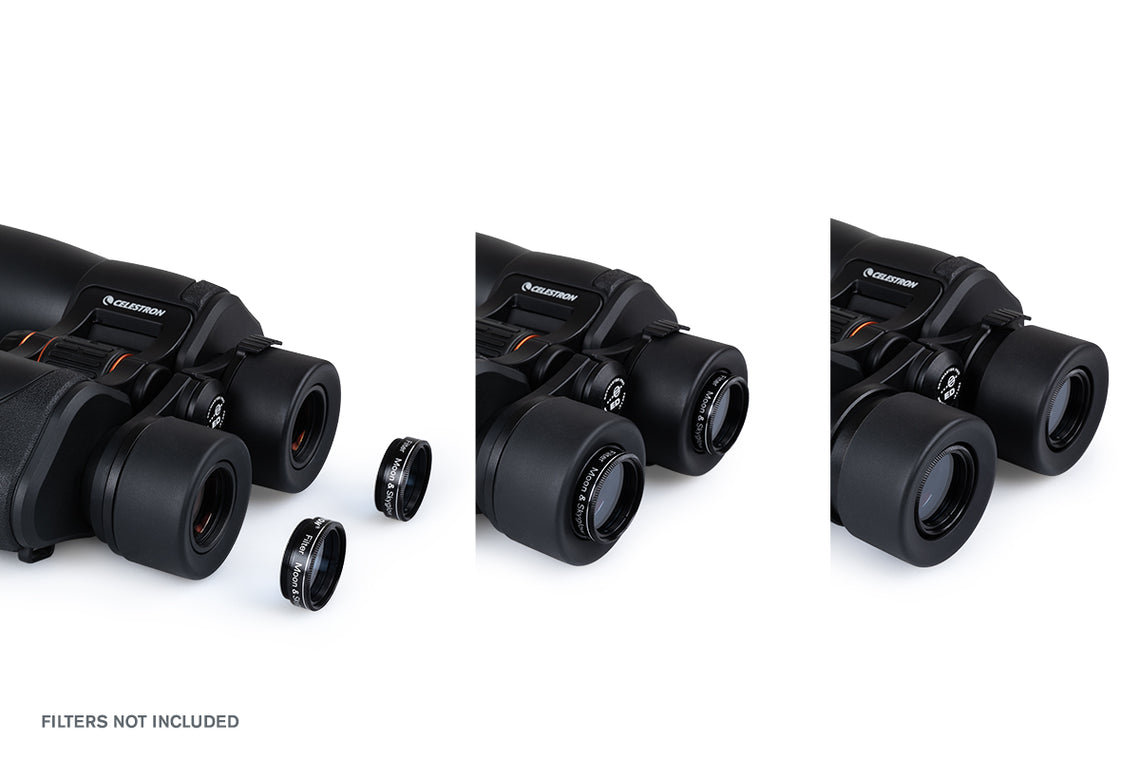
Compatibility and Accessory Notes
Can be used handheld, though tripod mounting can improve comfort during longer sessions.
Important Limitations
- Low magnification: Best for wide fields, not high-power detail.
- Not a telescope replacement: Use for broad sky views rather than planetary detail.
Frequently Asked Questions
What does ED mean?
ED glass helps reduce colour fringing for cleaner views.
Are these good for stargazing?
Yes. The 7x50 format is a classic wide-field stargazing choice.
Our Recommendation
Ontario Telescope recommends the SkyMaster Pro ED 7x50 for customers who want a bright, steady premium astronomy binocular.
| Product Type | SkyMaster Pro ED Porro prism binoculars |
|---|---|
| SKU | 72033 |
| Magnification | 7x |
| Objective Lens Diameter | 50 mm |
| Objective Lens Type | ED glass |
| Primary Use | Wide-field astronomy and low-light viewing |
You may also like
Recently viewed
Recent Blog Posts
View all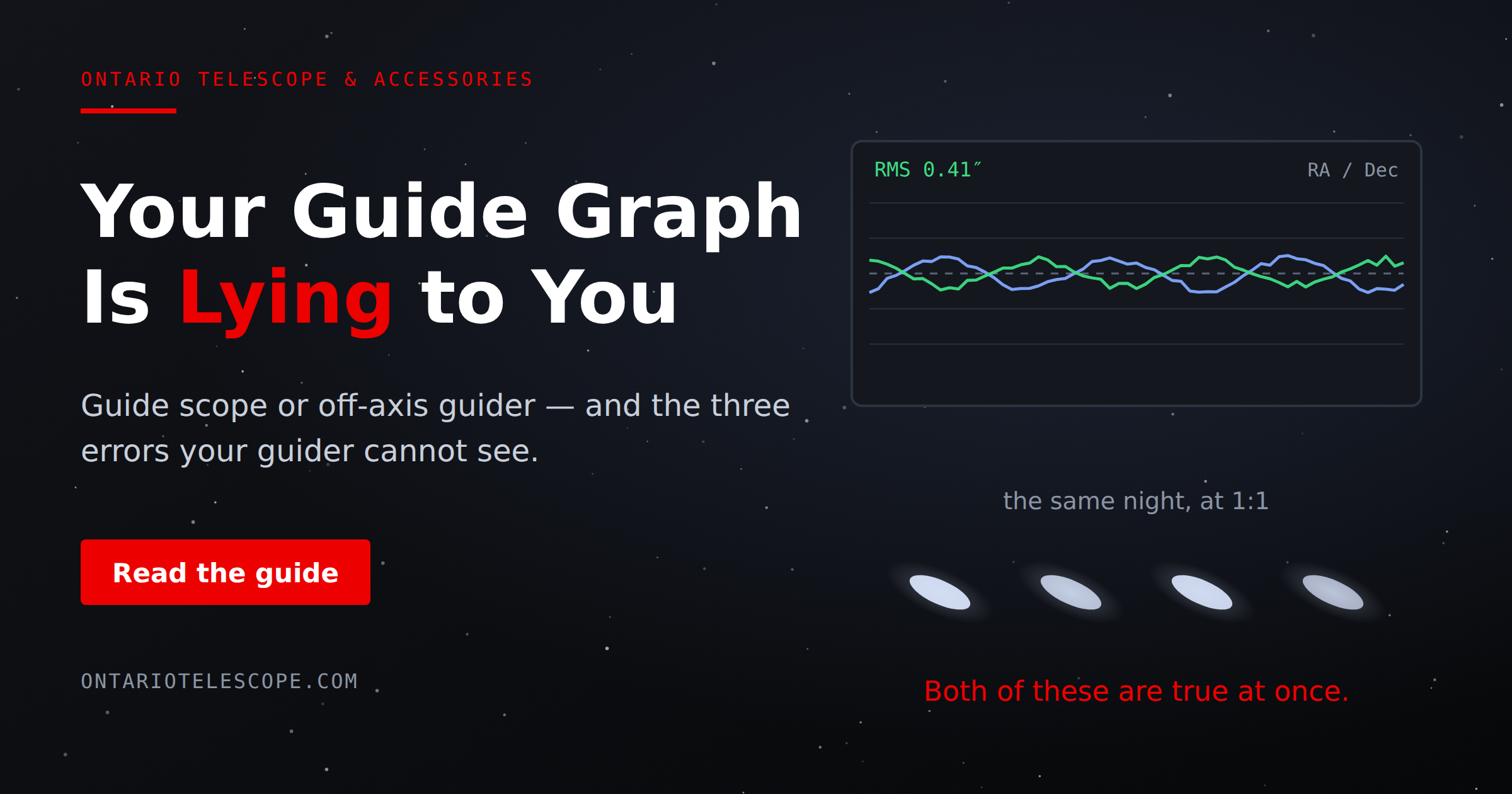
Your Guide Graph Is Lying to You
You drove ninety minutes to dark sky, PHD2 held 0.4 arcseconds all night, and half your subs still have eggs for stars. Here are the three things your
Read More
Read More
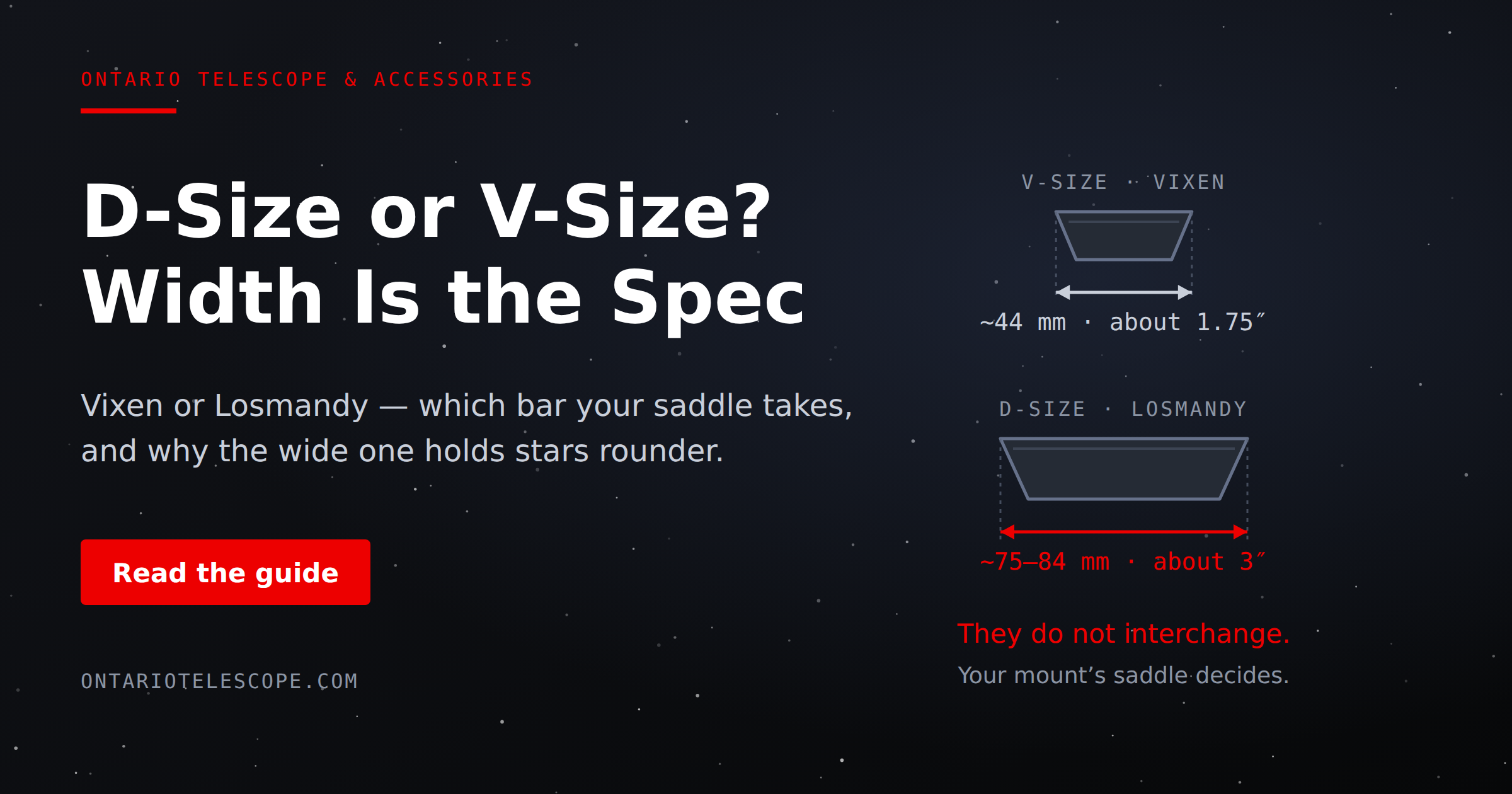
D-Size vs V-Size: A Complete Guide to Telescope Dovetail Systems
What's the difference between D-size and V-size telescope dovetails? Here's everything you need to know.
Read More
Read More
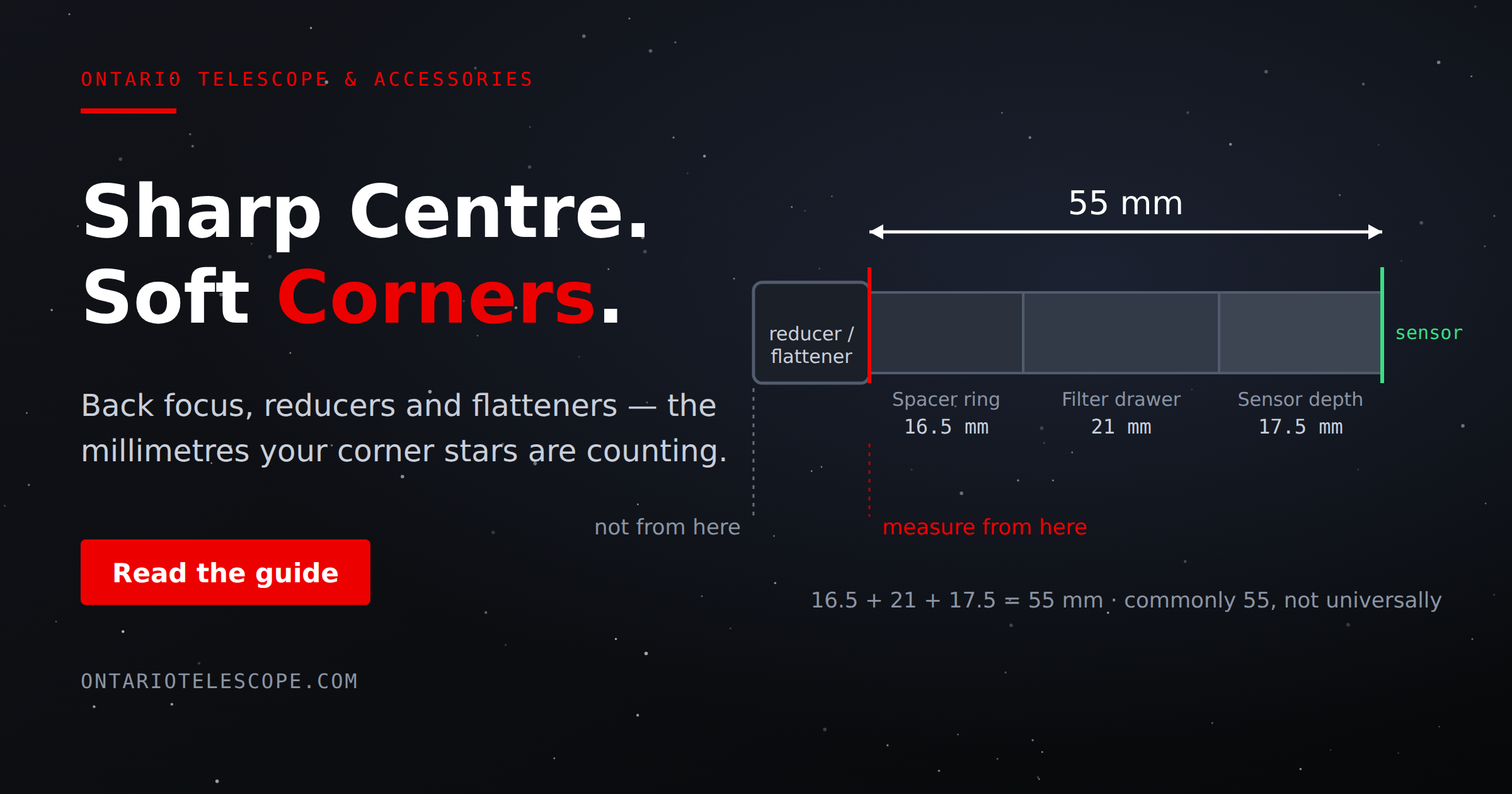
What Is Back Focus in Astrophotography? Telescope Reducers, Flatteners, and Spacing Explained
What Is Back Focus in Astrophotography? Telescope Reducers, Flatteners, and Spacing Explained
Back focus is one of those astrophotography terms that c
Read More
Read More