


- Description
- Specifications
The Quattro imaging Newtonian is an affordable, large aperture astrograph, ideal for users searching for a fast imaging system that will work for both astrophotography and visual astronomy. Boasting a swift f/4 focal ratio, this astrograph can produce an exposure 6x faster than the average 8-inch f/10 Schmidt Cassegrain telescope. Although designed as an imaging optical tube, these Newtonians also produce bright and detailed viewing for visual astronomy.
Like all Sky-Watcher reflectors, the Quattro imaging Newtonian features borosilicate mirrors coated with Sky-Watcher’s proprietary Radiant ™ Aluminum Quartz (RAQ™), producing 94% reflectivity. The tube is constructed with rolled steel, then coated with Sky-Watcher’s signature glossy metal-flake Black Diamond finish. The OTA uses an oversized secondary mirror providing greater illumination for DSLRs and CCDs using full-frame sensors, and an optional coma corrector is available for those who want to take their imaging to the next level.
Included with the Quattro Newtonian is a 10:1 dual-speed 2-inch Crayford-style focuser, 1.25 and 2-inch eyepiece adapters, a 9x50 finderscope, tube rings, and a V-style dovetail plate.
| Optical Design | Reflector |
| Optical Diameter | 205 mm |
| Focal Length | 800 mm |
| F/Ratio | f/4 |
| Highest Practical Power | 410x |
| Finder Scope | 8x50 |
| Focuser Diameter | 2" (50.8mm) Dual-Speed 10:1 Linear Power Focuser |
| Tube Weight | 9.5 kg |
| Tube Dimensions | 23.5cmx71.1cm |
You may also like
Recently viewed
Recent Blog Posts
View all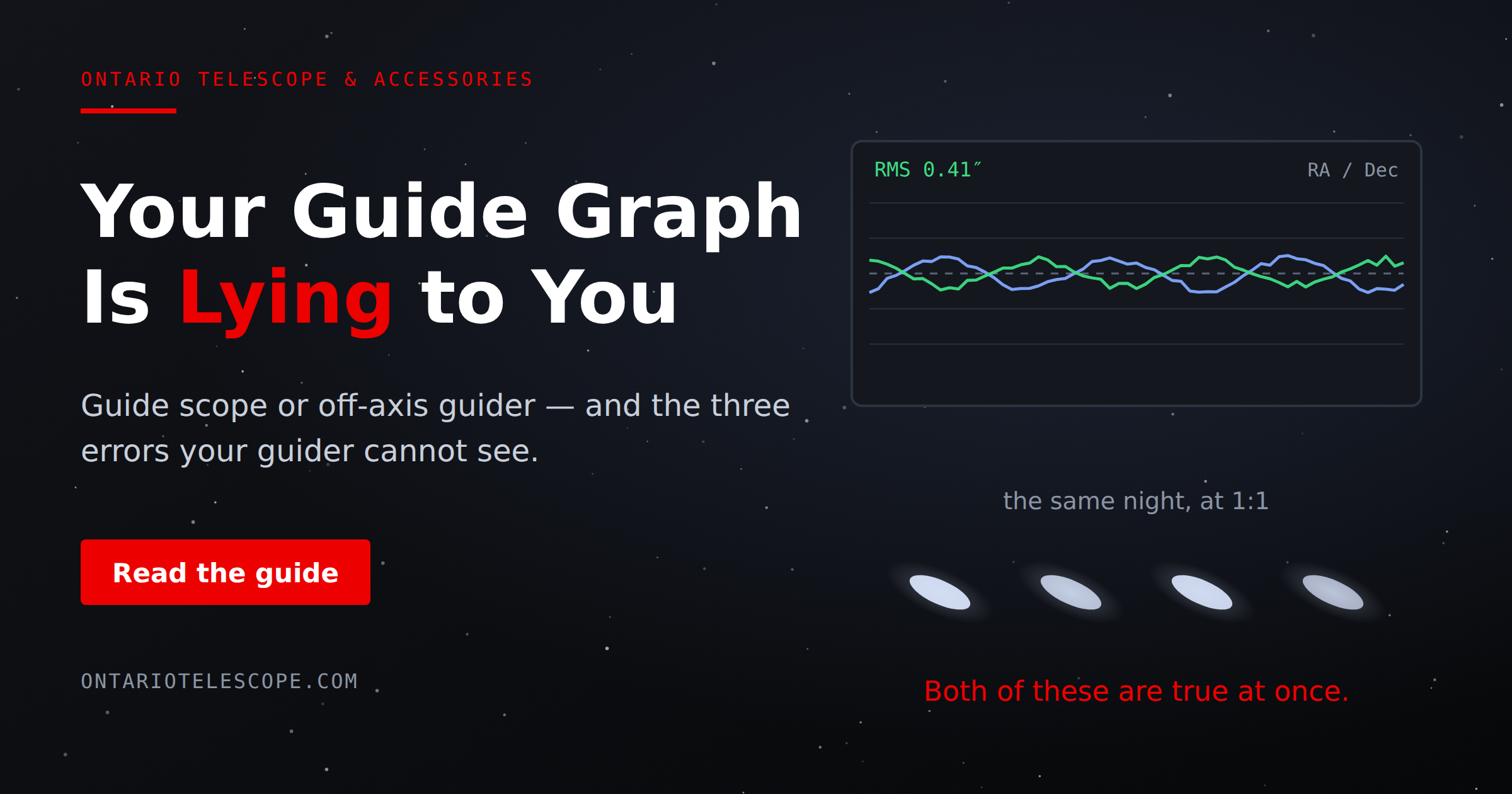
Your Guide Graph Is Lying to You
Read More
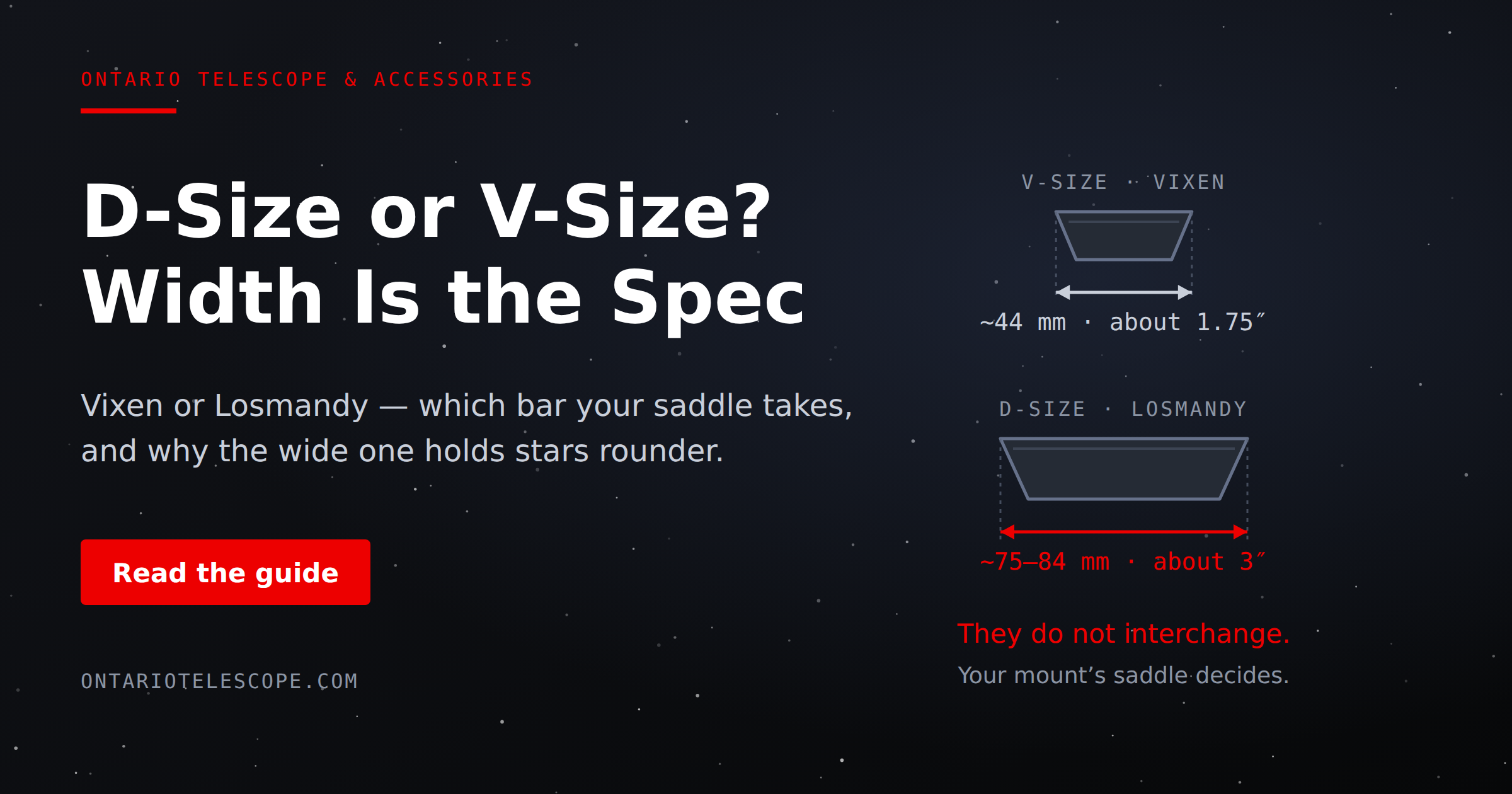
D-Size vs V-Size: A Complete Guide to Telescope Dovetail Systems
Read More
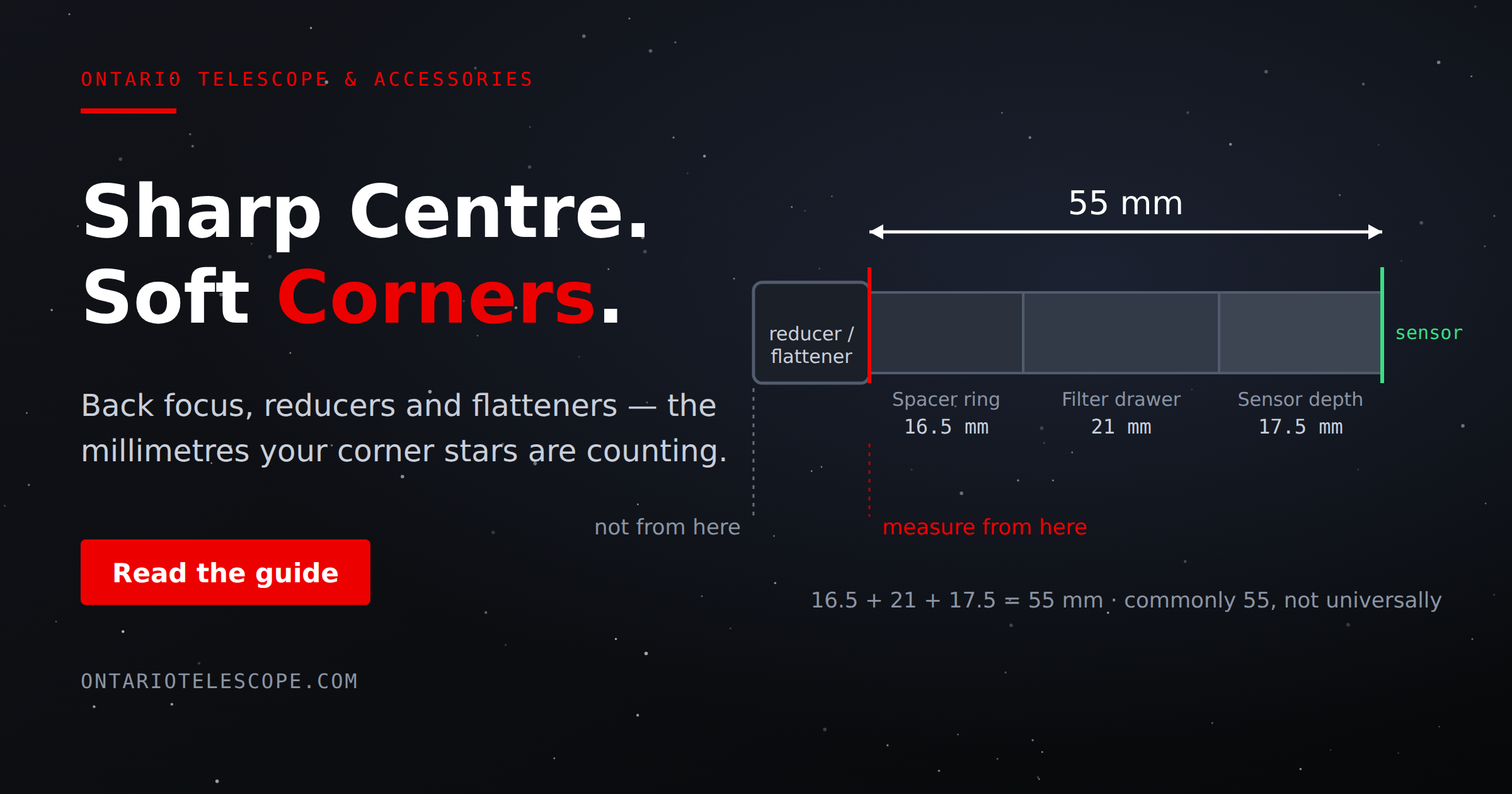
What Is Back Focus in Astrophotography? Telescope Reducers, Flatteners, and Spacing Explained
Read More