


- Description
- Specifications
Product Overview
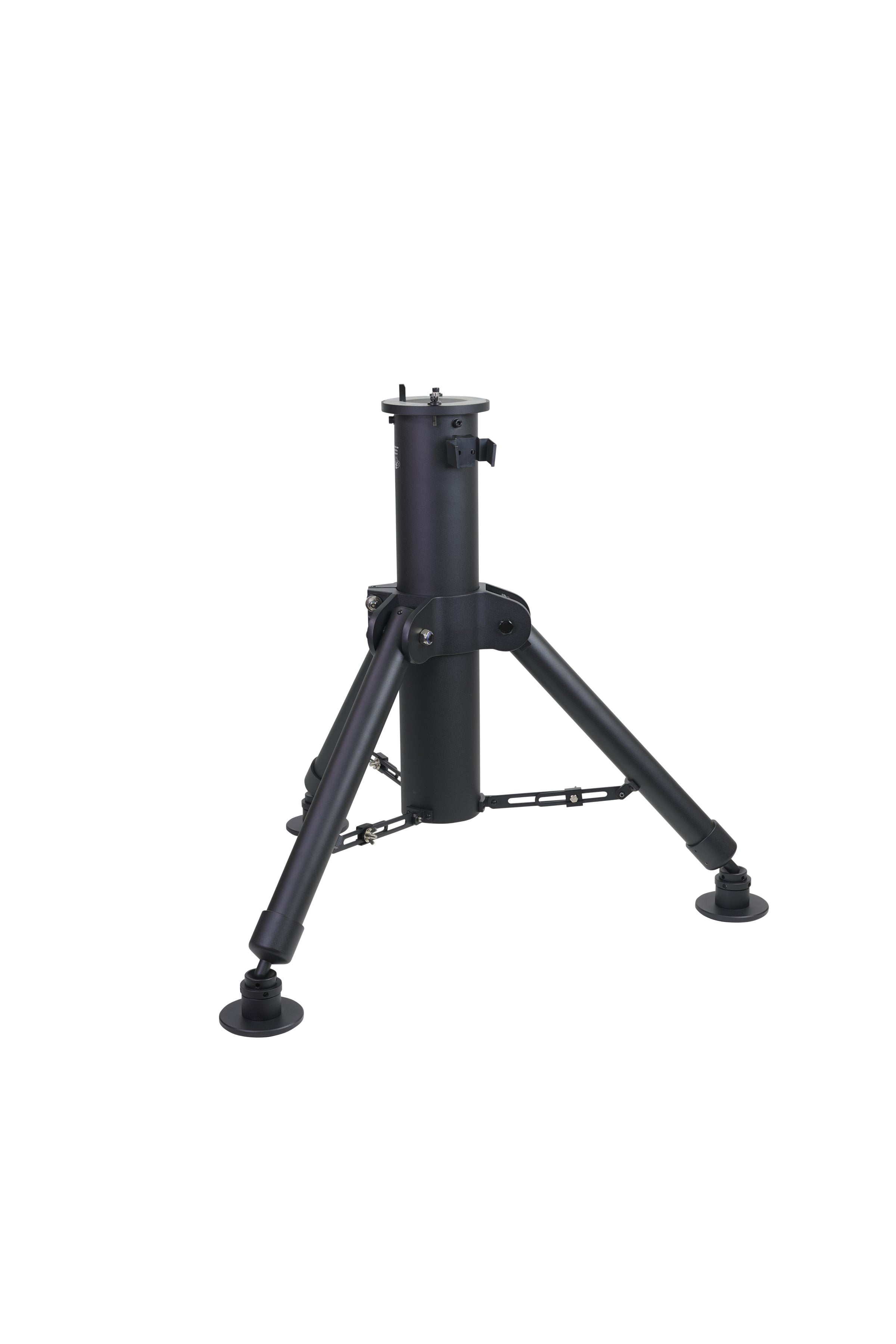
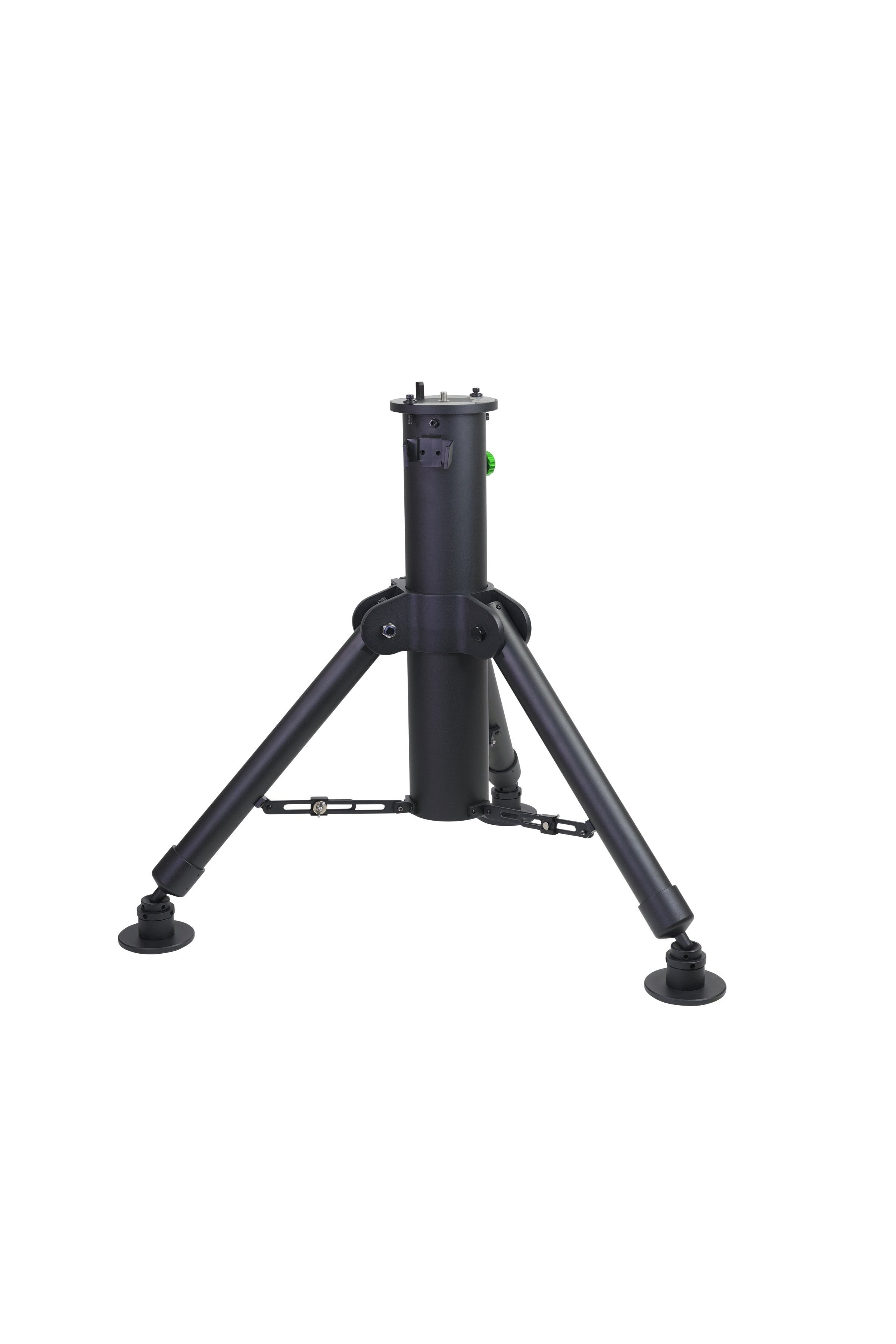
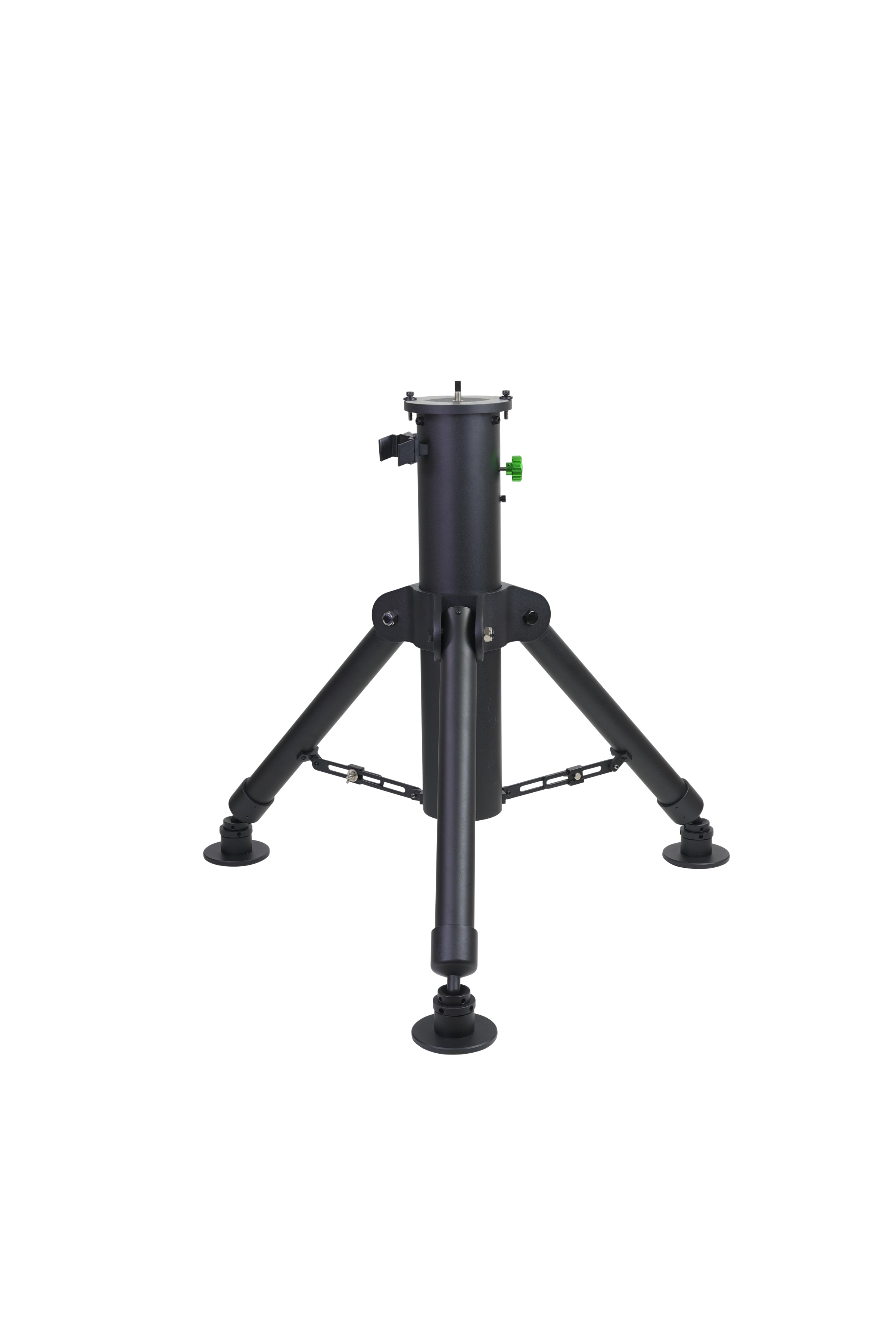
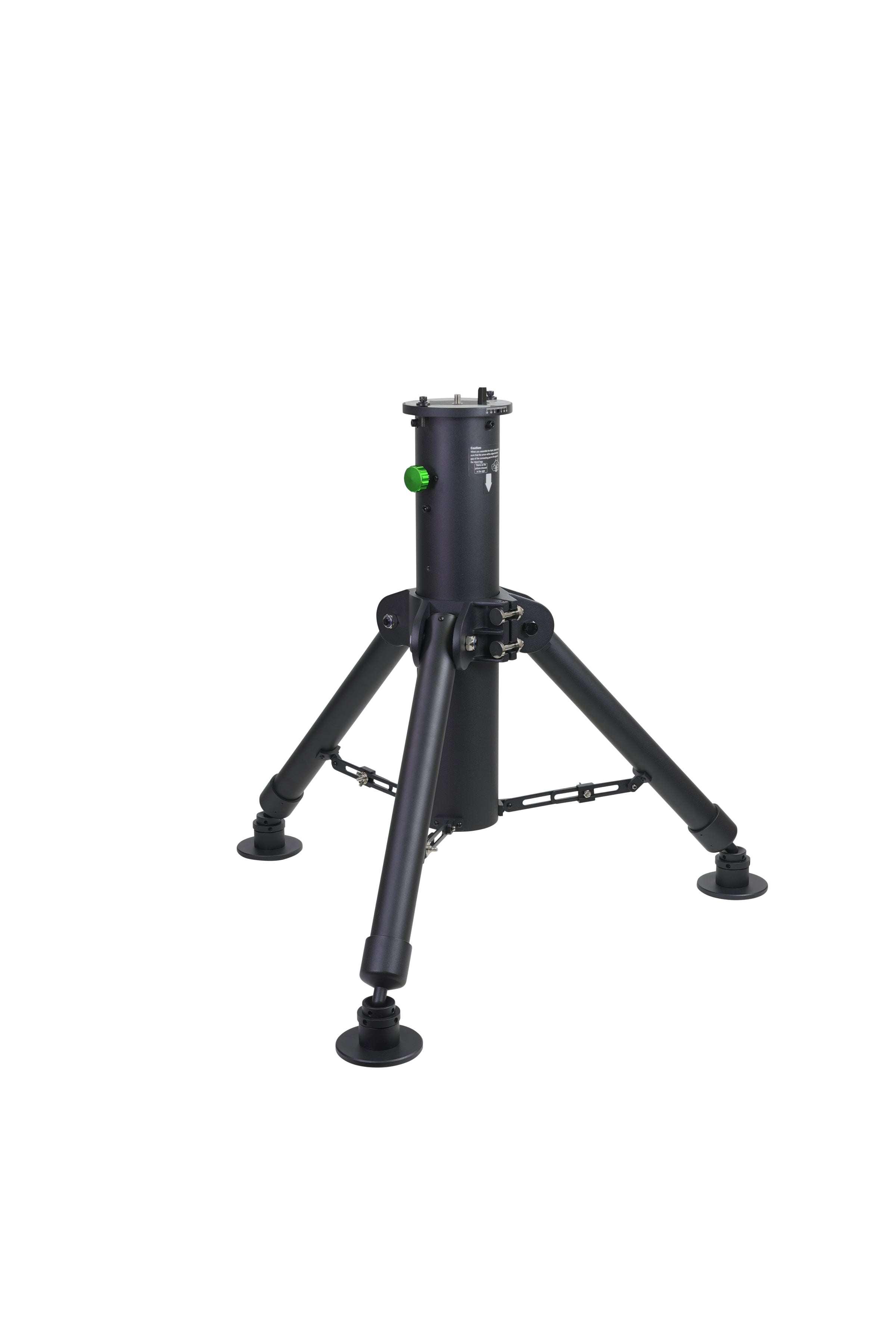
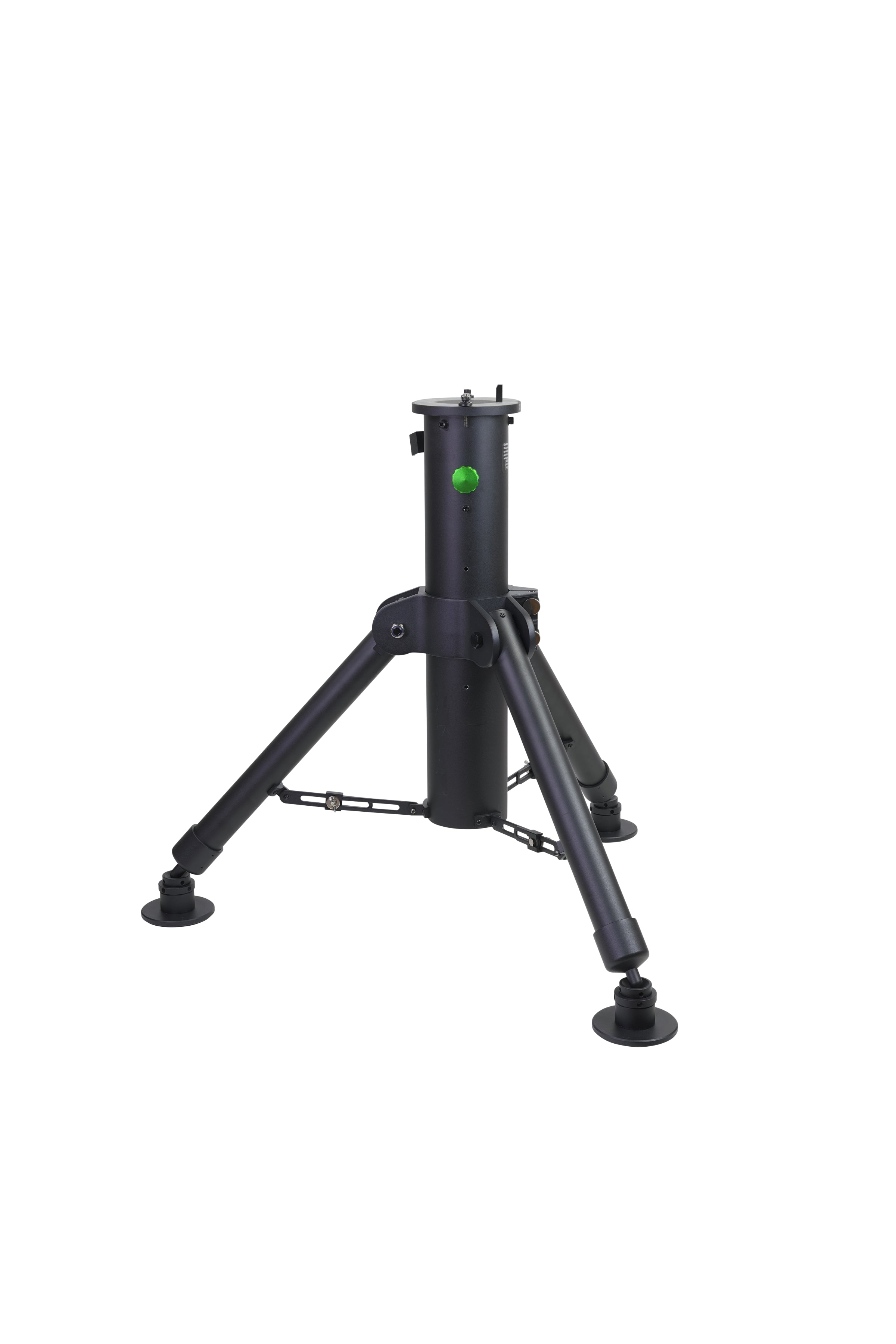
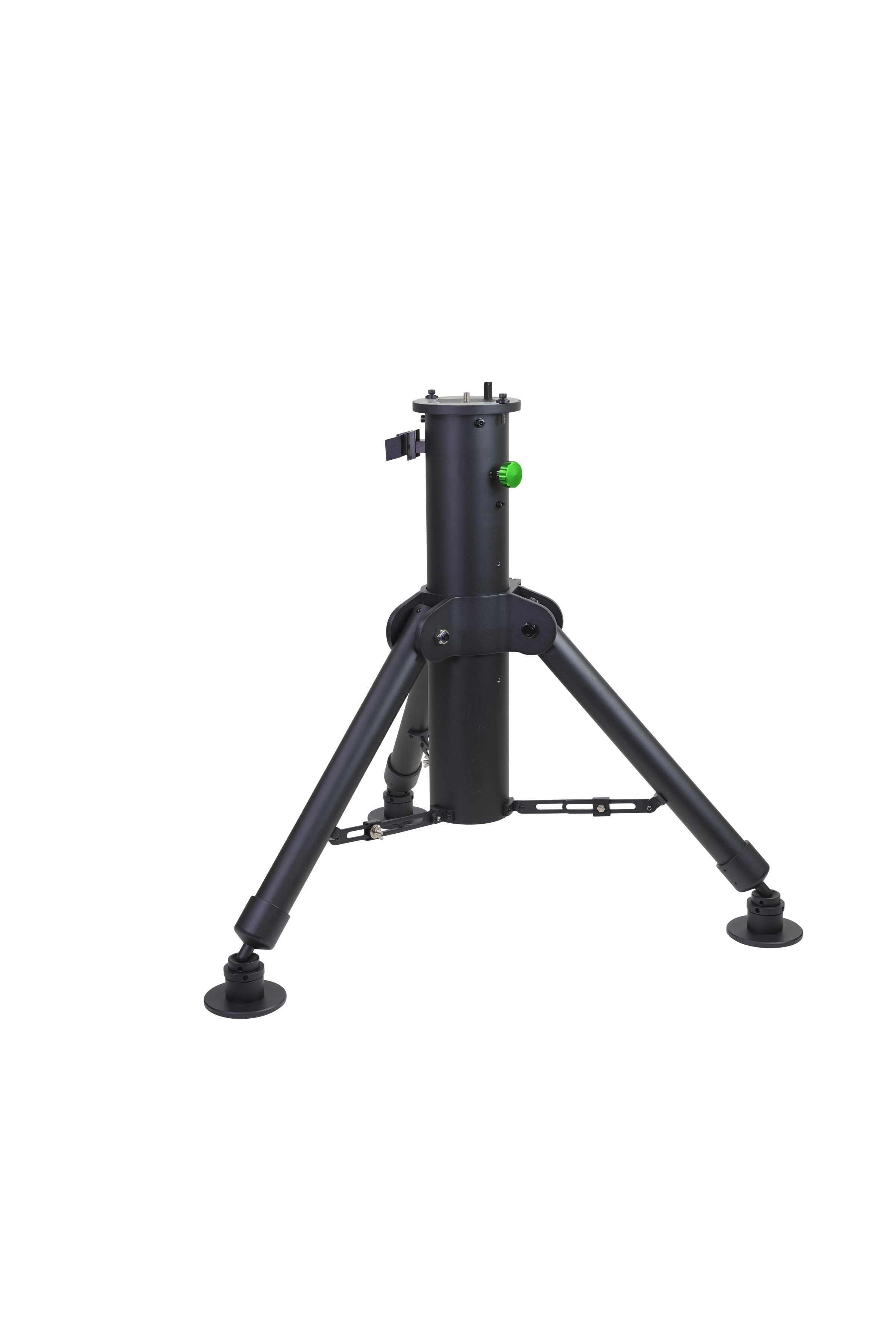
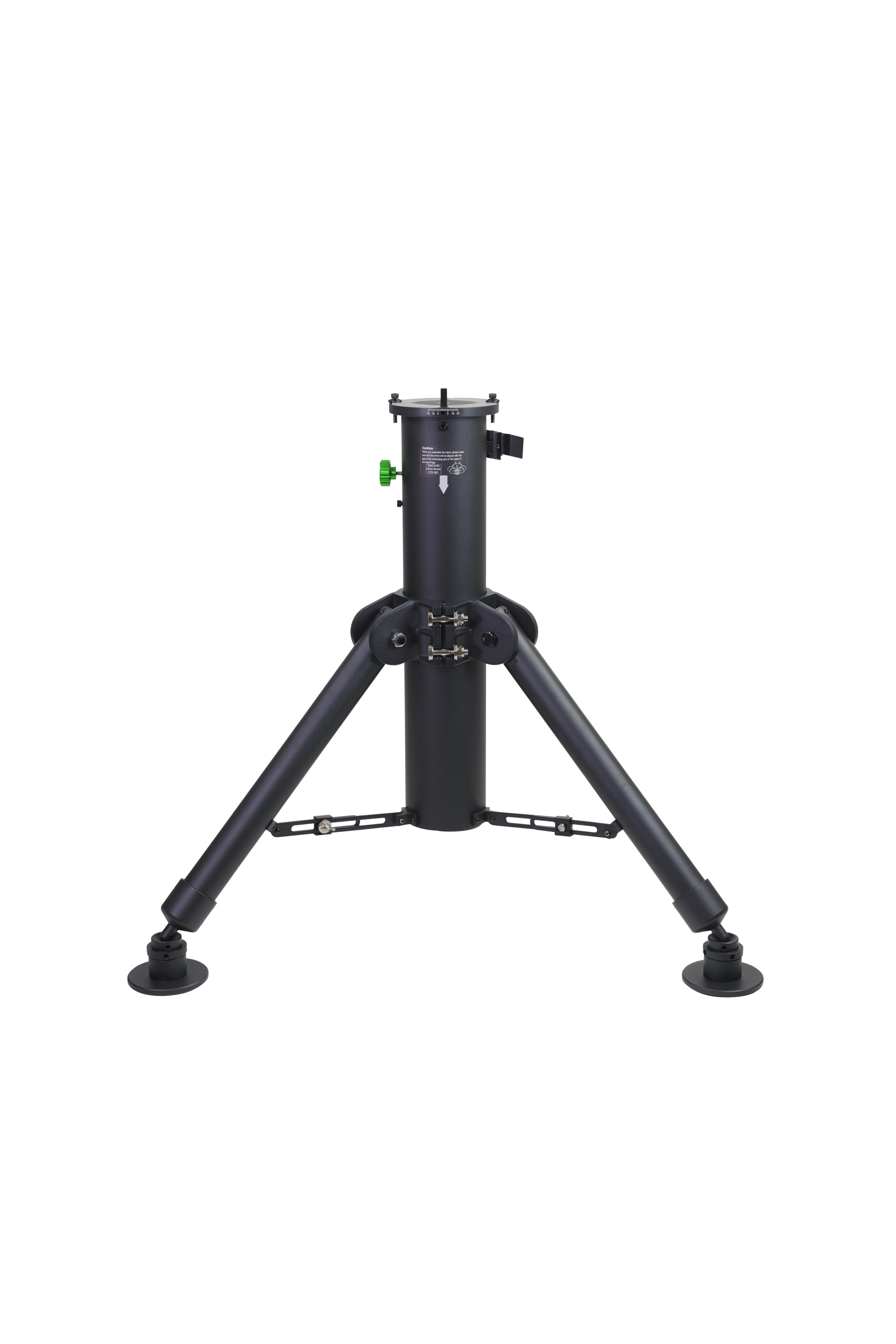
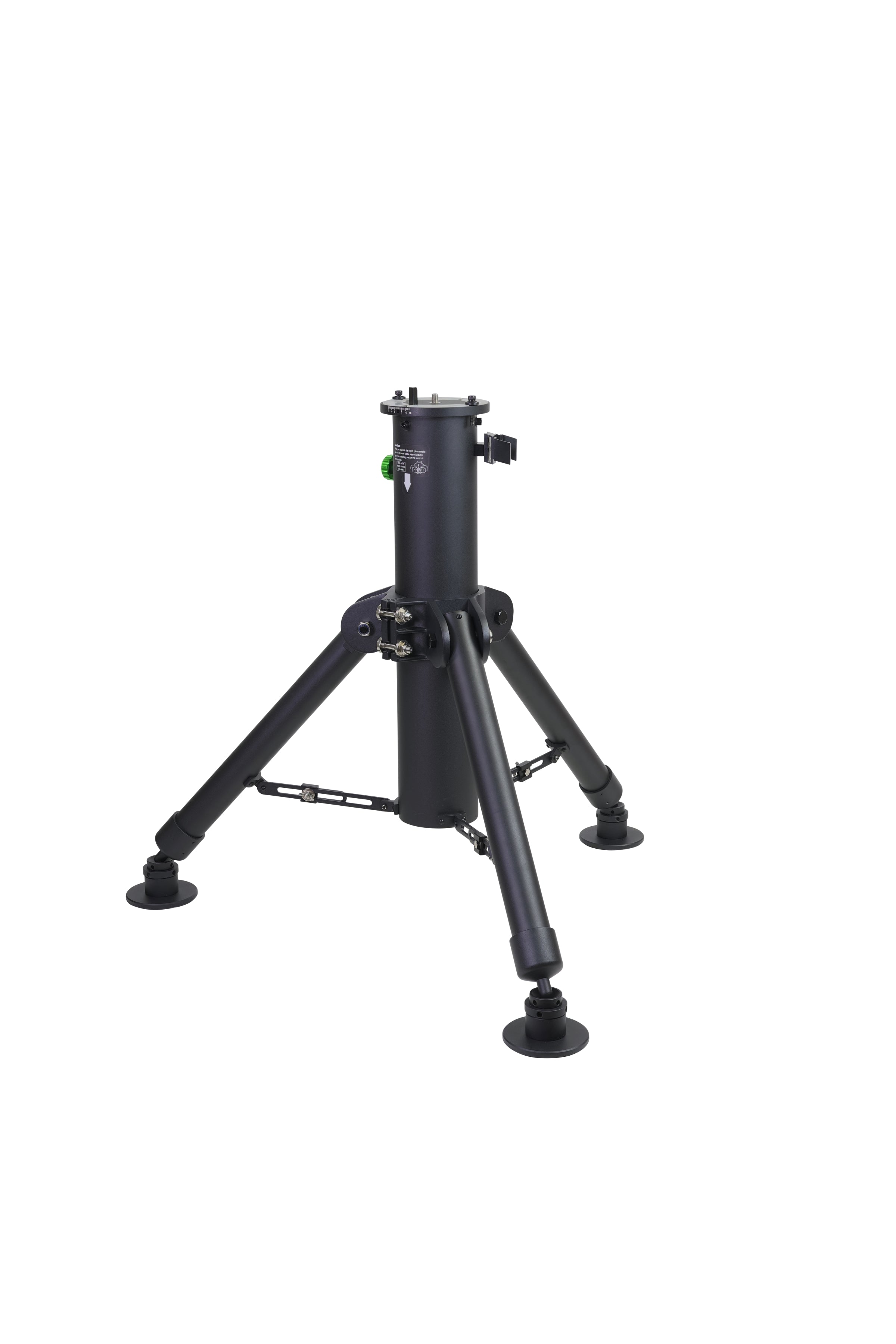
The EQ8-R Pier Tripod is Sky-Watcher's field support for their observatory-class mount heads. It is a pier tripod rather than a conventional folding tripod — a short, wide-stanced column with three legs bracing a single central pier — and it carries the EQ8-R, EQ8-Rh and CQ350 mount heads.
It weighs 61.0 lb (27669 g), which is the figure that tells you what it is for. That mass is the point: it sits under mount heads carrying imaging payloads measured in tens of kilograms, and heavy-duty leveling pads are included so the whole assembly can be brought level on ground that is not.
Who It's For
This is the support for anyone running an EQ8-R, EQ8-Rh or CQ350 mount head. It suits a permanent or semi-permanent installation — an observatory floor, a backyard pad, a fixed imaging position — where the mount is assembled and then left standing.
It is also the part to order if you bought one of those mount heads on its own, or if you are running a second position and want an identical support under it so the head can move between them without re-levelling from scratch.
Key Features & Design
- Pier tripod construction: three legs bracing a central pier column rather than a folding tripod head, which is the arrangement Sky-Watcher specifies for their heaviest mount heads.
- Heavy-duty leveling pads included: the pads ship with the tripod, so levelling on uneven ground is handled by the hardware in the box.
- Compatible with EQ8-R, EQ8-Rh and CQ350 mount heads: one support across Sky-Watcher's observatory-class range.
- 61.0 lb (27669 g): the mass that damps vibration under a loaded observatory-class head, and the reason this is a fixed-position support rather than a travel one.
- Adjustable levelling feet: Sky-Watcher's EQ8-R manual notes the tripod can sit directly on level ground or on its three adjustable stands, set with levelling screws and locking rings.
Recommended Uses
- Observatory and fixed-pad installation: the intended home for a 61 lb support carrying an EQ8-class head.
- Long-exposure deep-sky astrophotography: where the rigidity and mass under the mount show up directly in the guiding trace.
- Long focal length imaging and visual work: the applications where vibration settling time matters most.
- Replacement or second support: for an EQ8-R, EQ8-Rh or CQ350 head bought as a head-only package.
Compatibility and Accessory Notes
Sky-Watcher lists compatibility as the EQ8-R, EQ8-Rh and CQ350 mount heads. The same tripod ships as part of the complete EQ8-R and EQ8-Rh mount packages, so a head bought separately pairs with this tripod to make up the same configuration.
The heavy-duty leveling pads are part of what you receive; no separate levelling hardware is needed to set the tripod on an uneven surface. Sky-Watcher's EQ8-R mount manual shows the tripod at a height range of 800–1100 mm and gives its weight there as 29.4 kg, which differs slightly from the 61.0 lb figure published against this SKU.
If you are matching this tripod to a head you already own, or checking it against a pier plate or observatory floor bolt pattern, send us the mount head model and the mounting surface you are working with and we will confirm the fit before anything ships.
Good to Know Before You Order
- The mount head is not included. This is the tripod alone; the EQ8-R, EQ8-Rh and CQ350 heads are separate products.
- It weighs 61.0 lb. That is a two-person lift into position, and it is the reason this support tends to be sited once.
- Sky-Watcher publishes two slightly different weights. 61.0 lb (27669 g) against this SKU, and 29.4 kg in the EQ8-R mount manual. Both are their figures; the SKU-level figure is the one we ship against.
- Sky-Watcher publishes no leg diameter, material or load rating for this tripod. Those rows are absent from the specification table below rather than filled with an estimate. If a figure is decisive for your installation we will ask Sky-Watcher directly.
- Height is given in the mount manual, not on the product page. The EQ8-R manual shows an 800–1100 mm range, and it appears in the table below attributed to that source.
Frequently Asked Questions
Is it difficult to set up?
The assembly itself is straightforward — the legs brace the central pier and the heavy-duty leveling pads go underneath. Sky-Watcher's manual describes two options: setting the tripod directly on level ground, or standing it on its three adjustable stands and bringing it level with the levelling screws and locking rings. The weight is the part to plan for rather than the procedure; at 61.0 lb it is easiest to carry to its position before the mount head goes on top.
Which mount heads does it take?
The EQ8-R, the EQ8-Rh and the CQ350.
Do the leveling pads come with it?
Yes. Heavy-duty leveling pads are included.
How tall is it?
Sky-Watcher's product page does not publish a height. Their EQ8-R mount manual shows the tripod at 800–1100 mm in the dimensional drawings.
Is this the same tripod that comes with the complete EQ8-R mount?
Sky-Watcher sells the EQ8-R and EQ8-Rh both as complete mounts with pier tripod and as head-only packages, and lists this SKU as the pier tripod compatible with those heads. If you want that confirmed against a specific mount you already have, send us the serial or the package you bought and we will check it with Sky-Watcher.
Bottom Line
A 61.0 lb pier tripod with heavy-duty leveling pads included, made to sit under Sky-Watcher's EQ8-R, EQ8-Rh and CQ350 mount heads. It is the factory support for those heads, available on its own.
| SKU | S30605 |
|---|---|
| UPC | 050234306058 |
| Type | Pier tripod |
| Compatibility | EQ8-R/h and CQ350 mount heads |
| Included parts | Heavy-duty leveling pads |
| Height range | 800~1100 mm (from Sky-Watcher EQ8-R mount manual) |
| Weight | 61.0 lb (27669 g) |
| Weight (EQ8-R mount manual) | Tripod 29.4kg |
You may also like
Recently viewed
Recent Blog Posts
View all
Your Guide Graph Is Lying to You
Read More

D-Size vs V-Size: A Complete Guide to Telescope Dovetail Systems
Read More

What Is Back Focus in Astrophotography? Telescope Reducers, Flatteners, and Spacing Explained
Read More