

- Description
- Specifications
Product Overview
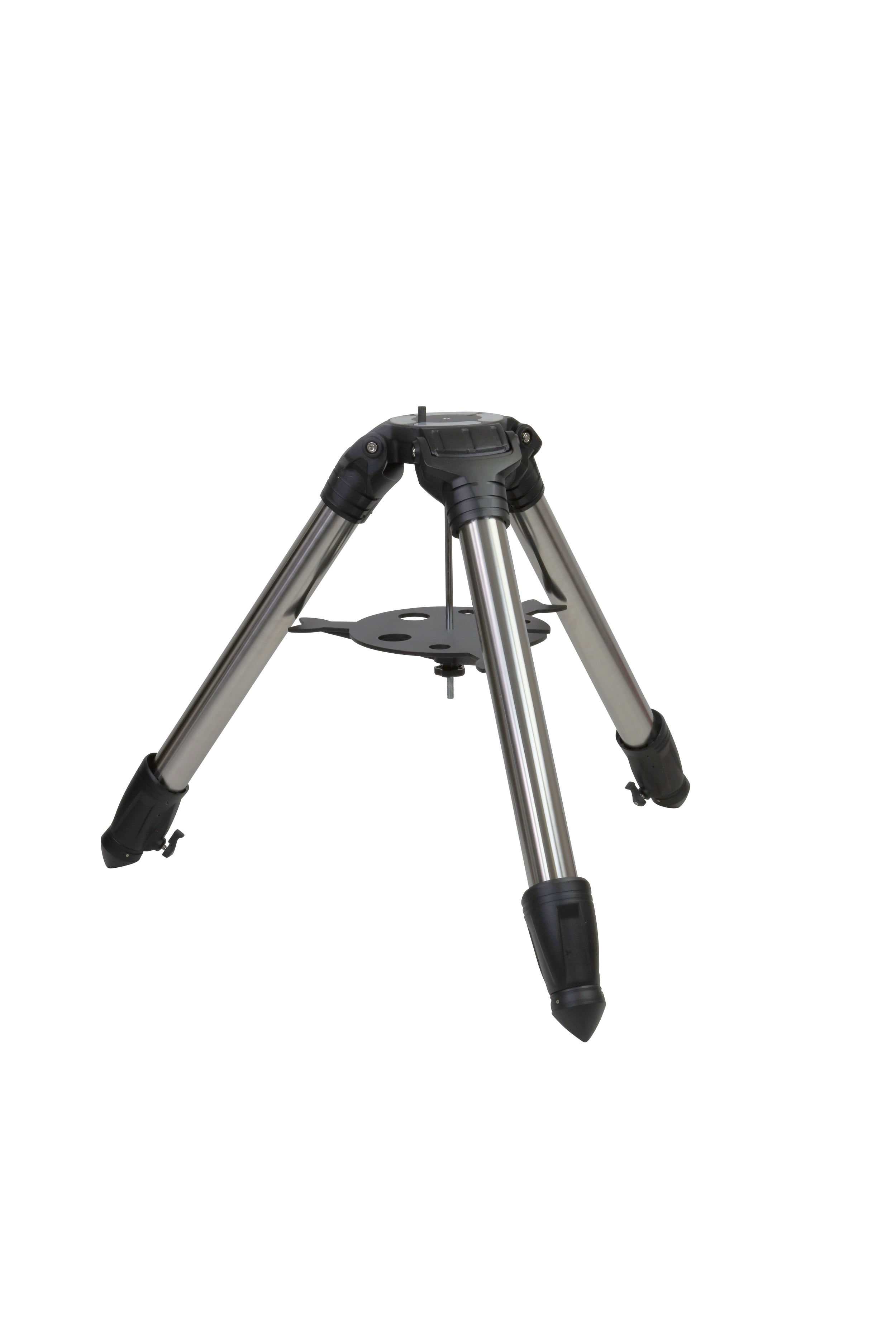
The CQ350 Tripod is the field support Sky-Watcher publishes for the CQ350 and EQ8-R/h mount heads. Its legs are 70 mm in diameter and adjust from a retracted 30.5" to an extended 42.5", so the head can sit low for a wide, stable stance or be raised for clearance under a long tube. The tripod itself weighs 34.5 lbs. and folds to 11"x11"x37" for transport.
Who It's For
This is the tripod for an observer running a CQ350 or an EQ8-R/h head. It is the natural choice as a replacement for a damaged set of legs, as a second support so one tripod can stay set up at home while the other travels, or as the base for a head bought on its own. The head, counterweights and shaft are separate items — this is the tripod only.
Key Features & Design
- 70 mm leg diameter: the legs are the largest section Sky-Watcher publishes in its tripod range, which is what allows them to sit under an observatory-class head like the CQ350 or EQ8-R/h.
- 30.5" to 42.5" height range: twelve inches of adjustment. The low setting keeps the centre of mass down for imaging in wind; the high setting lifts the tube so the counterweight shaft and camera clear the legs near the meridian.
- 39"x56" spread retracted: the published footprint with the legs collapsed, useful when planning a pad, a deck or a spot inside an observatory.
- 11"x11"x37" folded: the transport dimension. It fits across a car boot or behind the seats rather than needing a full estate load.
- 34.5 lbs. tripod mass: heavy enough to damp quickly under a large head, and light enough to be carried out in one trip separate from the head.
Recommended Uses
- Long-exposure deep-sky imaging: the 70 mm legs and 34.5 lbs. of mass give the CQ350 or EQ8-R/h a base that settles fast between dithers.
- Large visual instruments: big SCTs, Newtonians and long refractors carried on either head sit at a usable eyepiece height across the 30.5"–42.5" range.
- Portable dark-sky work: at 11"x11"x37" folded, the tripod travels as its own piece rather than as an assembled mount.
Compatibility and Accessory Notes
Sky-Watcher publishes this tripod as compatible with the EQ8-R/h and CQ350 mount heads. Those are the two heads named; other Sky-Watcher heads pair with their own tripods and pillars.
There is one published restriction: the tripod cannot be used with an EQ8-R/h head below 27° latitude. Ontario sits between roughly 42° and 57° N, so an EQ8-R/h used from anywhere in the province is well clear of that limit; it matters only for a mount travelling to the tropics.
If you are unsure which head you have, or you are matching a tripod to a head bought second-hand, send us the model and a photo of the base casting and we will confirm the fit before anything ships.
Good to Know Before You Order
- Tripod only: the mount head, counterweight shaft and counterweights are separate purchases.
- EQ8-R/h latitude restriction: Sky-Watcher states the tripod cannot be used with an EQ8-R/h head below 27° latitude. The CQ350 head carries no such published restriction.
- 34.5 lbs. before the head goes on: with a CQ350 or EQ8-R/h on top the assembled mount is a two-piece carry, which is how most owners move it anyway.
- No standalone load rating is published: Sky-Watcher lists the tripod's dimensions and mass but not a separate payload figure. The number to plan around is the payload published for the mount head.
- Construction detail is not published: Sky-Watcher does not state the leg material or finish for this tripod, so we do not quote one.
Frequently Asked Questions
Is it difficult to set up?
No. It is the standard tripod routine — spread the legs, set the extension anywhere between 30.5" and 42.5", level it, and the head goes on top. The only unusual part is the mass: 34.5 lbs. of tripod is a deliberate two-hand lift, and the head is normally carried and fitted as a separate trip.
Which mount heads does it fit?
The EQ8-R/h and the CQ350. Those are the heads Sky-Watcher publishes for this tripod.
How much height does it actually give?
The tripod stands 30.5" retracted and 42.5" fully extended, measured to the head seat. The mount head and telescope add to that.
Will it fit in a car?
Folded it measures 11"x11"x37", so it travels as a single long parcel rather than needing the mount to stay assembled.
Why is there a 27° latitude note for the EQ8-R/h?
Sky-Watcher publishes it as a hard compatibility statement for that head on this tripod. At Ontario latitudes it has no practical effect; it applies to observing sites nearer the equator.
Bottom Line
A 70 mm-leg tripod built for the two heaviest heads in the Sky-Watcher equatorial line, adjustable from 30.5" to 42.5", 34.5 lbs. on its own, and small enough folded to travel. If you own a CQ350 or an EQ8-R/h, this is the support Sky-Watcher publishes for it.
| SKU | S30805 |
|---|---|
| UPC | 050234308052 |
| Type | Tripod |
| Compatibility | EQ8-R/h and CQ350 mount heads (cannot be used with EQ8-R/h below 27° latitude) |
| Leg Diameter | 70mm |
| Retracted Height | 30.5" |
| Extended Height | 42.5" |
| Spread Retracted | 39"x56" |
| Folded Measurements | 11"x11"x37" |
| Weight | 34.5 lbs. |
You may also like
Recently viewed
Recent Blog Posts
View all
Your Guide Graph Is Lying to You
Read More
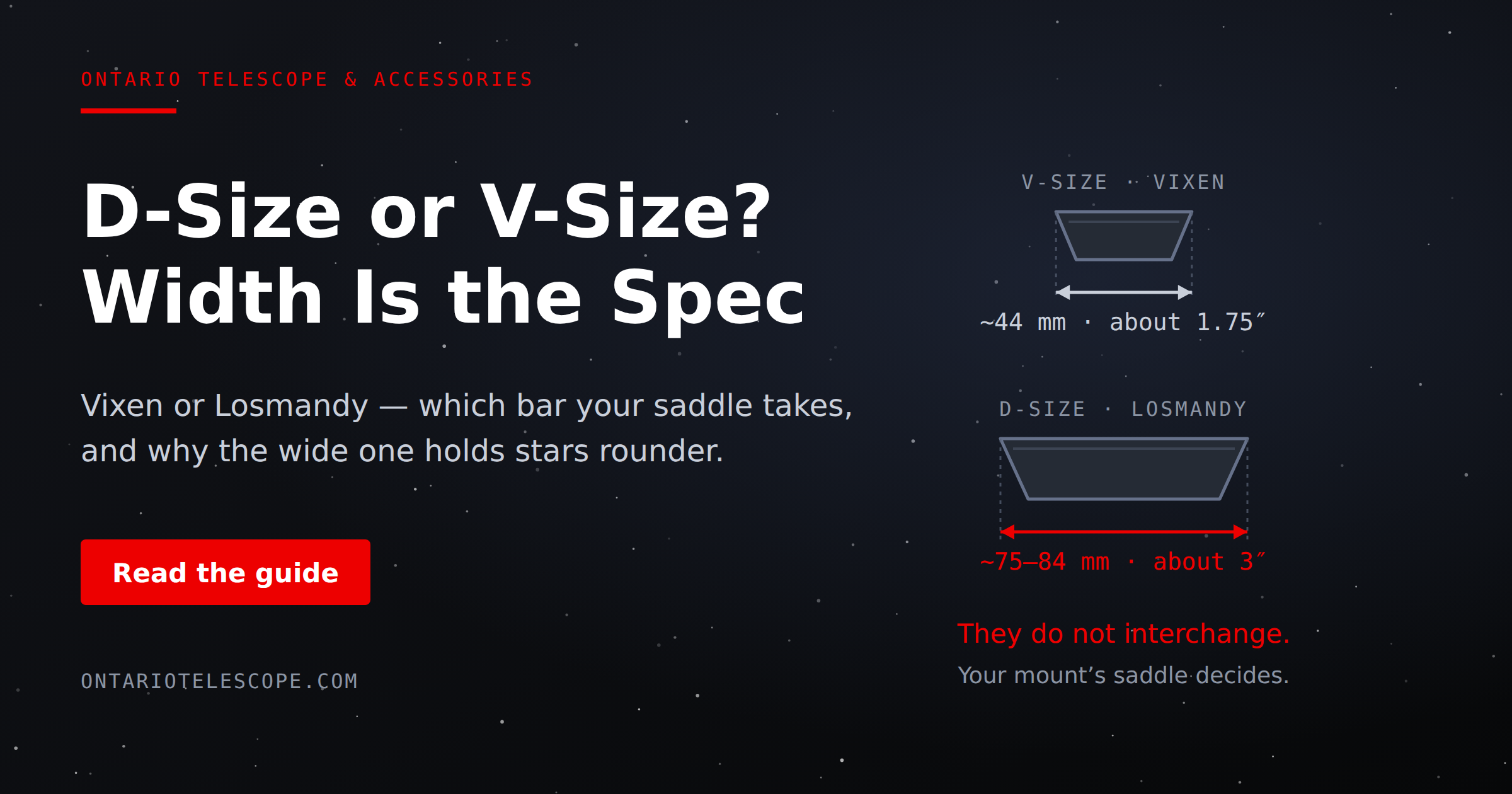
D-Size vs V-Size: A Complete Guide to Telescope Dovetail Systems
Read More
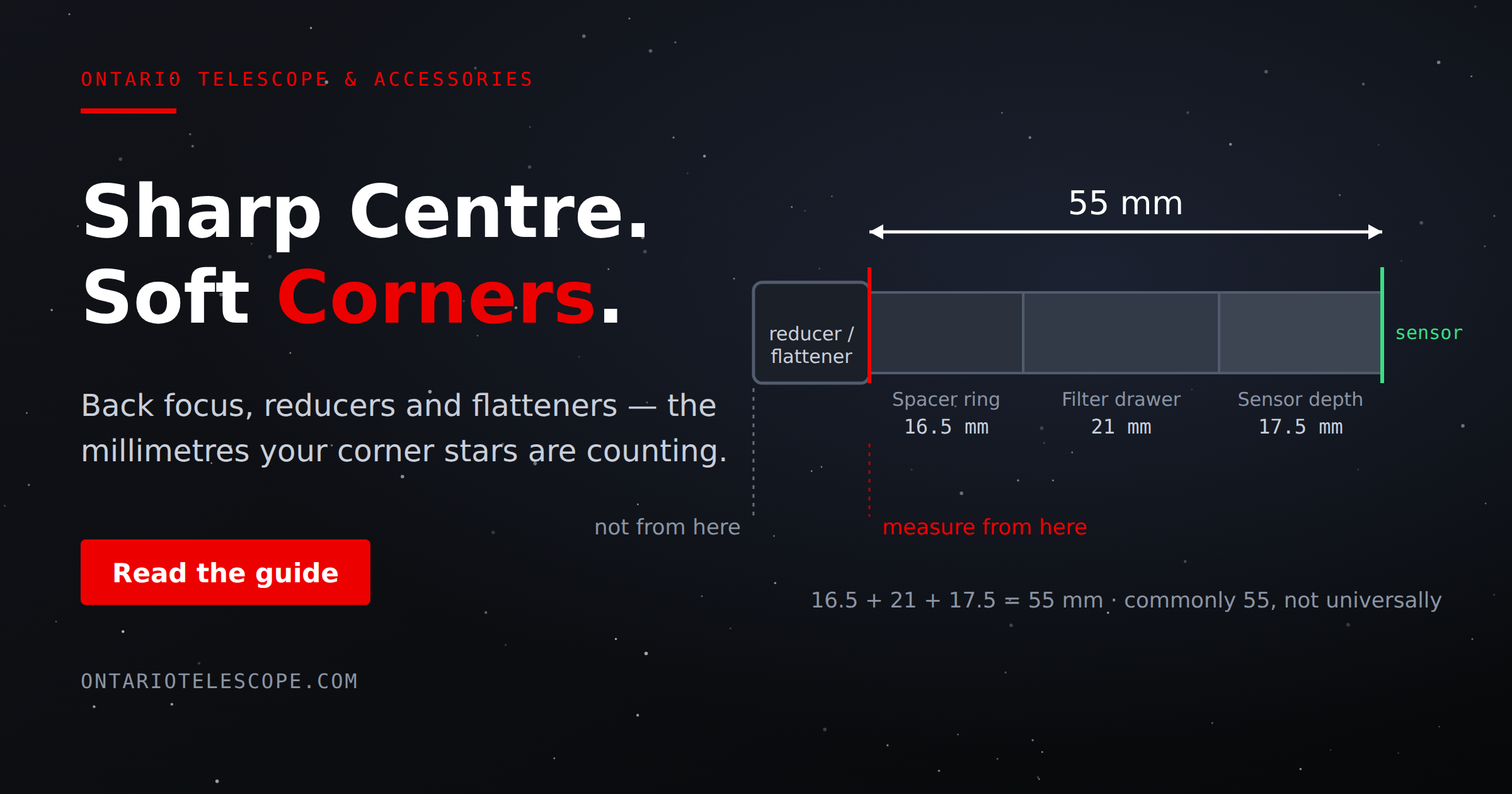
What Is Back Focus in Astrophotography? Telescope Reducers, Flatteners, and Spacing Explained
Read More