




- Description
- Specifications
Product Overview
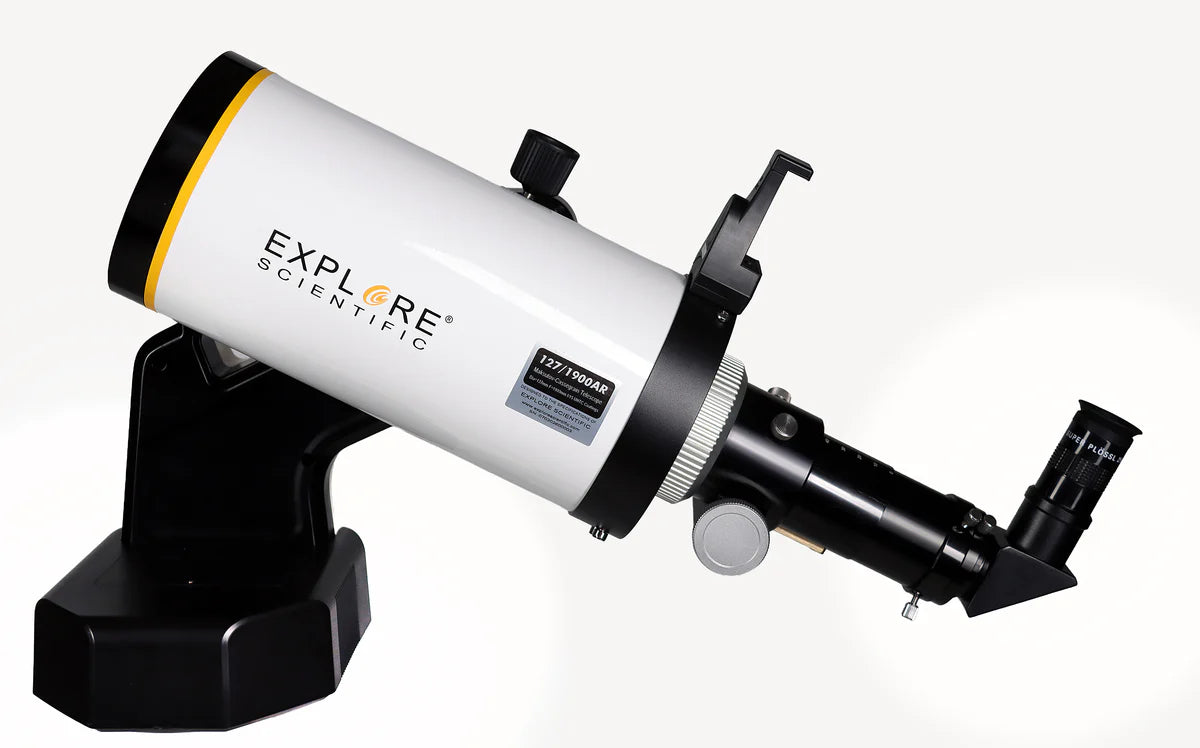
The Explore Scientific Sidara Pro 127 is a complete telescope system: a 127mm Maksutov-Cassegrain optical tube on a computerized GoTo mount, supplied with a tripod, eyepieces and accessories in one box. Explore Scientific publishes a focal length of 1900mm for the optical tube and describes the pointing and tracking as being handled through their SkyAssist software interface.
A 1900mm focal length in a tube that a Maksutov folds into a compact package is the central idea here. The light path travels down the tube, back up it and down again before reaching the eyepiece, so the physical instrument is a fraction of the length its focal length would suggest. What that buys is image scale — the Moon, the planets, double stars and small bright deep-sky objects all arrive large in the field without a focal extender in the train.
Who It's For
- Lunar and planetary observers: this is a good match if craters, rilles, the Jovian belts, Saturn's rings and the phases of Venus are what you want to spend your nights on. The focal length delivers the scale for that work directly.
- Observers who want to find things quickly: the computerized GoTo mount with SkyAssist handles the pointing and the tracking, which changes what an hour under the sky produces.
- Double-star observers, where high magnification in a long-focal-length instrument is exactly the tool for the job.
- People short on storage or transport space: this is a good match if a folded catadioptric that packs down small suits your situation better than a long tube.
- Anyone who would rather buy one box than assemble a system: tube, mount, tripod, eyepieces and accessories arrive together.
Key Features & Design
- 127mm Maksutov-Cassegrain optical tube: a catadioptric design combining a thick meniscus corrector lens at the front with mirrors behind it.
- 1900mm focal length: long enough for serious lunar, planetary and double-star magnification straight out of the box.
- Computerized GoTo mount: motorized pointing and tracking rather than manual slewing and nudging.
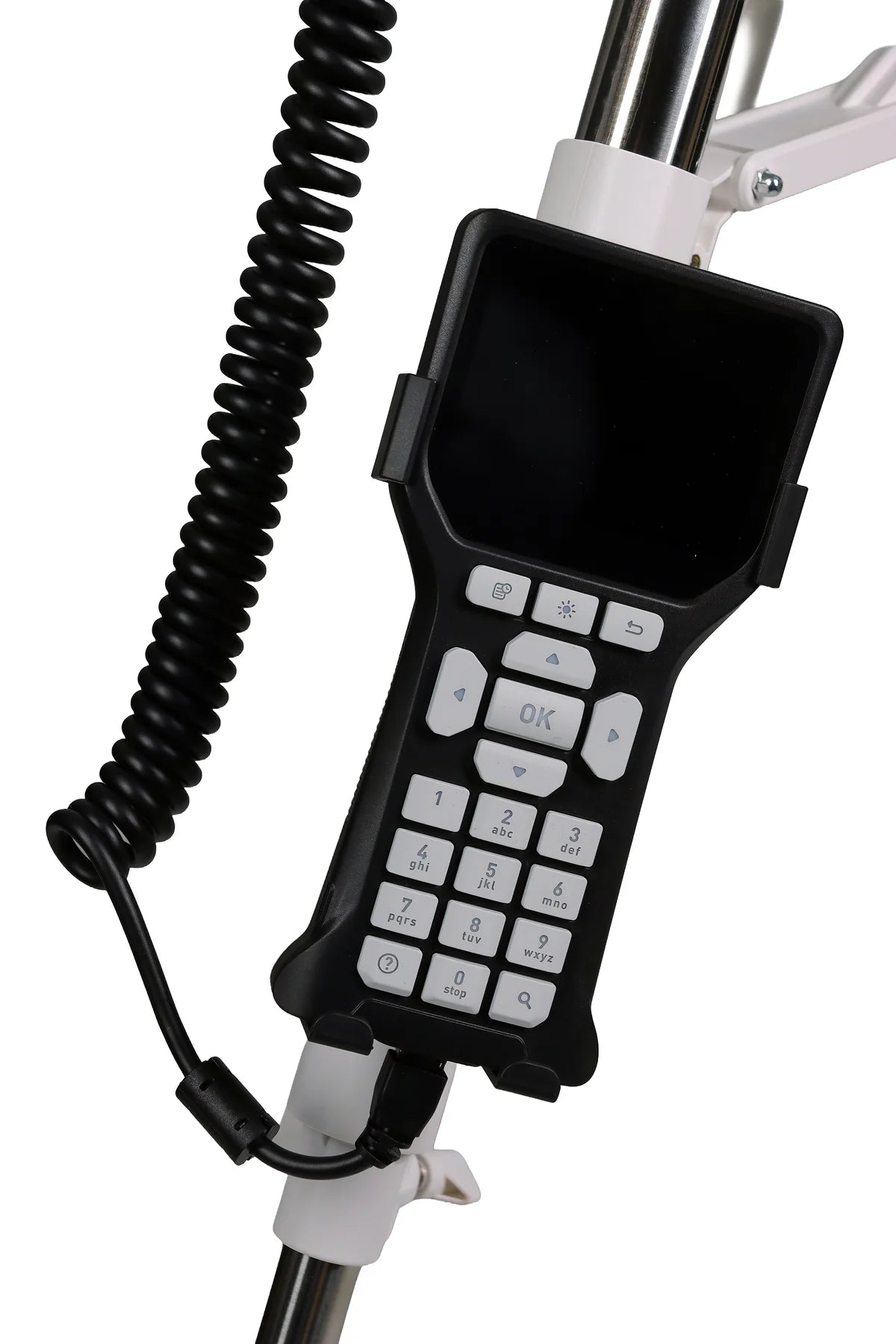
- SkyAssist software interface: the control layer Explore Scientific supplies for automated targeting and tracking.
- Tripod included as part of the package rather than a separate purchase.
- Eyepieces and accessories included, so the system is observing-ready as delivered.
Optical Design
A Maksutov-Cassegrain starts with a thick, strongly curved meniscus lens across the front of the tube. Light passes through that corrector, travels down to a concave primary mirror, reflects back up to a small secondary — in most Maksutov designs an aluminised spot on the inside face of the corrector itself — and then passes back down through a hole in the primary to the focuser. Folding the light path three times is what allows 1900mm of focal length to live inside a tube far shorter than that.
The trades are equally specific and worth knowing. A closed tube with a thick glass corrector takes longer to reach ambient temperature than an open tube, and views taken before it has settled will be softer than the optics can actually deliver. The long focal length also means the widest true field available is modest — large open clusters and the bigger nebulae will not fit in a single view the way they would in a short refractor. This is an instrument built to look closely at small things rather than broadly at large ones.
Explore Scientific does not publish a focal ratio, resolution figure or limiting magnitude for the Sidara Pro 127, so those rows are absent from the specifications below rather than estimated. If one of them decides the purchase for you, ask us and we will put the question to our Explore Scientific rep.
Recommended Uses
- High-magnification observing of the Moon, its terminator and its craters.
- Planetary observing — Jupiter's belts and moons, Saturn's rings, the phases of Venus, Mars at opposition.
- Splitting double stars, where long focal length and a clean unobstructed-looking star image both help.
- Small bright deep-sky targets such as globular clusters and planetary nebulae.
- Assisted observing sessions where GoTo pointing does the locating and you do the looking.
Compatibility and Accessory Notes
- Magnification: 1900mm divided by the eyepiece focal length. A 32mm gives 59x, a 25mm gives 76x, a 12mm gives 158x and a 9mm gives 211x.
- Eyepieces: a set is included, though Explore Scientific does not publish which focal lengths. Longer focal lengths are the useful additions for this instrument, since the short end is already well covered by the 1900mm focal length.
- Filters: lunar and neutral-density filters are a natural pairing with an instrument that puts this much magnification on a bright Moon. Colour and planetary filters thread into standard eyepiece barrels.
- Dew: the front corrector of a Maksutov is the surface dew forms on first. A dew shield or a heater strip sized to the tube is the standard remedy, and we stock both.
- Power: Explore Scientific does not publish the power requirement for the GoTo mount, so we are not quoting one. If you plan to run it from a field battery, ask us and we will confirm the specification first.
Good to Know Before You Order
- Explore Scientific publishes very little of the usual specification table for this model. Focal ratio, weight, resolution, limiting magnitude, mount capacity and the supplied eyepiece focal lengths are not given, so those rows read "Not published by vendor" below rather than carrying an estimate. If you need any of them before deciding, ask us and we will get the figure from our rep.
- 1900mm is a long focal length, and that shapes what it does well. The Moon, planets and double stars are its strengths; sweeping wide-field views of large nebulae are not what this focal length produces. Longer eyepieces widen the field as far as the design allows, and we can suggest which ones.
- A Maksutov needs cooling time. The thick corrector and the sealed tube mean the optics take longer to settle than an open tube of the same aperture. Putting it outside early is what unlocks the fine detail.
- Dew collects on the front corrector. It is the first surface to fog on a damp night, and a dew shield or heater sorts it out. We stock both.
- GoTo needs an alignment at the start of each session. The SkyAssist interface walks the process; it takes a few minutes and it is what makes the pointing accurate for the rest of the night.
Frequently Asked Questions
Is it difficult to set up?
The physical assembly is straightforward — tripod, mount, tube, eyepiece, all of which arrive in the one box. The part that takes a few minutes is the GoTo alignment at the start of the session, which the SkyAssist interface guides you through. Once it is aligned, the mount does the finding and the tracking for the rest of the night. A Maksutov also holds its collimation well, so there is no routine optical adjustment.
What magnification does it give?
Divide 1900mm by the focal length of the eyepiece. A 25mm eyepiece gives 76x, a 10mm gives 190x. Atmospheric seeing sets the practical ceiling on any given night.
What comes in the box?
Explore Scientific lists the optical tube, the GoTo mount, the tripod, and eyepieces with accessories, supplied as an integrated package. The specific eyepiece focal lengths are not published, and we will confirm them with our rep on request.
Is it good for deep-sky objects?
For the compact bright ones — globular clusters, planetary nebulae, small galaxies — yes. Large sprawling nebulae and big open clusters exceed the true field a 1900mm instrument can show, which is a property of the focal length rather than a fault.
Can I take photographs with it?
Lunar and planetary imaging suits a long focal length well, and a camera adapter is the usual addition. Deep-sky imaging at 1900mm places heavy demands on tracking and guiding. Tell us what you have in mind and we will be straight with you about what the system will do.
Does it need to be collimated?
A Maksutov-Cassegrain holds alignment far better than an open reflector, and routine collimation is not part of ordinary use.
Bottom Line
In short: a 127mm Maksutov-Cassegrain at 1900mm focal length on a computerized GoTo mount with SkyAssist, supplied complete with tripod, eyepieces and accessories — a compact, high-magnification instrument aimed squarely at the Moon, the planets and double stars. If you would like us to confirm any of the figures Explore Scientific has not yet published, or to suggest eyepieces and a dew shield to go with it, get in touch and we will help you work it out.
| Description | Sidara Pro 127 Maksutov-Cassegrain GoTo telescope system |
|---|---|
| Item Number | ES-MC1271900-SAGT-ST10 |
| Optical Design | Maksutov-Cassegrain |
| Aperture | 127mm |
| Focal Length | 1900mm |
| Mount | Computerized GoTo |
| Control Software | SkyAssist |
| In the Box | Optical tube, GoTo mount, tripod, eyepieces and accessories |
| Focal Ratio | Not published by vendor |
| Limiting Magnitude | Not published by vendor |
| Resolution | Not published by vendor |
| Supplied Eyepiece Focal Lengths | Not published by vendor |
| Tube Length | Not published by vendor |
| Weight | Not published by vendor |
| Mount Payload Capacity | Not published by vendor |
| Power Requirements | Not published by vendor |
You may also like
Recently viewed
Recent Blog Posts
View all
Your Guide Graph Is Lying to You
Read More
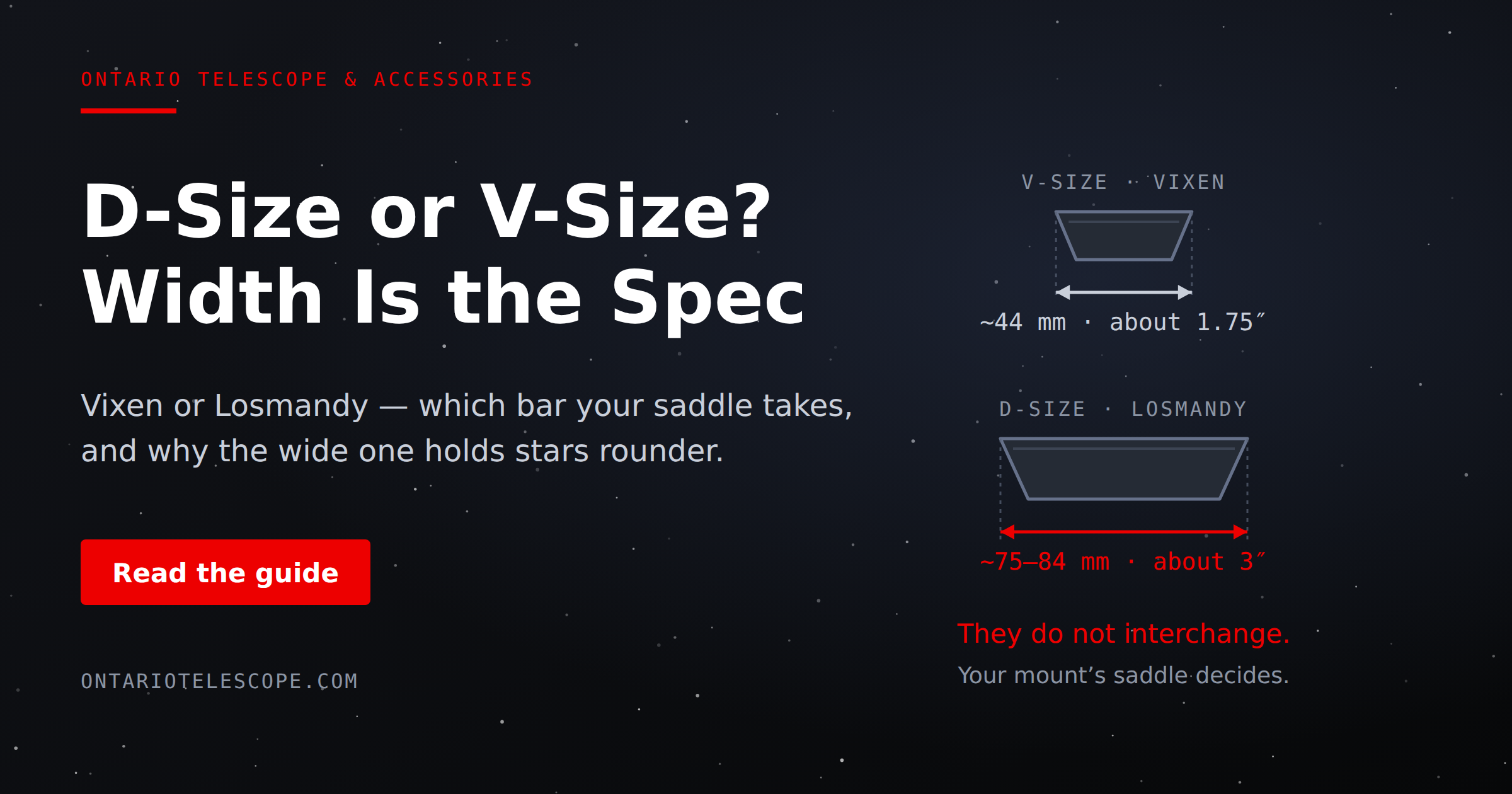
D-Size vs V-Size: A Complete Guide to Telescope Dovetail Systems
Read More
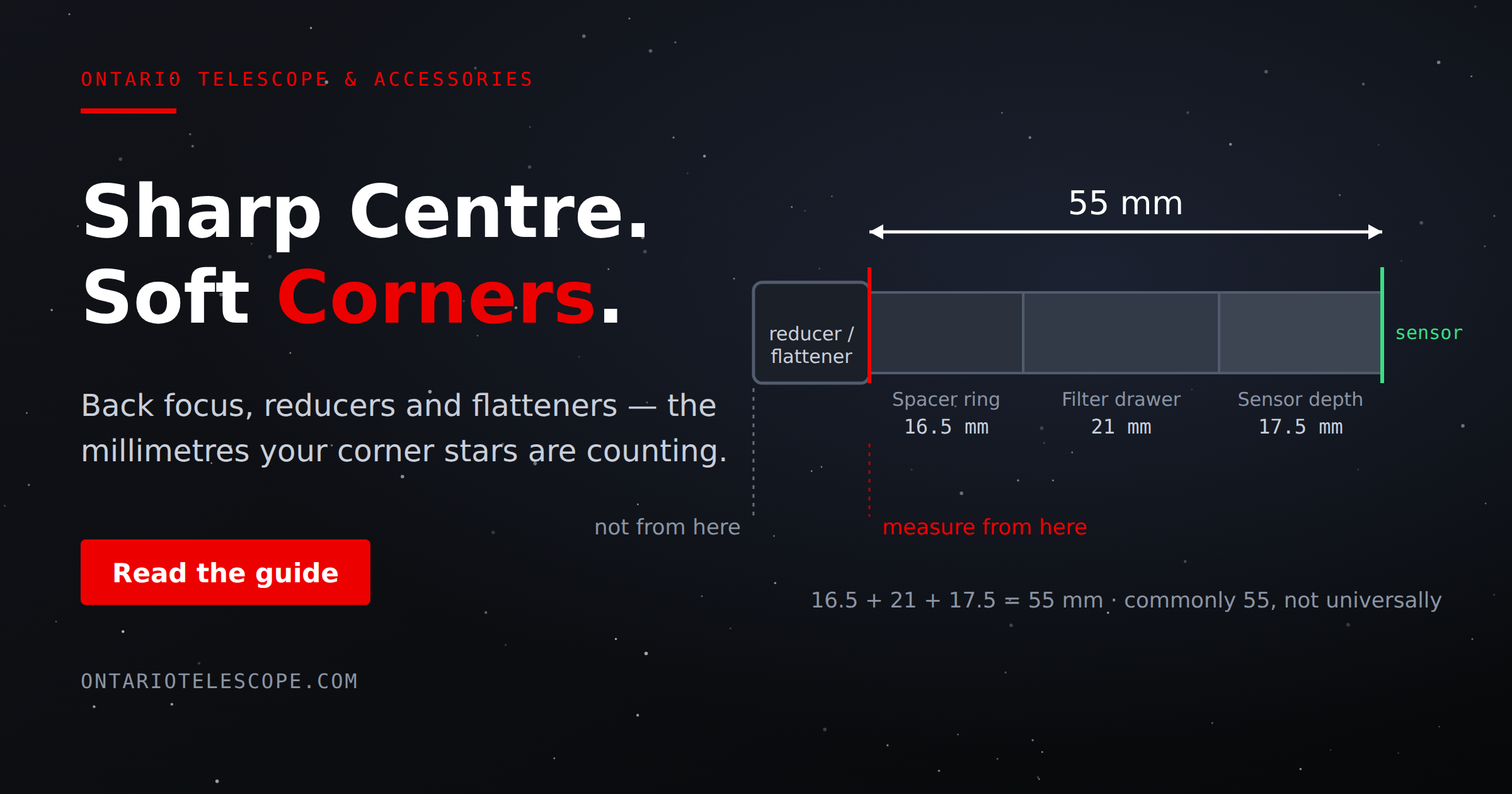
What Is Back Focus in Astrophotography? Telescope Reducers, Flatteners, and Spacing Explained
Read More