



- Description
- Specifications
Product Overview
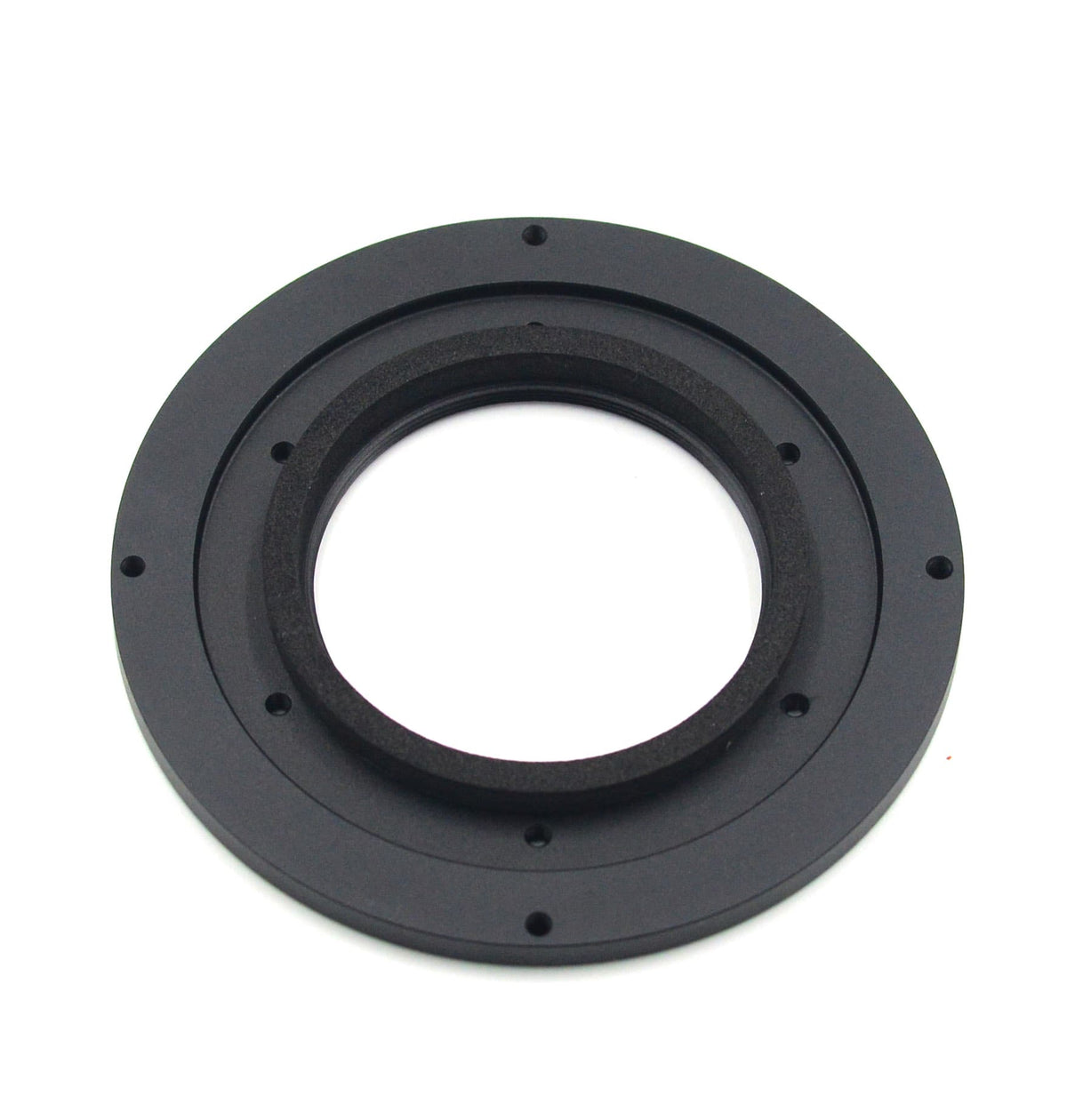
The Player One M48-Compatible Camera Tilter Plate is a machined aluminium tilt-adjustment plate that lets a Player One camera be squared to the sensor when used behind other brands' filter wheels. It carries M48 × 0.75 female threads and adds 5 mm of length. Player One lists it as compatible with select QHY and ZWO filter wheels and with its own Artemis and Poseidon series cameras.
Who It's For
This is a good match if you run a Player One Artemis or Poseidon camera behind a QHY or ZWO filter wheel and want a tilt plate to correct sensor tilt for even star shapes across the frame.
Key Features & Design
- Tilt adjustment: squares the camera sensor to the optical axis to correct tilt.
- M48 × 0.75 female threads: M48 interface into the imaging train.
- 5 mm added length: contributes 5 mm to the train.
- Aluminium 6061-T6: machined aluminium body.
Recommended Uses
- Sensor tilt correction: even out star shapes across the field when tilt is present.
- Third-party filter-wheel pairing: mate a Player One camera to a supported QHY or ZWO wheel.
Compatibility & Accessory Notes
Player One publishes compatibility with the QHYCFW3 series (except the QHYCFW3-XL), the ZWO NEW EFW 7x36, EFW 5X2, and EFW 7X2 filter wheels, and with Player One Artemis and Poseidon series cameras. It uses an M48 × 0.75 female thread and adds 5 mm of length. If you are not sure it matches your exact camera and wheel combination, send us your setup and we will confirm the fit.
Good to Know Before You Order
- Specific compatibility: it is listed for the QHYCFW3 series (except QHYCFW3-XL) and ZWO NEW EFW 7x36 / EFW 5X2 / EFW 7X2, with Player One Artemis and Poseidon cameras.
- Mechanical part: it provides tilt adjustment and spacing — there are no optics and no electronic communication through it.
- Adds 5 mm: account for the 5 mm of length when planning backfocus.
Frequently Asked Questions
Is it difficult to set up?
It threads into the M48 train like any spacer; the tilt screws are then adjusted to square the sensor. Setting tilt takes some care, but it is a standard adjustment and only needs doing once for a given train.
Which filter wheels does it fit?
The QHYCFW3 series (except QHYCFW3-XL) and the ZWO NEW EFW 7x36, EFW 5X2, and EFW 7X2.
Which cameras does it work with?
Player One Artemis and Poseidon series cameras.
Bottom Line
In short: a machined aluminium M48 tilt plate that adds 5 mm and squares a Player One Artemis or Poseidon camera behind supported QHY and ZWO filter wheels.
| Type | Camera tilt-adjustment plate |
|---|---|
| Threads | M48 × 0.75 female |
| Length added | 5 mm |
| Material | Aluminium 6061-T6 |
| Compatible filter wheels | QHYCFW3 series (except QHYCFW3-XL); ZWO NEW EFW 7x36, EFW 5X2, EFW 7X2 |
| Compatible cameras | Player One Artemis series; Poseidon series |
| Function | Tilt adjustment and spacing — no optical elements or electronic connection |
You may also like
Recently viewed
Recent Blog Posts
View all
Your Guide Graph Is Lying to You
Read More
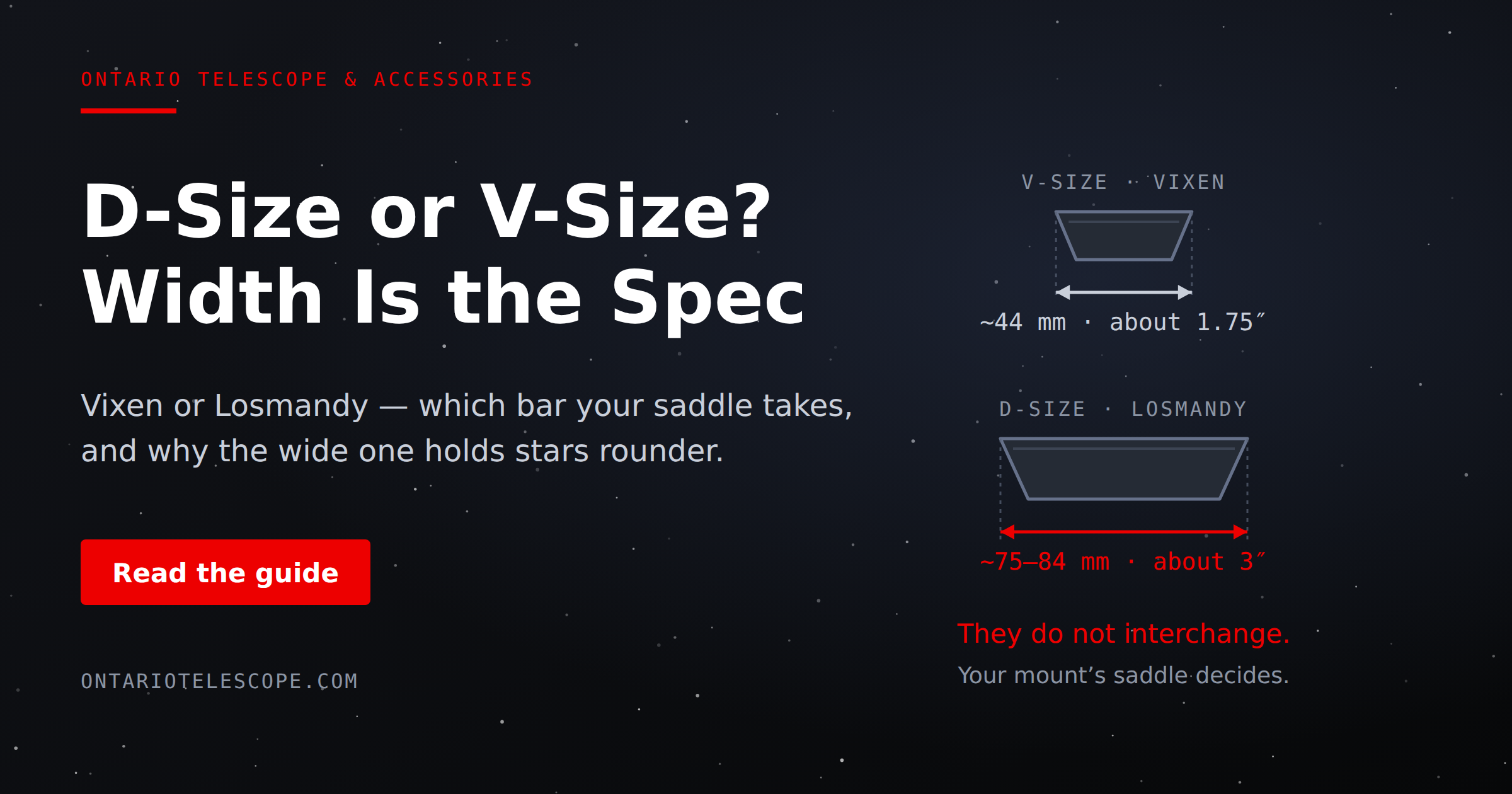
D-Size vs V-Size: A Complete Guide to Telescope Dovetail Systems
Read More
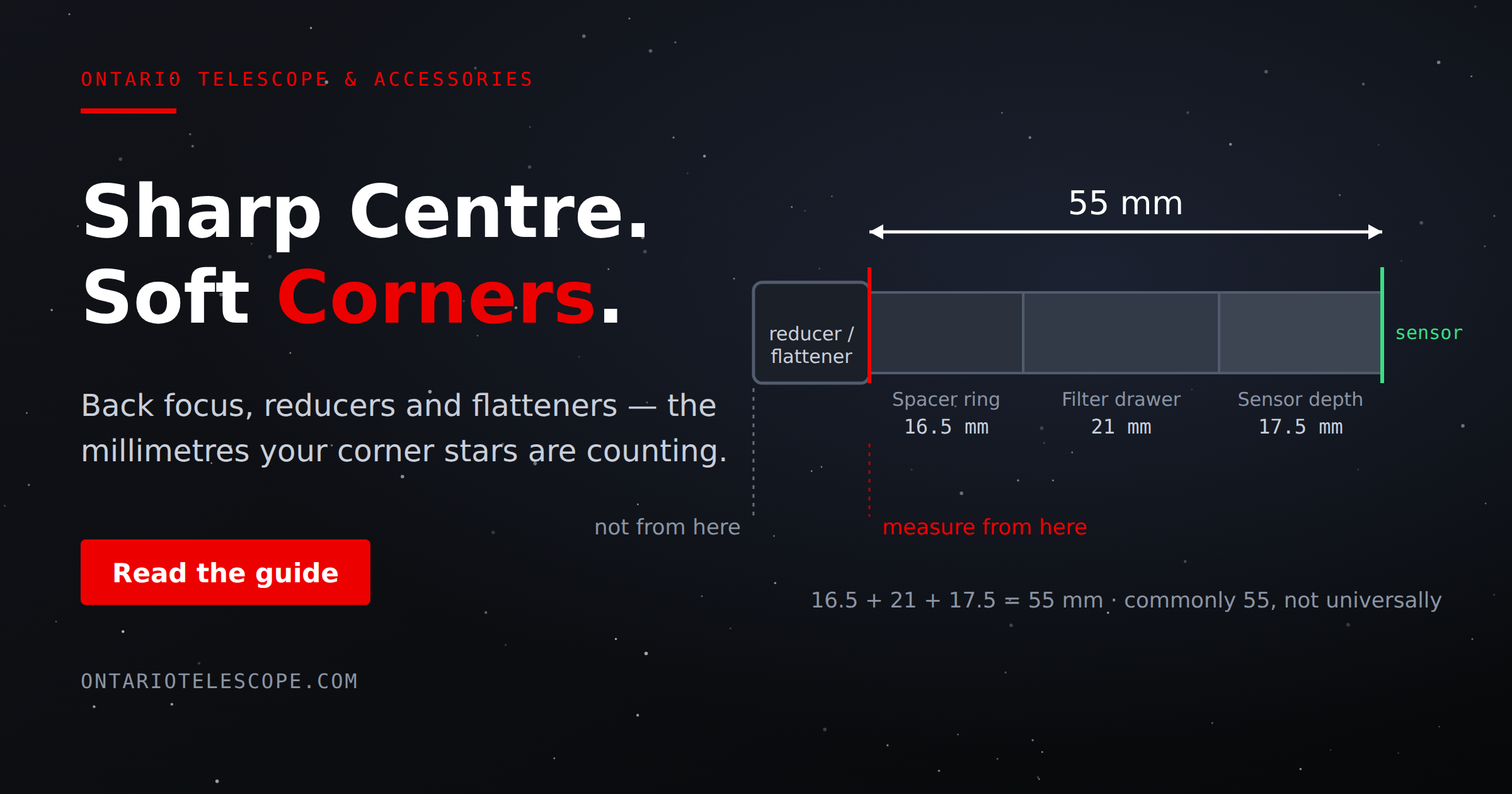
What Is Back Focus in Astrophotography? Telescope Reducers, Flatteners, and Spacing Explained
Read More