


- Description
- Specifications
Product Overview
The OPW-8 is a Losmandy one-piece worm block supplied without the worm, for an owner who already has a high-precision brass worm in hand. It is a precision bearing block in a 7075 aluminium housing, built around an all in-line motor and gearbox worm design, with preloaded bearings and screw-adjusted worm gear mesh.
Who It's For
Two situations bring people here: a worm block that has worn or been damaged while the worm itself is still good, and an owner upgrading an older two-piece bearing-block arrangement to the one-piece housing. If you do not already have a worm, the version supplied with one is the part to order instead.
Key Features & Design
- One-piece precision bearing block in a 7075 aluminium housing.
- All in-line motor and gearbox worm design.
- Preloaded bearings.
- Screw-adjusted worm gear mesh, rather than mesh set by repositioning separate blocks.
- Worm not included — for use with a high-precision brass worm you already own.
Mechanical Design
On the older arrangement, taking backlash out of an axis meant loosening the screw behind the outer bearing block, pivoting the worm into the gear by hand, re-tightening and then checking that the worm still turned freely — a fiddly job, and one where the mesh you ended up with depended on how steady your fingers were. A one-piece block replaces that with a screw adjustment: the block holds the worm's alignment and you set the mesh by turning a screw.
Preloaded bearings are the other half of it. Play in the worm between its bearings is one of the two sources of backlash Losmandy identifies in the axis, the other being the mesh itself. Preloading takes the first one out permanently rather than leaving it to be shimmed.
Recommended Uses
Replacing a worn or damaged worm block while keeping an existing worm. Converting an older axis to the one-piece block design. Keeping a spare block for a mount in regular use. Rebuilding an axis alongside a new high-precision brass worm if the original worm is also past its best.
Compatibility and Accessory Notes
- Which block fits your mount depends on the axis and its vintage. Tell us your mount model, which axis you are working on, and whether it has tucked or non-tucked motors, and we will confirm the correct block before you order.
- Worm: not included. The high-precision brass worm is stocked separately, and the OPW-8/W is this block supplied with one.
- Bearing blocks: the older worm bearing blocks, set of 2 are still available for a two-piece axis.
- Motor coupling: the G11 and GM8 motor-to-worm couplings join motor to worm.
- Screws and wrenches: the 492/Digital Drive SOS kit covers the common replacement fasteners on that drive.
Good to Know Before You Order
- No worm in the box. This version exists specifically for owners who already have one.
- Fit depends on your axis, not just the mount name. Send us the mount model and axis and we will check it — it takes us a minute and saves a return.
- This is an internal mechanical part. Fitting it means opening the axis, which is within reach of anyone comfortable with hand tools and Losmandy's own manual, but it is not a bolt-on accessory.
- Losmandy publishes no weight or dimensions for this part. Ask us if either matters and we will measure the one in stock.
- Specifications are Losmandy's published figures.
Frequently Asked Questions
Is it difficult to set up?
It is an internal repair rather than an accessory fit. The motor and worm cover come off, the old block comes out, this one goes in, and the mesh is set with its adjustment screw. Losmandy's mount manual covers the sequence, and we are happy to talk it through.
Does it include the worm?
No. This version is for owners who already have a high-precision brass worm. The OPW-8/W includes one.
Will it fit my mount?
Send us the mount model, the axis and whether the motors are tucked or non-tucked, and we will confirm which block you need.
What does the one-piece design change?
Mesh becomes a screw adjustment instead of a matter of loosening and pivoting separate bearing blocks, and the bearings are preloaded so there is no play in the worm itself.
Should I replace the worm at the same time?
If the worm shows wear, yes — a new worm in a new block is the point at which an axis comes back to specification.
Bottom Line
In short: a one-piece precision worm block in a 7075 aluminium housing, preloaded bearings, screw-adjusted mesh, supplied without a worm — the part for rebuilding an axis when the worm you have is still good.
| Part | Losmandy OPW-8 one-piece worm block |
|---|---|
| Worm | Not included — for use with a high-precision brass worm you already own |
| Bearing block | Precision bearing block |
| Housing | 7075 aluminium |
| Worm design | All in-line motor and gearbox |
| Bearings | Preloaded |
| Mesh adjustment | Screw adjust worm gear mesh |
| Fit | Depends on mount, axis and motor version — contact us to confirm |
| Weight and dimensions | Not published by Losmandy |
| Source | Losmandy OPW-8 product data |
You may also like
Recently viewed
Recent Blog Posts
View all
Your Guide Graph Is Lying to You
Read More

D-Size vs V-Size: A Complete Guide to Telescope Dovetail Systems
Read More
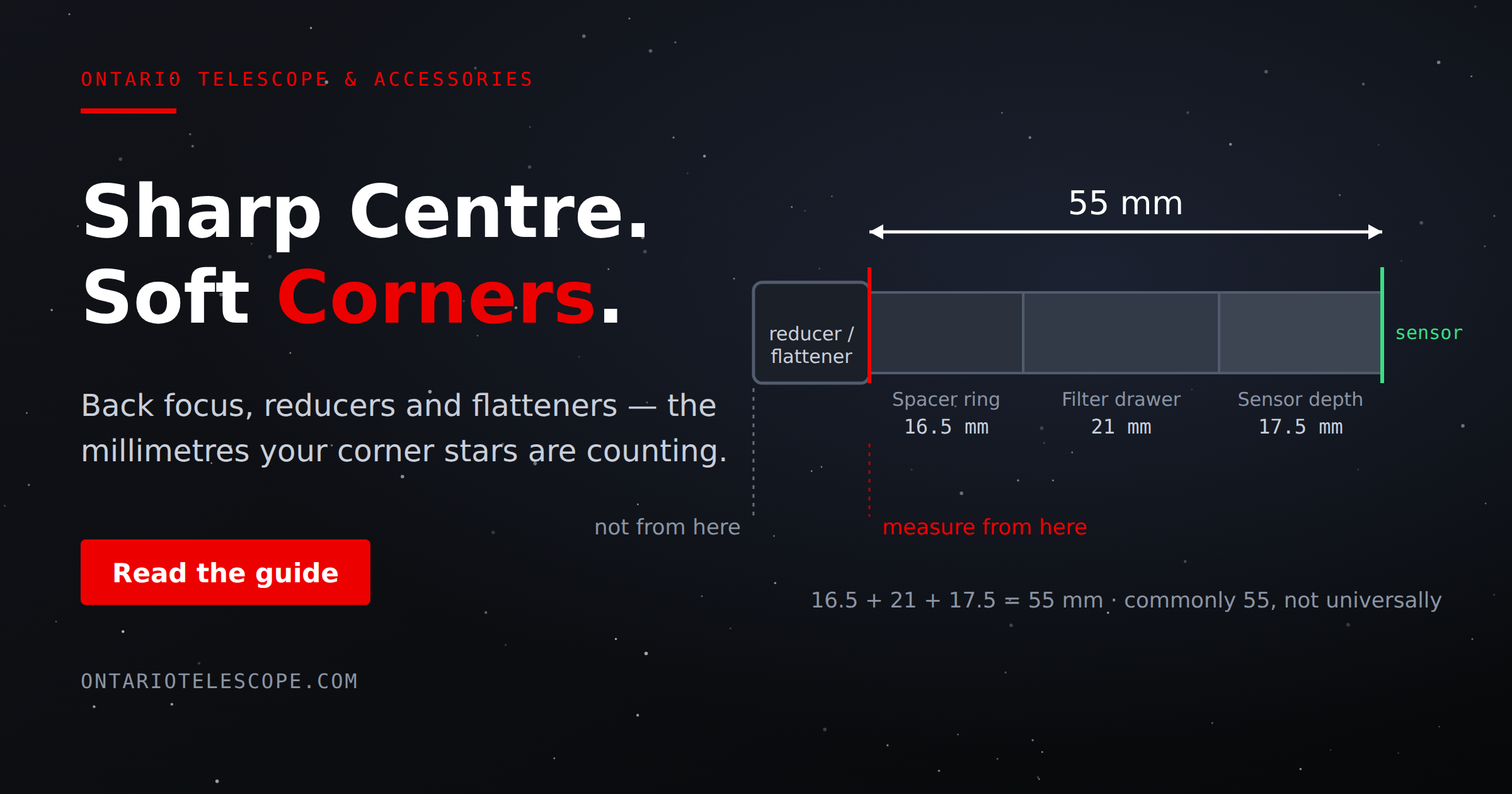
What Is Back Focus in Astrophotography? Telescope Reducers, Flatteners, and Spacing Explained
Read More