
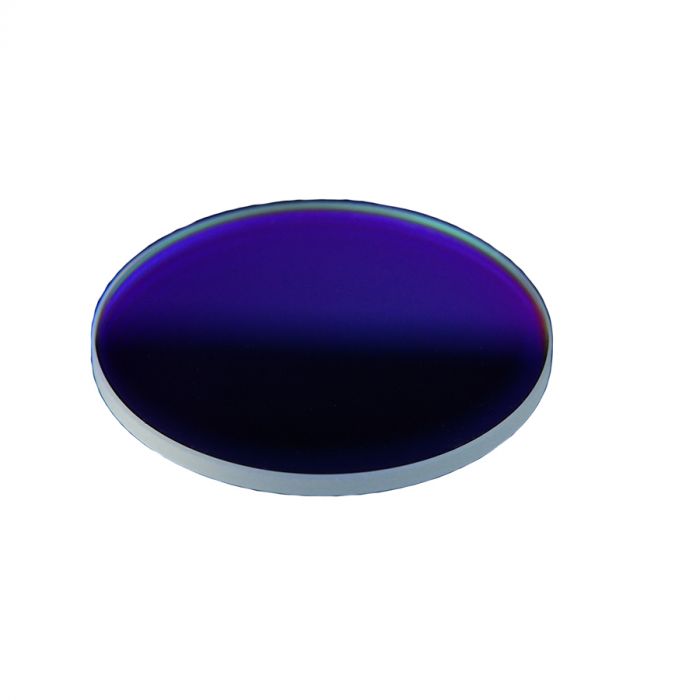


- Description
OIII-CCD 6.5 nm Deep Sky Imaging Filter:
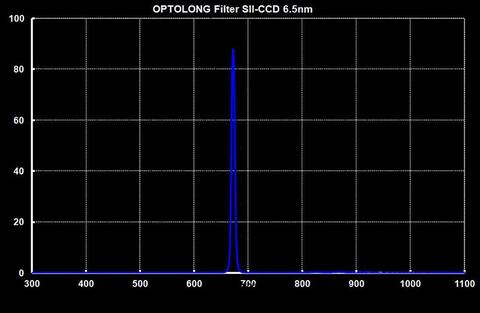
This filter is an extra Narrowband OIII-CCD 6.5 nm filter. It is designed for nebula observation allowing 6.5 nm bandwidth of light centered on a wavelength of 500 nm through, which corresponds to OIII emission lines, and reducing the transmission of certain wavelengths of light, specifically those produced by artificial light including mercury vapor, and both high and low pressure sodium vapor lights and the unwanted natural light caused by neutral oxygen emission in our atmosphere (i.e. skyglow).
OIII emits 495.9 nm and 500.7 nm and it is a blue-green colored filter. Many of images of planetary nebula and supernova remnants are taken only with H-alpha and OIII filters. They show great structural details, but have natural colors, looking like an RGB image.
Main Use and Performance
- Suitable for visual observation on most emission nebulae, planetary nebulae and supernova remnants
- Hubble look of images can be made by the combination of H-alpha, OIII-CCD and SII-CCD, such as the famous “Pillars of Creation” (M16 Eagle Nebula)
You may also like
Recently viewed
Recent Blog Posts
View all
Your Guide Graph Is Lying to You
Read More
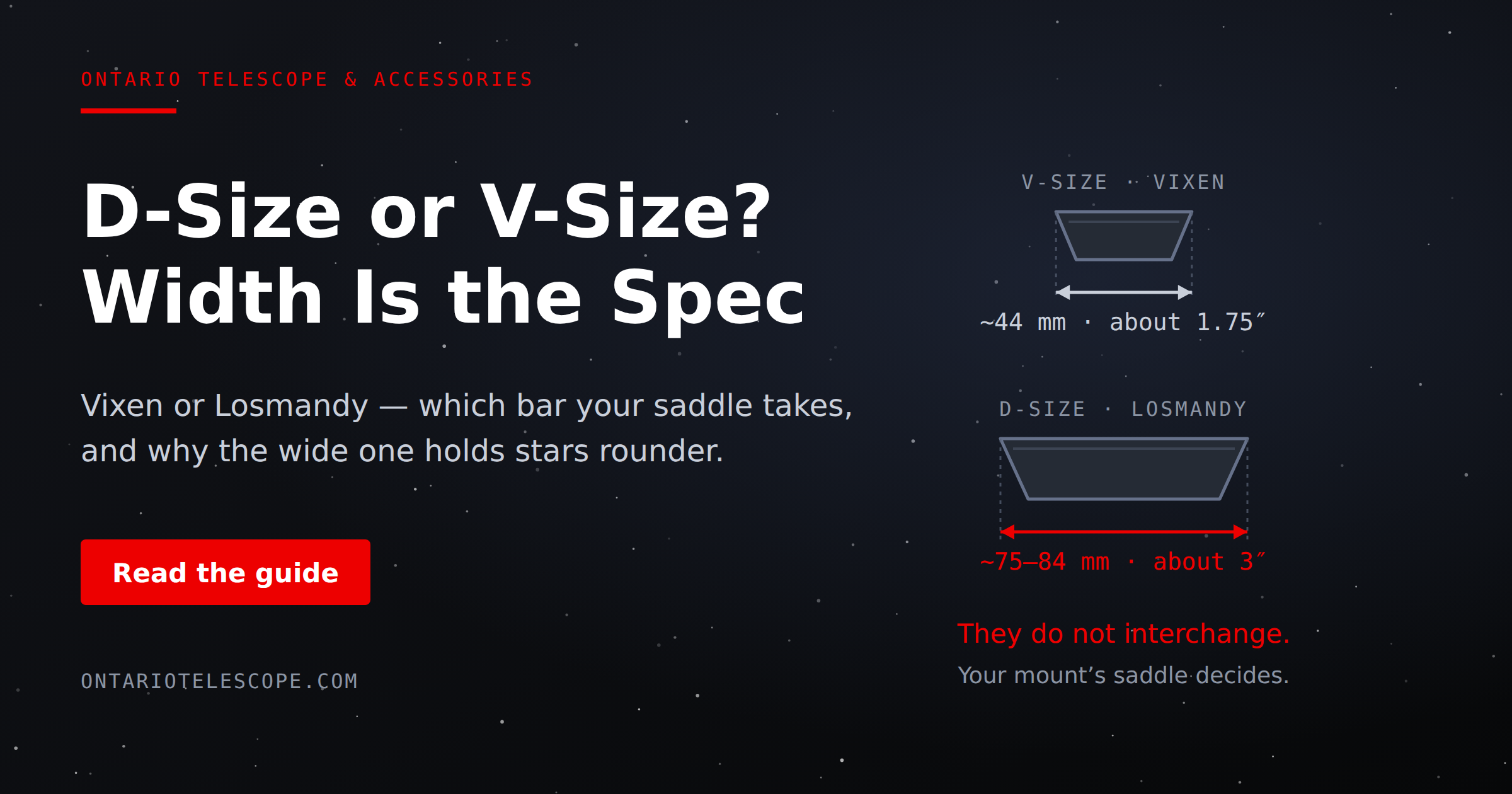
D-Size vs V-Size: A Complete Guide to Telescope Dovetail Systems
Read More
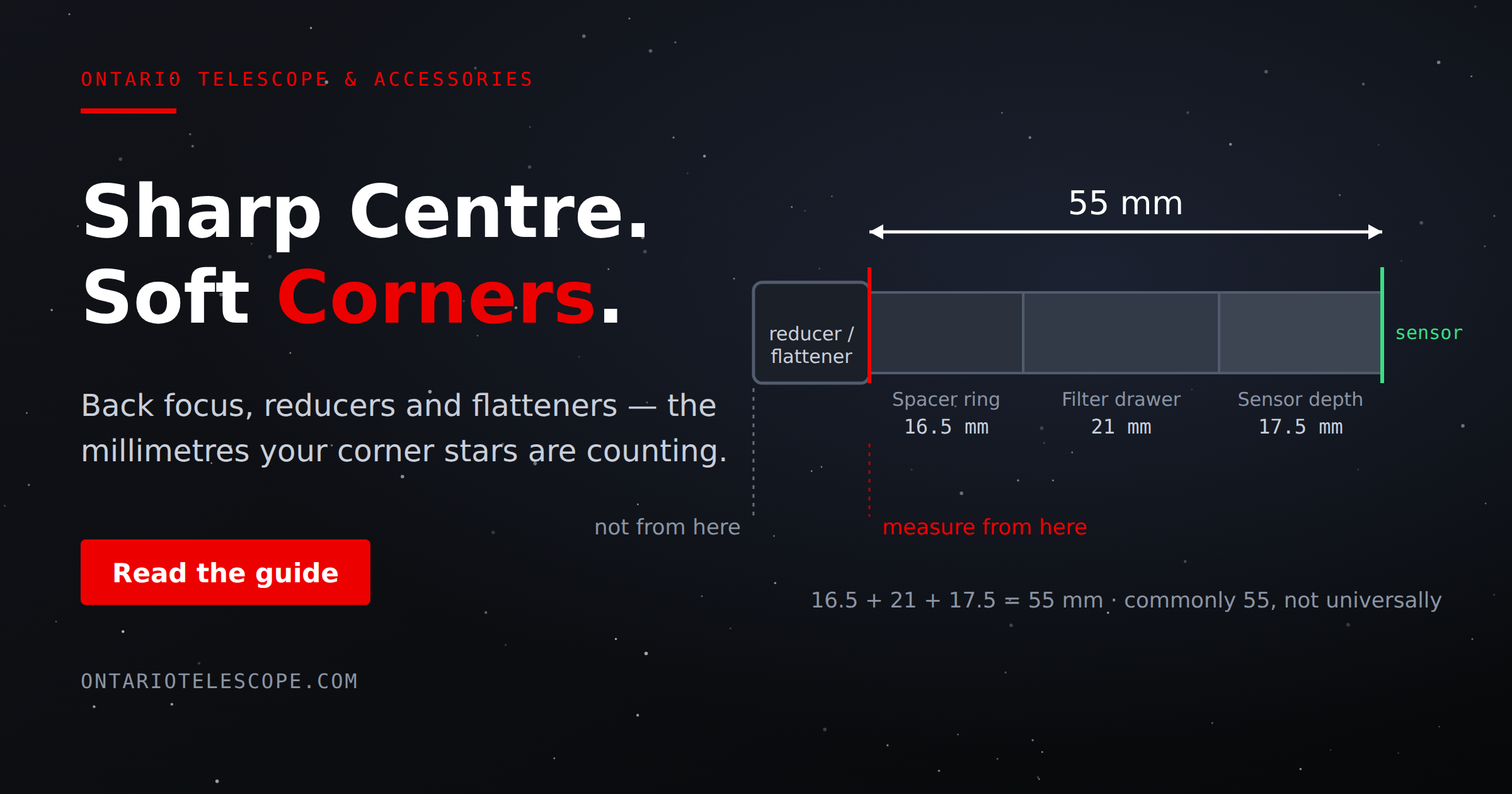
What Is Back Focus in Astrophotography? Telescope Reducers, Flatteners, and Spacing Explained
Read More