


- Description
- Specifications
Product Overview
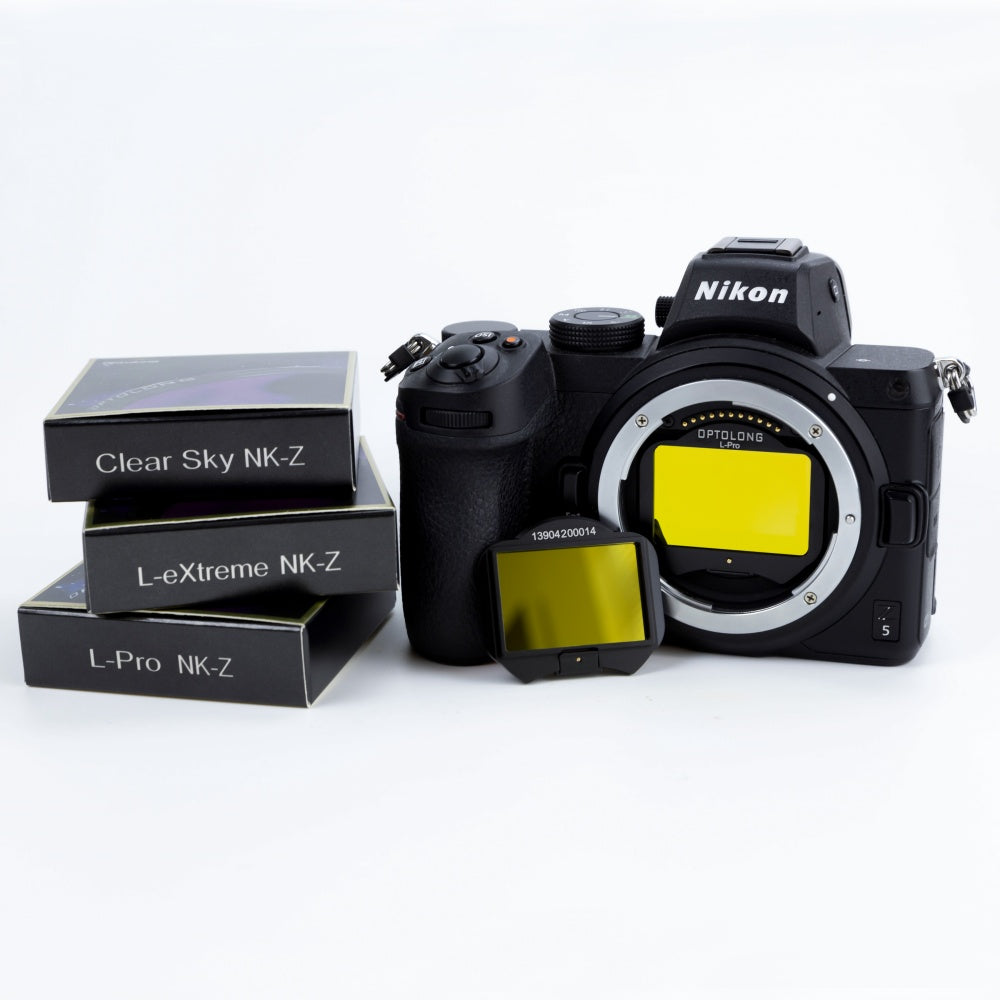
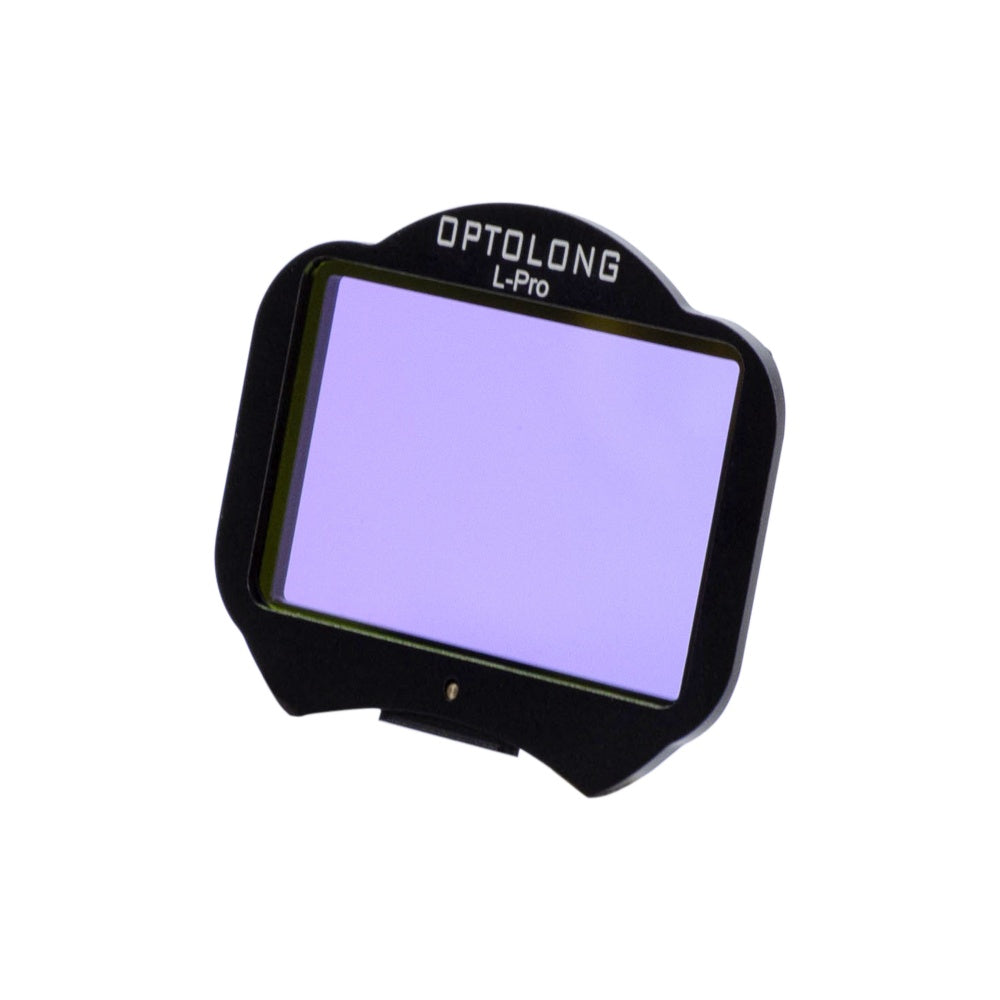
The Optolong L-Pro Nikon Z Full Frame ILDC Clip-in Filter is a broadband multi-bandpass light pollution filter from Optolong Optics that installs directly in the throat of full-frame Nikon Z-series mirrorless bodies. It suppresses the main artificial-light emission lines — mercury vapour and high/low-pressure sodium street lighting — along with natural skyglow from neutral oxygen, while keeping the transmission windows over the key nebula lines open: OIII (496/500nm), H-beta (486nm), H-alpha (656nm), NII (654/658nm) and SII (672nm). Peak transmission is greater than 90% across a 380–750nm working range, with light-pollution line blocking above 90%. The design goal is low colour cast, so star colour and broadband target colour stay close to natural.
Who It's For
This is a good match if you shoot a full-frame Nikon Z camera from suburban or moderately light-polluted skies and want cleaner contrast without the heavy colour shift of older UHC/CLS filters. It works whether you are capturing wide Milky Way scenes, broadband deep-sky targets such as galaxies and star clusters, or simply want a general-purpose light-pollution filter that still records natural colour. If your targets are emission nebulae under heavy light pollution, the narrowband L-eXtreme is the better tool.
Key Features & Design
- Multi-bandpass broadband design: keeps the OIII, H-beta, H-alpha, NII and SII windows open for natural star colour and low cast on galaxies and reflection nebulae.
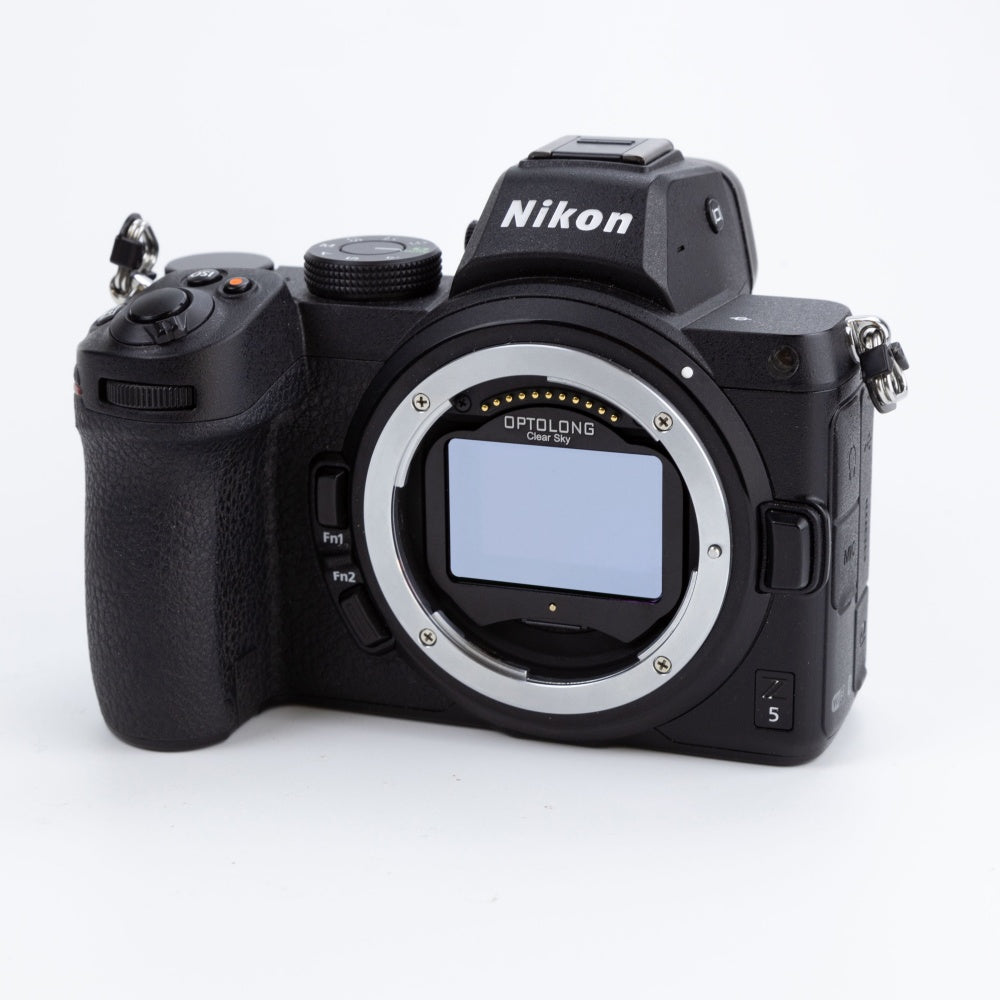
- Full-frame clip-in fit: seats in the Nikon Z throat ahead of the sensor, so it works behind any compatible lens with no filter threads.
- Broad light-pollution suppression: attenuates mercury and sodium street-lighting lines and atmospheric skyglow, with line blocking greater than 90%.
- Imaging-grade optical tolerances: λ/4 transmitted wavefront, 60/40 surface quality (MIL-O-13830) and 30-arcsec parallelism keep stars tight into the corners.
- Durable multi-layer coatings: ion-assisted deposition on a non-cementing substrate resists scratching and holds the central wavelength stable across temperature swings.
Optical Design & Coatings
The L-Pro is an interference filter: its passbands are formed by stacked thin-film dielectric layers rather than absorption glass, which is why coating quality and layer count drive its performance. Optolong applies these coatings by ion-assisted deposition on a non-cementing substrate, producing hard, stable layers whose transmission peaks do not drift significantly with temperature or age. Because transmission in any interference filter is angle-dependent, the filter is specified for use at roughly 50mm focal length and longer; below that, the steeper light cone from wide lenses can shift the passband at the frame edges and create an interference edge that is easily cropped. The transmission curve below plots the multi-band passband (red) against artificial pollution lines (orange) and natural constellation emission lines (green).

Recommended Uses
- Wide-field Milky Way and nightscape imaging from suburban skies
- Broadband deep-sky imaging of galaxies, reflection nebulae and globular clusters
- General light-pollution reduction for one-shot-colour astrophotography
- Contrast enhancement where a broadband filter is preferred over narrowband
Compatibility and Accessory Notes
- Camera bodies: Nikon Z5, Z6, Z6II, Z7, Z7II, Z8, Z9 and ZF (full-frame Z mount).
- Lenses: all Z-series lenses; all F-series main and auxiliary lenses via the appropriate mount adapter/connector.
- Focal length: intended for use at 50mm and above; wider lenses may show an interference edge that can be cropped out.
- Focus and compose: the clip sits in front of the sensor, so use Live View.
Important Limitations
- Not a solar filter — never use it to view or image the Sun.
- Full-frame Z mount only; not for APS-C/DX or other mounts.
- A light-pollution filter raises contrast; it does not make the target brighter or remove light pollution entirely.
- Below ~50mm the interference edge may need cropping.
Frequently Asked Questions
Is this good for beginners?
Yes. It installs without tools and works behind any compatible lens, so it is one of the simplest ways to lift contrast from a light-polluted backyard.
Is it for visual observing or astrophotography?
Primarily astrophotography. As a broadband filter it also improves visual contrast, but its main role is imaging.
Which cameras does it fit?
Full-frame Nikon Z bodies: Z5, Z6, Z6II, Z7, Z7II, Z8, Z9 and ZF.
Will it cause a colour cast?
Far less than traditional UHC/CLS filters; the multi-bandpass design is tuned for low cast and natural star colour.
How is it different from the L-eXtreme?
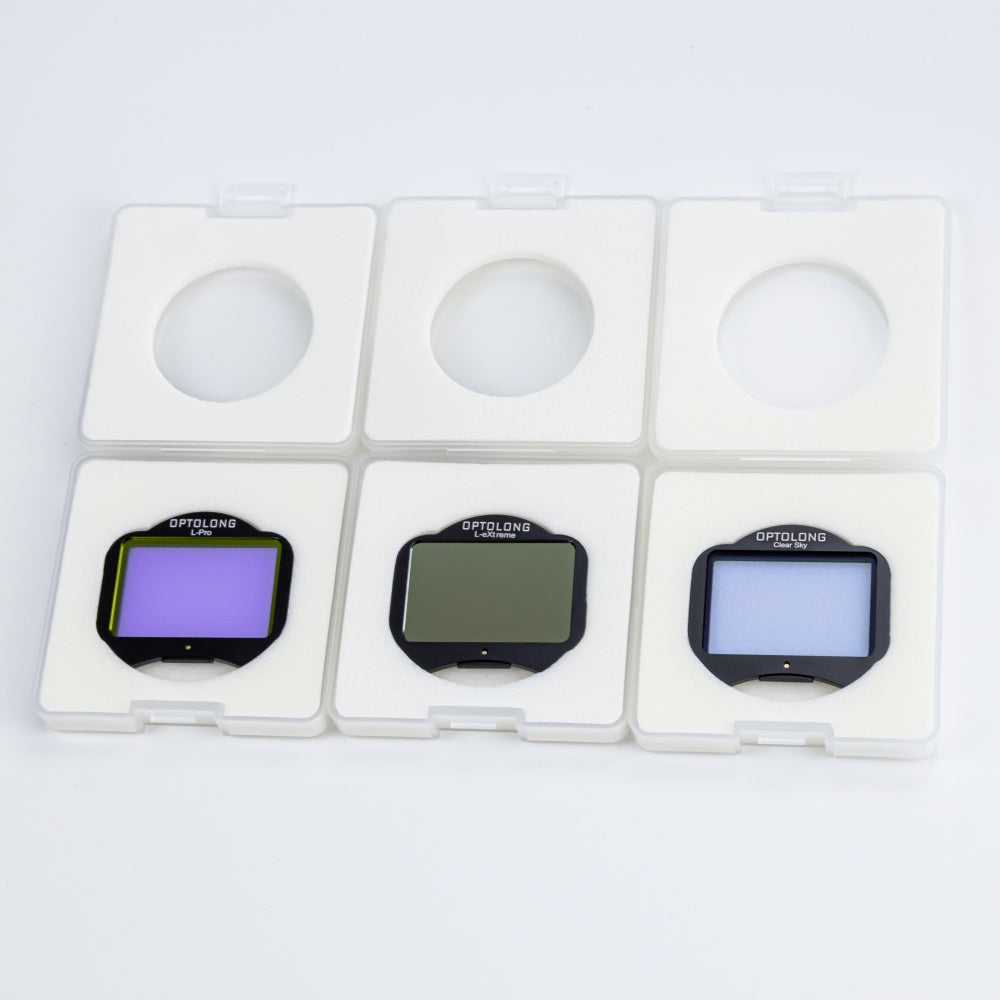
The L-Pro is broadband for general deep-sky, galaxies and Milky Way work with natural colour. The L-eXtreme is dual-narrowband (Ha/OIII) for emission nebulae in heavy light pollution.
Bottom Line
In short: a low-colour-cast broadband clip-in filter for full-frame Nikon Z cameras that cuts sodium and mercury light pollution plus skyglow for Milky Way and broadband deep-sky imaging. Use it at 50mm and up, compose in Live View, and step up to the L-eXtreme when your targets are emission nebulae.
| Filter Type | L-Pro broadband multi-bandpass light pollution filter |
| Mount / Fit | Nikon Z Full Frame ILDC clip-in |
| Compatible Cameras | Z5 / Z6 / Z6II / Z7 / Z7II / Z8 / Z9 / ZF |
| Compatible Lenses | All Z-series lenses; all F-series main & auxiliary lenses (mount adapter required) |
| Peak Transmittance | >90% |
| Blocking Range | 380–750nm |
| Blocking Depth | Light pollution line blocking >90% |
| Surface Quality | 60/40 (MIL-O-13830) |
| Transmitted Wavefront RMS | λ/4 |
| Parallelism | 30 arcseconds |
| Coating | Multi-layer anti-reflection; ion-assisted deposition; non-cementing substrate coating |
| Recommended Use | Wide-field Milky Way, broadband deep-sky imaging (galaxies, reflection nebulae, globular clusters), visual contrast enhancement |
You may also like
Recently viewed
Recent Blog Posts
View all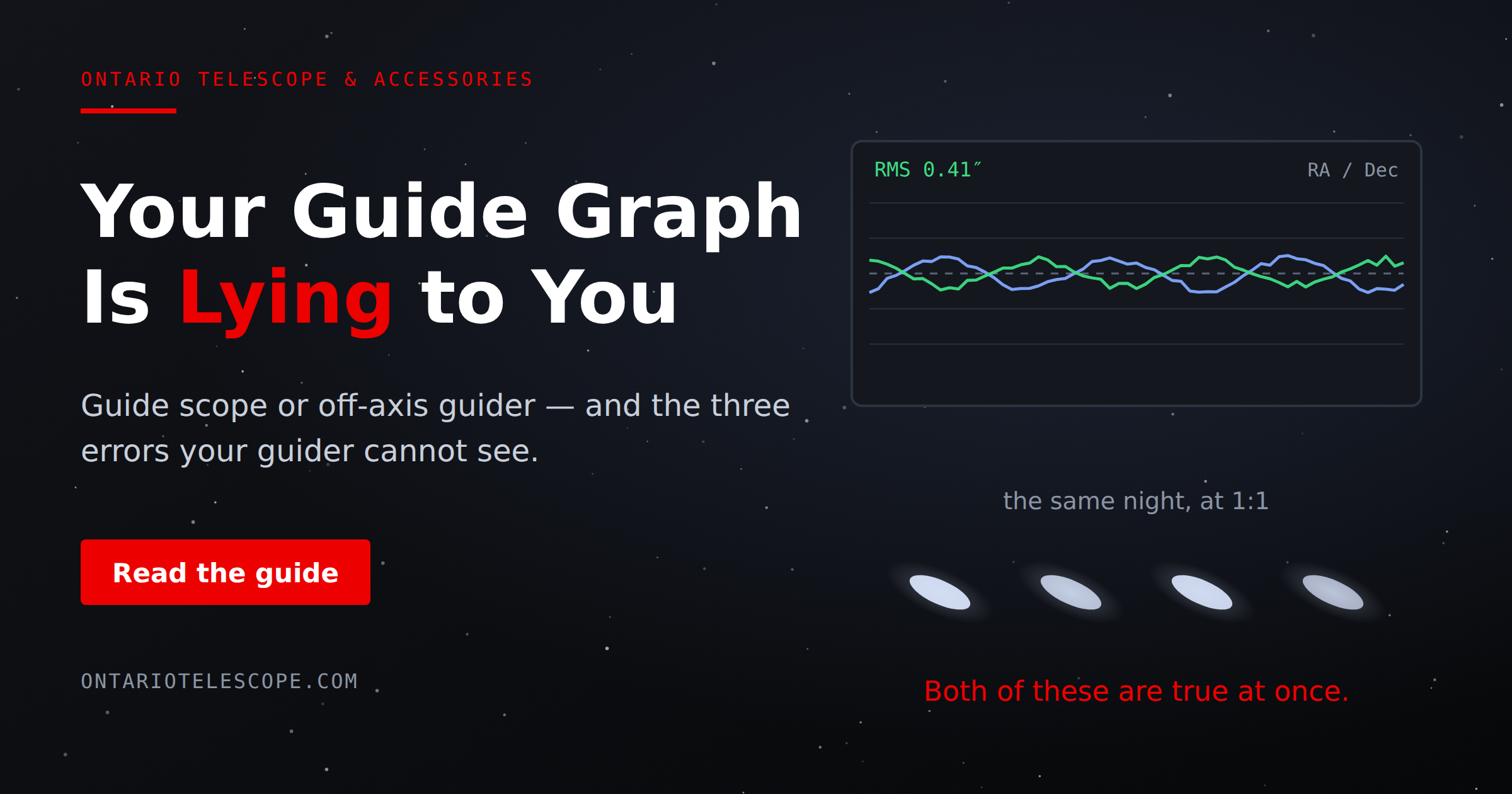
Your Guide Graph Is Lying to You
Read More
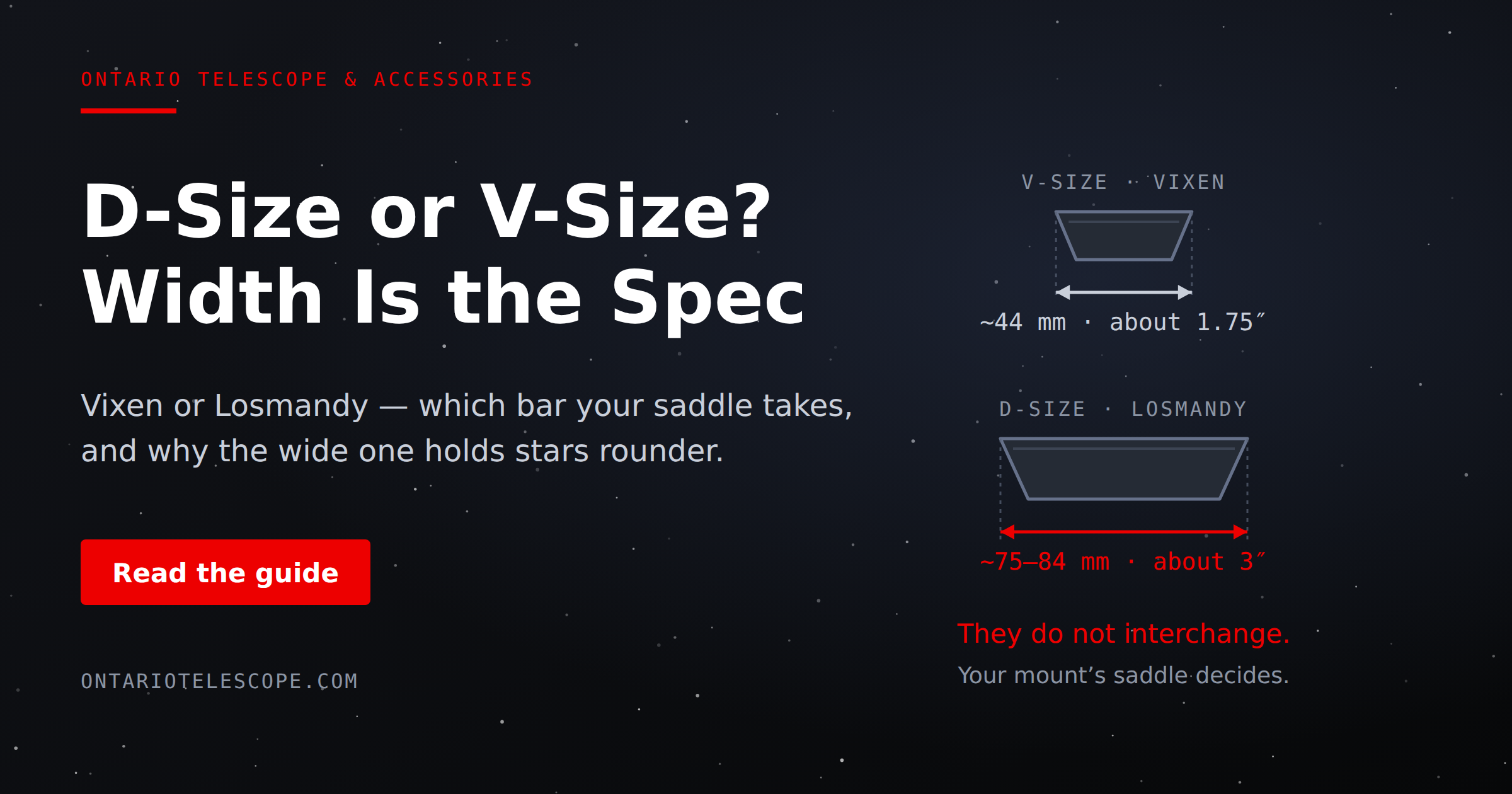
D-Size vs V-Size: A Complete Guide to Telescope Dovetail Systems
Read More
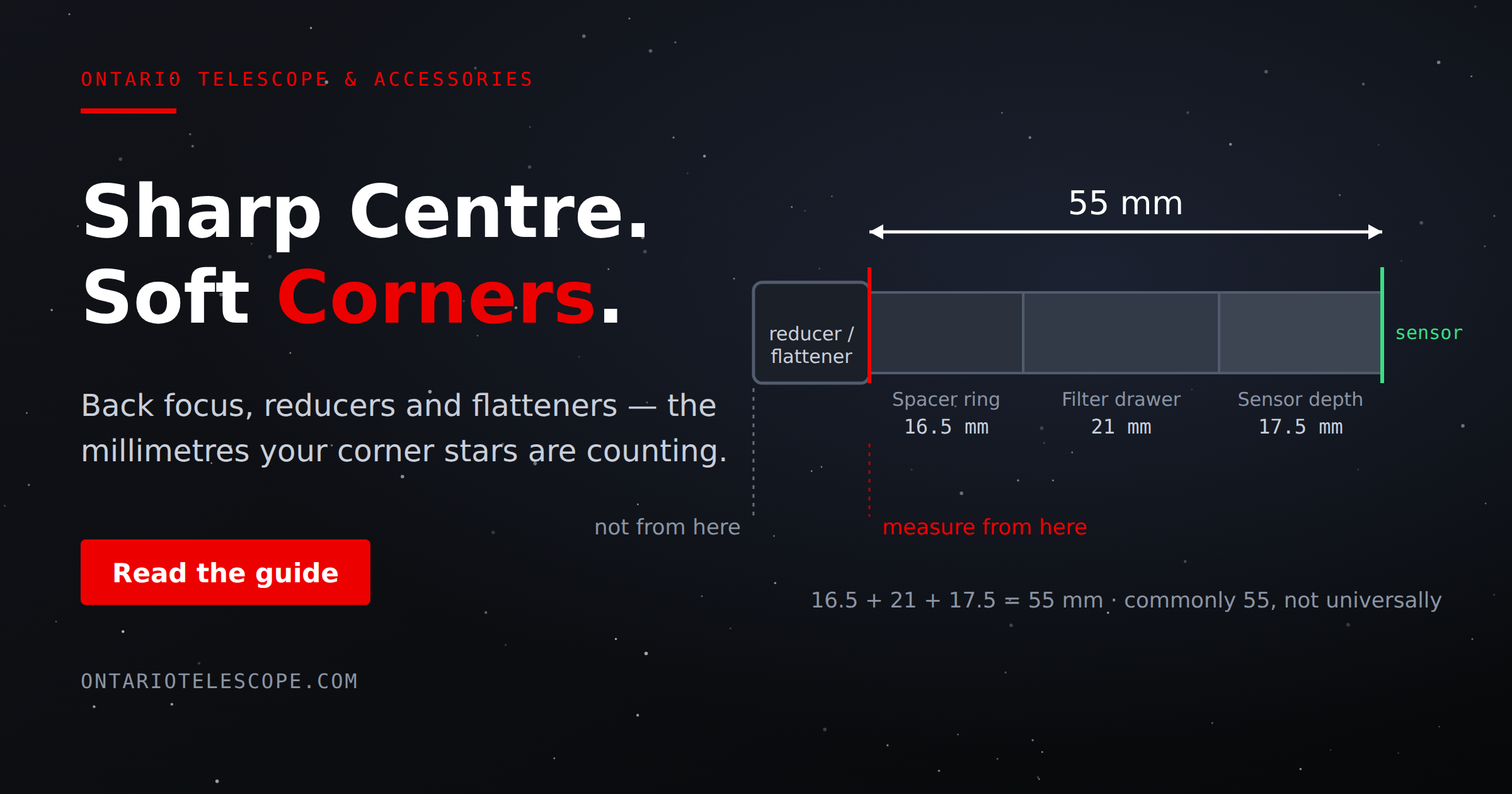
What Is Back Focus in Astrophotography? Telescope Reducers, Flatteners, and Spacing Explained
Read More