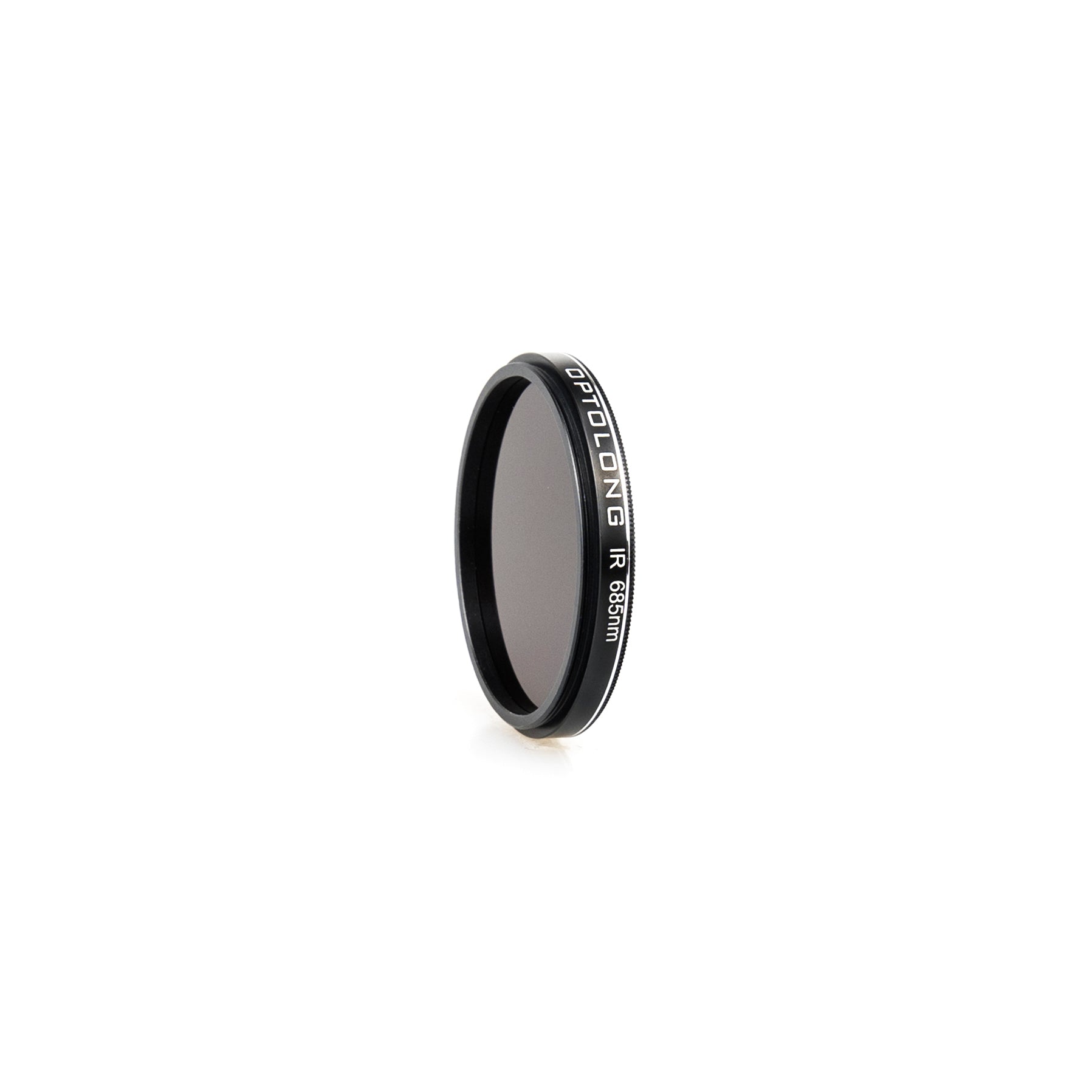
Optolong IR Pass 685nm 2"

Optolong FiltersSKU: IR 685-2

Price:
Sale price$164.99 CAD
Stock:
In stock Qty: 8
  • Description
IR Pass 685nm filter is designed to block wavelengths below 670nm and can be used in IR-LRGB imaging to produce a sharper luminance image for the best planetary contrast as atmospheric seeing and distortion is much reduced at longer IR wavelengths.

IR Pass685 Introduction

Optolong IR Pass 685nm filter is designed to block wavelengths below 670nm and can be used in IR-LRGB imaging to produce a sharper luminance image for the best planetary contrast as atmospheric seeing and distortion is much reduced at longer IR wavelengths.

The sensor of CCD or CMOS cameras is capable of detecting light in the 350-1100nm range including infrared wavelengths. Thus RGB planetary images taken with IR as the luminance channel have visible-enhanced contrast and surface detail than standard LRGB images.

IR Pass685 Spectrum and Characteristic
Sbustrate: B270
Thickness: 1.85mm
Tave: T>90%
Blocking range: 350-1050nm
Blcoking depth: light pollution line blocking >99%
Surface quality: 60/40
Transmitted Wavefront RMS: ?/4
Parallelism: 30s

You may also like

Recently viewed

Recent Blog Posts

View all
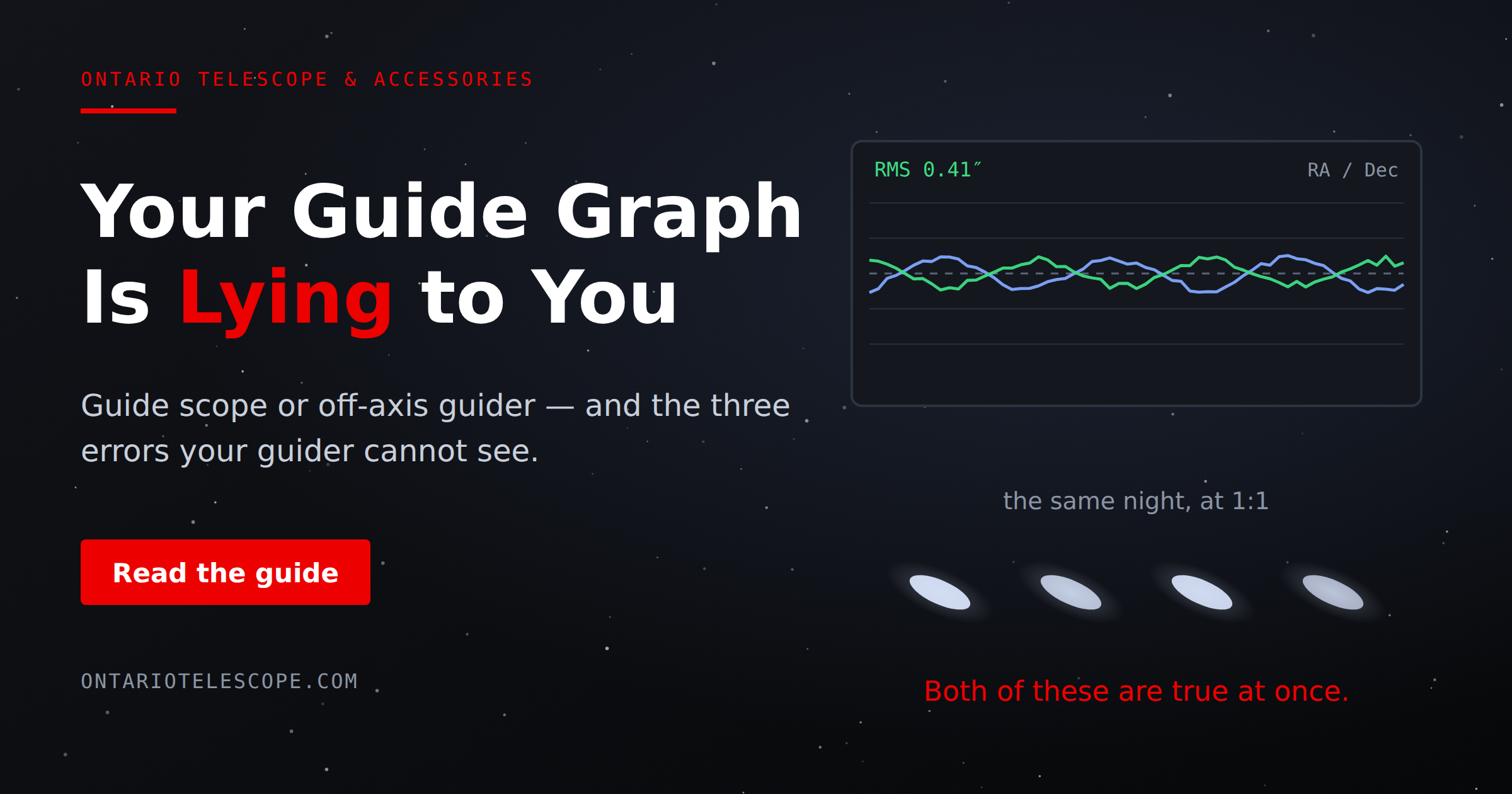
Guide scope or off-axis guider: a PHD2 guide graph reporting 0.41 arcsecond RMS beside elongated stars from the same night

Your Guide Graph Is Lying to You

astrophotography Stephen Mallia
You drove ninety minutes to dark sky, PHD2 held 0.4 arcseconds all night, and half your subs still have eggs for stars. Here are the three things your

Read More
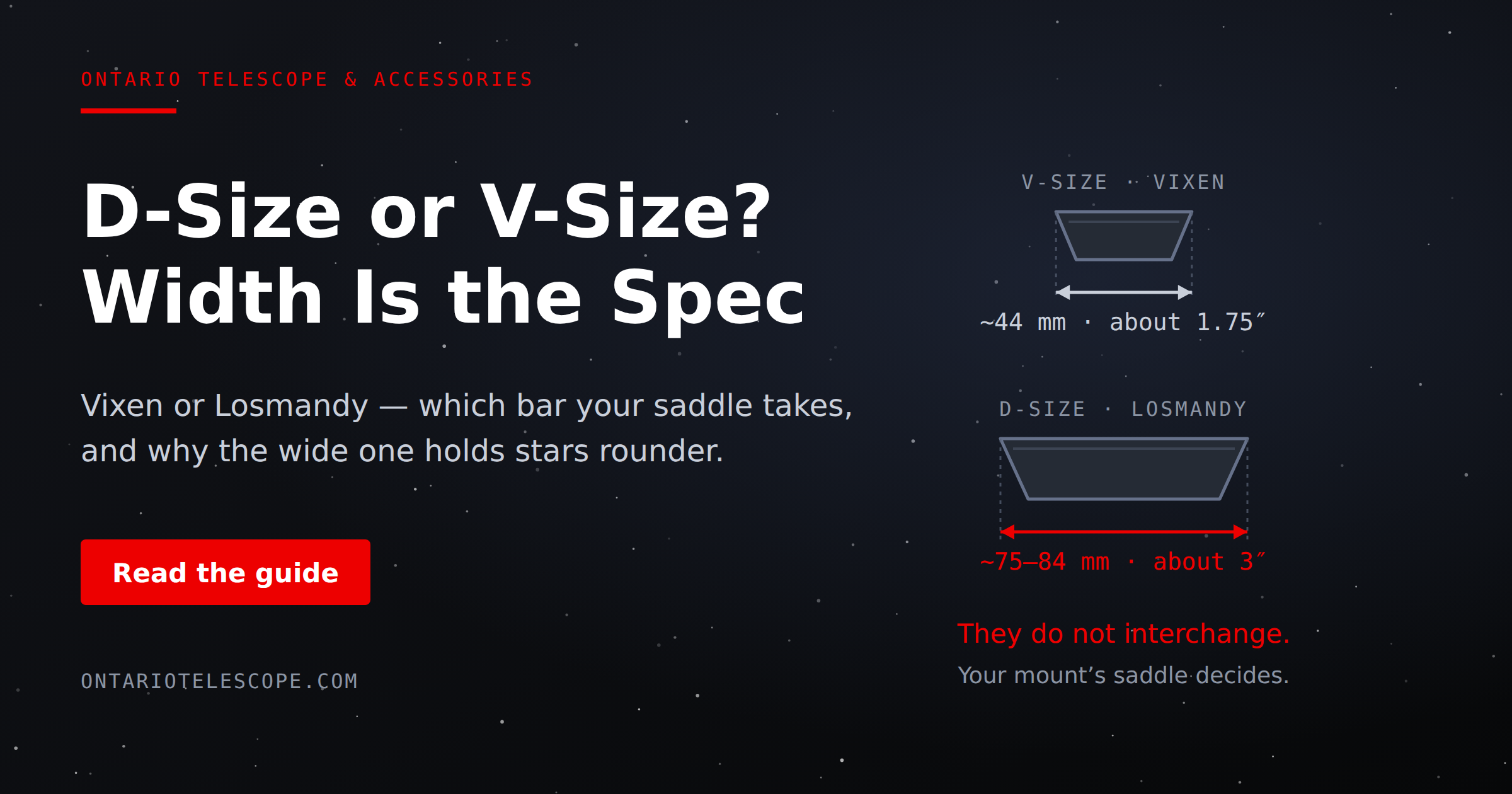
V-size Vixen and D-size Losmandy dovetail bar profiles compared to scale, about 44 mm against 75 to 84 mm

D-Size vs V-Size: A Complete Guide to Telescope Dovetail Systems

Stephen Mallia
What's the difference between D-size and V-size telescope dovetails? Here's everything you need to know.

Read More
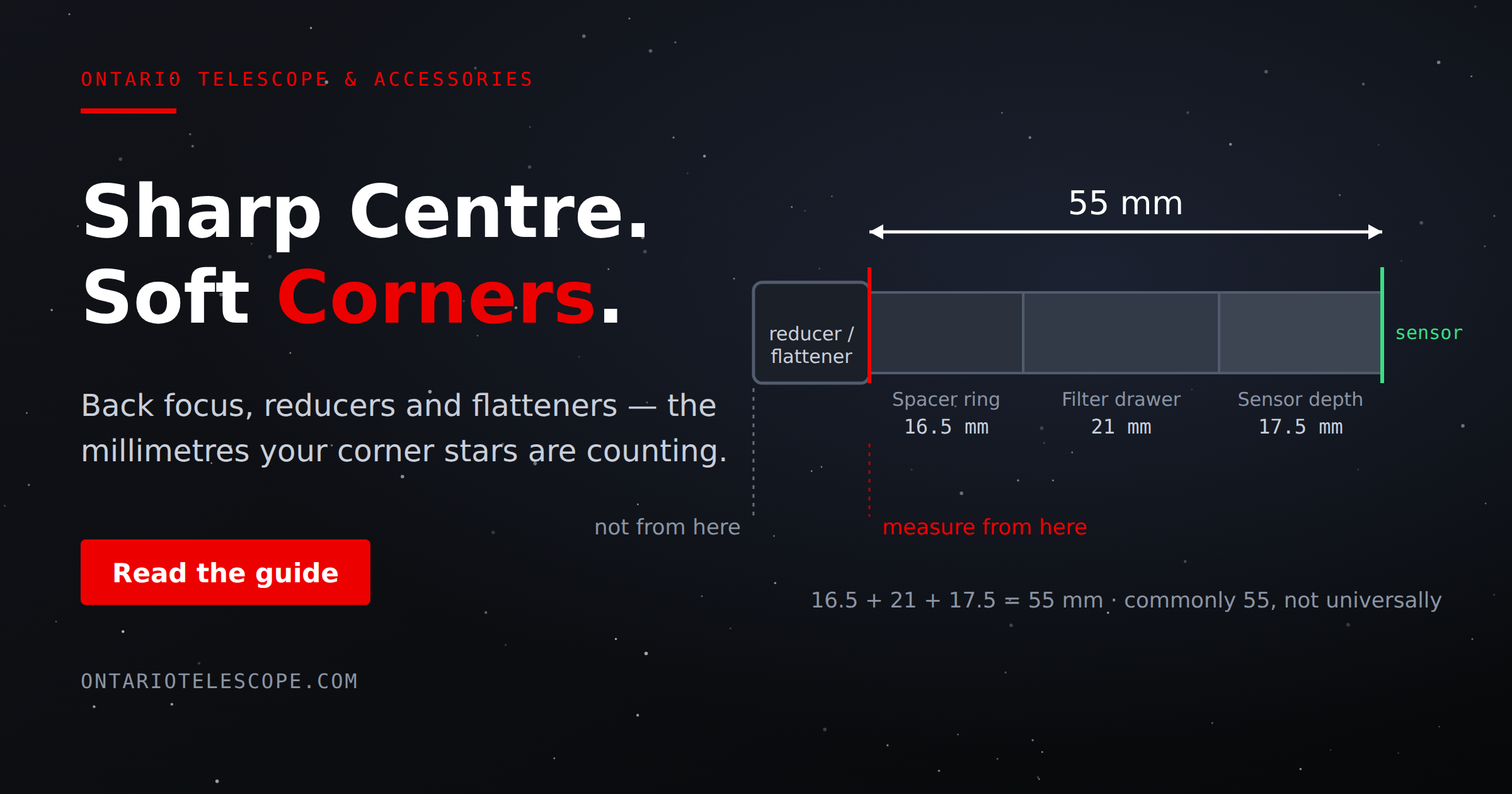
A 55 mm back focus imaging train: spacer 16.5 mm, filter drawer 21 mm and camera sensor depth 17.5 mm, measured from the rear of the reducer

What Is Back Focus in Astrophotography? Telescope Reducers, Flatteners, and Spacing Explained

Stephen Mallia
What Is Back Focus in Astrophotography? Telescope Reducers, Flatteners, and Spacing Explained Back focus is one of those astrophotography terms that c

Read More