


- Description
Night Sky Guide 2026 : North America's Skies Month by Month from The Royal Astronomical Society of Canada
A fully illustrated, portable guidebook for enjoying the night sky in 2026.
Night Sky Guide 2026 is the ideal resource for both novice and experienced sky watchers in the United States and Canada, with all the advice, information and data that enthusiasts need to understand and enjoy the wonders of the night sky.
This in-depth guide introduces readers to the objects in the sky -- from stars, to comets, to globular clusters -- and then takes them through the cosmic events to look out for each month in 2026, with sky maps, moon phase charts and info about the planets. The book also features:
- Methods for using your hands to measure angles in the sky
- Information about binoculars and telescopes
- A glossary of terms
- A list of helpful resources
- And much, much more!
Night Sky Guide 2026 is both a comprehensive introduction to astronomy and a quick reference book for more experienced sky watchers who don't want to miss a thing. Its compact size means it's perfect for taking on an "astro-vacation" or simply sky viewing in the backyard.
The Royal Astronomical Society of Canada (RASC) was founded ad hoc in 1868 and incorporated in 1890 with a dual membership of professionals and amateurs. It has 29 Canadian chapters and over 5,000 members. The Journal of The Royal Astronomical Society of Canada is entering its 118th year of publication, and the RASC also produces a number of other publications and guidebooks.
You may also like
Recently viewed
Recent Blog Posts
View all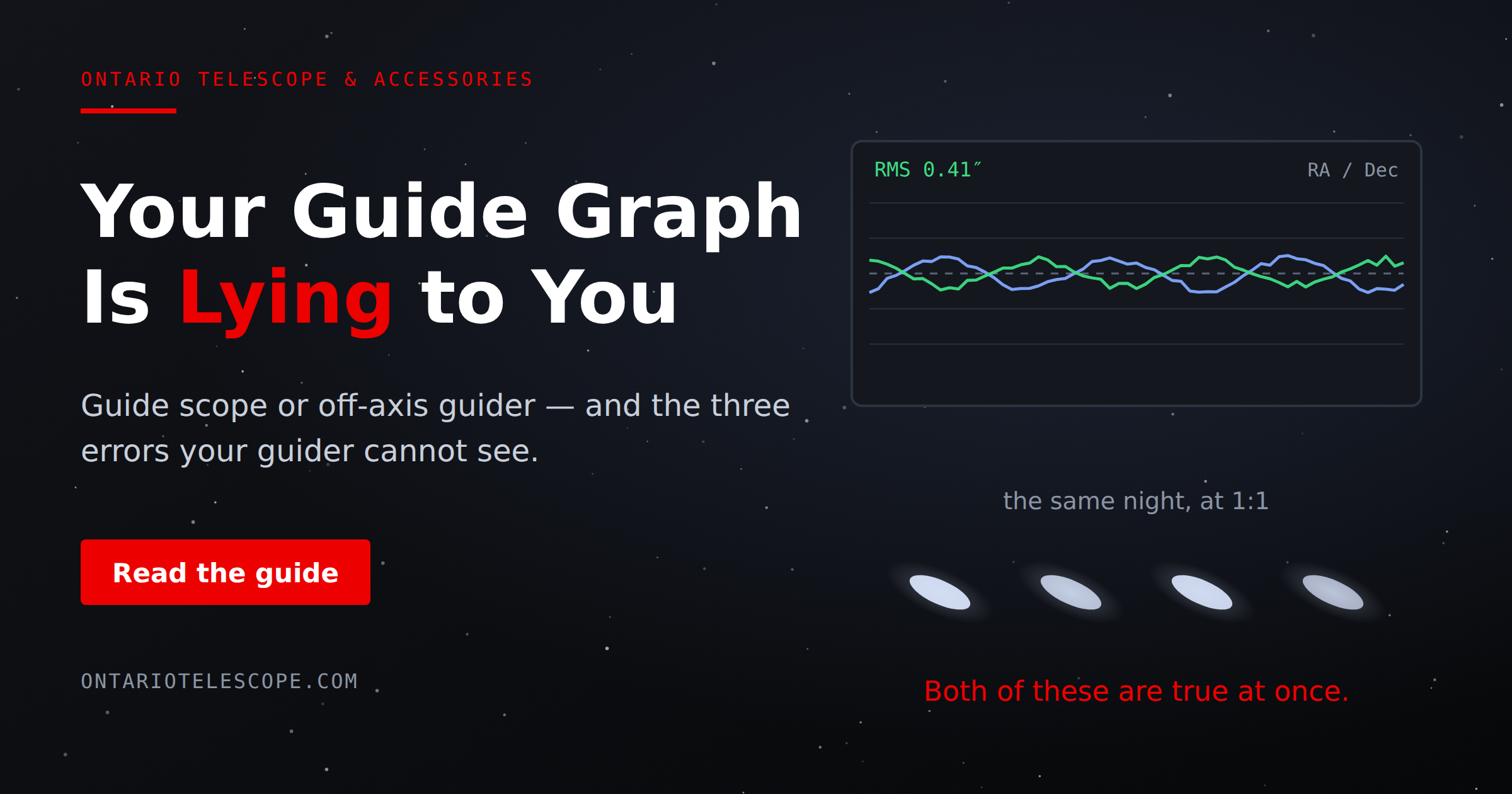
Your Guide Graph Is Lying to You
Read More
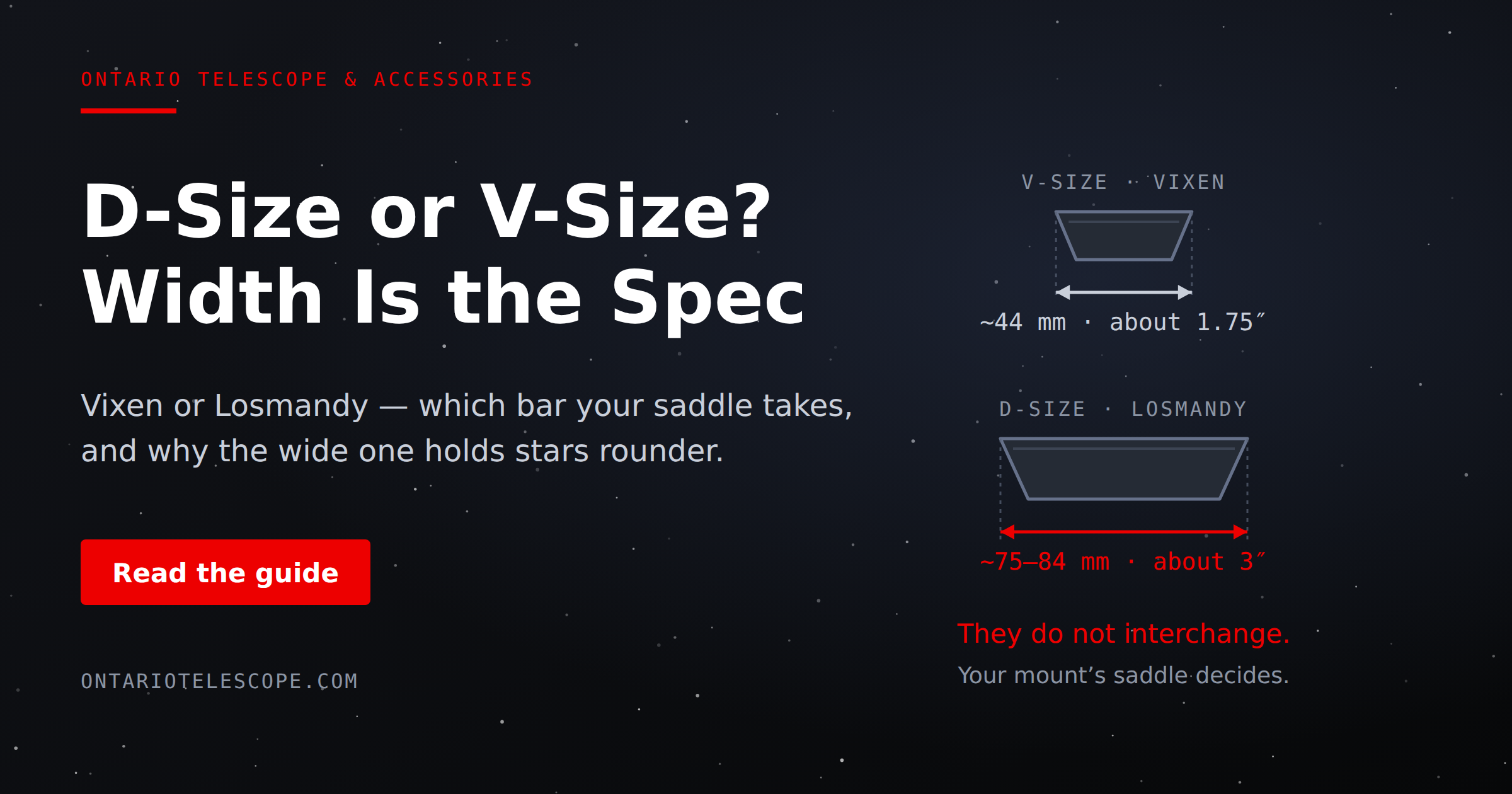
D-Size vs V-Size: A Complete Guide to Telescope Dovetail Systems
Read More
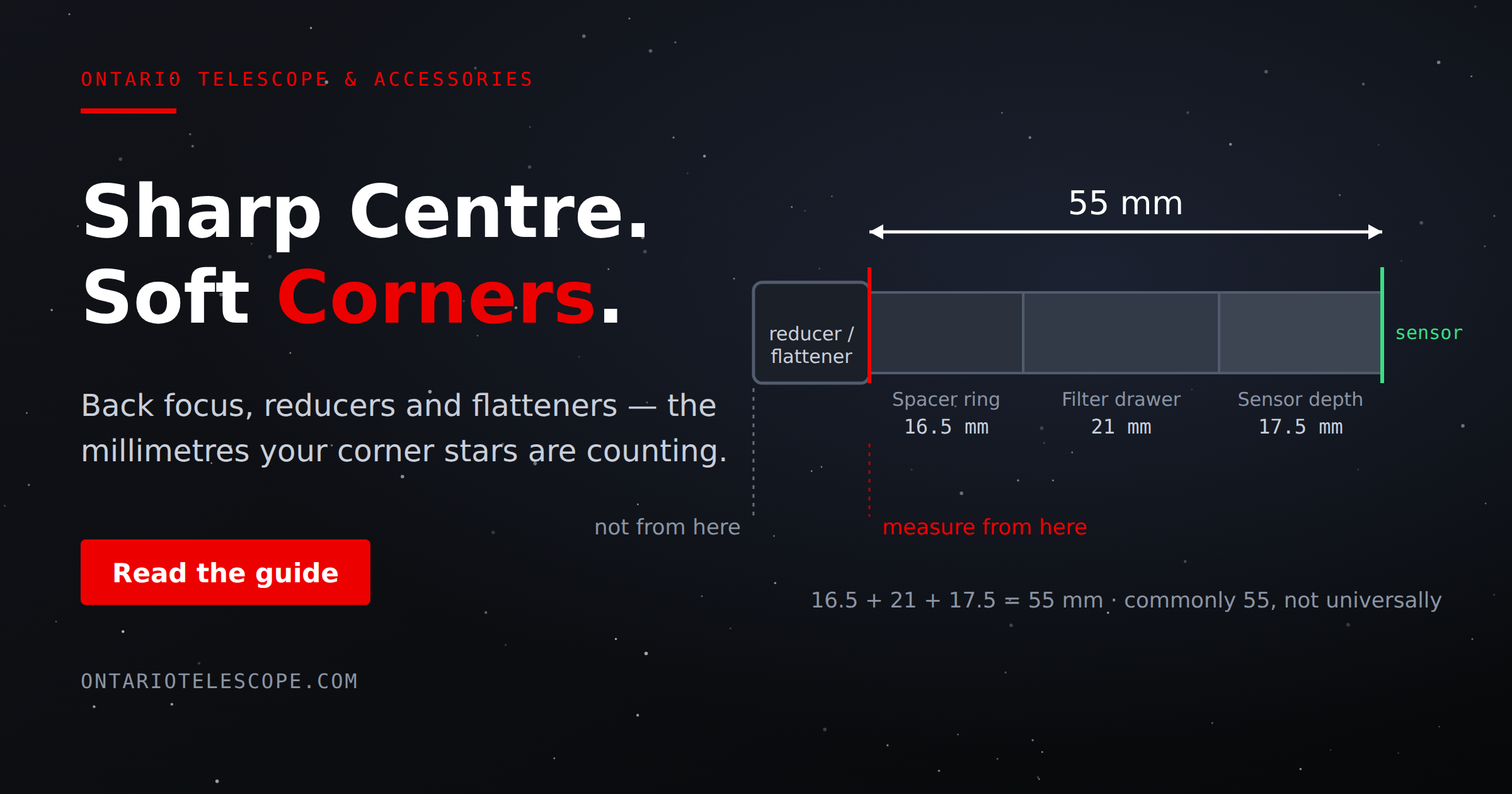
What Is Back Focus in Astrophotography? Telescope Reducers, Flatteners, and Spacing Explained
Read More