
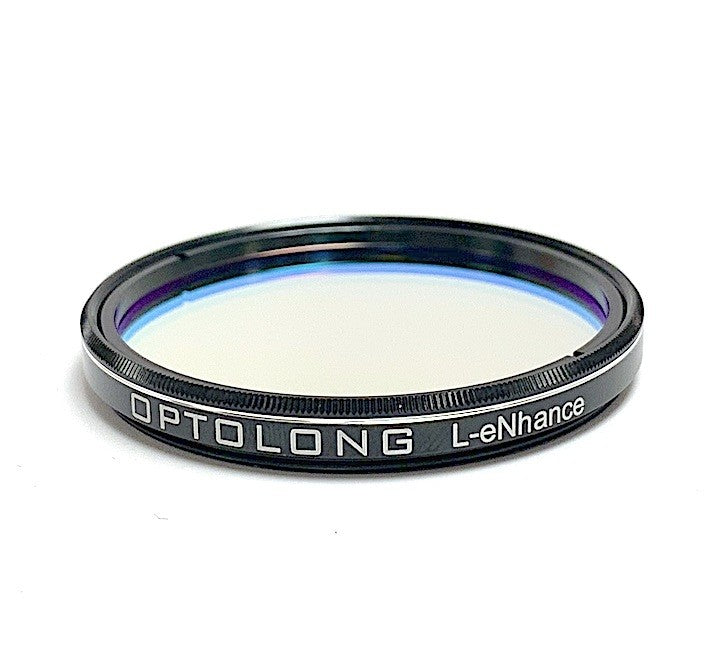


- Description
About L-eNhance Filter
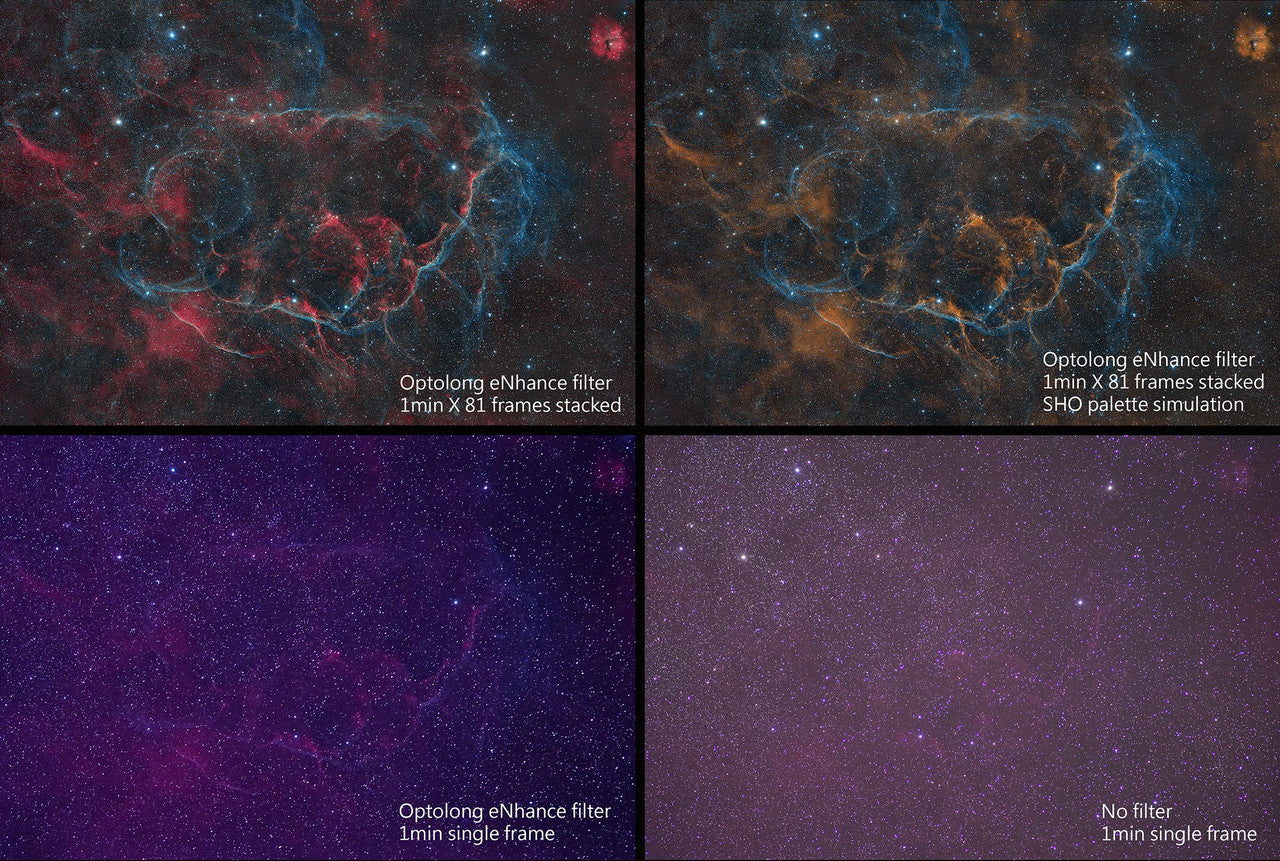
The relentless spread of urbanization and its associated light pollution have become a growing problem for all amateurs and astro photographers. The current solutions to the problem can be expensive and might include the purchase of a monochrome camera, several types of narrowband filters and a filter wheel.
L-eNhance provides an economical and practical solution for amateurs. It is a dual-band pass filter which has been designed for DSLR (digital SLR), color CMOS and CCD cameras. The convenience and cost effectiveness of this filter allows amateurs to image a rich selection of astronomical images, even in bright, heavily light-polluted areas.
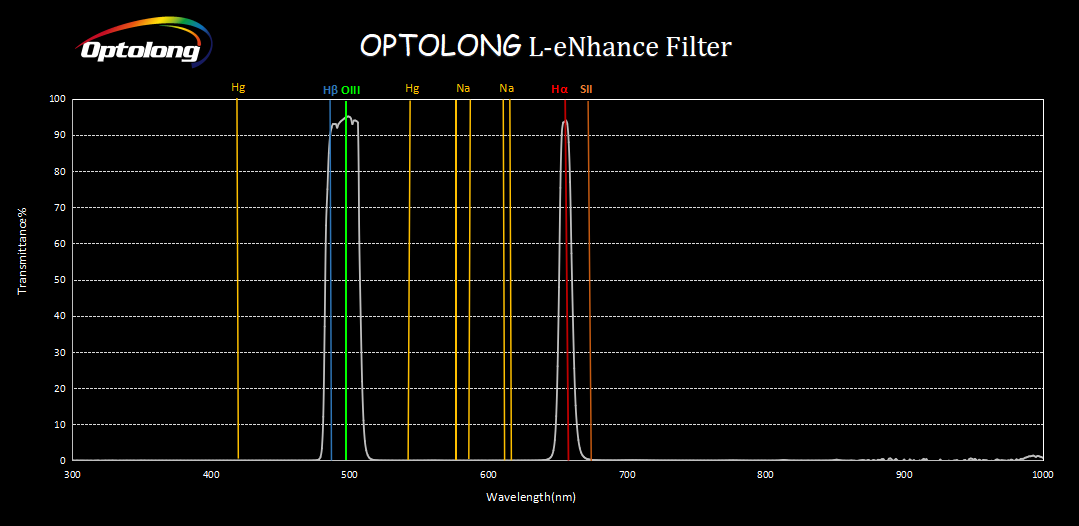
Optolong believes the design of our L-eNhance filter is a technical innovation among filters. It effectively isolates the H-Alpha, H-Beta, and Oxygen III nebula emission lines and achieves a maximum transmission of up to 90%. The performance of this filter delivers images that superbly control the impact from light polluted skies.
L-eNhance Filter Spectrum Curve
According to the characteristics of celestial body emission lines and feature of light pollution span of spectrum, Optolong specially designed and optimized dual-band L-eNhance filter in order to retain the prominent color of nebula RGB while blocking out most of light pollution. Spectrum as shown below:
| Substrate: | B270 |
| Thickness: | 1.85mm |
| Tpeak: | T>90% |
| Blocking range: | 300-1000nm |
| Blocking depth: | light pollution line blocking >99% |
| Surface quality: | 60/40 |
| Transmitted Wavefront RMS: | ?/4 |
| Parallelism (arcsec): |
30s |
You may also like
Recently viewed
Recent Blog Posts
View all
Your Guide Graph Is Lying to You
Read More
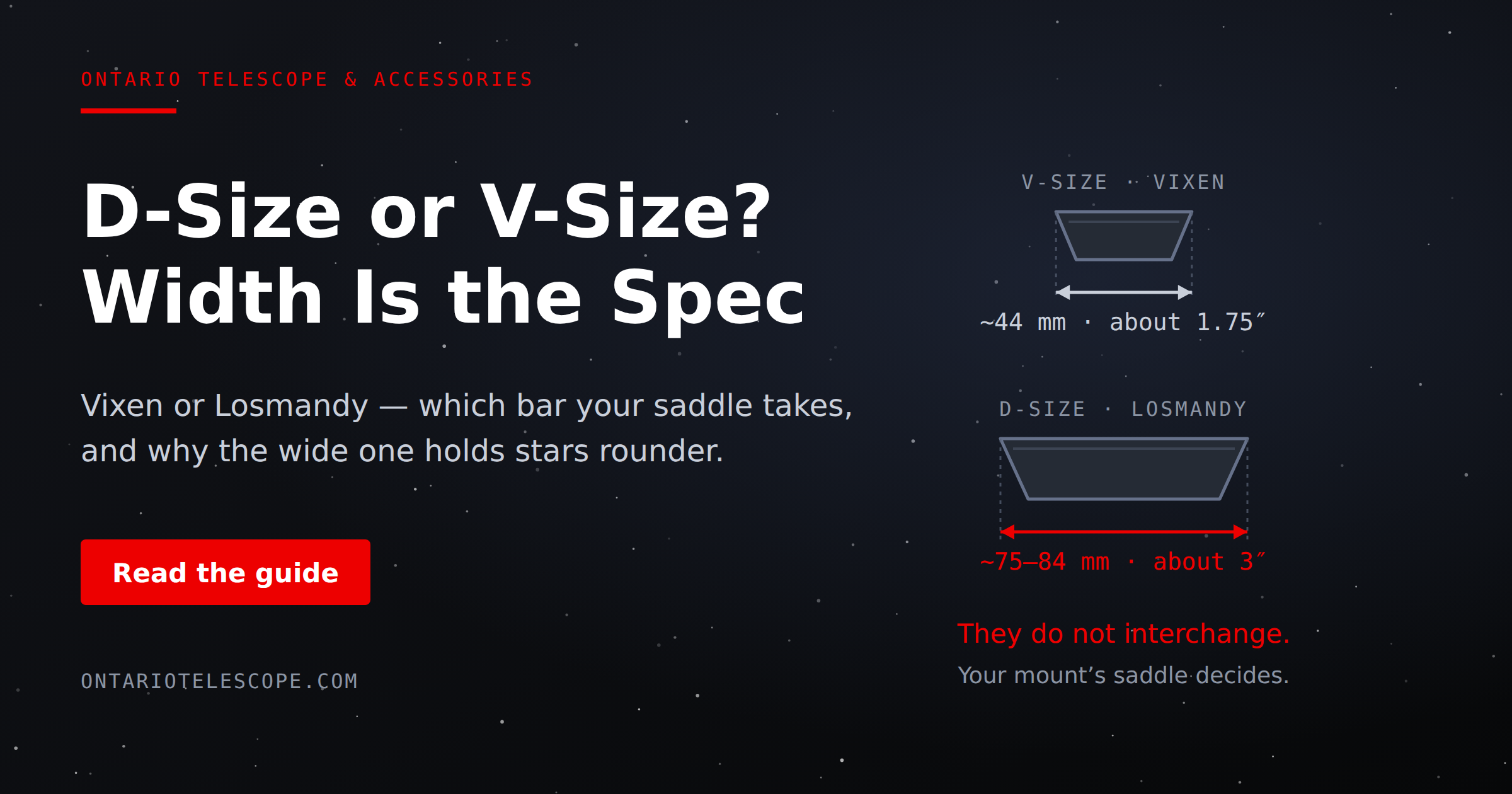
D-Size vs V-Size: A Complete Guide to Telescope Dovetail Systems
Read More
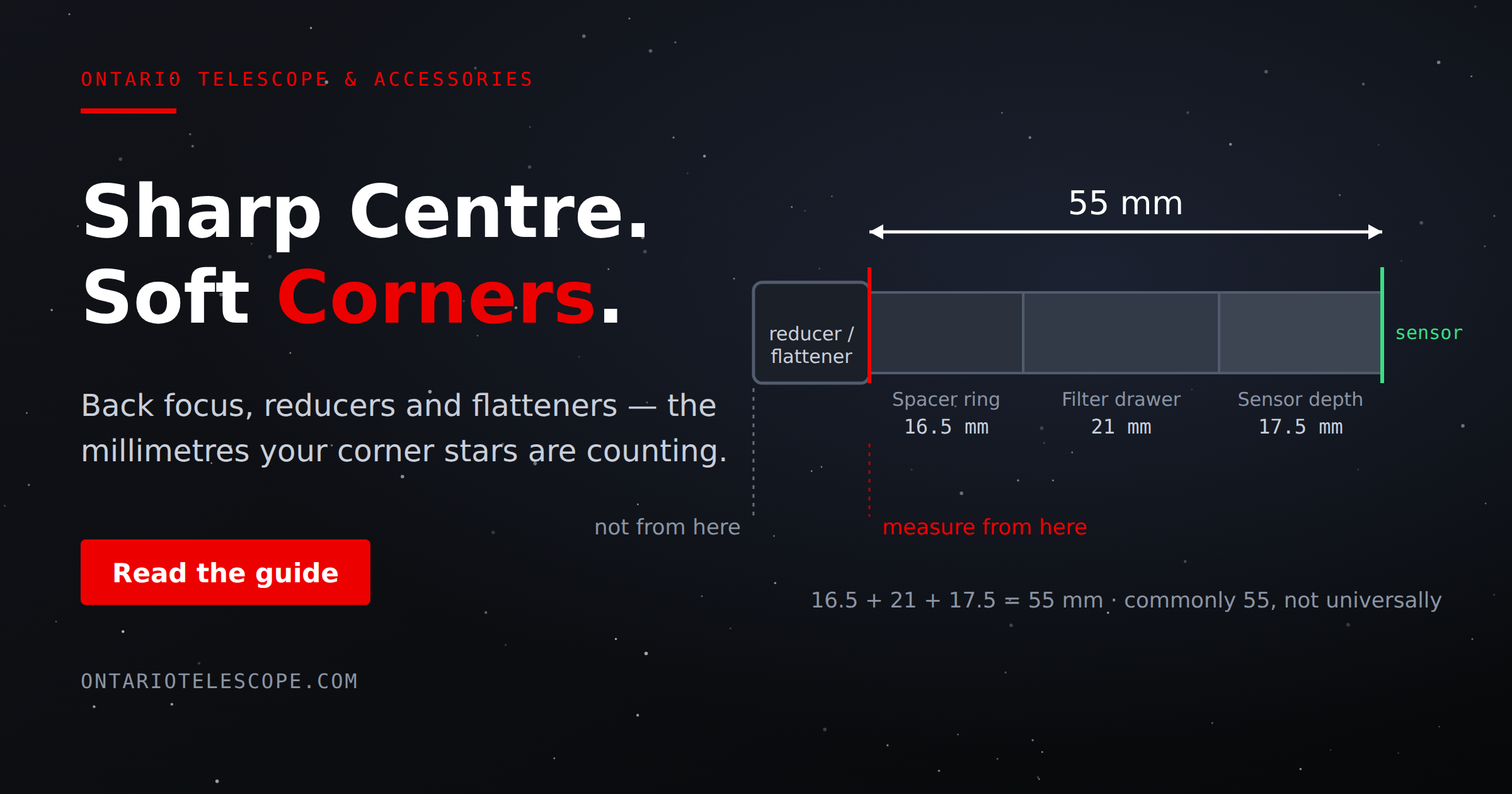
What Is Back Focus in Astrophotography? Telescope Reducers, Flatteners, and Spacing Explained
Read More