


- Description
- Specifications
Product Overview
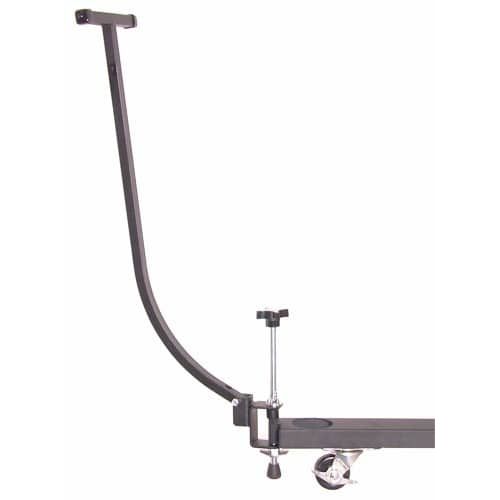
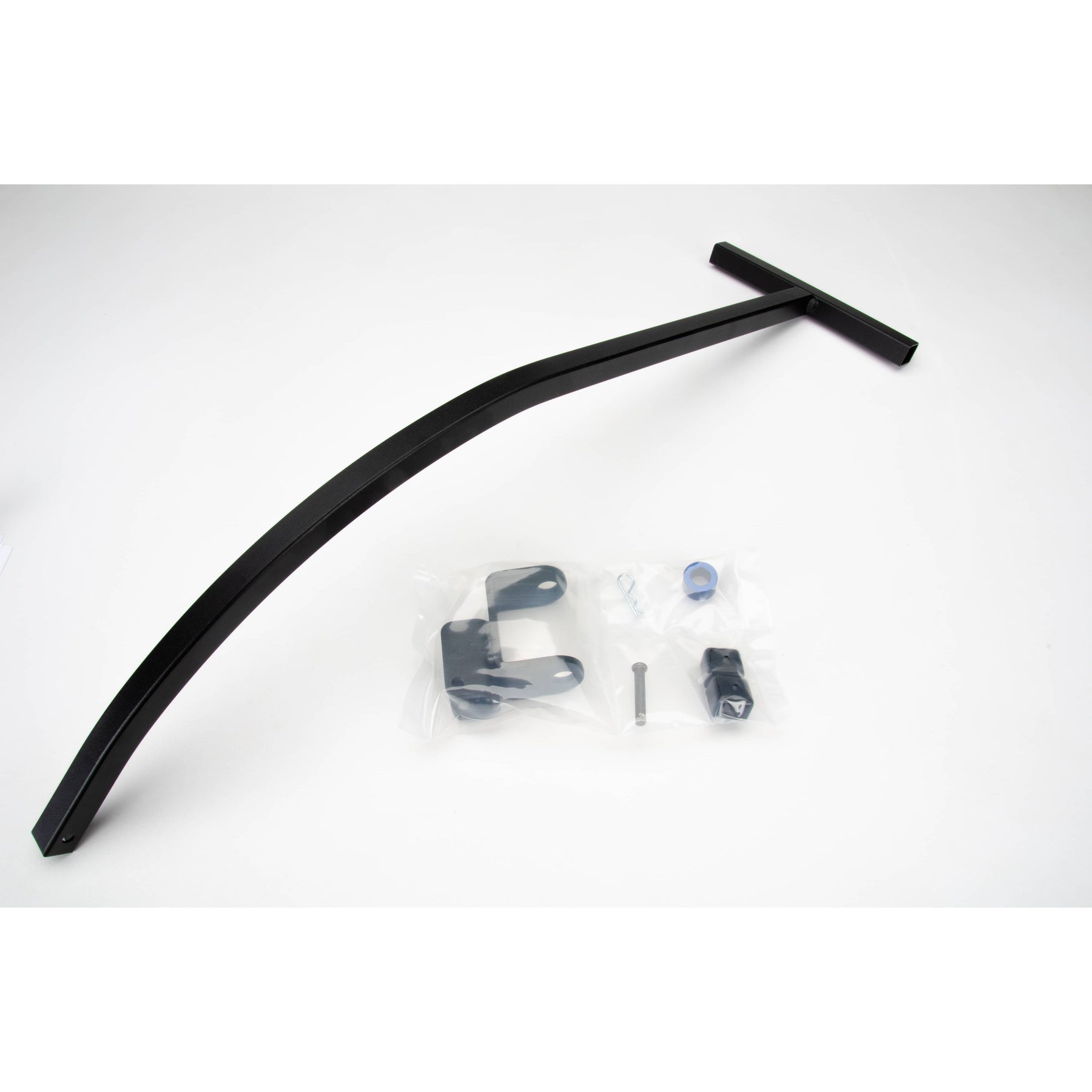
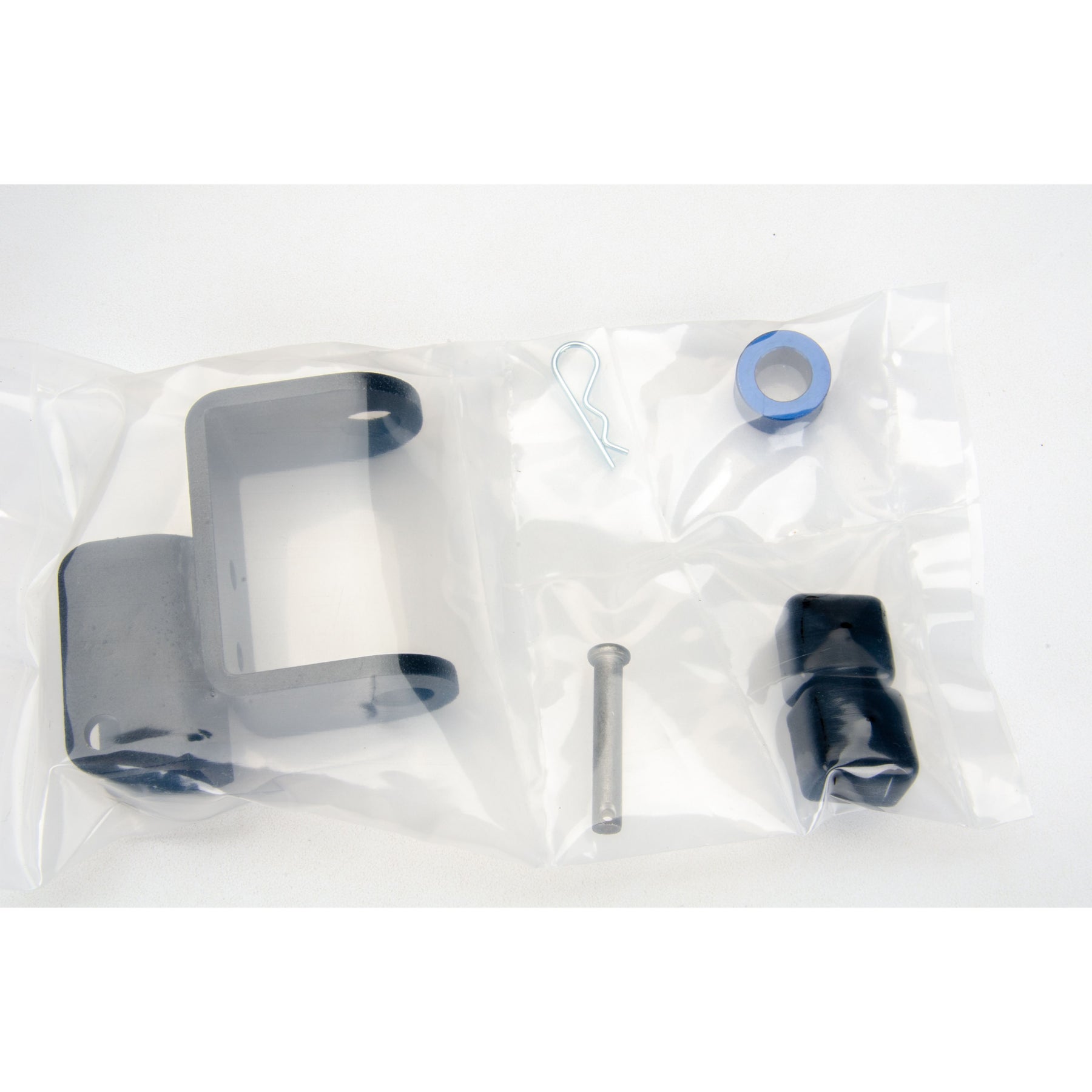
The JMI Tow Handle is a steel pull bar that bolts to the frame of a Universal-style Wheeley Bar running 5″ caster wheels, so a fully loaded rig can be towed across the yard from an upright stance rather than pushed from a stoop. The assembly arrives complete — handle bar, mounting bracket and all attachment hardware — and bolts to existing mounting points with no drilling. JMI puts a first-time install at 10–15 minutes. Once fitted the handle stays on the bar, ready when the rig moves and stowed when it is parked. Shipping weight is 2 lb. Made in the USA by JMI, part of the CXB Astro family.
Who It's For
This is a good match if you…
- Move a caster-wheel Wheeley Bar any real distance between storage and the observing spot.
- Would rather pull a tall, top-heavy load than push it from behind where you cannot see the wheels.
- Run a heavy imaging setup that you would prefer not to lean over while it is rolling.
- Have a bar on 5″ casters, which ships without the handle that the 10″ pneumatic bars already include.
Key Features & Design
- Complete assembly: Handle bar, mounting bracket and all attachment hardware in one package.
- Bolt-on fit: Uses the bar's existing mounting points, so no drilling is involved.
- Steel throughout: Handle bar and bracket both steel, with a corrosion-resistant finish for outdoor storage.
- 10–15 minute install: JMI's figure for a first-time fit with hand tools.
- Stays fitted: Deployed for moving, stowed when the bar is parked — no repeated mounting.
- Two versions: Matched to the 5/8″ and 1/2″ leveling screws used across the caster-wheel Wheeley Bar line.
Mechanical Design
The mounting bracket picks up the same points on the frame as the leveling screws, and its bores are machined to the screw diameter — which is why the handle is ordered by leveling-screw size rather than by bar model alone. Anchoring there puts the towing load into the frame itself rather than into sheet metal, and places the handle ahead of the front casters so the bar follows the pull instead of fighting it. Pulling also changes how the load behaves: with the rig ahead of you the casters trail and track straight, where pushing from the rear steers a tall mass you are standing behind. On a slope that difference is the whole point — a towed bar stays in front of the hand holding it.
Recommended Uses
- Wheeling a loaded mount and OTA from a garage or shed out to the observing pad.
- Moving a rig across a lawn or gravel drive without leaning over it the whole way.
- Repositioning between targets or chasing a gap in the trees during a session.
- Star party and outreach setups where the bar crosses a field more than once a night.
- Towing down a mild slope, where keeping the load ahead of you is easier to control.
Compatibility and Accessory Notes
This handle fits Universal-style Wheeley Bars that have 5″ caster wheels, and the version is selected by leveling-screw thread diameter:
- TPWHANDLE-5/8″-5W — 5/8″ leveling screws with 5″ casters: the current HD Medium, HD Large and HD Shorty bars.
- TPWHANDLE-1/2″-5W — 1/2″ leveling screws with 5″ casters: the Standard Medium bar and older HD Medium / HD Large model years.
Bars fitted with 10″ pneumatic tires arrive with a tow handle already installed, so this accessory covers the 5″ caster bars. JMI's Triangle Style bars and the Sky Trekker series use a different frame and leveling-screw design and fall outside this fit. A longer handle bar is available separately as the Tow Handle XL, which swaps in for the handle bar portion after this assembly is installed. Thread diameter reads off a screw backed out of the bar with calipers or a rule — 5/8″ is the current HD standard, 1/2″ the earlier one. Tell us your Wheeley Bar model, model year and wheel size and we'll confirm which version matches.
Good to Know Before You Order
- Both conditions apply to the fit. The bar needs 5″ caster wheels and the matching leveling-screw diameter, since the bracket bores are sized to the screws.
- The 10″ pneumatic tire bars already have one. That upgrade ships with a tow handle installed, so a second is redundant.
- The two versions are not interchangeable. Bracket bores differ between 5/8″ and 1/2″, so the version follows the screws already on the bar.
- Installation takes hand tools and 10–15 minutes. The hardware is included and no drilling is required.
- The Tow Handle XL is a separate item. It is a longer handle bar that replaces this one's handle section rather than a complete alternative assembly.
- Shipping weight is 2 lb. The Wheeley Bar itself is supplied separately.
Frequently Asked Questions
Is it difficult to install?
It is a bolt-on fit using the bar's existing mounting points, with every fastener included and no drilling involved. JMI puts a first-time install at 10–15 minutes with ordinary hand tools.
How do I tell whether my bar has 1/2″ or 5/8″ leveling screws?
Back one screw out of the bar and measure the thread diameter. 5/8″ is the current HD standard; 1/2″ is the older standard on the Standard Medium and earlier HD model years.
Why does the handle have to match the leveling-screw size?
The mounting bracket attaches at the same points as the leveling screws, and its bores are machined to the screw diameter. A bracket cut for one size does not land correctly on the other.
My bar has 10″ pneumatic tires — do I need this?
No. Bars with the 10″ pneumatic tires ship with a tow handle already fitted. This one is for the 5″ caster-wheel bars.
Does it fit the HD Shorty?
Yes — the HD Shorty runs 5/8″ leveling screws and 5″ caster wheels, which is the 5/8″ version.
Can I use the longer XL handle with this?
Yes. The Tow Handle XL is ordered separately and swaps in for the handle bar portion once this assembly is installed.
Why pull rather than push?
Towing keeps a tall, top-heavy rig ahead of you where the casters trail and track straight, and it lets you stand upright instead of leaning over the load.
Bottom Line
In short: a 2 lb USA-made steel pull bar that bolts to a 5″ caster Wheeley Bar in 10–15 minutes and lets you tow a loaded rig upright instead of pushing it. The 5/8″ version suits current HD Medium, HD Large and HD Shorty bars; the 1/2″ version suits Standard Medium and older HD models.
| Type | Bolt-on tow handle for caster-wheel Wheeley Bars |
|---|---|
| What's included | Complete tow handle assembly — handle bar, mounting bracket, and all attachment hardware |
| Construction | Steel handle bar and mounting bracket with corrosion-resistant finish |
| Installation | Bolts to the Wheeley Bar frame using the included hardware; most observers complete the install in 10–15 minutes the first time. No drilling required |
| 5/8″ version fits | JMI Wheeley Bars with both 5/8″ leveling screws and 5″ caster wheels — current HD Medium, HD Large, HD Shorty |
| 1/2″ version fits | JMI Wheeley Bars with both 1/2″ leveling screws and 5″ caster wheels — Standard Medium and older HD Medium / HD Large model years |
| Not compatible | Wheeley Bars with 10″ pneumatic tires (a tow handle is already fitted); Triangle Style bars; Sky Trekker series |
| Related accessory | Tow Handle XL — longer handle bar, ordered separately |
| Weight | 2 lb |
| Country of origin | United States — made by JMI, part of the CXB Astro family |
| Part codes | TPWHANDLE-5/8″-5W · TPWHANDLE-1/2″-5W |
You may also like
Recently viewed
Recent Blog Posts
View all
Your Guide Graph Is Lying to You
Read More

D-Size vs V-Size: A Complete Guide to Telescope Dovetail Systems
Read More

What Is Back Focus in Astrophotography? Telescope Reducers, Flatteners, and Spacing Explained
Read More