


- Description
6" (150mm) iOptron Pier Top flange plate for building your own pier or modifying your existing tripod/pier.
Please specify in the order notes the mount that will be used for the pier plate.
- Plate diameter: 6" (150mm)
- Three (3) M10 threaded through holes for MT/MT2/MTP (needs a T-bolt)
- Four (4) M8 threaded through holes for CEM70A/CEM70AG/CEM60/CEM60-EC (needs a center post), or iEQ45/iEQ45 Pro (needs a center post and a iEQ45 alignment peg)
- Four (4) M6 threaded through holes for iEQ30/iEQ30 Pro (needs a center post and a iEQ30 alignment peg). Due to the small mount base of iEQ30/iEQ30 Pro, the low latitude operation may be affected.
You may also like
Recently viewed
Recent Blog Posts
View all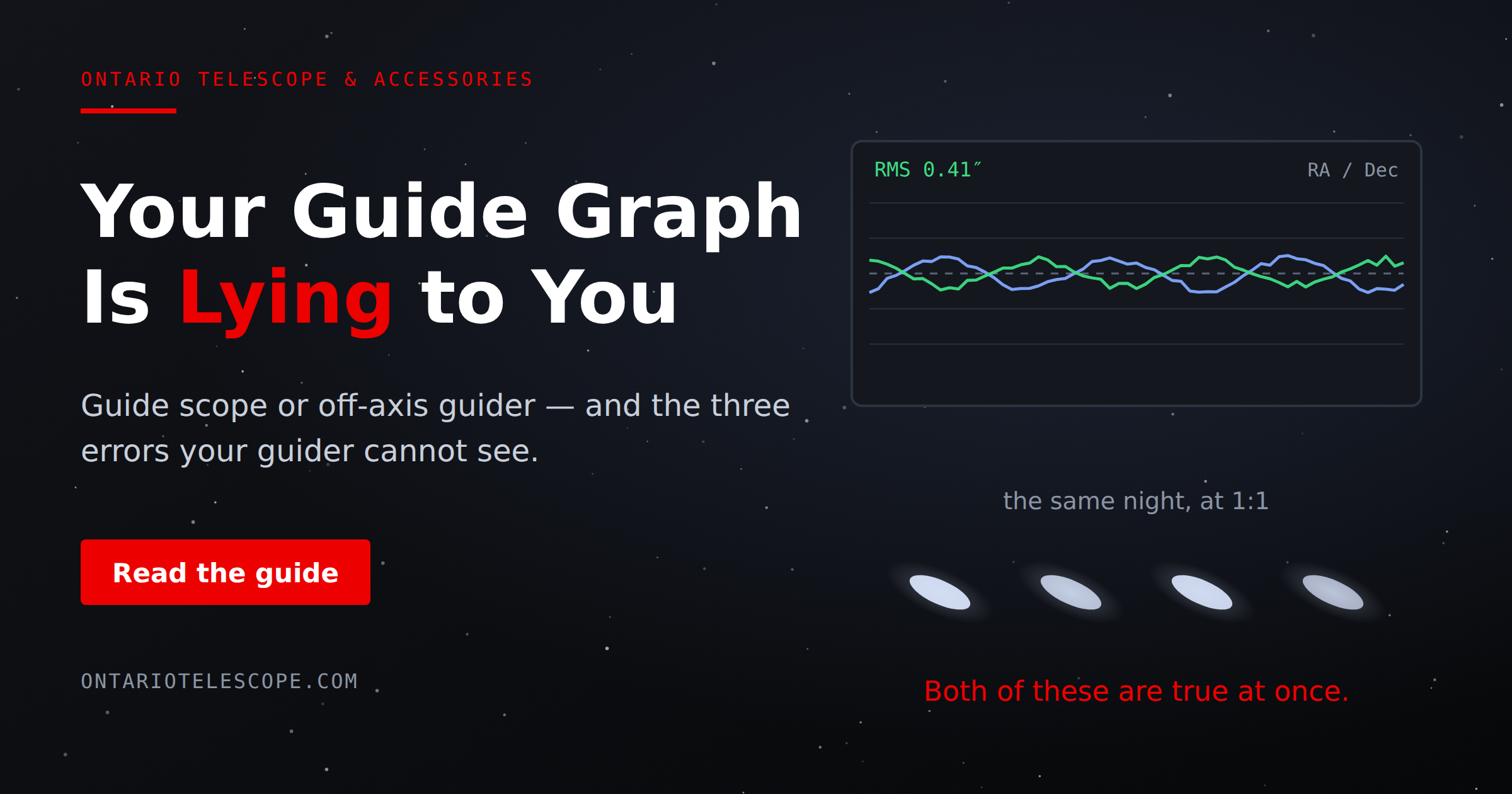
Your Guide Graph Is Lying to You
You drove ninety minutes to dark sky, PHD2 held 0.4 arcseconds all night, and half your subs still have eggs for stars. Here are the three things your
Read More
Read More
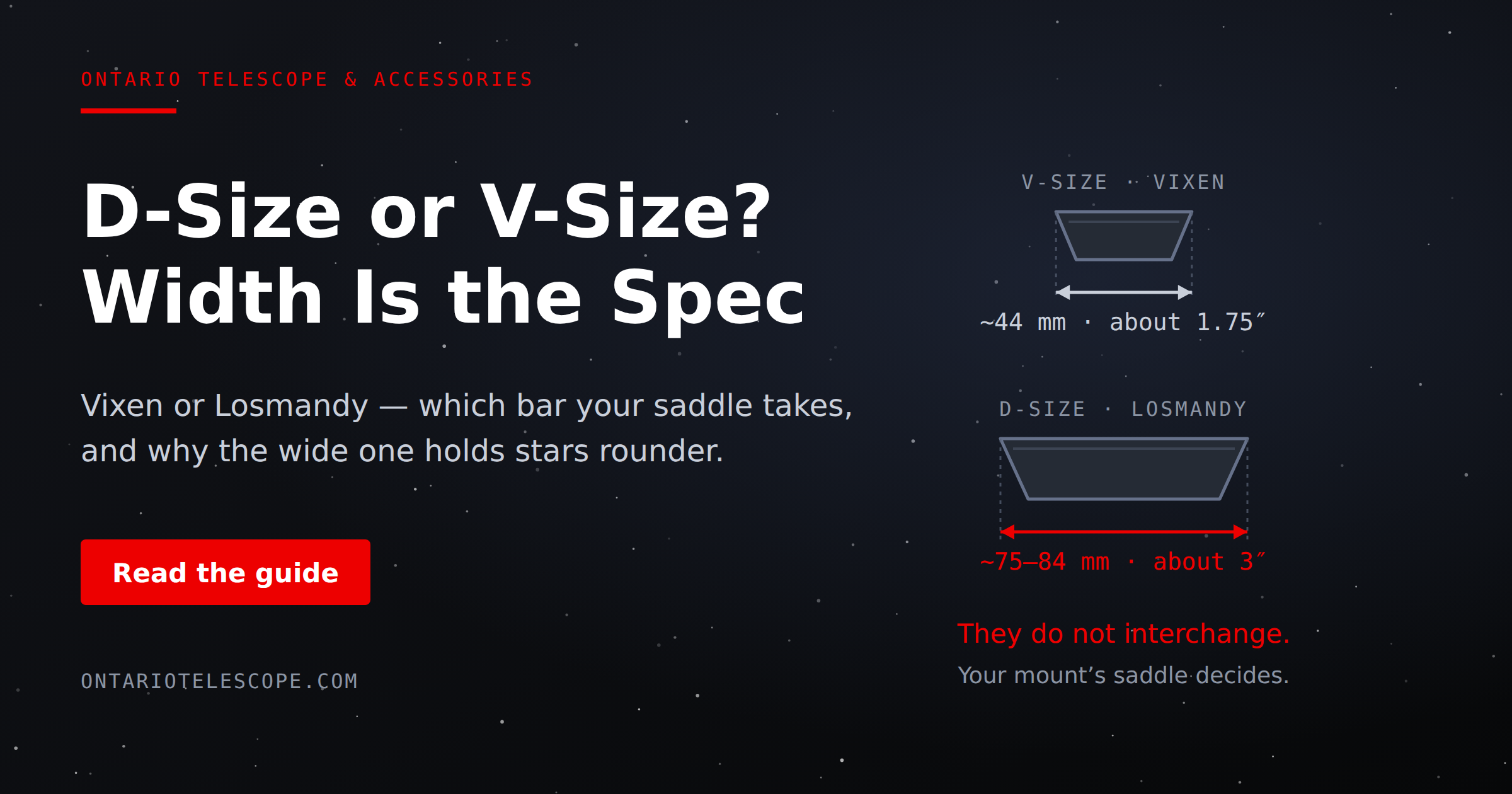
D-Size vs V-Size: A Complete Guide to Telescope Dovetail Systems
What's the difference between D-size and V-size telescope dovetails? Here's everything you need to know.
Read More
Read More
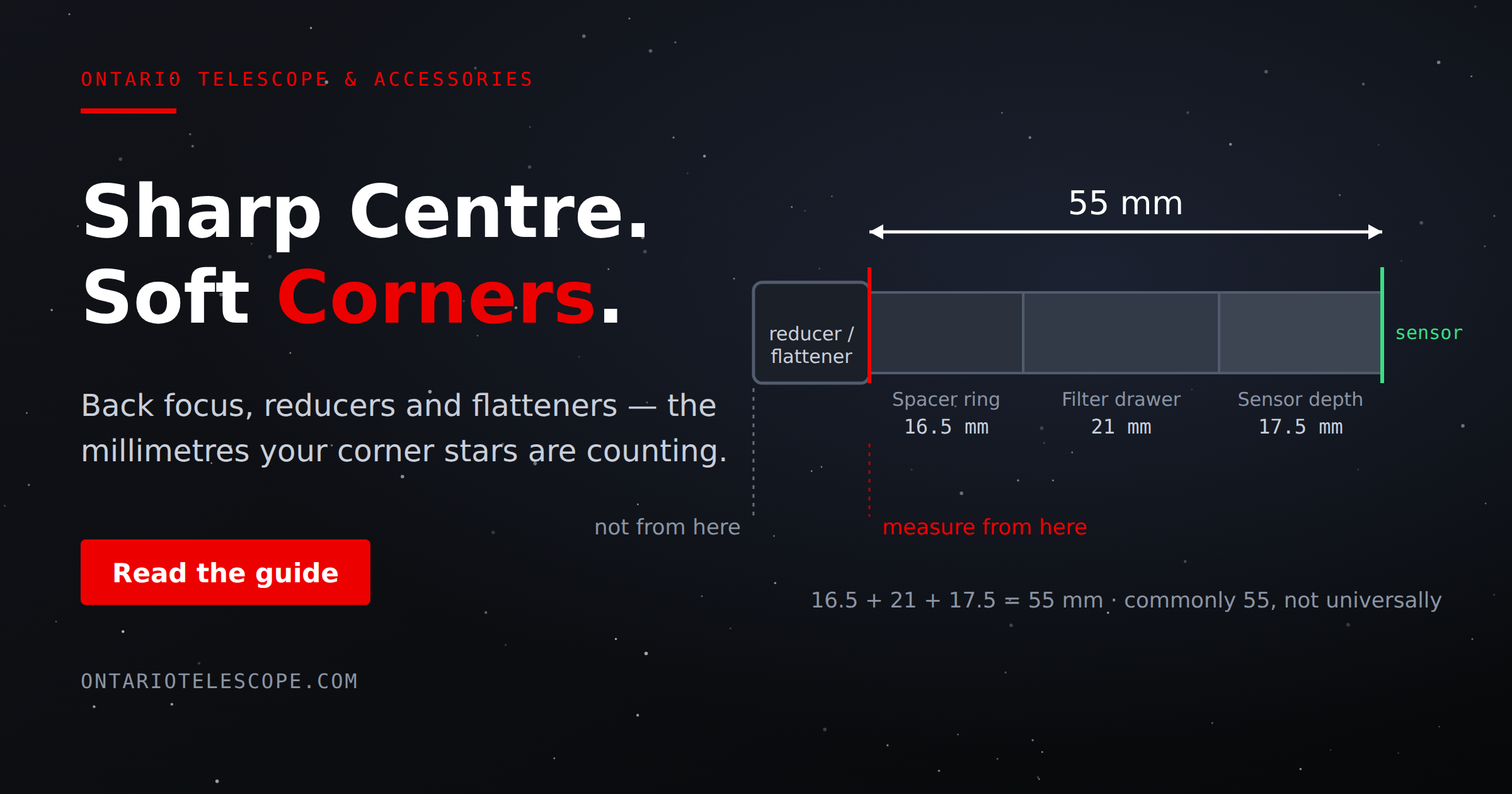
What Is Back Focus in Astrophotography? Telescope Reducers, Flatteners, and Spacing Explained
What Is Back Focus in Astrophotography? Telescope Reducers, Flatteners, and Spacing Explained
Back focus is one of those astrophotography terms that c
Read More
Read More