


- Description
- Specifications
The iOptron Rumak-type 150mm Maksutov-Cassegrain is perfect for the serious amateur astronomer who wants apochromatic refractor-type performance at an affordable price. In fact, the multicoated optics provide almost similar results as a 5-inch apochromatic refractor -- at a fraction of the cost.
You will be amazed at the images you'll see with the MAK 150 surprisingly. It resolves fine details in lunar and planetary subjects splits closely-spaced binary stars and provides exploration of deep-sky objects. The precision design and engineering of the optics produces images you would not expect in such a light tube.
The MAK 150 from iOptron is the only MAK of its kind that comes with a dual speed focuser for fine-tuning your images. Also included is an attachable dew shield rare for a MAK for better performance in cold temperatures.
- Rumak Maksutov-Cassegrain optics
- Aperture: 150mm
- Focal Length: 1800mm/ f12
- Eyepiece holder with compression ring
- 8X50 Finderscope
- Twist-lock aluminum dew-shield
- Dual-speed focuser
Features
You may also like
Recently viewed
Recent Blog Posts
View all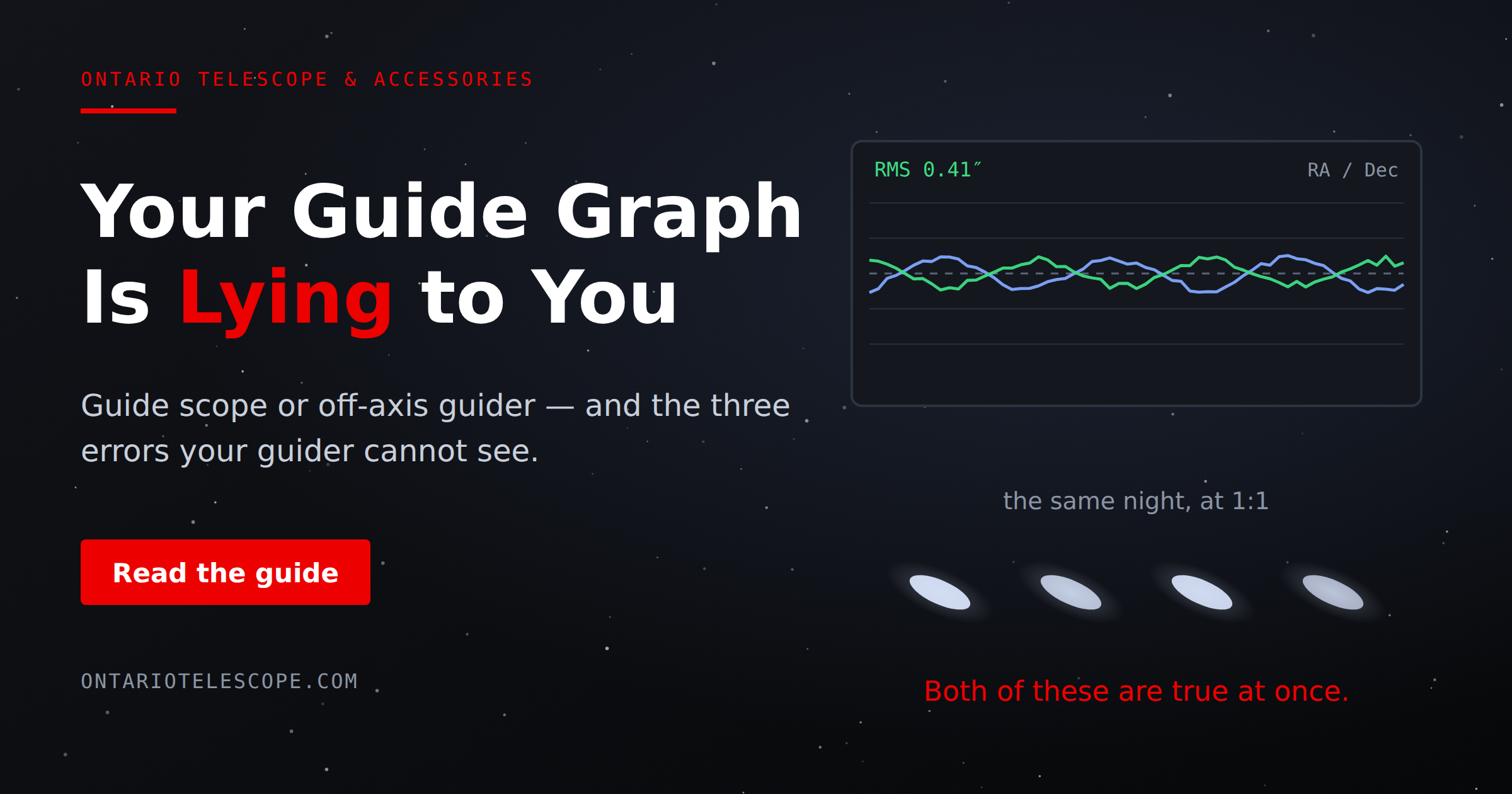
Your Guide Graph Is Lying to You
You drove ninety minutes to dark sky, PHD2 held 0.4 arcseconds all night, and half your subs still have eggs for stars. Here are the three things your
Read More
Read More
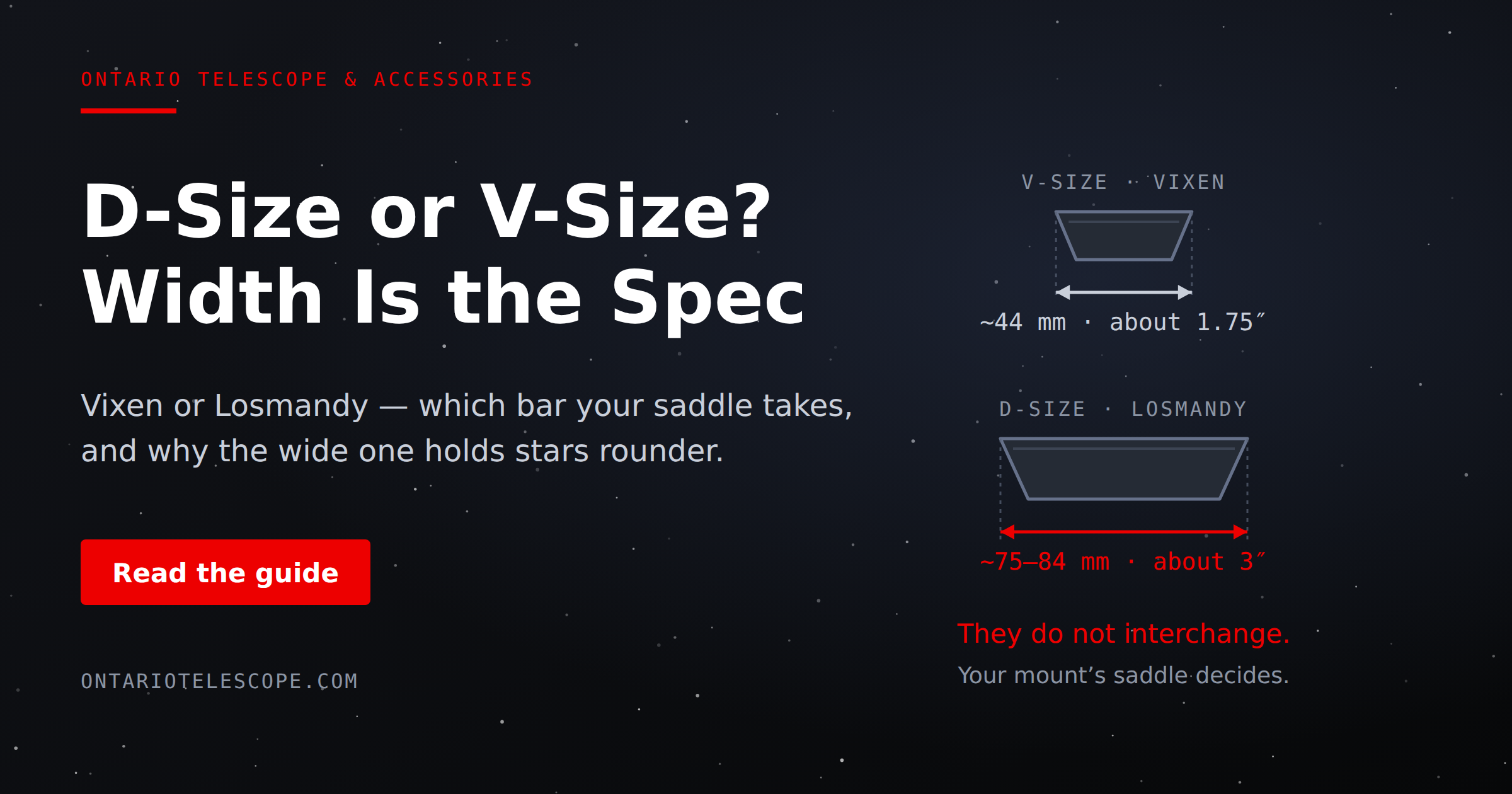
D-Size vs V-Size: A Complete Guide to Telescope Dovetail Systems
What's the difference between D-size and V-size telescope dovetails? Here's everything you need to know.
Read More
Read More
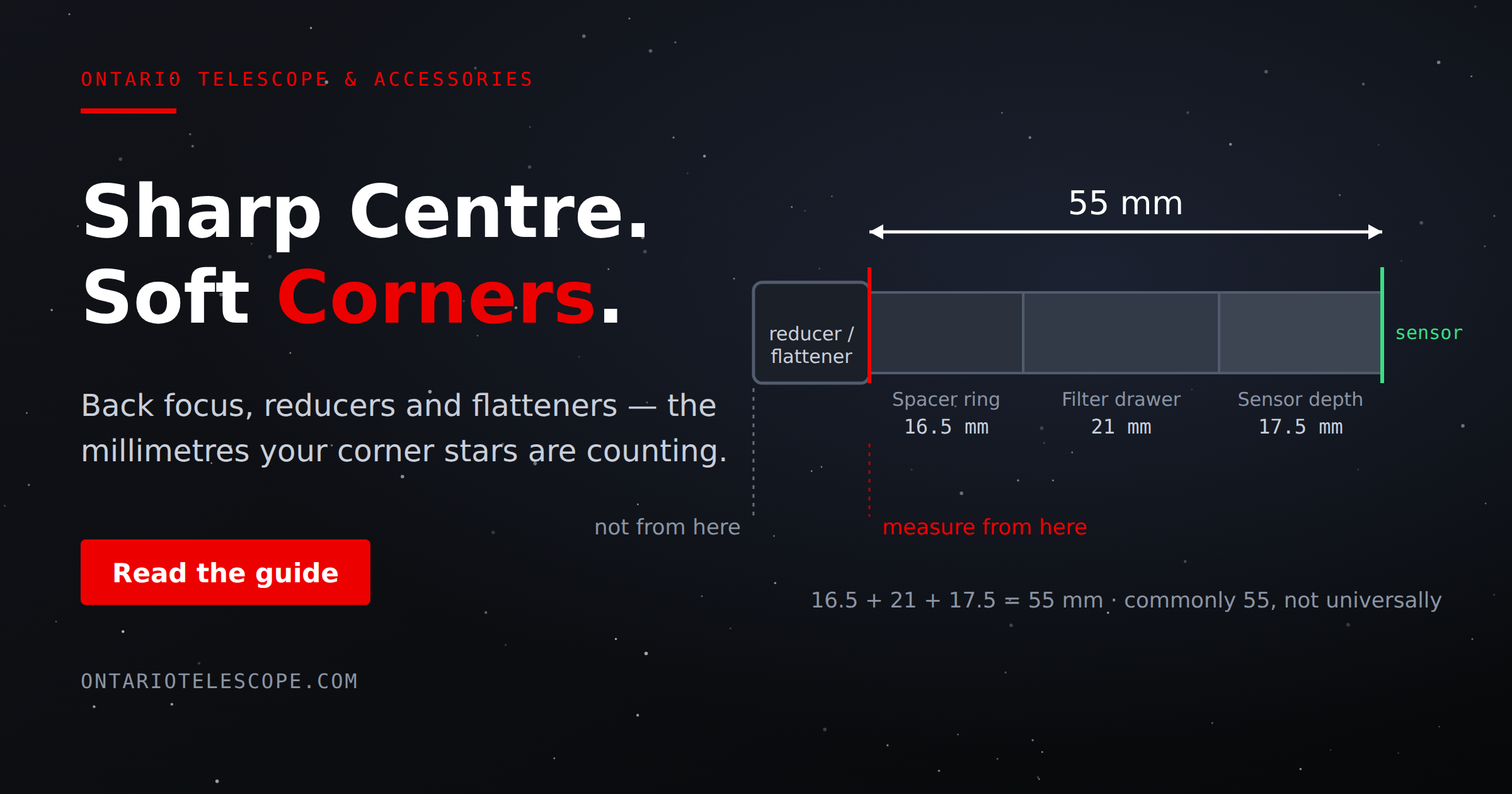
What Is Back Focus in Astrophotography? Telescope Reducers, Flatteners, and Spacing Explained
What Is Back Focus in Astrophotography? Telescope Reducers, Flatteners, and Spacing Explained
Back focus is one of those astrophotography terms that c
Read More
Read More