


- Description
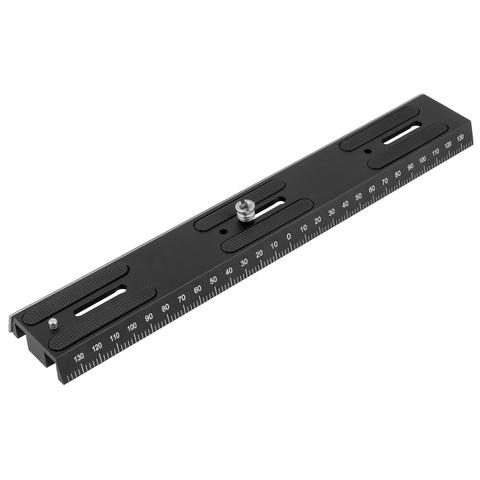
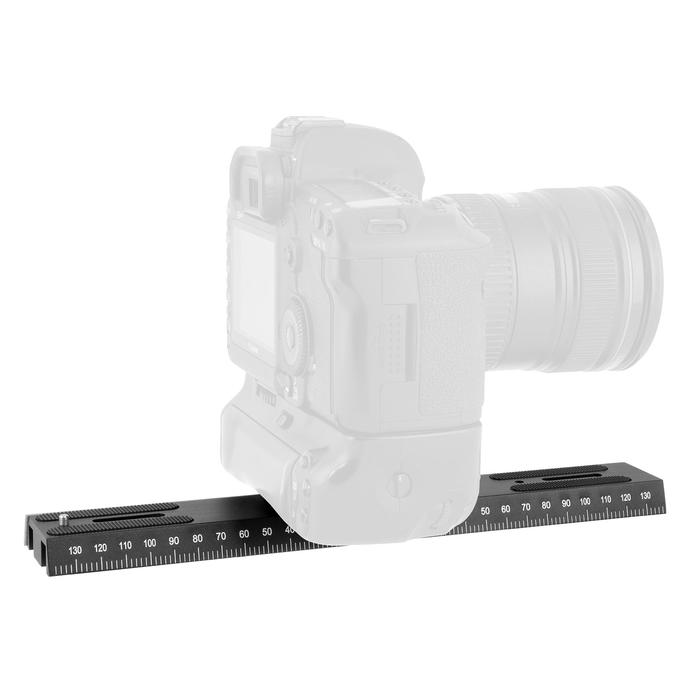
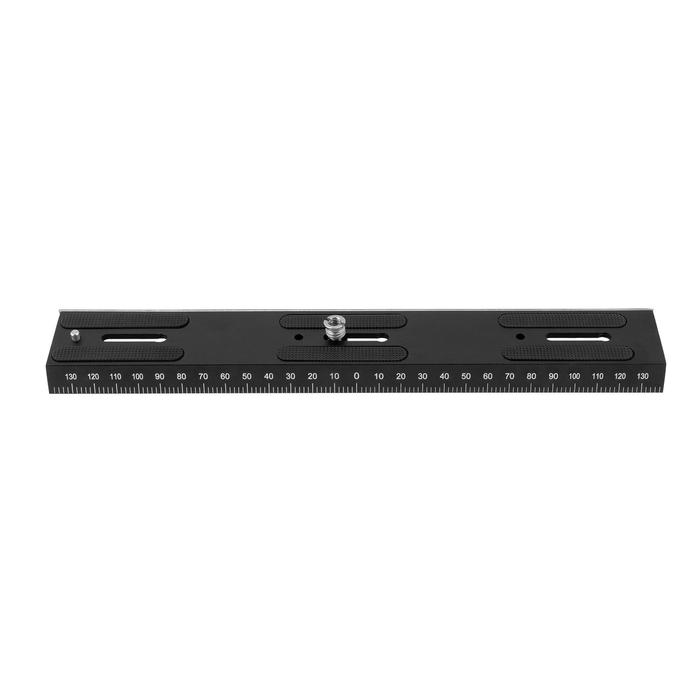
The Explore Scientific Camera Dovetail Plate is created from high-pressure injection die-cast aluminum for structural integrity. Measuring 11-inches long, its black anodized surface is laser etched in 2mm increments (130mm to 0 to 130mm) on one side to help you quickly determine the balance point when placing the camera on the mount head. A stainless steel plate is on the opposite side to protect the dovetail casting when securing it to the mount head.
The dovetail plate is machined for 3 positions with rubber anti-slip pads, and comes complete with a 1/4x20 attaching bolt and spring-loaded safety pin for mounting a camera body.
Suitable for use on all Explore Scientific mounts and other-brand mounts that accept the popular "Vixen-style" dovetail plate width. Weighs only 8.5 oz.
You may also like
Recently viewed
Recent Blog Posts
View all
Your Guide Graph Is Lying to You
Read More

D-Size vs V-Size: A Complete Guide to Telescope Dovetail Systems
Read More

What Is Back Focus in Astrophotography? Telescope Reducers, Flatteners, and Spacing Explained
Read More