


- Description
- Specifications
Product Overview
The Explore Scientific 52° Series 3mm is the shortest focal length in the 52° range — a six-element, three-group eyepiece in an argon-purged waterproof housing with a 1.25-inch double-taper barrel. Explore Scientific publishes 15mm of eye relief, a 2.7mm field stop, EMD (Enhanced Multi-Layer Deposition) coatings on every lens-to-air surface, and edge-blackened elements. It measures 90.9mm long by 43mm wide and weighs 204.1 grams (7.2 oz.).
At 3mm this is an extreme-magnification eyepiece. Explore Scientific quotes 160X on an ED80 and up to 405X on an ED152. The practical effect is that this eyepiece is chosen for a specific job on a specific kind of night: a steady atmosphere, a planet or a tight double star, and an aperture large enough to have detail left to resolve at that power.
The 52° apparent field is deliberately modest. What the series buys with that restraint is edge correction and value — a flat, well-behaved field across its width rather than a panoramic one, in a sealed body that shrugs off dew.
Who It's For
- Planetary observers chasing the finest scale of detail their aperture can show: festoons in the Jovian cloud belts, the Encke minimum, surface markings on Mars near opposition.
- Double-star observers working on tight pairs, where raw magnification separates components that blur together at lower power.
- Lunar observers examining individual craterlets, rilles and terracing along the terminator.
- Owners of short-focal-length telescopes: in an f/6 80mm at 480mm, 3mm gives 160x — a genuinely useful high power that a longer eyepiece could not reach without a focal extender.
- Observers in damp climates: the O-ring sealed, argon-filled body is tested under 1 metre of water for 30 minutes, and argon does not condense internally the way trapped humid air does.
Key Features & Design
- 6 elements in 3 groups, edge blackened: the blackening on the ground edges of each element absorbs light that would otherwise bounce around inside the barrel and lift the background.
- EMD coatings on all lens-to-air surfaces: higher transmission and better contrast, which matters most at high magnification where the image is already dim.
- 15mm eye relief at 3mm focal length: notable, because eye relief in a simple short-focus design usually scales with focal length and would otherwise be a few millimetres here.
- 2.7mm field stop: the figure that defines true field — divide it by your telescope's focal length and multiply by 57.3 to get degrees.
- Argon-purged, O-ring sealed body: tested under 1 metre of water for 30 minutes.
- 1.25″ double-taper barrel: the taper gives a thumbscrew something to catch on, so the eyepiece resists being pulled out of a diagonal.
- Standard 1.25-inch filter thread (1.125-inches x 42 TPI).
- Removable flip-down soft silicone eyecup and slide-on caps top and bottom.
- Laser-engraved markings: focal length, series, serial number and brand.
- Published dimensions: 90.9mm long, 43mm wide, 204.1 grams (7.2 oz.).
Recommended Uses
- Maximum-power lunar and planetary observing on nights of steady seeing.
- Splitting close double stars.
- Detailed work on small bright deep-sky objects — the brighter planetary nebulae, the cores of globular clusters.
- Reaching high magnification in short-focal-length telescopes without adding a focal extender to the train.
- Completing a matched 52° Series set so eye position and field character stay consistent across focal lengths.
Compatibility and Accessory Notes
- Fits any 1.25-inch focuser or diagonal directly. In a 2-inch focuser it takes a 2-inch to 1.25-inch adapter, which we stock.
- Magnification: telescope focal length ÷ 3. A 480mm f/6 refractor gives 160x; a 952mm f/7.5 gives 317x; a 1200mm SCT gives 400x.
- Filters: takes standard 1.25-inch threaded filters. Colour and neutral-density filters are the usual planetary companions.
- Focal extenders: a 3mm eyepiece is already at the short end, and pairing it with a 2x or 3x extender goes beyond the useful magnification of nearly any aperture. Longer eyepieces in the series are the better partners for an extender.
- Exit pupil: aperture divided by magnification — in an f/7.5 telescope the exit pupil is 0.4mm, which is small and dim by design at this power.
- Eyeglass wearers: 15mm is workable, though observers who need more can look at the 72° ED and 92° Series, which are built around longer eye relief.
Good to Know Before You Order
- 3mm is the highest-power eyepiece most telescopes can meaningfully use, and the atmosphere decides when. On a steady night in a well-cooled telescope it shows what the aperture can do; on a turbulent night a 5mm or 7mm will show more. It is the eyepiece for the good nights, and a well-chosen mid-range focal length covers the rest.
- The exit pupil at this focal length is very small. Around 0.4mm in an f/7.5 instrument, which can make floaters in your own eye visible. That is normal physiology at high magnification rather than a fault in the optics.
- The 52° field is a corrected field rather than a wide one. If an immersive view is the goal, the 68°, 82°, 92° and 100° Series cover that ground; the 52° Series is built around edge sharpness and value.
- Waterproof means sealed against immersion, not intended for use underwater. The 1 metre / 30 minute rating exists so that dew, rain and a drop into wet grass are non-events.
- On an undriven mount at this power a target crosses the field quickly. A tracking mount or a driven Dobsonian platform is what makes 3mm relaxing rather than a chase, and we stock both.
Frequently Asked Questions
Is it difficult to set up?
No — it slides into any 1.25-inch focuser or diagonal and is ready immediately. There is nothing to assemble, collimate or adjust.
What magnification will I get?
Divide your telescope's focal length in millimetres by 3. A 900mm telescope gives 300x. Explore Scientific quotes 160X on an ED80 and up to 405X on an ED152.
Will my telescope actually support that much magnification?
Aperture and atmosphere both set limits. A large, well-cooled telescope on a steady night will use it fully; a small aperture or an unsettled sky will not. Send us your telescope's aperture and focal length and we will tell you honestly whether 3mm is the right end of the range for it.
Can I use filters with it?
Yes. Standard 1.25-inch threaded filters screw into the bottom of the barrel — the thread is 1.125-inches x 42 TPI.
What does argon purging achieve?
The interior is sealed with O-rings and filled with dry argon in place of air. With no water vapour inside, the internal surfaces have nothing to fog with when the temperature drops.
How is it different from a Plössl at a similar price?
Six elements against four, a slightly wider 52° field, EMD coatings on every air-to-glass surface, edge-blackened elements, and a sealed argon-purged housing. At 3mm the eye relief difference is the one you notice first — a 3mm Plössl offers very little.
Does it work for astrophotography?
It is a visual eyepiece. Eyepiece-projection imaging is possible with the right adapter, but the design target is the eye.
Bottom Line
In short: a 3mm argon-purged waterproof eyepiece with six elements in three groups, EMD coatings throughout, 15mm of eye relief and a standard 1.25-inch filter thread — the top of the 52° Series magnification range, built for steady nights on the Moon, the planets and close doubles. If you would like help deciding which focal lengths round out a set for the telescope you own, send us its aperture and focal length and we will map it out with you.
| Description | 3mm 52° Series Argon-Purged Waterproof Eyepiece |
|---|---|
| Item Number | EPWP5203–01 |
| Focal Length | 3mm |
| Apparent Field of View | 52° |
| Length | 90.9mm |
| Width | 43mm |
| Weight | 204.1 grams; 7.2 oz. |
| Barrel Size/Type | 1.25″ O.D. / Double Taper |
| Eye Relief | 15mm |
| Field Stop Diameter | 2.7mm |
| Coatings | EMD (Enhanced Multi-Layer Deposition) on all lens-to-air surfaces |
| Lens Elements/Groups | 6 Elements in 3 Groups; Edge Blackened |
| Filter Thread | Fits Standard 1.25-inch Dia. Thread in Filters (1.125-inches x 42 TPI) |
| Waterproof | O-Ring Sealed Argon Gas Purged; Tested Under 1 Meter of Water for 30 Minutes |
| Eyecup | Removable Flip-Down Style Soft Silicone Rubber |
| Lens Caps | Slide-on Top and Bottom |
| Materials | Optical Glass; Aluminum; Steel; Silicone Rubber |
| Markings | Laser Engraved: Focal Length; Series; Serial Number; Brand |
You may also like
Recently viewed
Recent Blog Posts
View all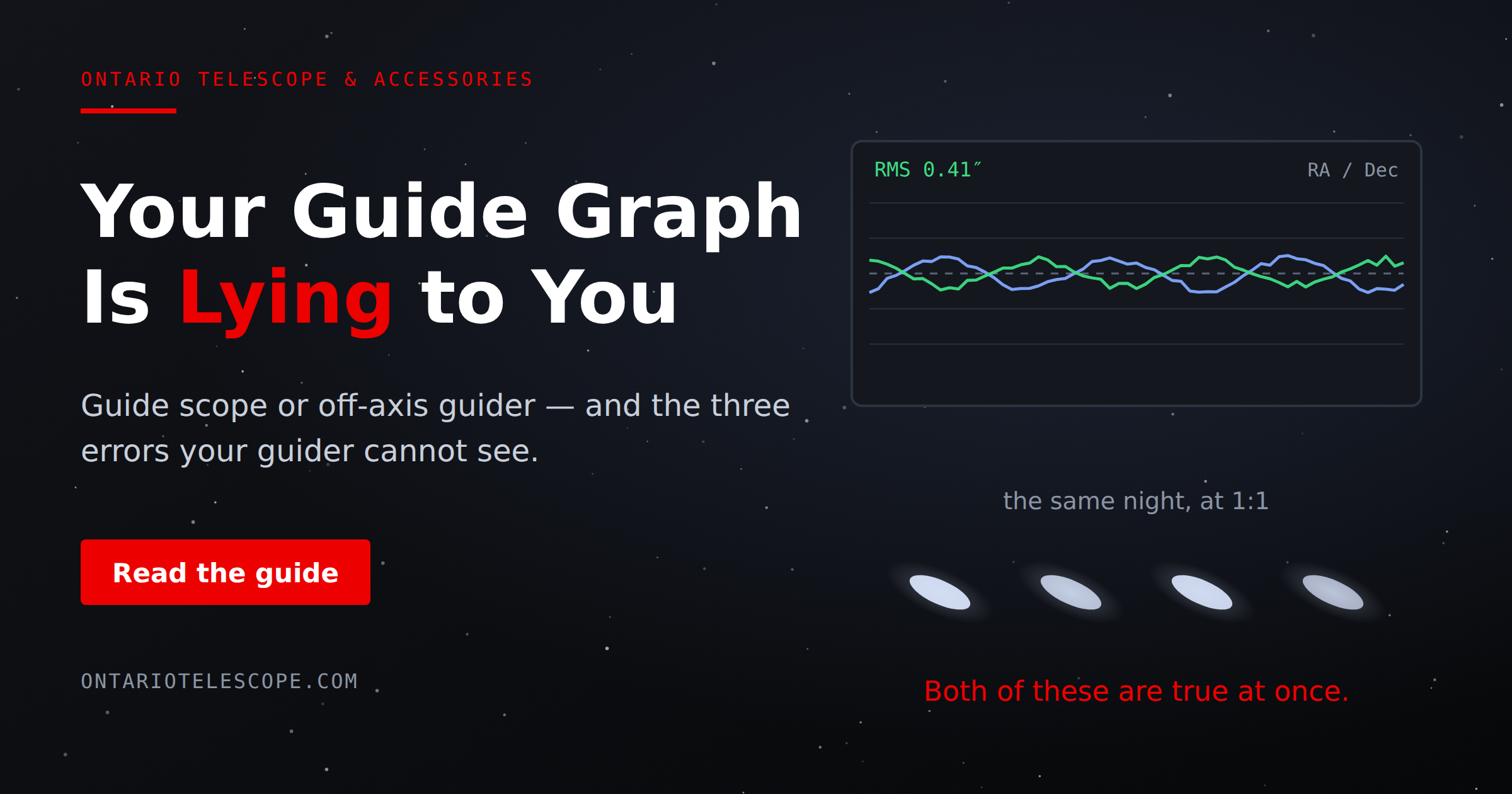
Your Guide Graph Is Lying to You
Read More
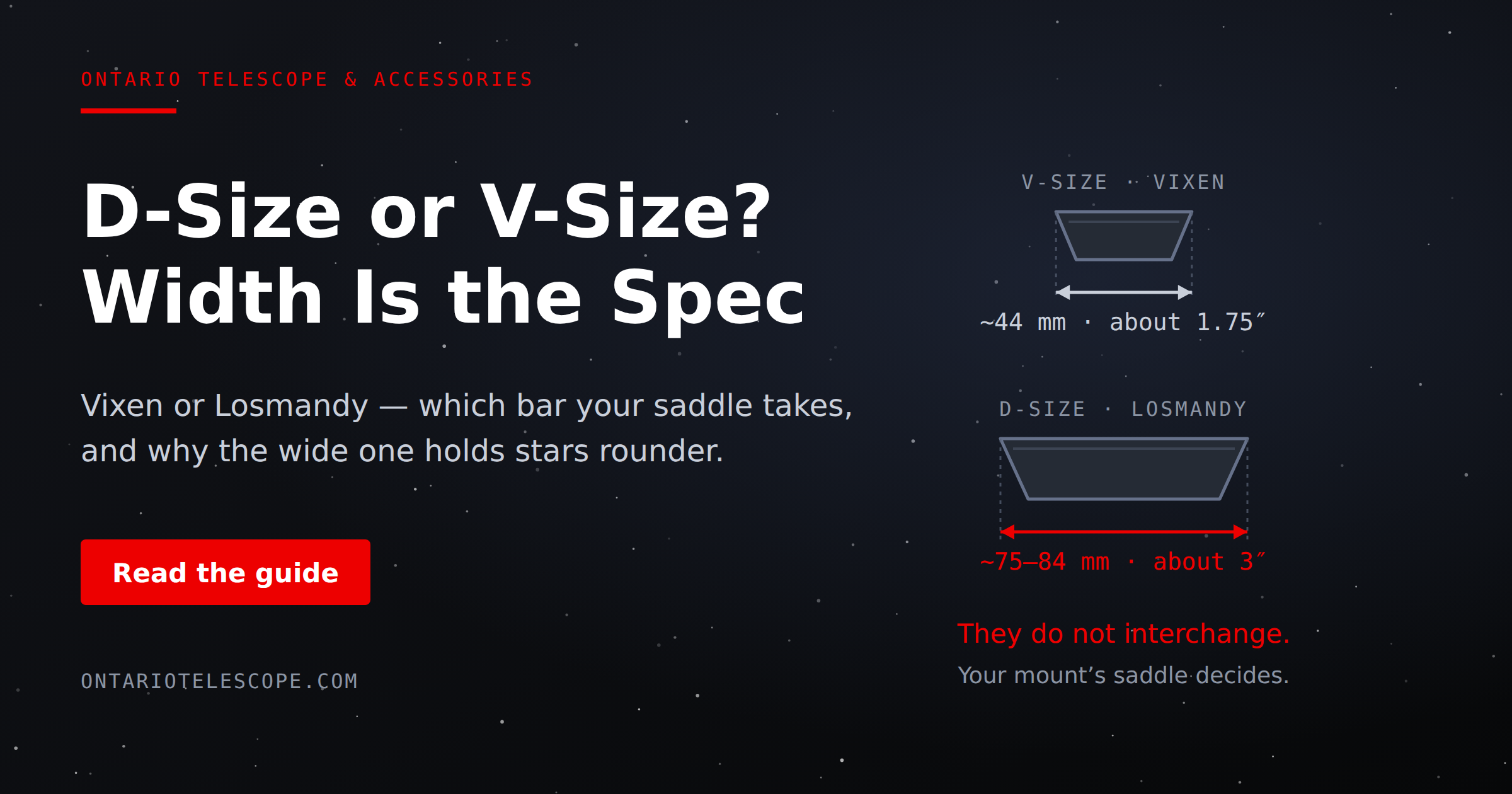
D-Size vs V-Size: A Complete Guide to Telescope Dovetail Systems
Read More
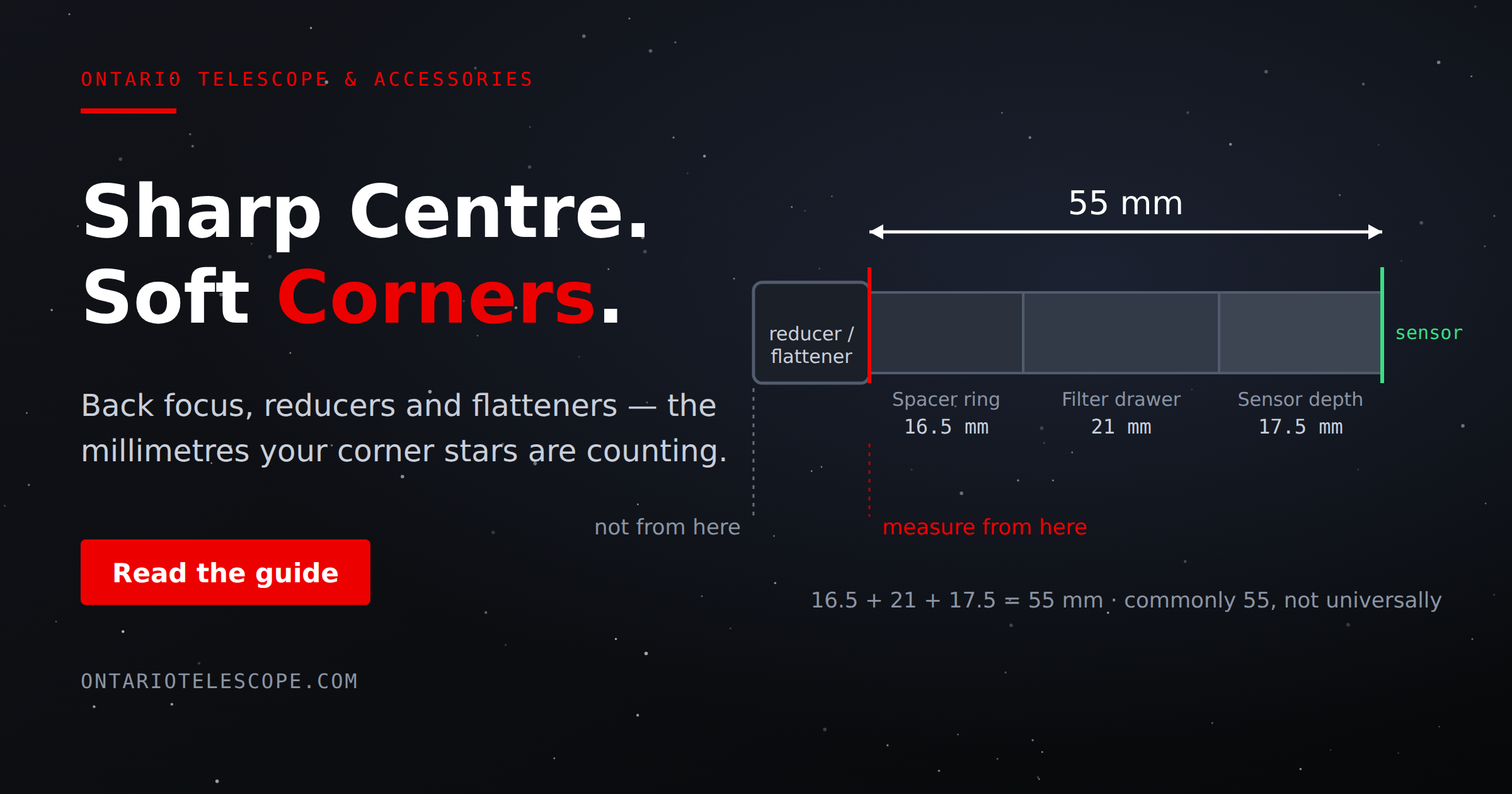
What Is Back Focus in Astrophotography? Telescope Reducers, Flatteners, and Spacing Explained
Read More