


- Description
- Specifications
Product Overview
The Event Horizon EVRP is a CNC-machined Crayford focuser built to carry a Pegasus FocusCube 3 focus motor on a Newtonian telescope. It takes the place of the stock focuser on the tube and supplies the mechanics and the FocusCube 3 mounting adaptation; the FocusCube 3 motor itself is sourced separately. The friction drive runs with zero backlash and zero image shift, and the calibrated resolution is 2.63 µm of drawtube travel per motor step. Load capacity is 8 lb, and the focuser itself weighs 1.4 lb. Each unit is individually assembled and tested in the USA.
Who It’s For
This is a good match if you…
- Already own a Pegasus FocusCube 3, or plan to buy one, and want a focuser built around it.
- Image with a Newtonian and want autofocus routines driven from NINA or Sequence Generator Pro.
- Are working around a stock focuser that shifts the image or loses position under a heavy imaging train.
- Want focus resolution fine enough to sit inside the critical focus zone of a fast Newtonian.
Key Features & Design
- Crayford friction drive: zero backlash and zero image shift, with no gear train to take up slack between direction changes.
- 2.63 µm per motor step: the calibrated drawtube travel for one step of the FocusCube 3, which sets how finely an autofocus routine can land.
- 8 lb load capacity: enough for a camera, filter wheel, off-axis guider and coma corrector carried together.
- ASCOM and Pegasus software control: focus runs from the Pegasus application or from any ASCOM-aware capture package.
- Configurable drawtube travel: the length of travel is specified at the time of order rather than fixed at one length.
- 1.4 lb focuser weight: low enough to keep the change in tube balance modest on most Newtonians.
Mechanical Design
A Crayford focuser moves the drawtube by pressing a smooth shaft against it, so motion comes from friction rather than from meshing teeth. There is no rack and pinion to introduce lost motion, which is why the drawtube returns to the same place from either direction and why the optical axis stays put as the focuser moves. The EVRP body is machined to mount the FocusCube 3 directly, so the motor drives the shaft with nothing flexible in between — the step count the software reports corresponds to real drawtube travel at 2.63 µm per step.
Recommended Uses
- Unattended imaging runs where an autofocus routine refocuses across a night of changing temperature.
- Filter-by-filter focus offsets on a Newtonian astrograph with a filter wheel.
- Replacing a stock Newtonian focuser that sags or slips with a camera and coma corrector attached.
- Remote or roll-off-roof observatories where focus is set from the control computer.
Compatibility and Accessory Notes
The EVRP is the Newtonian adaptation and fits Newtonian telescope tubes 7.25″ in diameter or larger, as well as flat focuser boards. The motor side is specific to the Pegasus FocusCube 3; the Cassegrain adaptation and the ZWO EAF versions are separate products. The drawtube length of travel is configurable at the time of order, so the working travel can be matched to the back focus your imaging train needs. Tell us your telescope model, tube diameter and imaging train and we’ll confirm the fit and the travel length.
Good to Know Before You Order
- The Pegasus FocusCube 3 motor is not included. The EVRP ships as focuser mechanics with the FocusCube 3 mounting adaptation; the motor is purchased separately.
- Tube diameter sets the fit. Newtonian tubes below 7.25″ in diameter fall outside the range this adaptation covers, though flat focuser boards are also supported.
- Drawtube travel is chosen at order time. The length of travel is built to the order rather than adjusted afterwards.
- Load capacity is 8 lb. Imaging trains heavier than that sit outside the rated figure.
- This is the Newtonian version. A Cassegrain-focused rig uses the Cassegrain adaptation instead.
Frequently Asked Questions
Is it difficult to install?
The EVRP mounts where the stock focuser sits, using the existing focuser board or tube opening on a Newtonian 7.25″ in diameter or larger. The work is mechanical — removing the old focuser, fitting the EVRP, then attaching the FocusCube 3 and running its calibration in software.
Does the FocusCube 3 motor come with it?
No. The EVRP supplies the focuser mechanics and the FocusCube 3 mounting adaptation. The motor is bought separately.
What software can drive it?
Focus is controlled from the Pegasus software and through ASCOM, which covers autofocus in NINA, Sequence Generator Pro and other popular capture packages.
How fine is each focus step?
The calibrated figure is 2.63 µm of drawtube travel per motor step.
How much weight can it carry?
The rated load capacity is 8 lb, which covers a typical camera, filter wheel, off-axis guider and corrector stack.
Bottom Line
In short: a zero-backlash Crayford focuser machined around the Pegasus FocusCube 3, resolving 2.63 µm per step and carrying up to 8 lb on Newtonian tubes 7.25″ and larger.
| Model | Event Horizon EVRP — Newtonian adaptation |
|---|---|
| Focuser type | CNC-machined friction-drive Crayford |
| Motor platform | Pegasus FocusCube 3 (motor not included) |
| Control | Pegasus software and ASCOM interfaces; autofocus with NINA, Sequence Generator Pro and other popular software |
| Calibrated resolution | 2.63 µm of drawtube travel per motor step |
| Load capacity | 8 lb |
| Focuser weight | 1.4 lb |
| Drawtube travel | Length of travel configurable at time of order |
| Fits | Newtonian tubes 7.25″ in diameter or larger, plus flat focuser boards |
| Backlash / image shift | Zero backlash, zero image shift |
| Assembly | Individually assembled and tested in the USA |
| Country of origin | United States |
You may also like
Recently viewed
Recent Blog Posts
View all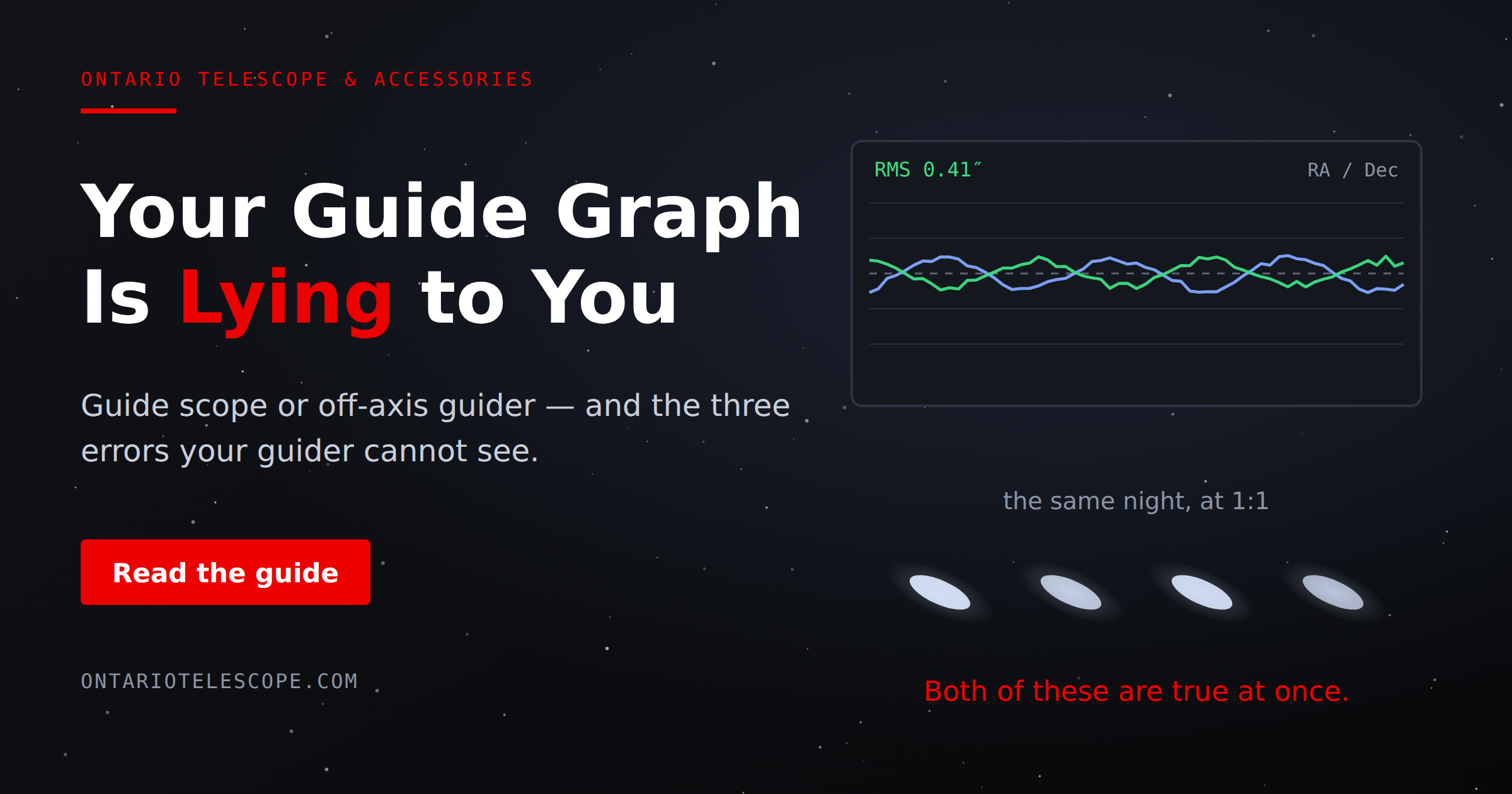
Your Guide Graph Is Lying to You
Read More
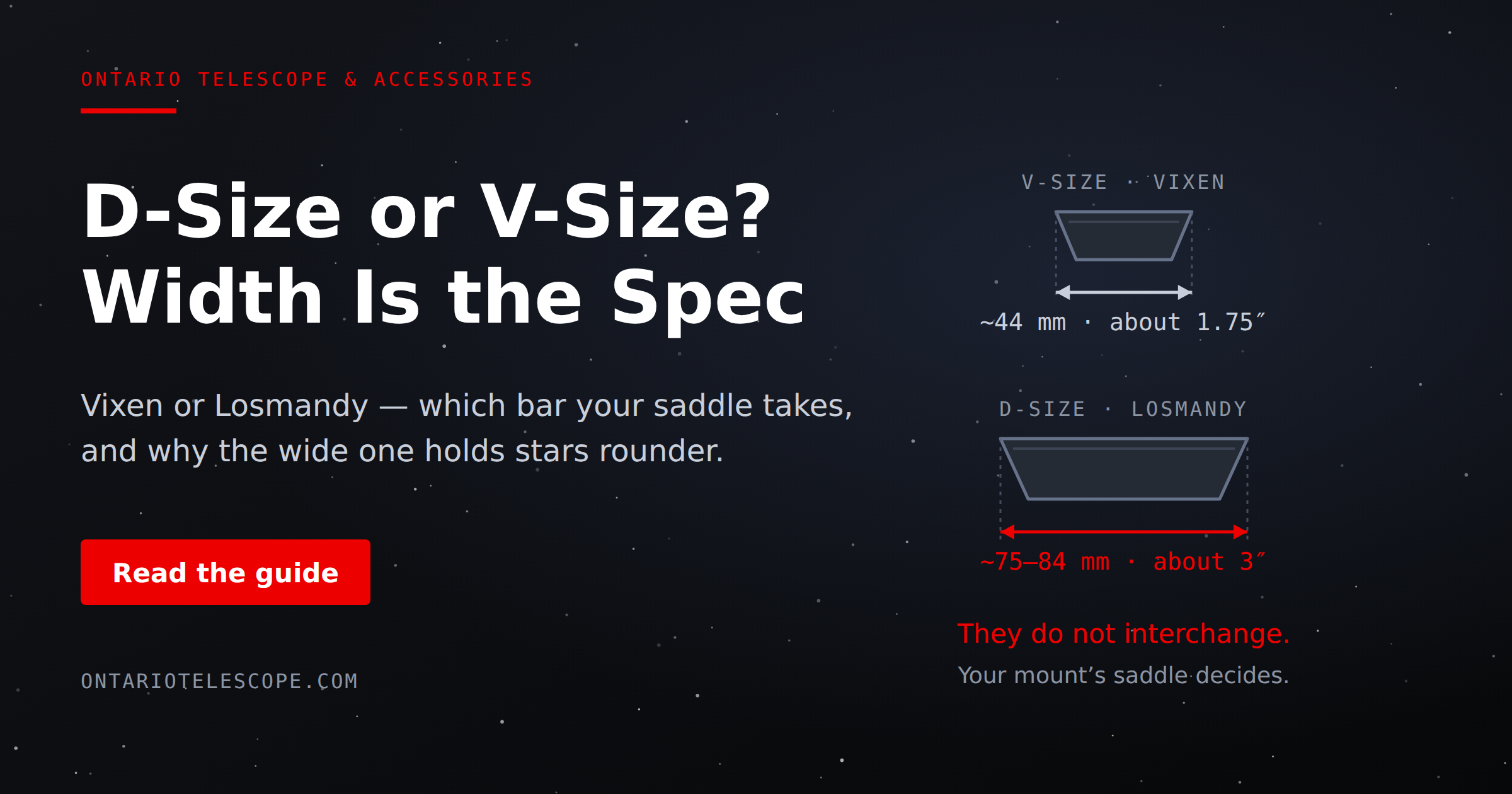
D-Size vs V-Size: A Complete Guide to Telescope Dovetail Systems
Read More
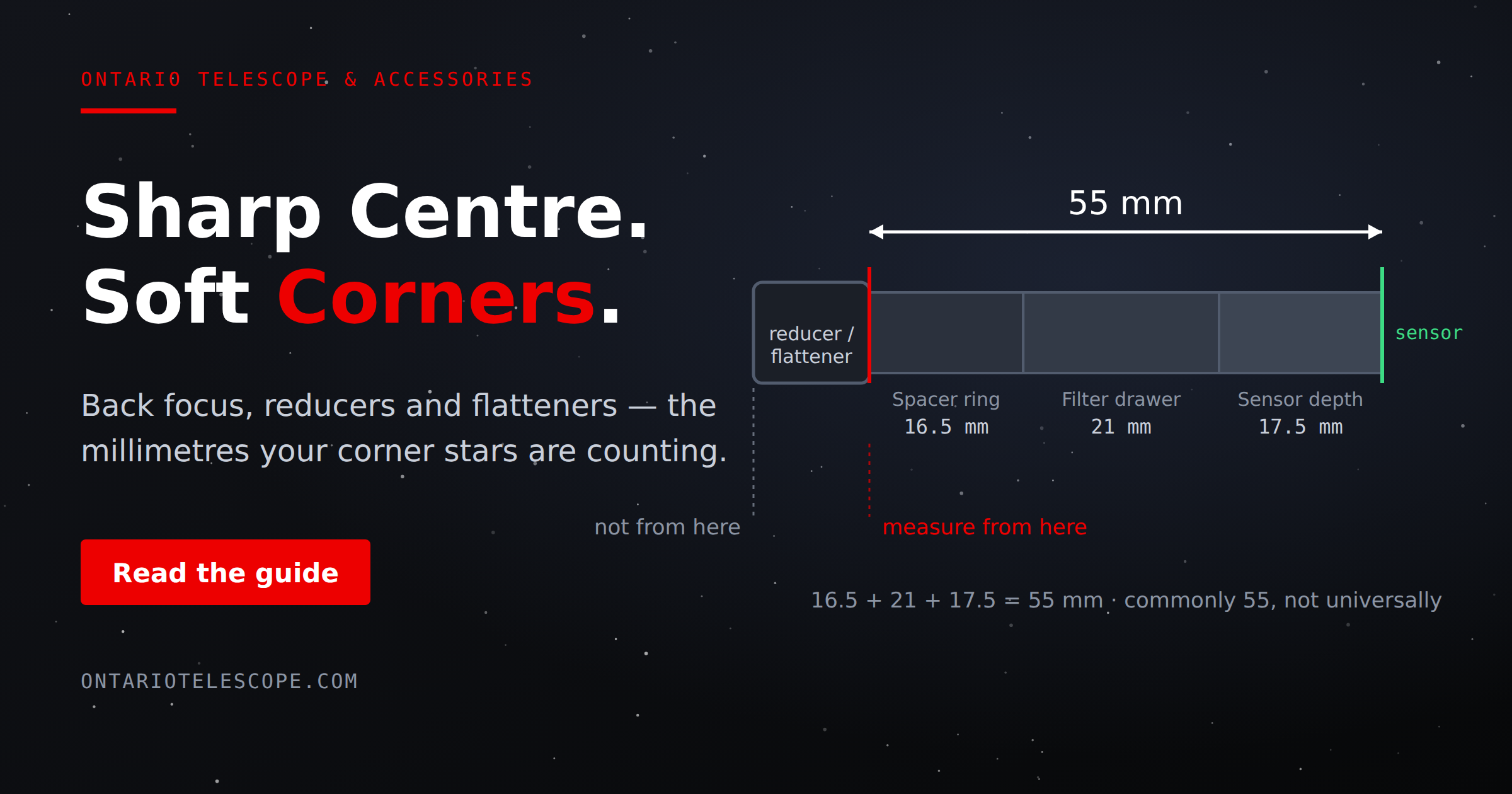
What Is Back Focus in Astrophotography? Telescope Reducers, Flatteners, and Spacing Explained
Read More