


- Description
- Specifications

Product Overview
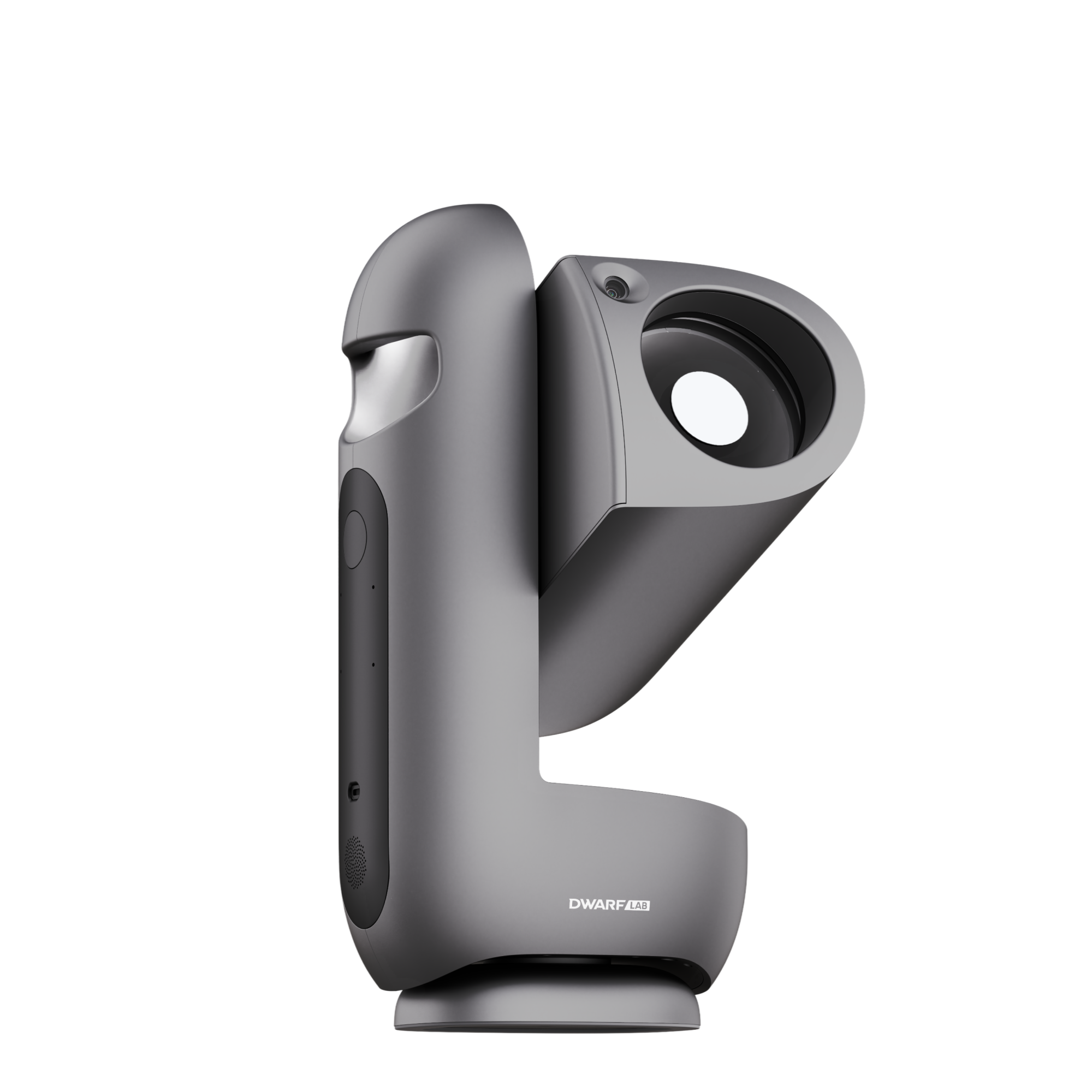
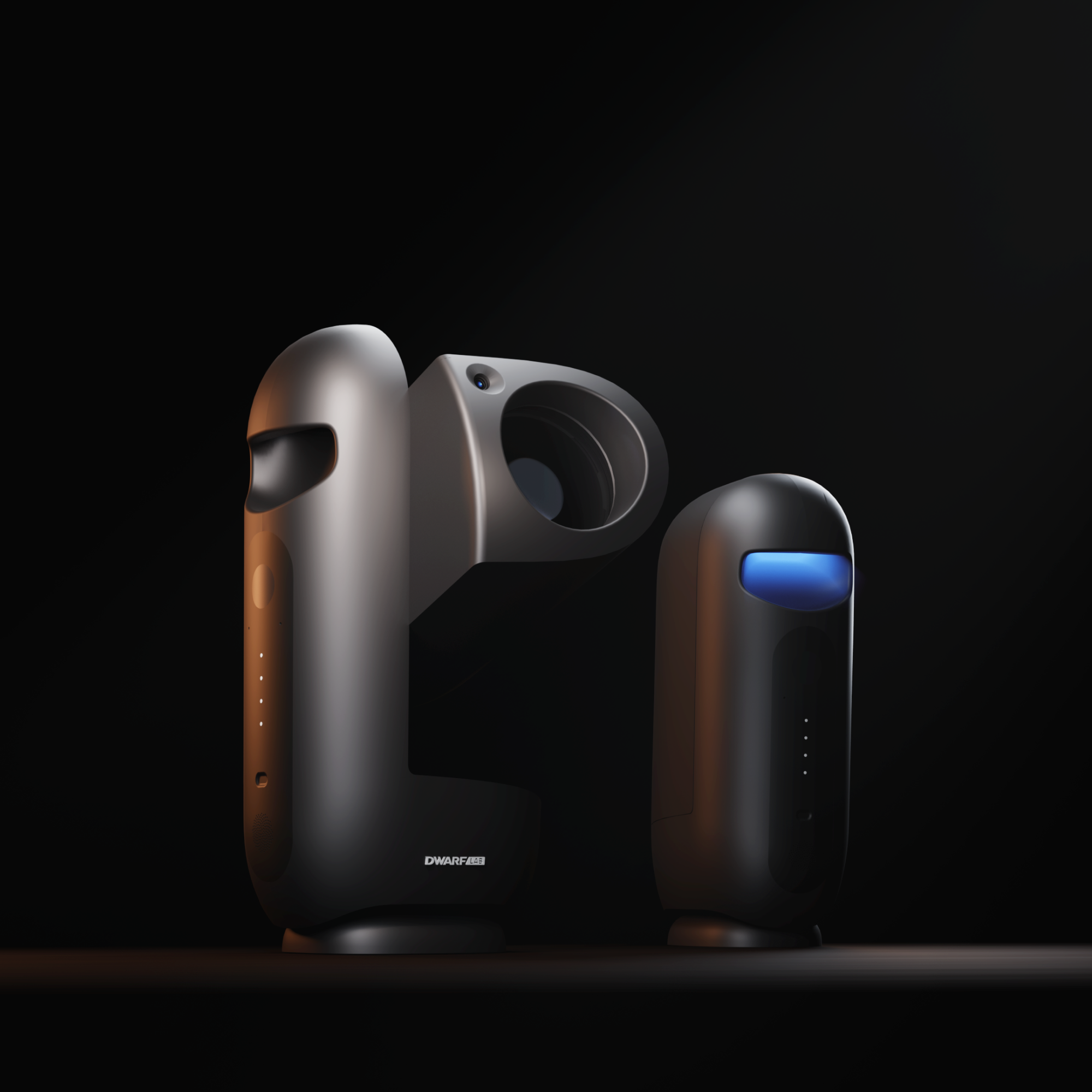
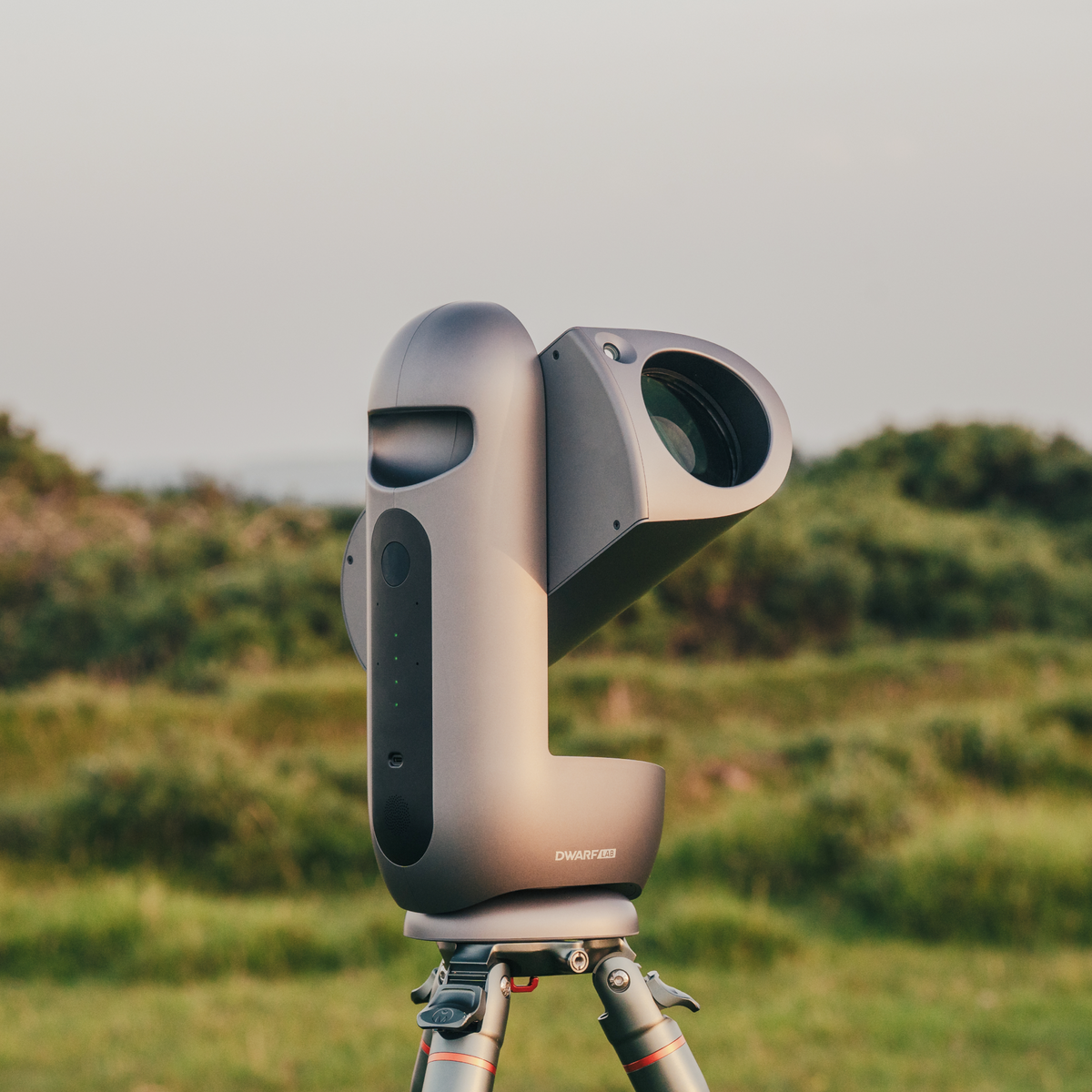
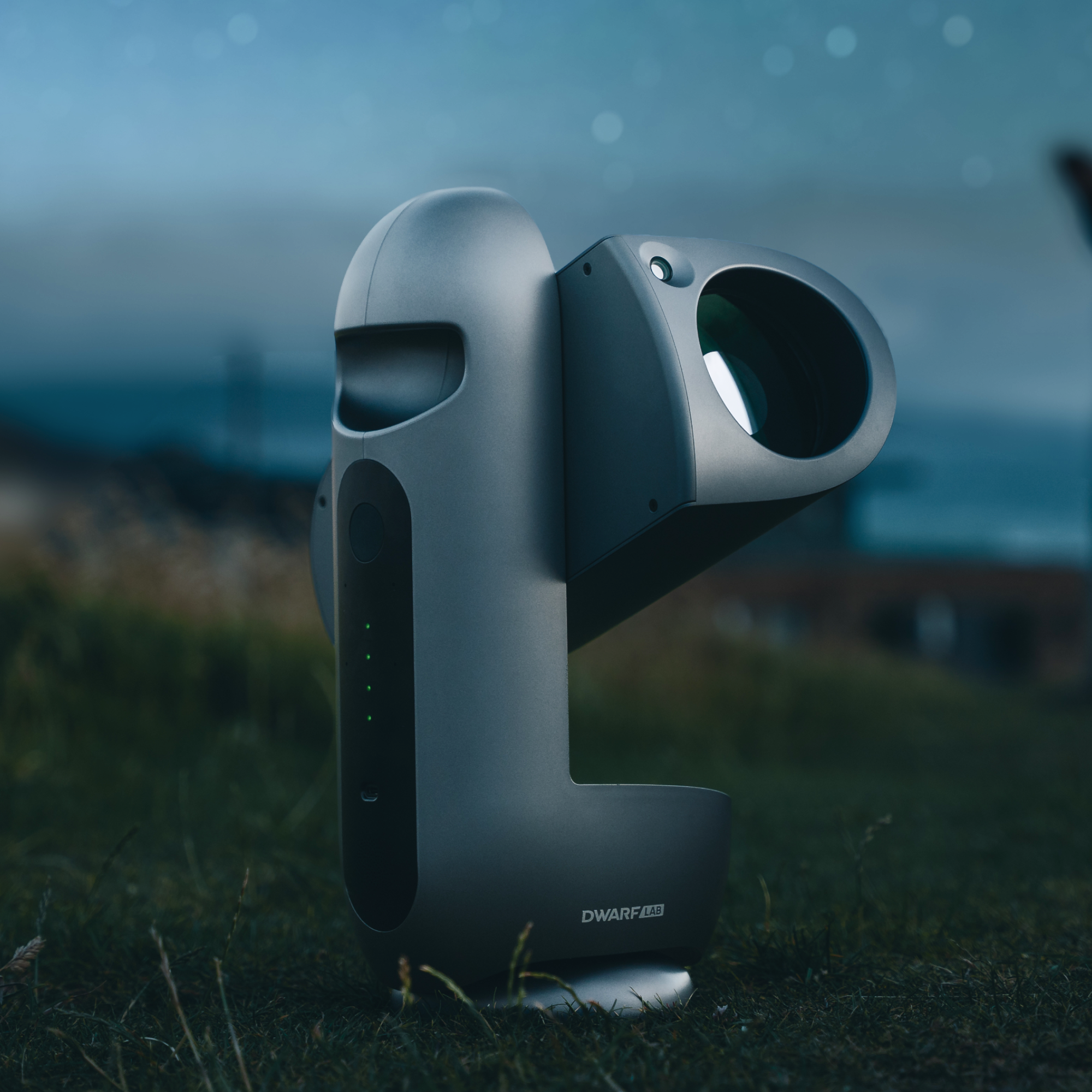
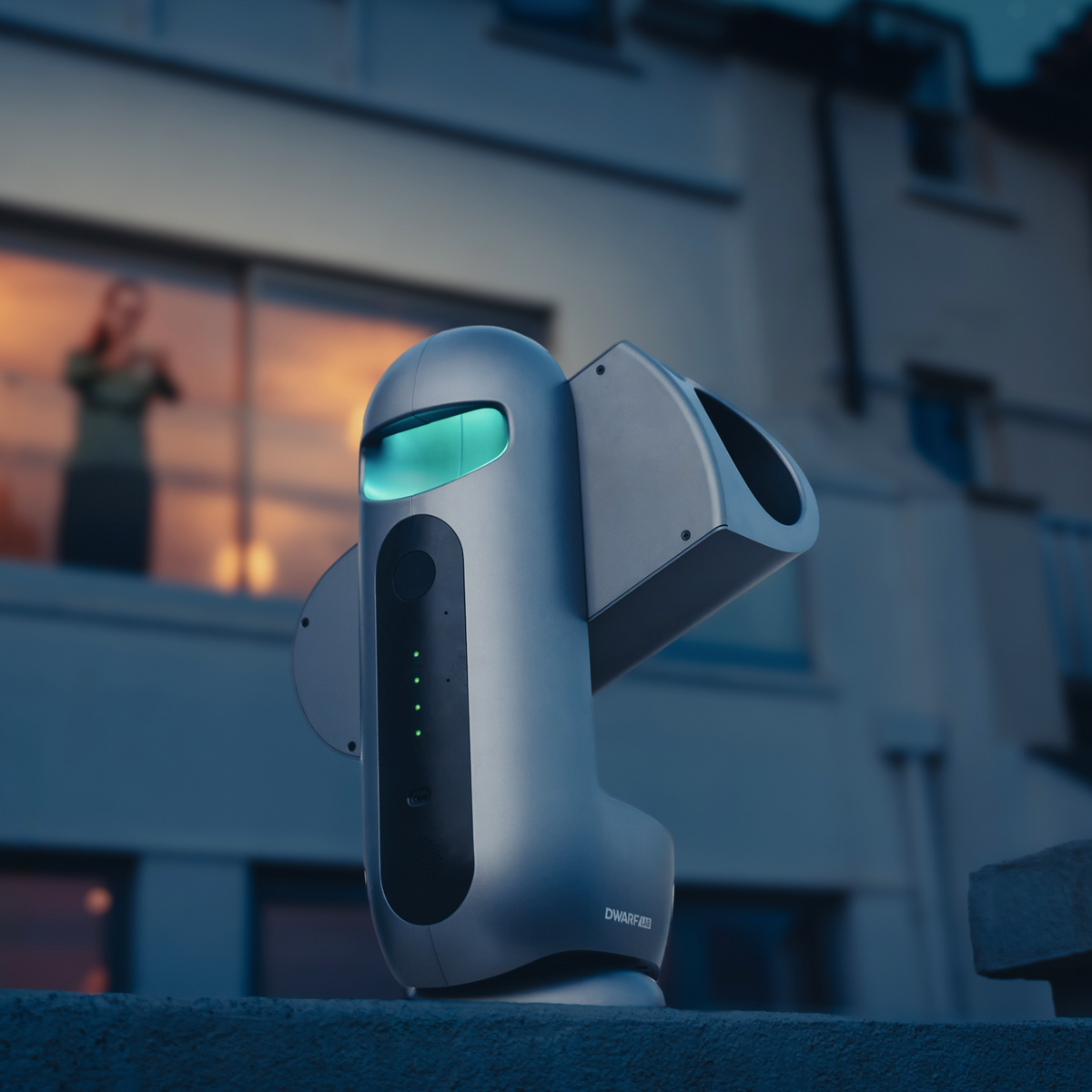
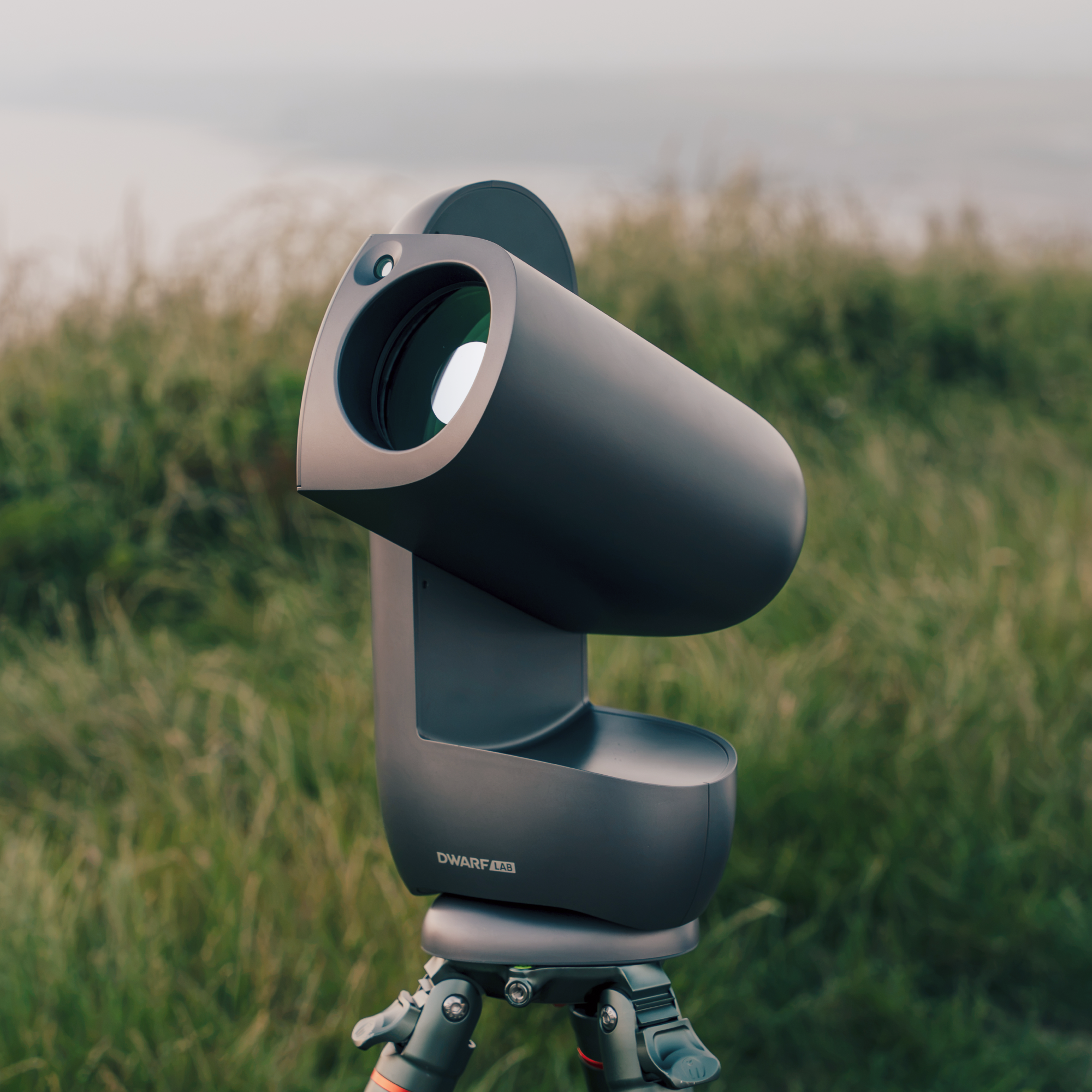
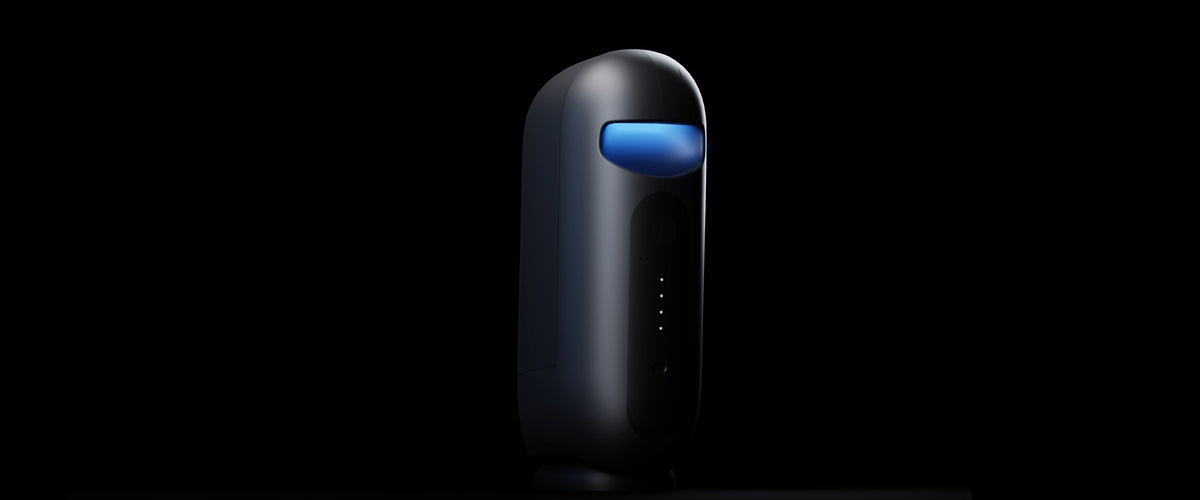
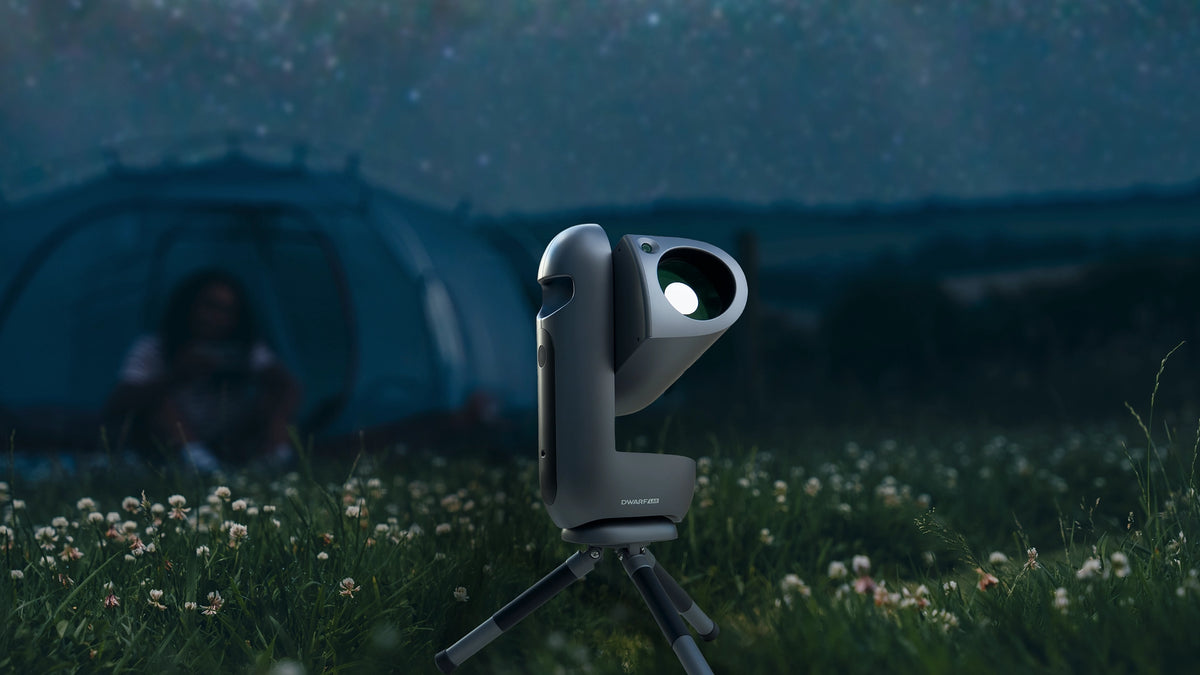
The DWARFLAB DRACO is a self-contained smart telescope: a 90 mm aperture optical system, two cameras, a motorised mount, a filter wheel and an onboard computer in one 5.5 kg body. There is no separate mount to polar align, no camera to attach, no filter drawer to load and no laptop to run. You place it, connect a phone or tablet over NFC, choose a target, and it works through autofocus, calibration, acquisition, tracking and live stacking by itself.
Two cameras share the body. The telephoto camera is a 50 MP 1/1.3-inch sensor behind a 1200 mm equivalent focal length — that is the deep-sky and planetary instrument. The wide-angle camera is a 1/1.55-inch sensor at 23.3 mm equivalent with an 85.74° diagonal field, for Milky Way arcs, landscape astrophotography and framing.
Built-in guiding supports single exposures up to 300 seconds, which is the figure that separates the DRACO from smart telescopes limited to short subframes: faint narrowband targets accumulate signal in long frames rather than in thousands of short ones.

Who It's For
This is a good match if you:
- Want deep-sky images without building a rig: mount, optics, camera, filters, guiding and stacking arrive as one object, already matched to each other. Nothing here needs backfocus measured or a flattener chosen.
- Image from a light-polluted backyard: the dual-narrowband filters are built in and switch under software control, so you are not buying and swapping 2-inch filters to cut skyglow.
- Travel, camp, or observe away from home: 5.5 kg with a 480 g tripod and a 10,000 mAh battery good for roughly five hours means no power cable and no counterweights.
- Already image and want a grab-and-go second scope: Pro Mode gives manual exposure from 1/10000 s to 300 s, gain and filter selection, and exports FITS for processing in your usual software.
- Are starting out: this is one of the shortest routes from an empty tripod to a stacked nebula image, and the automatic path does not lock away the manual controls once you want them.
Optical & Imaging Design
Telephoto camera
1200 mm equivalent · 50 MP
1/1.3-inch sensor, 1.2 µm native pixels. In Deep Sky Mode it bins 2×2 to 2.4 µm pixels for roughly a 12 MP output and a better signal-to-noise ratio on faint targets. In Solar System Mode it reads out 1×1 at the full 50 MP for lunar, solar and planetary detail.
Wide-angle camera
23.3 mm equivalent · 85.74°
1/1.55-inch sensor with a field of 85.74° diagonal, 73.20° horizontal and 58.23° vertical. This is the camera for the Milky Way, wide constellation fields, star trails and nightscapes that include the ground.
The two focal lengths are the point of the design. A 1200 mm equivalent frame is tight enough for galaxies and small planetary nebulae; an 85.74° frame takes in the whole arc of the Milky Way. Most imaging setups make you choose one and buy a second telescope for the other.


Standard Edition or SHO Edition
Both editions are the same telescope. The difference is the filter set built into the wheel, and it decides what the automatic narrowband sequences can produce.


In practice: the Standard Edition captures Hα and O III, which covers most emission nebulae. The SHO Edition adds S II, which is the third channel a Hubble-palette image needs — and it captures the full sequence unattended rather than asking you to run three sessions and combine them. If you already know you want Hubble-palette results, the SHO Edition is the one that gets there without extra work.
How a Session Runs
- NFC connection: tap a phone or tablet to the body to pair. USB 3.0 is available, and the USB port is Ethernet-ready for a wired network.
- GoTo and go: autofocus, plate-solve calibration, target acquisition, tracking and live stacking run without further input.
- Pro Mode: manual exposure from 1/10000 s to 300 s, plus gain and filter selection, when you want to set them yourself.
- Scheduled shooting: queue a night's targets in advance and let it work through them.
- PhotonLink remote control: operate the telescope remotely rather than standing beside it.
- Astro mosaic: assembles a wider field, up to a 1.8× expansion of the native frame.
- Star Party: collaborative imaging with other DWARFLAB users.

Stellar Studio handles processing on the device: auto-enhancement, noise reduction, star correction, star removal and extraction, diffraction spikes, watermarks and Hubble palette rendering. Export is to JPG, PNG, TIFF or FITS — the last of which matters if you want to take the stacked data into PixInsight, Siril or your own workflow instead.
What You Can Point It At


Deep-sky targets — emission nebulae, galaxies, clusters — are what the 1200 mm equivalent telephoto and the narrowband filters are built around. The mosaic mode extends the frame up to 1.8× for objects wider than a single field.

Power, Tripod & Portability
- 10,000 mAh internal battery — around five hours of operation, no external power pack in the bag.
- 5.5 kg body — carried in one hand, and no counterweights to balance.
- 480 g aluminium-alloy tripod with TPR feet, included. Folded it is 80 × 80 × 268 mm; deployed it stands 175 mm with a 470 mm footprint.
- 80 mm top platform with a 3/8"-16 thread — the standard photographic tripod thread, so a full-height tripod or pier works in place of the supplied one.


Compatibility and Accessory Notes
- Control: the DWARFLAB app on a phone or tablet, paired by NFC. PhotonLink covers remote operation.
- Connectivity: NFC auto-connection, USB 3.0, and Ethernet-ready through the USB port.
- Tripod interface: 3/8"-16 on an 80 mm platform — the same thread as a standard photographic tripod head, so most sturdy tripods will take it.
- Filters: built into the body and selected in software. The Standard Edition's ND filter is internal; the SHO Edition adds an external magnetic ND filter.
- File output: JPG, PNG, TIFF and FITS, so stacked data can move into PixInsight, Siril or Photoshop.
- In the box: DRACO telescope, aluminium-alloy tripod with TPR feet, USB-C cable, lens cleaning cloth.
Good to Know Before You Order
- It is an imaging telescope, not a visual one. There is no eyepiece and no way to fit one — everything is seen on a screen. If you want to look through a telescope with your own eye, this is not that instrument, and we stock plenty that are.
- The supplied tripod is a low one. At 175 mm deployed it is designed to sit on a table, a car roof or the ground rather than to stand at eye level. The 3/8"-16 thread takes a standard photographic tripod if you want it higher, and we can suggest one.
- Focal length is quoted as an equivalent. DWARFLAB publishes 1200 mm and 23.3 mm as 35 mm-equivalent figures for the two cameras, which is how the framing compares to a camera lens — not the physical focal length of the optics.
- The edition choice is not upgradeable later. The S II + O III filter is built into the SHO Edition's internal wheel, so it is a decision made at purchase. If you are unsure which suits the targets you have in mind, ask us before you order.
- Five hours is the published battery figure. A long winter night runs past it, so a USB power bank is worth having if you plan to image until dawn.
- Solar imaging uses the ND filter. Both editions include one — internal on the Standard, external and magnetic on the SHO.
Frequently Asked Questions
Is it difficult to set up?
No. Place it on the tripod, tap your phone to it to pair over NFC, and choose a target. There is no polar alignment, no camera to attach, no backfocus to measure and no filter to thread on. The first image of the night is usually a few minutes after you put it down.
Which edition should I buy?
If you want Hubble-palette narrowband images captured automatically, the SHO Edition — the extra S II + O III filter is what makes that sequence possible, and it cannot be added later. If you are mostly imaging emission nebulae in Hα and O III, or you want the lower price, the Standard Edition covers it. Tell us what you want to photograph and we will help you decide.
Can I use it in a light-polluted city?
The dual-narrowband filters are built in for exactly that reason — they pass a 13 ± 3 nm band around the emission lines and reject most of what streetlights put into the sky. Broadband targets like galaxies still prefer a dark site, as they do with any telescope.
What does the 300-second exposure figure change?
It sets how much signal a single frame can collect. Faint narrowband targets build up far more efficiently in long subframes than in a large number of short ones, and built-in guiding is what allows a 300-second frame to stay round.
Can I process the images myself?
Yes. Alongside JPG, PNG and TIFF it exports FITS, which is the format PixInsight, Siril and similar tools expect. Stellar Studio on the device is there if you would rather not.
Does it need a computer?
No. A phone or tablet runs it. USB 3.0 and Ethernet-over-USB are there if you want to bring it onto a network for remote work.
How is it different from the DWARF 3?
The DRACO is the larger instrument — 90 mm of aperture and a 5.5 kg body against the DWARF 3's more pocketable design, with a 50 MP telephoto sensor, 300-second exposures and a built-in filter wheel that includes narrowband. The DWARF 3 remains the lighter and less expensive way in; the DRACO is the one built for longer, fainter, more deliberate imaging.
Bottom Line
In short: a 90 mm smart telescope that collapses a full imaging rig into one 5.5 kg object — dual cameras at 1200 mm and 23.3 mm equivalent, a 50 MP sensor with a binned deep-sky mode, built-in narrowband filters, guided 300-second exposures and automatic stacking, with FITS output for anyone who wants to take the data further. The only decision to make before ordering is Standard or SHO, and that comes down to whether Hubble-palette imaging is something you want the telescope to do on its own.
| Aperture | 90 mm |
|---|---|
| Telephoto camera | 1/1.3-inch sensor, 50 MP, 1200 mm equivalent focal length |
| Telephoto pixel size | 1.2 µm native; 2.4 µm with 2×2 binning (deep sky mode) |
| Wide-angle camera | 1/1.55-inch sensor, 23.3 mm equivalent focal length |
| Wide-angle field of view | D 85.74° / H 73.20° / V 58.23° |
| Imaging modes | Deep Sky Mode (2.4 µm effective pixels, ~12 MP output); Solar System Mode (1×1 native readout, 50 MP) |
| Single-frame exposure | Up to 300 seconds |
| Manual exposure range (Pro Mode) | 1/10000 s to 300 s, plus gain and filter selection |
| Filters (Standard Edition) | Astronomy filter; Hα + O III dual-narrowband (658 nm & 503 nm, 13 ± 3 nm bandpass); dark-frame filter; built-in ND filter |
| Filters (SHO Edition) | All Standard Edition filters, plus S II + O III dual-narrowband (674 nm & 503 nm, 13 ± 3 nm bandpass) and an external magnetic ND filter |
| Connectivity | NFC auto-connection; USB 3.0; Ethernet-ready via USB |
| Export formats | JPG, PNG, TIFF, FITS |
| Body weight | 5.5 kg |
| Battery capacity | 10,000 mAh |
| Battery life | Approx. 5 hours |
| Tripod weight | Approx. 480 g |
| Tripod height (deployed) | 175 mm |
| Tripod footprint diameter | 470 mm |
| Tripod folded size | 80 × 80 × 268 mm |
| Tripod top platform | 80 mm with 3/8"-16 mounting thread |
| Package contents | 1 × Draco Smart Telescope; 1 × aluminium-alloy tripod with TPR feet; 1 × USB-C cable; 1 × lens cleaning cloth |
You may also like
Recently viewed
Recent Blog Posts
View all
Your Guide Graph Is Lying to You
Read More

D-Size vs V-Size: A Complete Guide to Telescope Dovetail Systems
Read More

What Is Back Focus in Astrophotography? Telescope Reducers, Flatteners, and Spacing Explained
Read More