


- Description
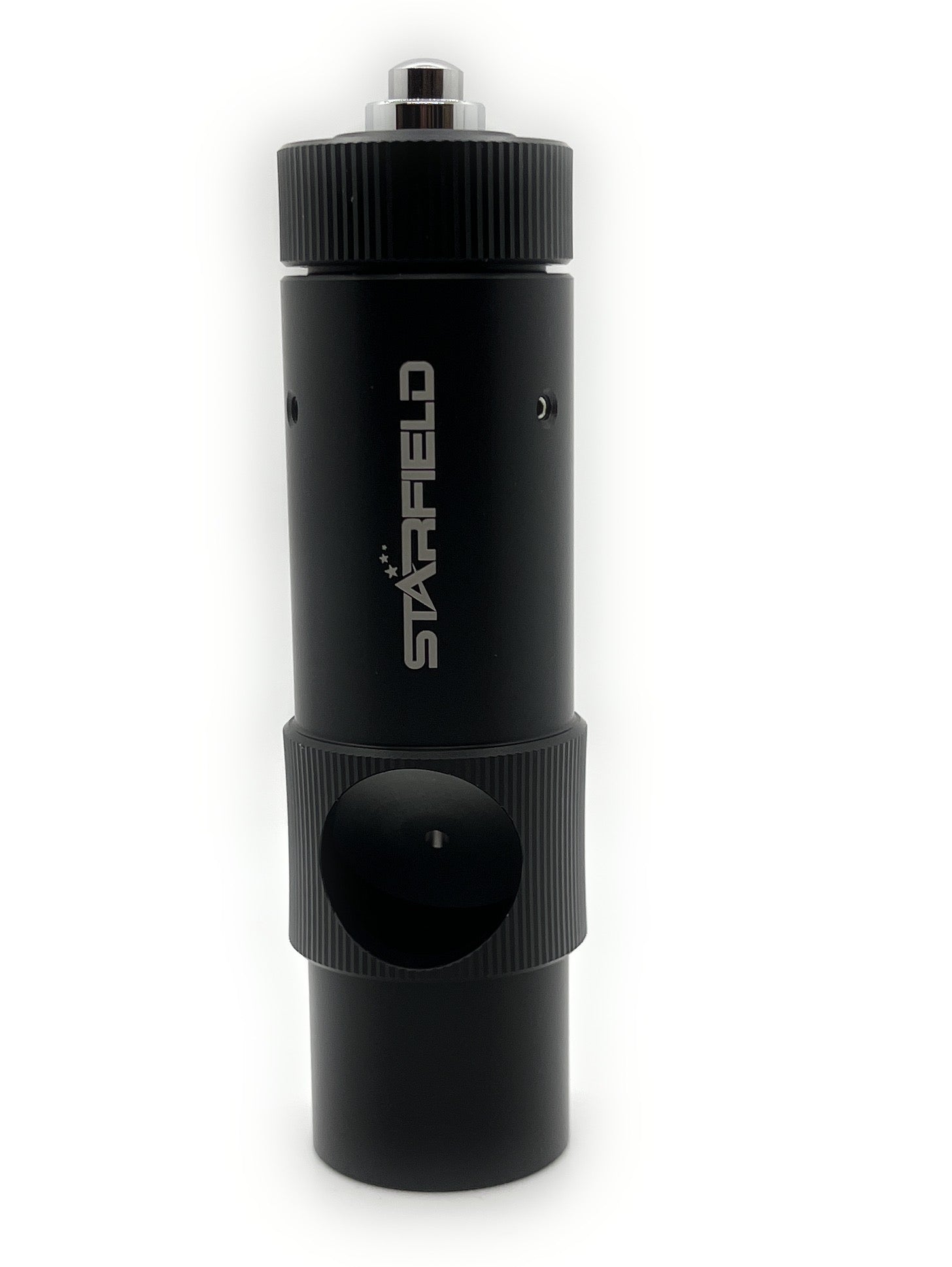
The Starfield Deluxe Newtonian laser collimator has a long 1.25" barrel and a machined rim for proper alignment.
Using the laser collimator makes correct collimating of a Newtonian/Dobsonian telescope simple.. Collimation is completed within a very short time at the observing site in the dark, without any additional accessories being required. Precisely manufactured, it sits snugly in the focuser in the optical axis. CNC machined, the 45° angled viewing port for easier viewing from the rear of the telescope. The matte projection area allows lateral detection of the reflection and makes main mirror collimation easy - even with large telescopes.
* Factory set, using three recessed screws located on this 1.25" Laser Collimator's body, it is important that these settings are not adjusted or your collimator will not work as intended. Powered via three included LR44 lithium batteries.
You may also like
Recently viewed
Recent Blog Posts
View all
Your Guide Graph Is Lying to You
Read More

D-Size vs V-Size: A Complete Guide to Telescope Dovetail Systems
Read More

What Is Back Focus in Astrophotography? Telescope Reducers, Flatteners, and Spacing Explained
Read More