


- Description
GENERAL FEATURES
· 11 EdgeHD optics
· CGEM II computerized equatorial mount
· Celestron s premium StarBright XLT coatings provide maximum light transmission
· A 9x50 finderscope, 2 mirror diagonal for more comfortable viewing, and wide-angle 23 mm Luminos 2" eyepiece are all included
EDGEHD FEATURES
· EdgeHD aplanatic, flat field SCT optics for pinpoint stars to the edge of the largest imaging sensors and widest eyepieces. Lightweight and portable
· Aluminum optical tube with tube vents featuring an integrated 95-micron mesh filter allows hot air to be released from behind the primary mirror. Mirror support knobs hold the mirror in place and reduce image shift during imaging
· Versatile design accommodates 3 focal ratios: native f/10, f/7 with the addition of a focal reducer, or ultra-fast f/2 imaging with a removable secondary mirror and third-party accessories
COMPUTERIZED MOUNT FEATURES
· 40 lbs payload capacity
· Dual-fit Vixen/CG-5 and Losmandy/CGE dovetail saddle
· 2" steel legs with height index marks for quick leveling
· USB 2.0 port on hand control for direct links to a PC via ASCOM supported software.
· 40,000 object database with over 100 user-definable objects and expanded information on over 200 objects
· Internal cabling throughout for worry-free remote operation
· Low cog DC Servo motor with integrated optical encoders offer smooth, quiet operation
· Able to track past the meridian allowing seamless imaging
· Permanent periodic error corrections allow users to train out the worm gears periodic errors once, while the mount retains the PEC recordings.
· Software Features include: Mount Calibration, Database Filter Limits, Hibernate, five Alignment Procedures, and user-defined slew limits
· Built-in polar alignment program to polar align on any star in the sky
· Longer clutch levers to make tightening and loosening of clutches easier
· Custom database lists of all the most famous deep-sky objects by name and catalog number
· Solar System alignment method allows to view the moon and planets during the day
· Custom Rate 9 feature allows to set maximum slew rate
· Tandem mode allows to star align the mount even when positioned for tandem scope use
· USB hand control to control the telescope via a personal computer
· Includes NexRemote telescope control software, for advanced control of telescope via computer
· Precision machined 40 mm diameter steel Polar shafts supported by multiple tapered roller bearings and ball bearings
· GPS-compatible with optional SkySync GPS Accessory
You may also like
Recently viewed
Recent Blog Posts
View all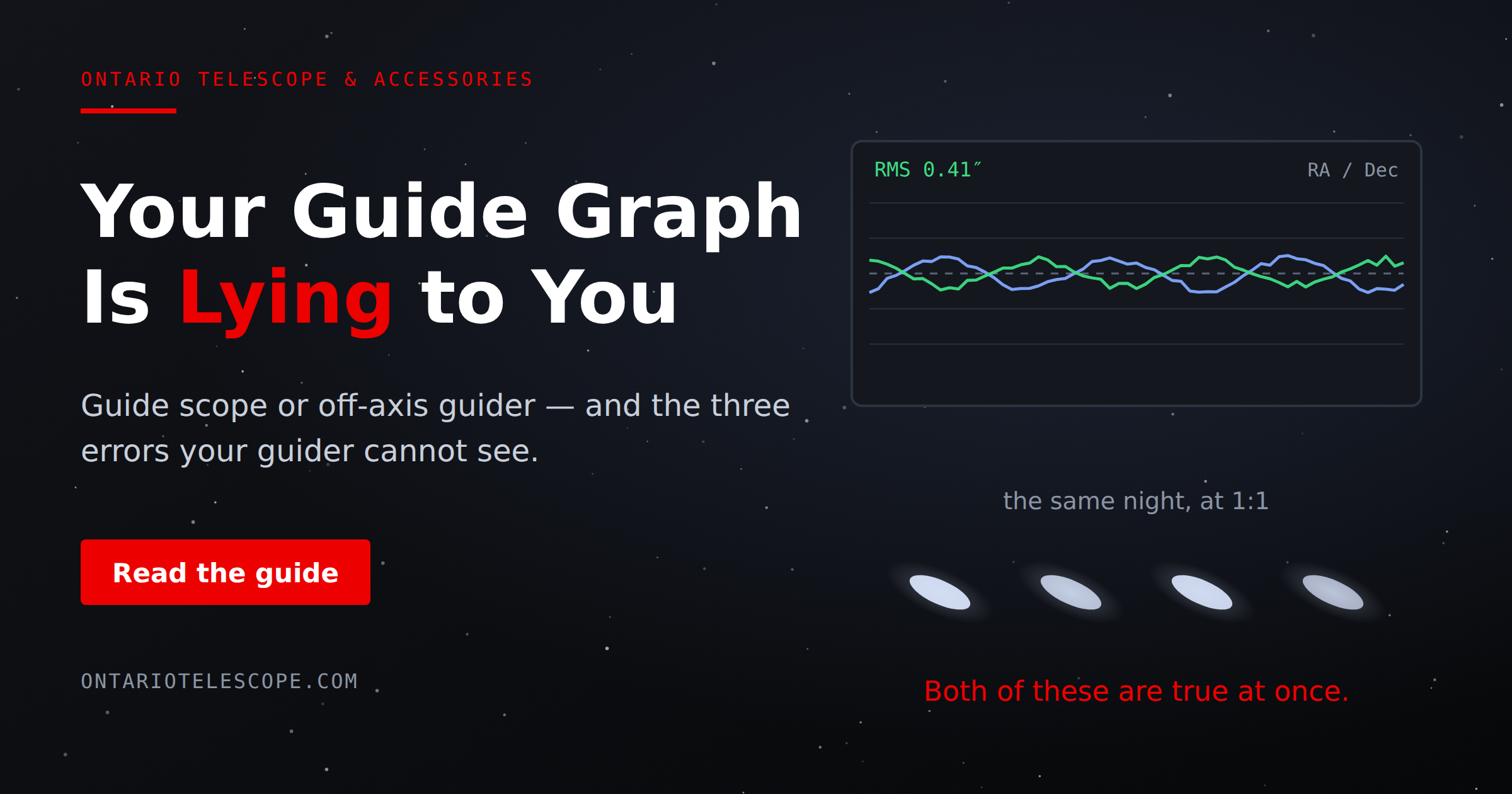
Your Guide Graph Is Lying to You
Read More
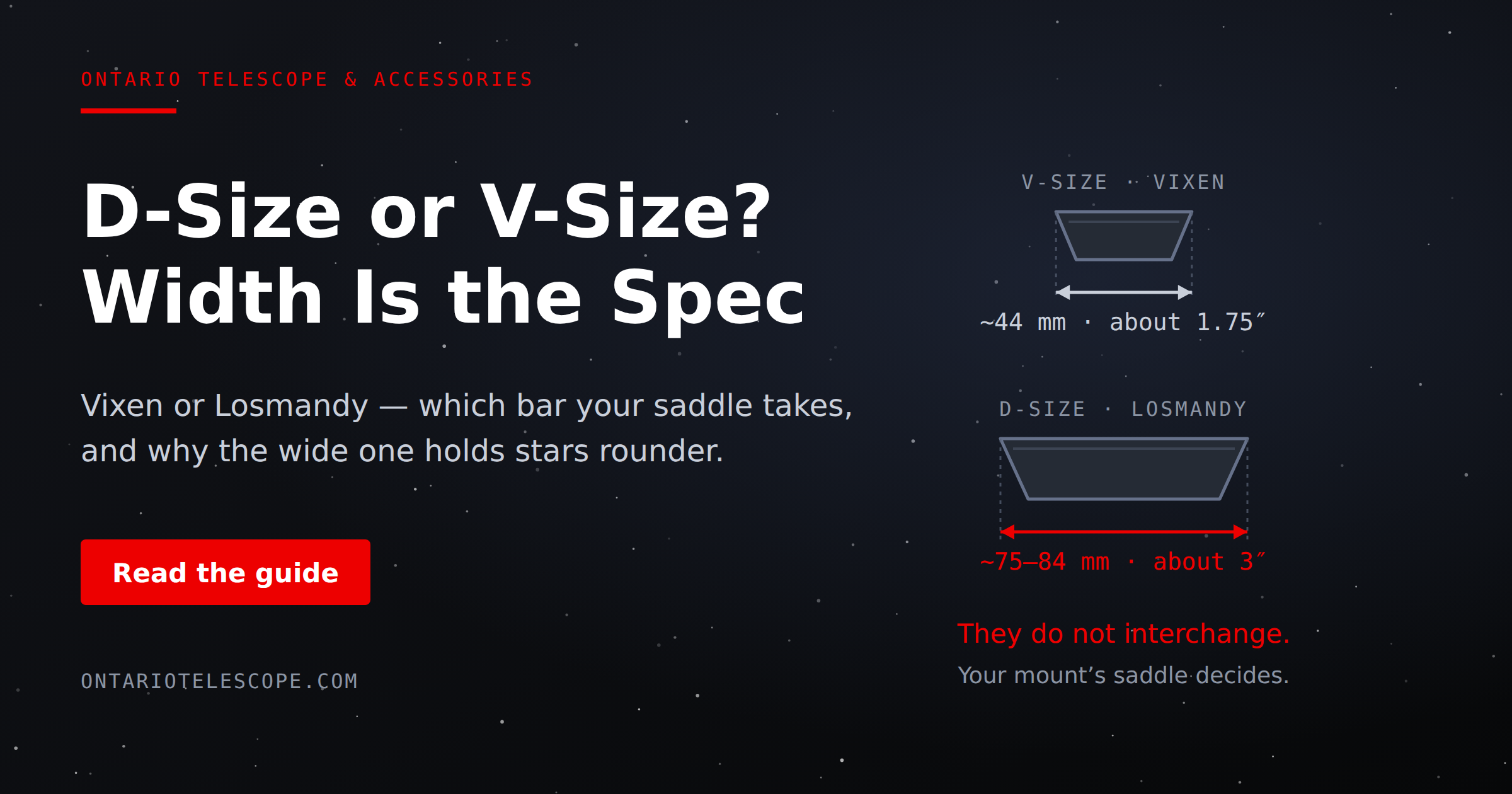
D-Size vs V-Size: A Complete Guide to Telescope Dovetail Systems
Read More
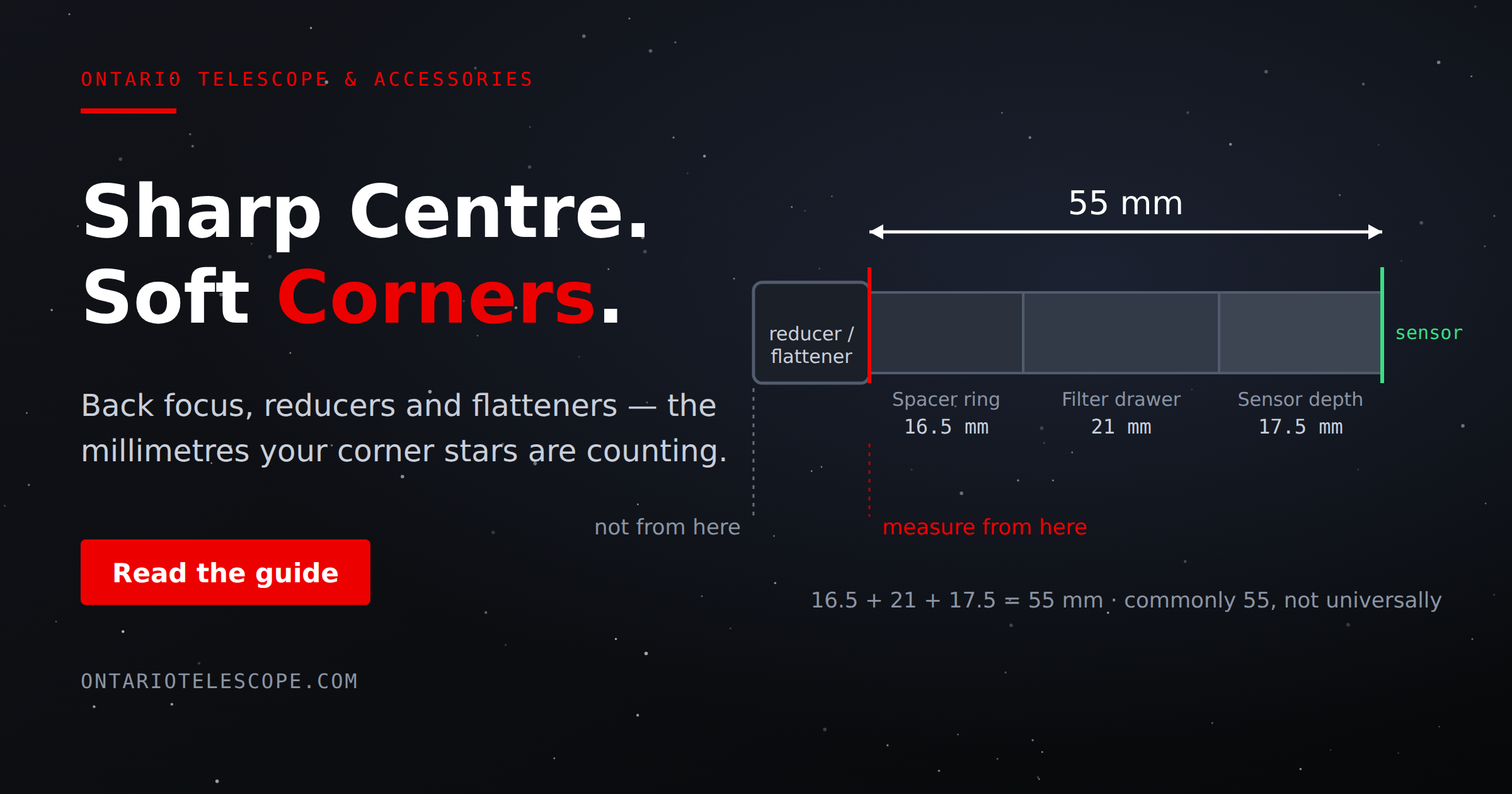
What Is Back Focus in Astrophotography? Telescope Reducers, Flatteners, and Spacing Explained
Read More