
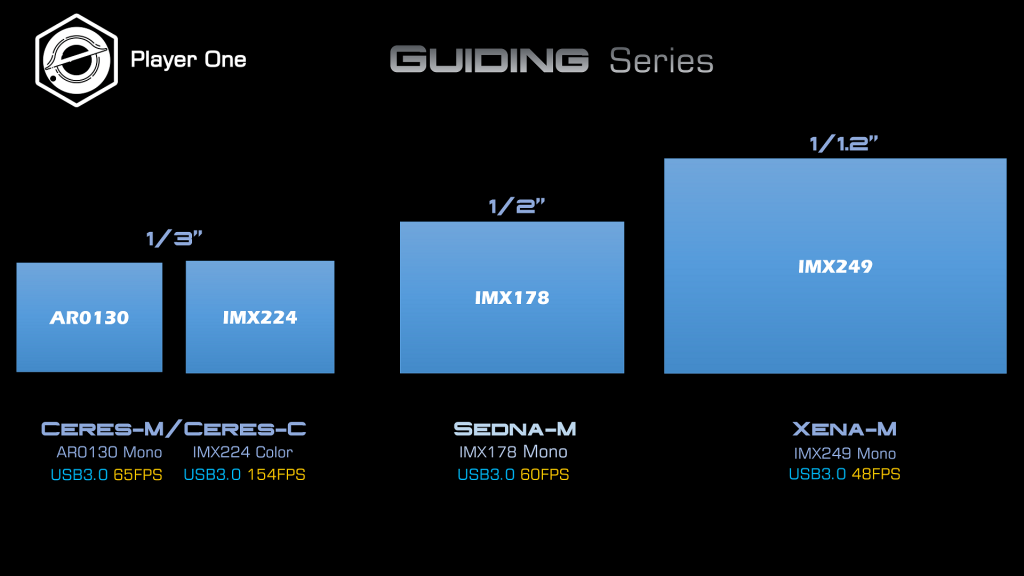


- Description
Highlights
Dwarf planet series integrated USB3.0 data port(500Mb/s), which can provide over 10 times speed than USB2.0 device(60Mb/s). Whatever you wants to do guiding or imaging, this camera series can handle it very well.


Cutting-edge Design
The guiding cameras developed by Player One Astronomy uses technological regular hexagon to construct the main body line.

DPS technology
The guiding cameras from Player One Astronomy have DPS (Dead Pixel Suppression) technology. The DPS is anaylse many dark frames to find out thoes fixed abnormal pixel and record the map in camera memory. In imaging, each exposure frames, thoes position of dead pixels will be given a median value according to the active pixels around that abnormal pixel.

?
Overvoltage and overcurrent protection mechanism
Player One cameras produced by the number one player ensures the safety of your camera and other equipment through overvoltage and overcurrent protection mechanisms.
Data Port
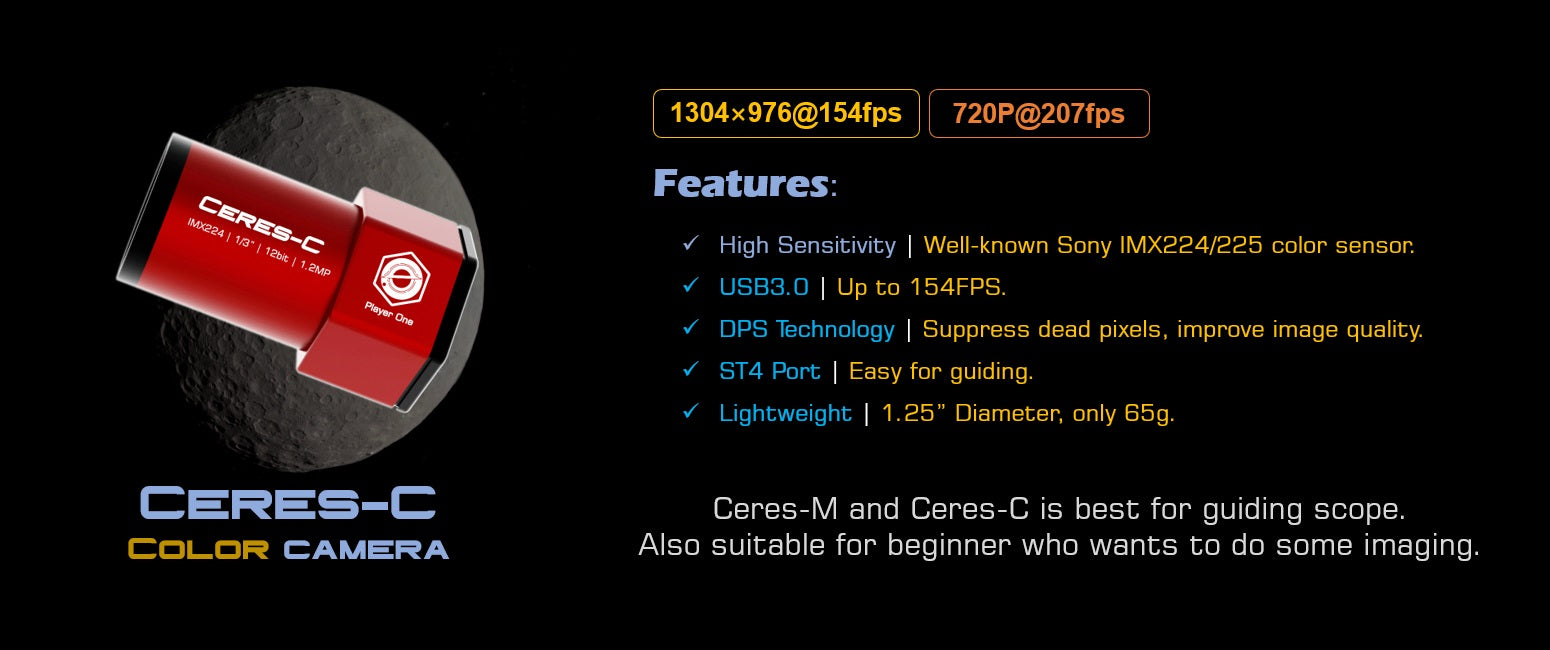
When the camera is connected to the USB3.0 interface and full-resolution preview is used, it can reach 154 FPS in RAW8 mode (10bit ADC). When recording images, since the actual writing speed will be affected by the writing speed of the hard disk itself, when the hard disk writing speed is slow, the recording may not reach the theoretical speed. It is recommended that you use a high-quality solid state drive to record data to give full play to the performance of the camera.
Use the ST4 guide cable to connect the camera and the AUTO GUIDE port of the equatorial mount to do guiding.

Performance

Readout Noise
Regarding readout noise, we solemnly promise that all values are obtained from actual tests. And for users, you could use Sharpcap 4 for testing. SC4 has a function called Sensor Analysis, provide a very simple way to test readout noise.
We wrote a tutorial on our website: https://player-one-astronomy.com/service/manuals/
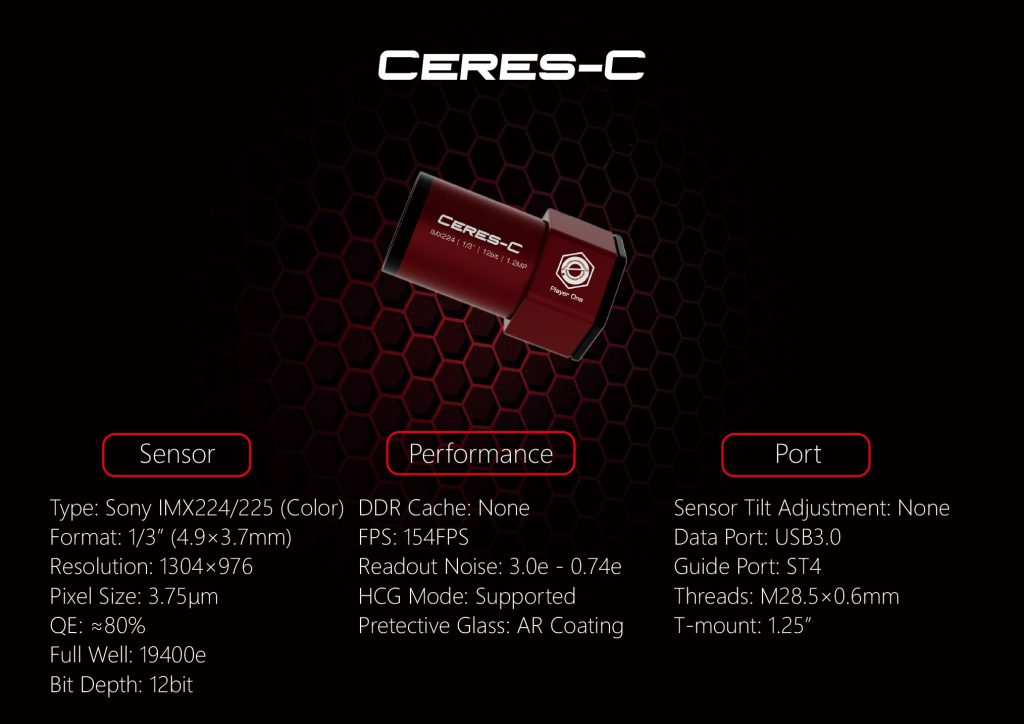
After many rigorous readout noise tests, the Ceres-C camera can reach a low readout noise of 0.75e at a gain of 350.
If you are interested in readout noise testing, you may try it yourself, which is very simple.
QE Curve

Mechanical Drawing


You may also like
Recently viewed
Recent Blog Posts
View all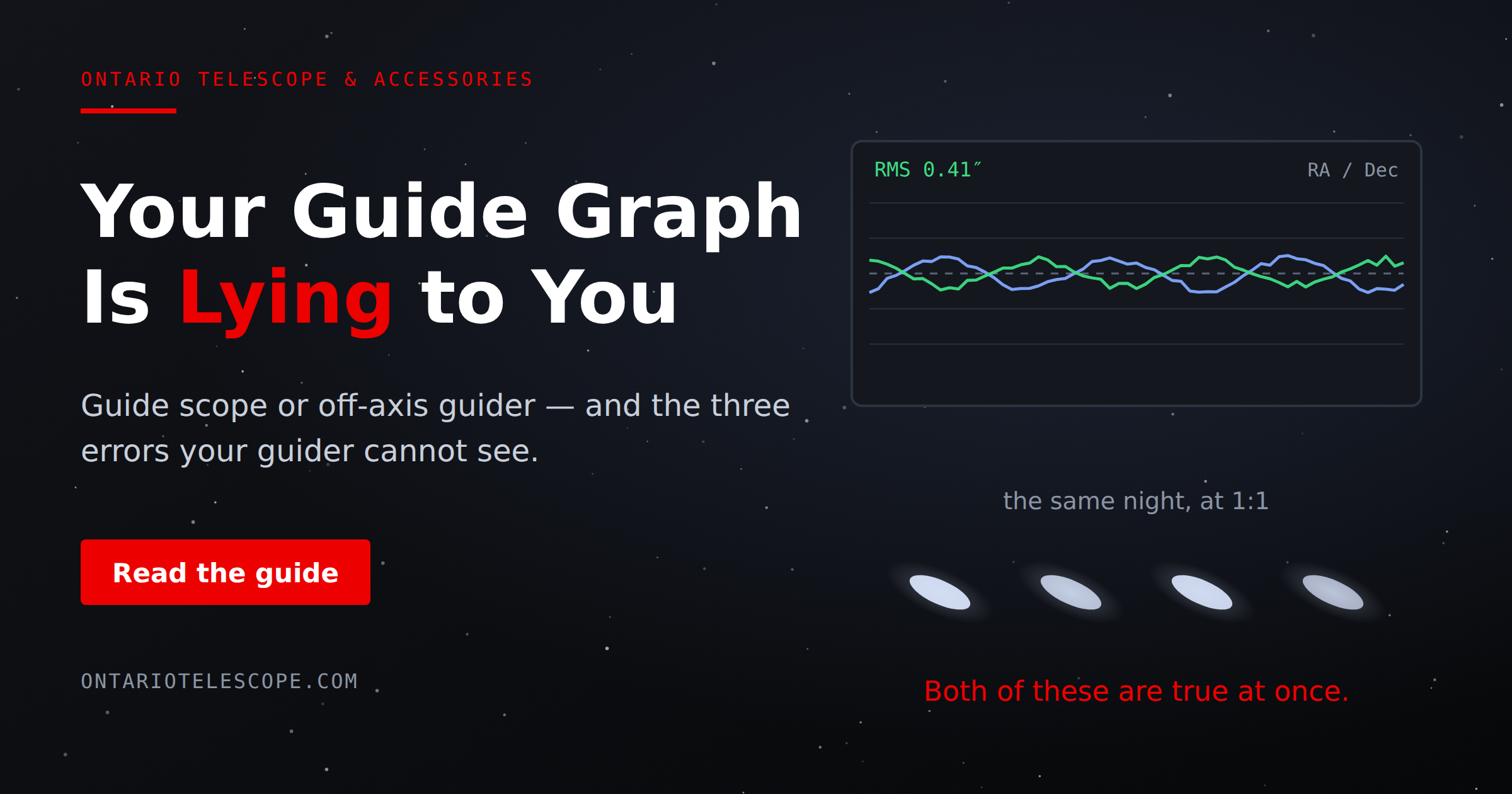
Your Guide Graph Is Lying to You
Read More
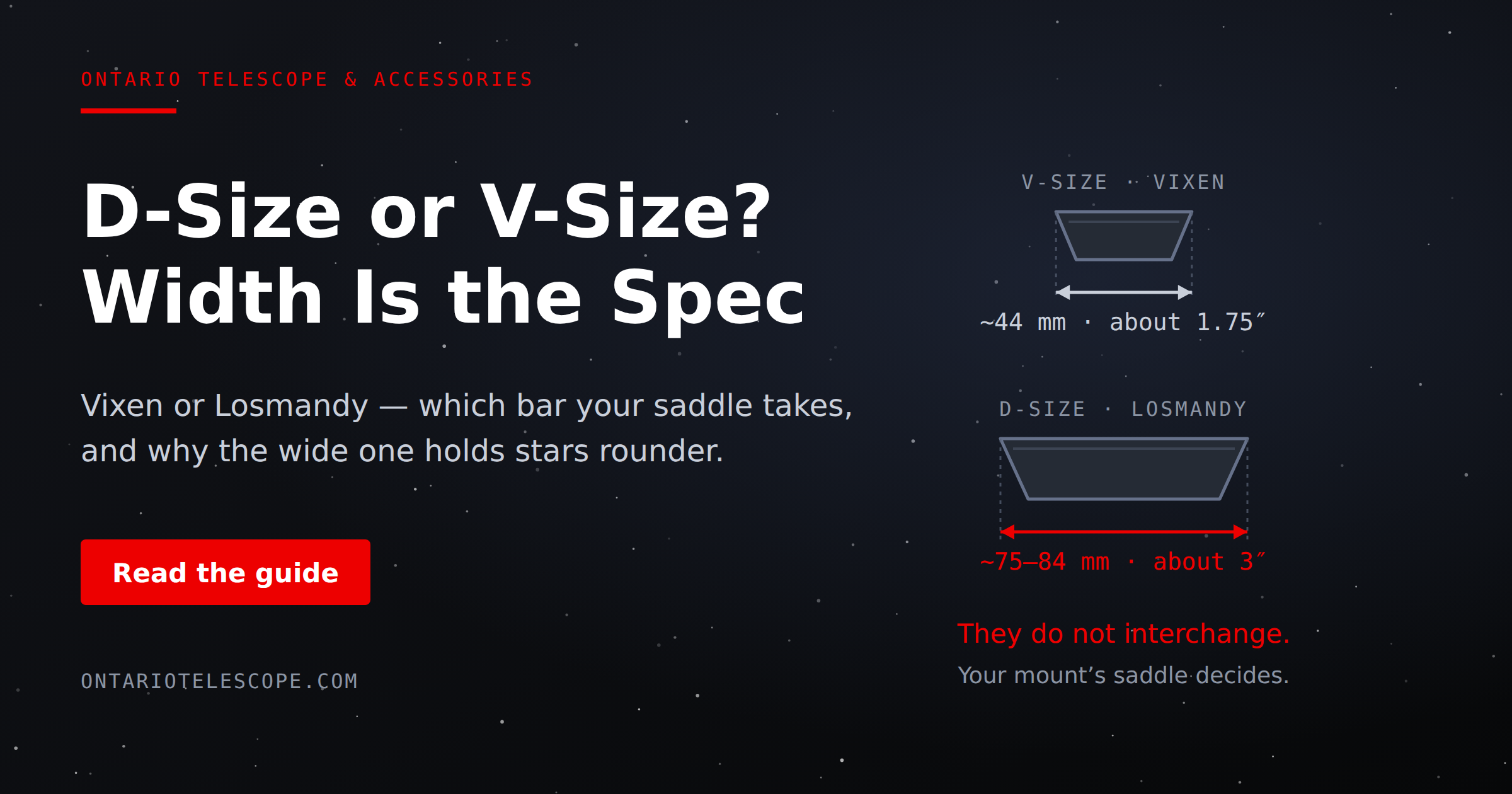
D-Size vs V-Size: A Complete Guide to Telescope Dovetail Systems
Read More
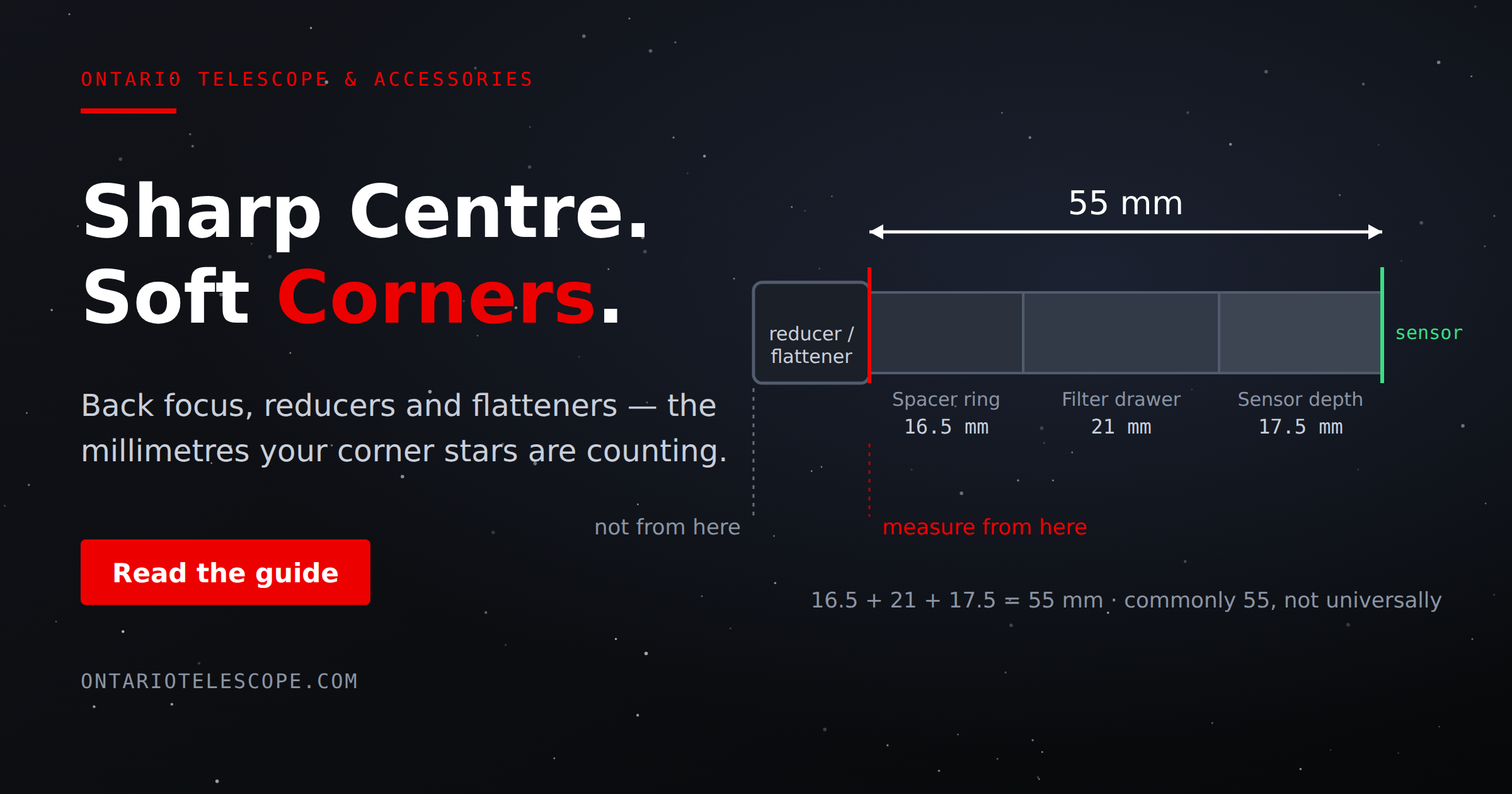
What Is Back Focus in Astrophotography? Telescope Reducers, Flatteners, and Spacing Explained
Read More