


- Description
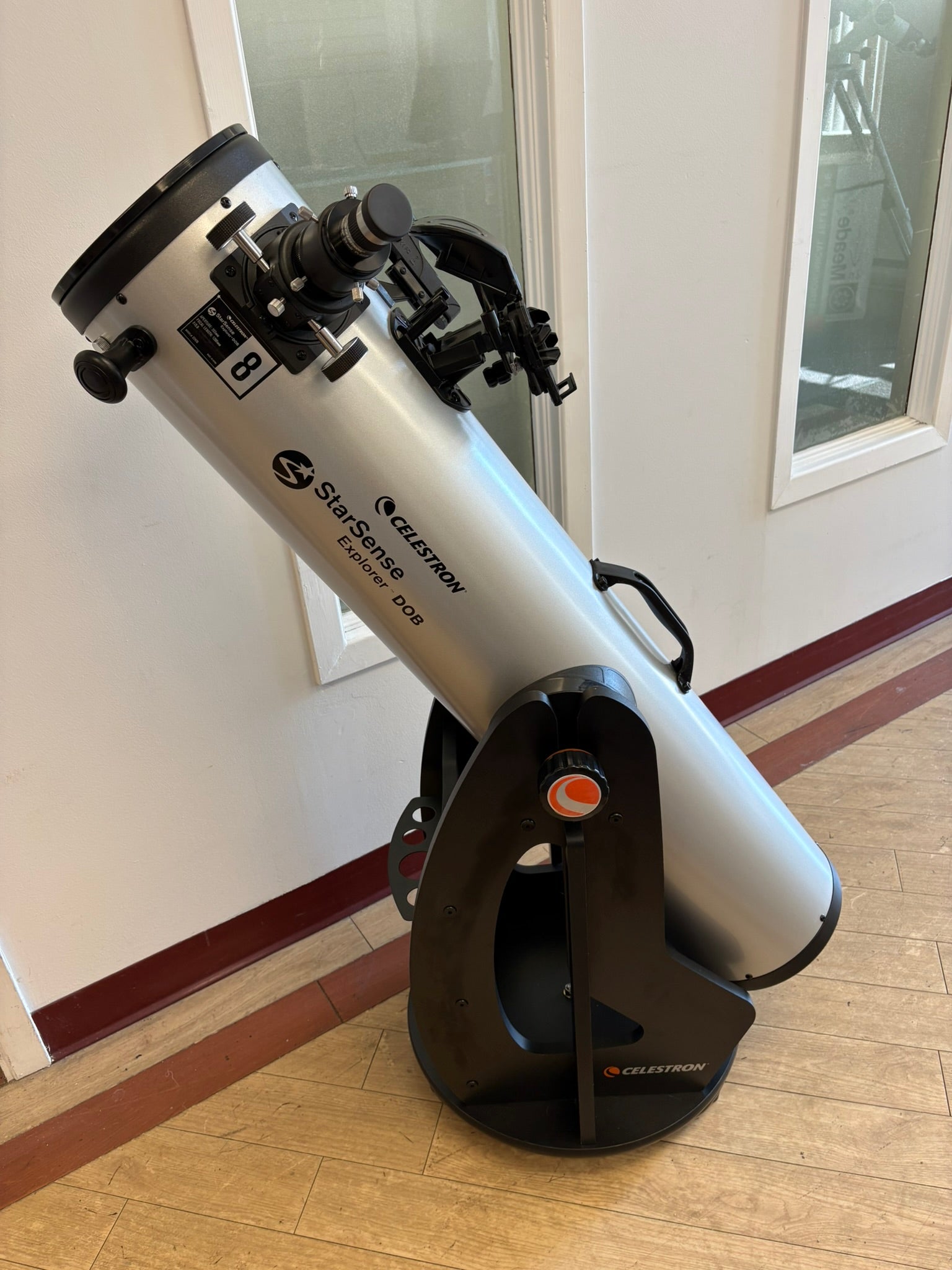
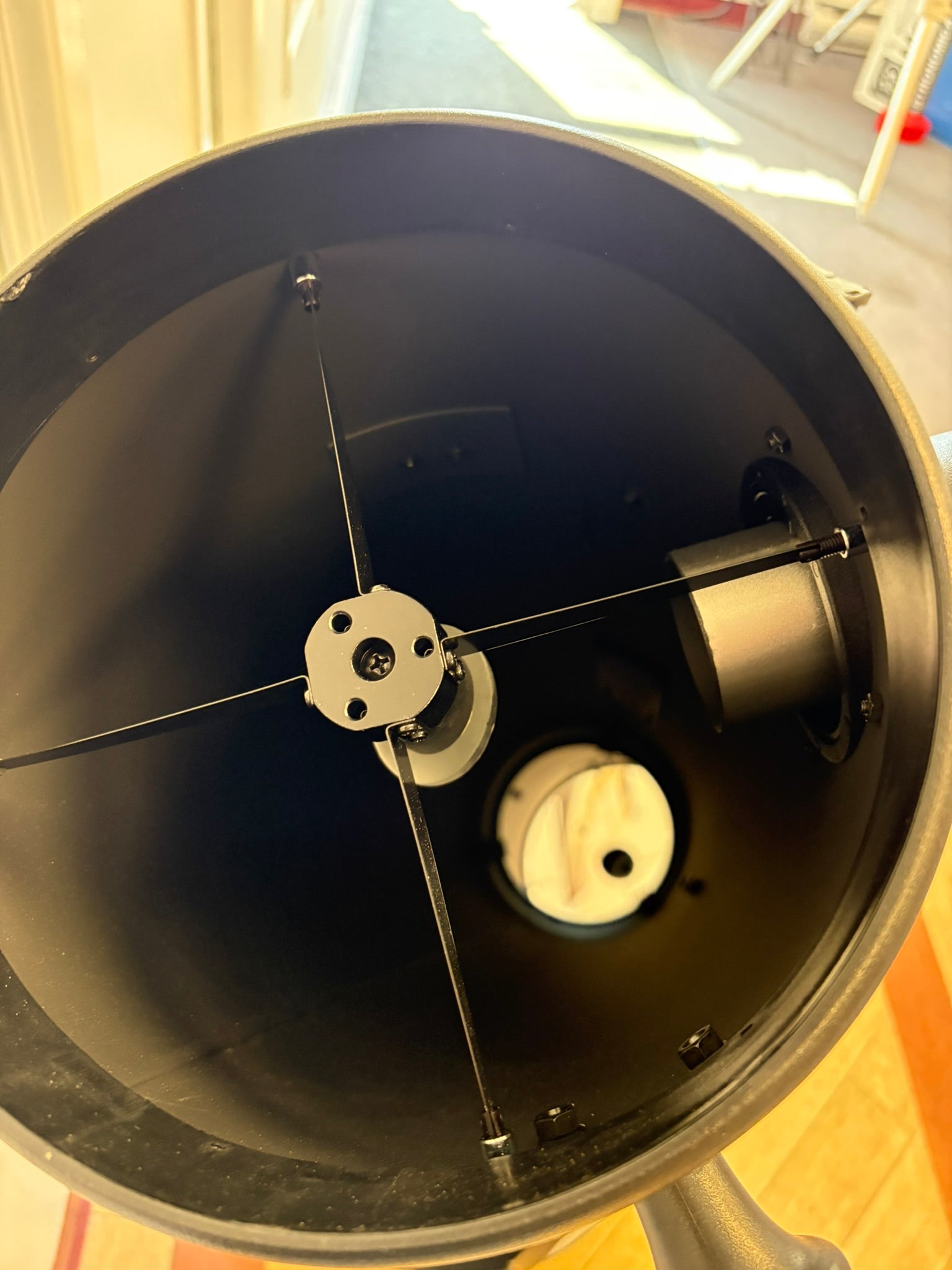
Used – Very Good Condition. This pre-owned Celestron StarSense Explorer 8" Dobsonian is in very good condition with only little signs of use. It has been fully tested and is working as it should.
What's Included
- StarSense Explorer 8" Dobsonian optical tube & base
- 25mm Plössl eyepiece
- 2" Crayford focuser
- StarSense smartphone dock
- StarPointer red dot finderscope
- Eyepiece rack
About the StarSense Explorer 8" Dobsonian
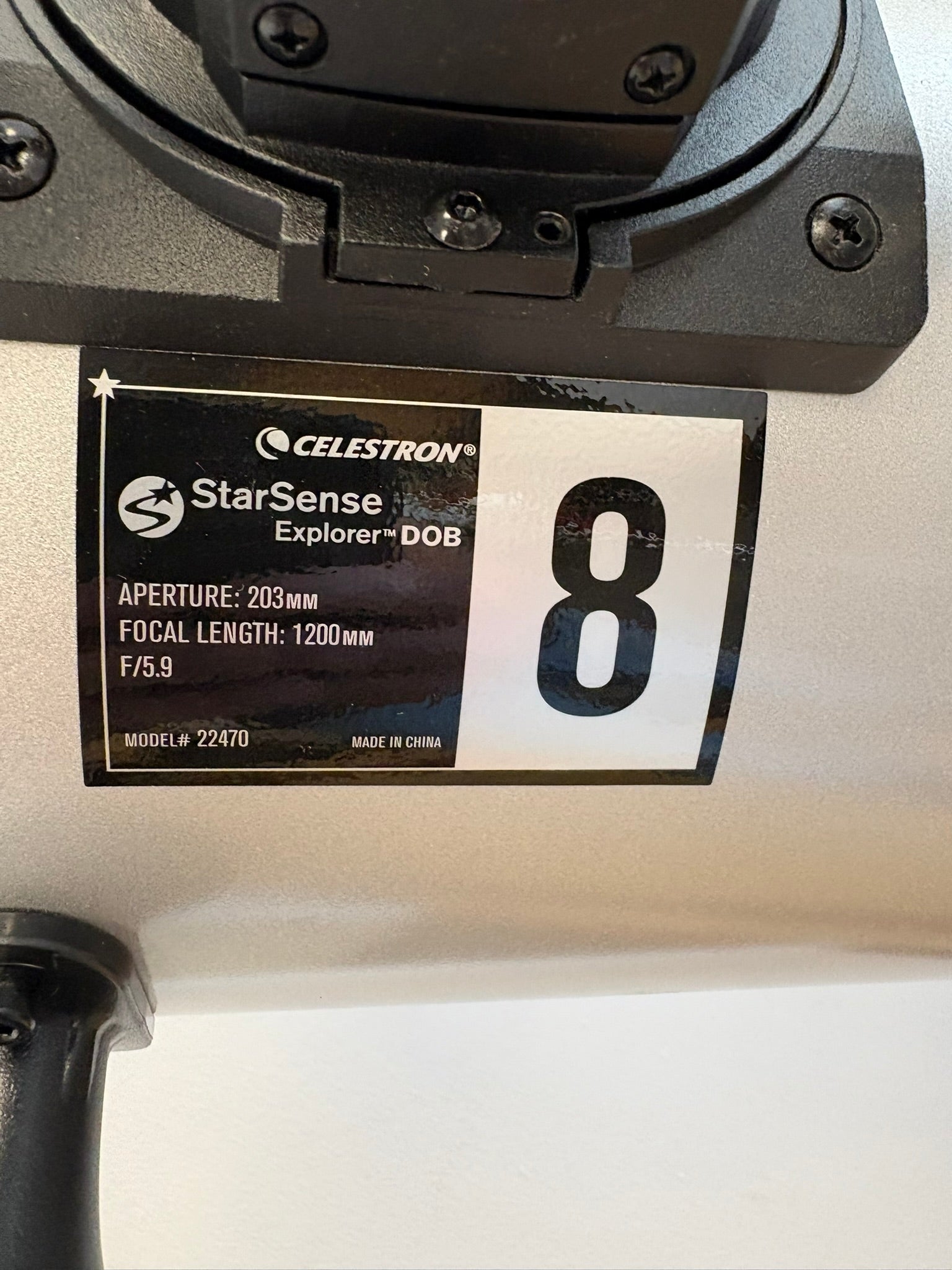
The StarSense Explorer 8" Dobsonian uses Celestron's patented StarSense sky-recognition technology together with the free StarSense Explorer app to identify star patterns and guide you to celestial targets in real time. It features an 8" parabolic primary mirror with XLT coatings on a smooth Dobsonian base — a great choice for lunar, planetary, and deep-sky visual observing.
For full specifications and features, see our new-product listing: Celestron StarSense Explorer 8" Dobsonian (New).
Final Sale
This item is sold as a Final Sale. All used equipment sales are final. Please review our Used Equipment Sale Policy before purchasing.
Available for pickup only. We are not able to ship this item
You may also like
Recently viewed
Recent Blog Posts
View all
Your Guide Graph Is Lying to You
Read More
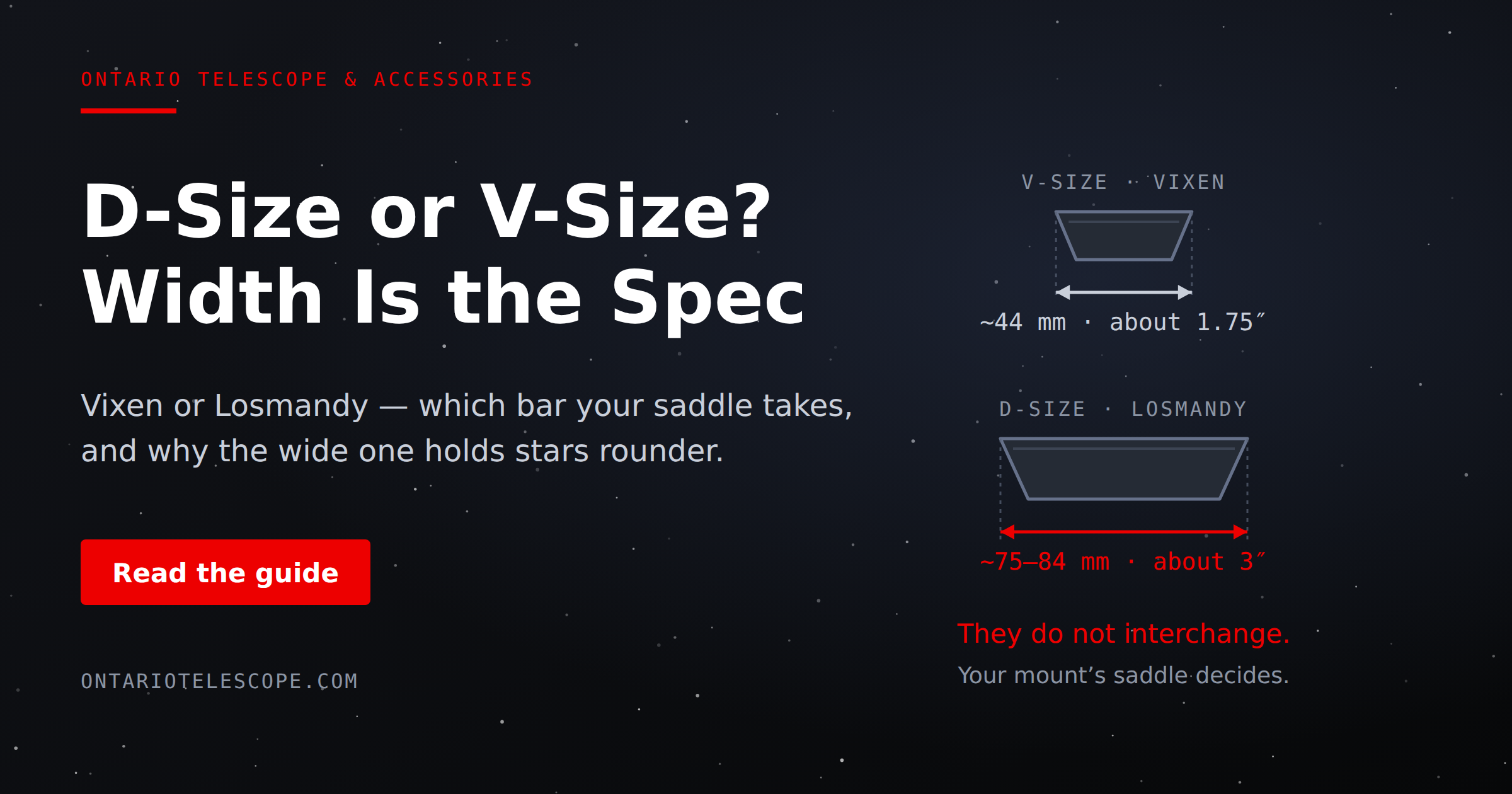
D-Size vs V-Size: A Complete Guide to Telescope Dovetail Systems
Read More
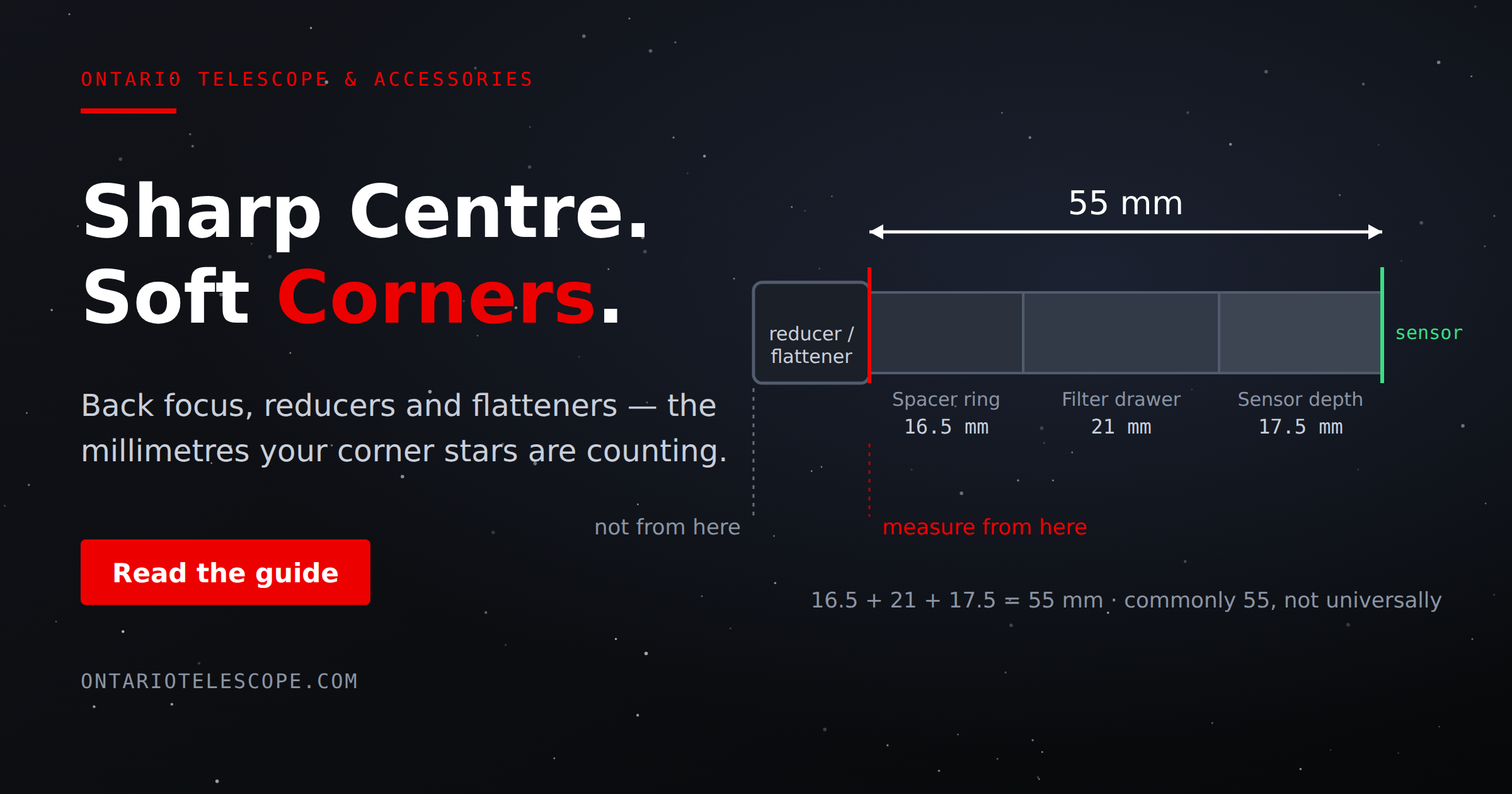
What Is Back Focus in Astrophotography? Telescope Reducers, Flatteners, and Spacing Explained
Read More