


- Description
- Specifications
Product Overview
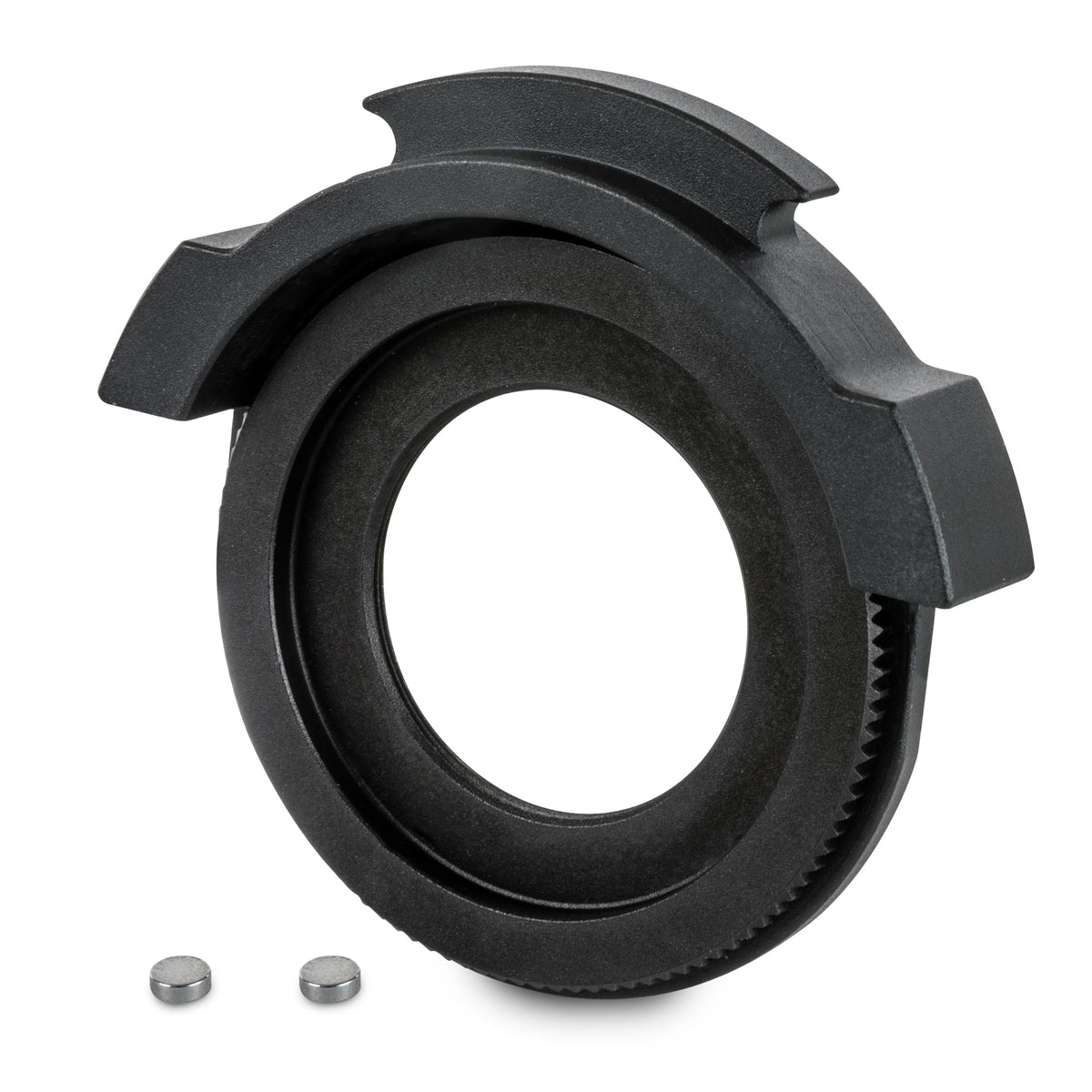
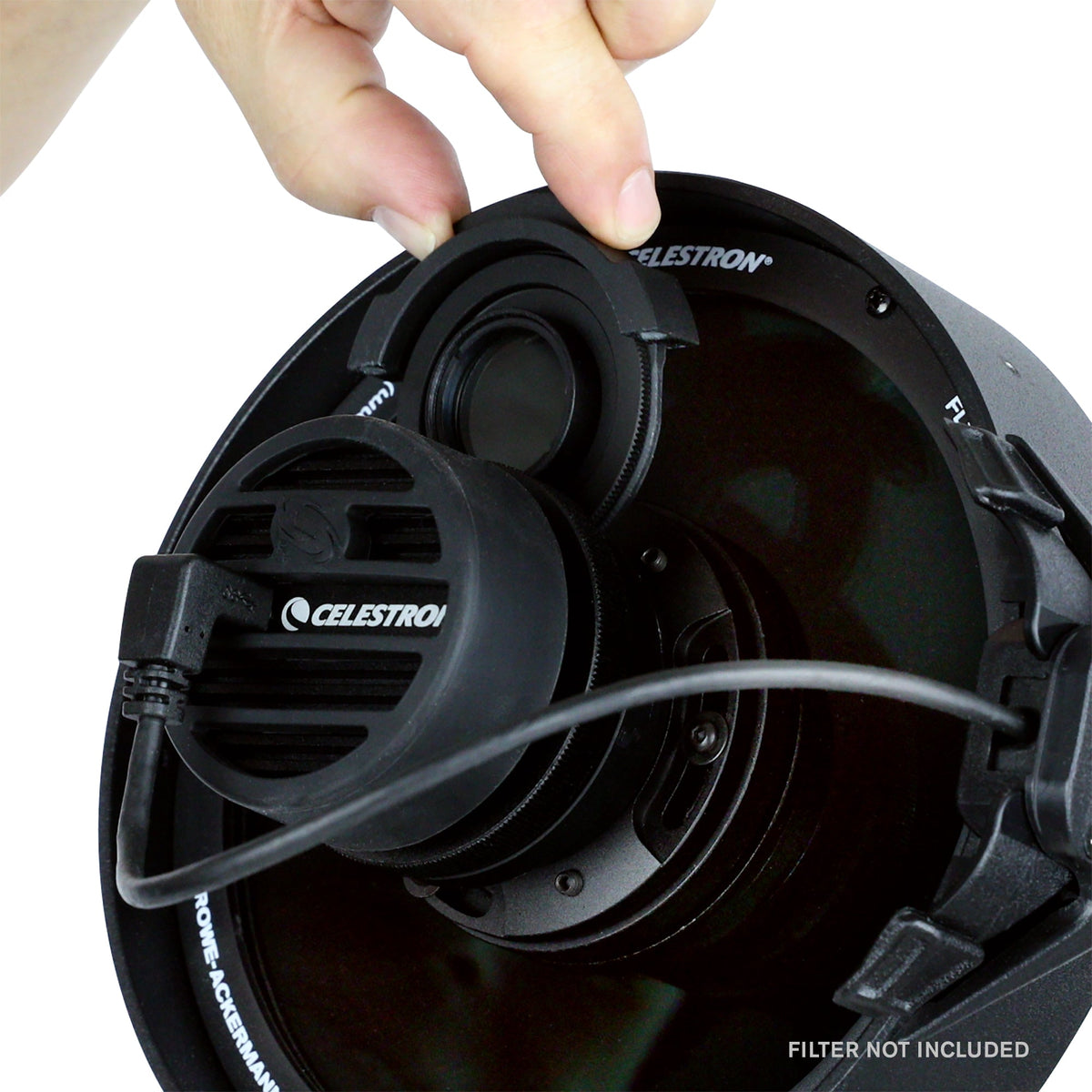
The Celestron Origin Filter Drawer Kit (#93681) is the same removable filter drawer that ships with every Celestron Origin, sold on its own. It fits both the original Origin Intelligent Home Observatory and the Origin Mark II. You can use it to replace a lost drawer, or keep a second drawer loaded with a different filter. The drawer takes standard 1.25" and 2" filters. It measures 2.4" × 2.5" × 0.5" and weighs 1 oz.
Who It's For
This is a good match if you image with a Celestron Origin and switch filters between targets, for example a light-pollution or narrowband filter for nebulae and a clear filter for galaxies and star clusters. It also fits if your Origin is missing its drawer and you need a direct replacement.
Key Features & Design
- Same part as Origin's own drawer: this is Celestron's original-equipment drawer, so it fits the Origin filter housing the same way the supplied one does.
- Takes 1.25" and 2" filters: holds standard threaded filters in either size, so you can use filters you already own.
- Fast filter swaps: load a filter into each drawer you own and change filters by swapping drawers, without unthreading filter cells in the dark.
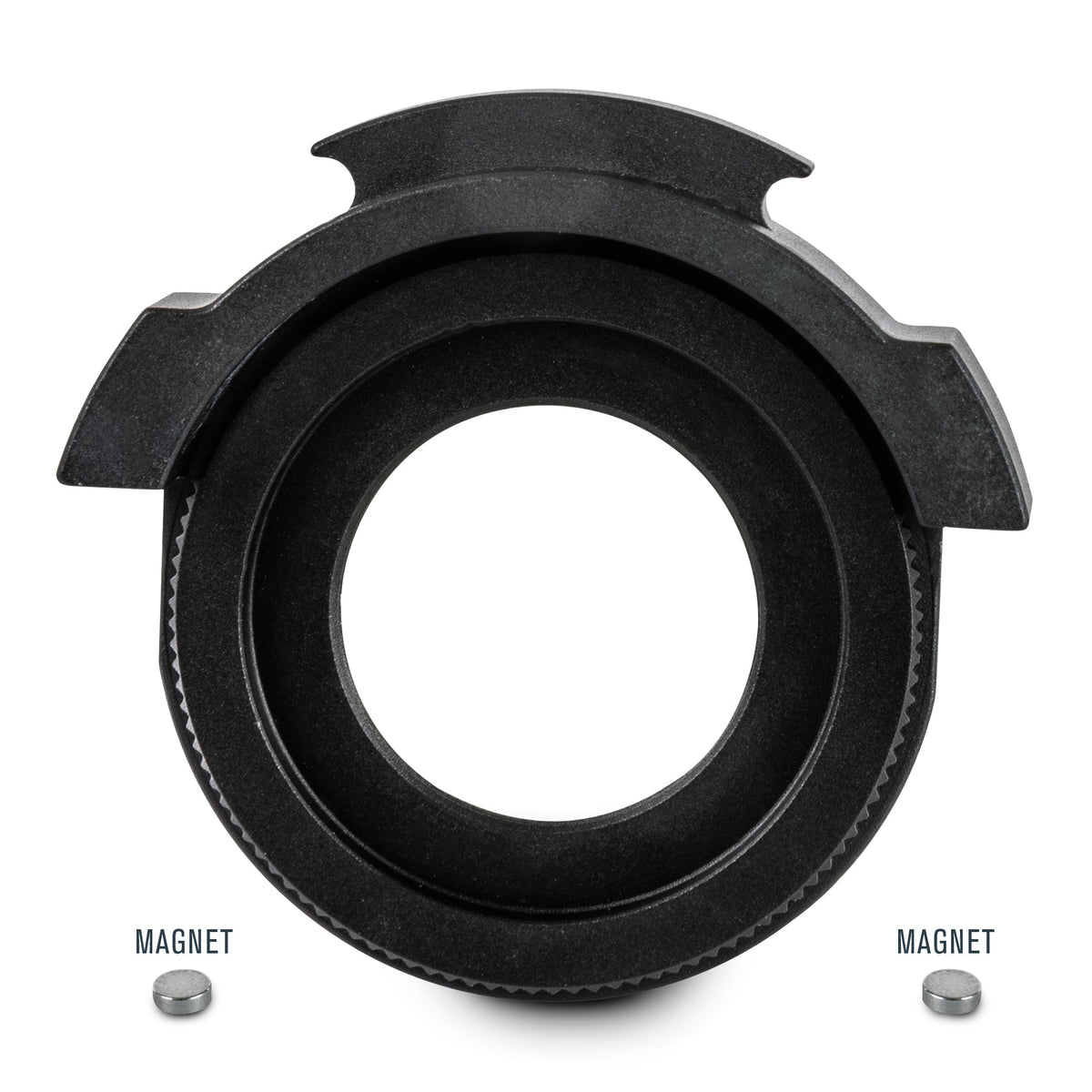
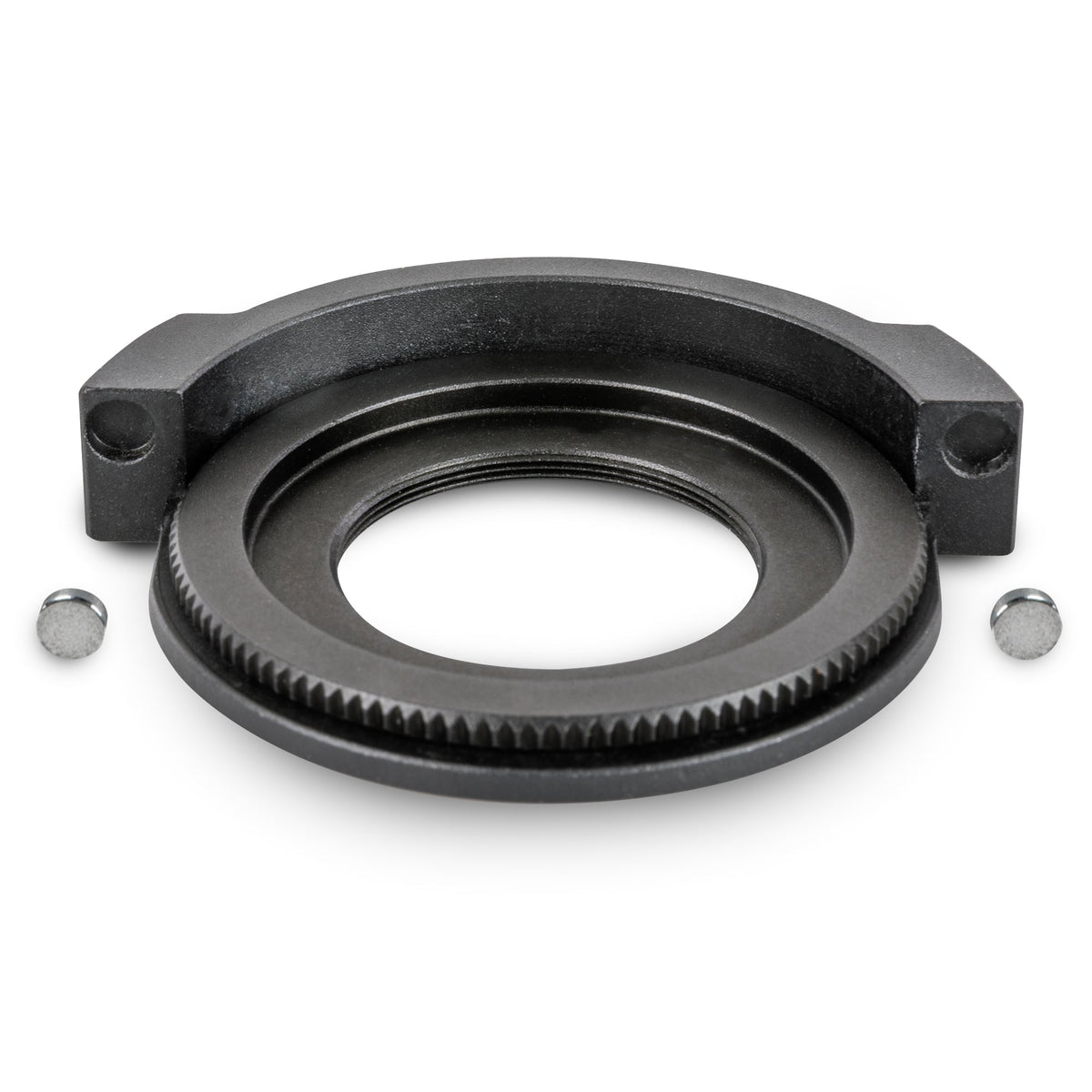
- Magnets supplied: the kit includes new magnets, which are glued onto the drawer before first use.
- Compact: 2.4" × 2.5" × 0.5", 1 oz.
Recommended Uses
- Nebula imaging from suburban skies: keep a light-pollution or narrowband filter loaded in this drawer.
- Broadband targets and dark sites: keep the Origin's own drawer fitted with its clear filter for maximum light, and swap between the two as targets change.
- Replacing a lost drawer: restores the filter slot to its original configuration.
Compatibility and Accessory Notes
- Telescopes: Celestron Origin Intelligent Home Observatory and Celestron Origin Mark II Intelligent Home Observatory.
- Filters: standard 1.25" and 2" astronomy filters. Celestron's Nebula Filter for Origin (#93669) is a natural pairing for nebula imaging.
- Not included: filters and the epoxy used to fix the magnets.
Good to Know Before You Order
- Magnet installation: the magnets are glued onto the drawer with epoxy, which is not included. The polarity has to match the filter housing, and the epoxy takes 24 hours to cure fully before the drawer goes into the telescope.
- No filter in the box: the kit is the drawer and magnets only. The clear filter Celestron refers to is the one supplied with the Origin itself.
- Origin only: the drawer is made for the Origin's filter housing and has no use on other telescopes.
Frequently Asked Questions
Is it difficult to set up?
It takes one short job. Glue the supplied magnets on with a general-purpose epoxy, matching their polarity to the housing, and let them cure for 24 hours. After that the drawer slides in like the original.
Does it come with a filter?
No. It holds any standard 1.25" or 2" filter you supply.
Will it fit the Origin Mark II?
Yes. Celestron lists it as compatible with both the original Origin and the Origin Mark II.
Why buy a second drawer?
With a filter preloaded in each drawer, a filter change is a drawer swap rather than unthreading and rethreading filters at night, which is quicker and less risky for the filters.
What filter sizes does it take?
Standard 1.25" and 2" filters.
Bottom Line
In short, this is Celestron's own Origin filter drawer as a standalone part. It holds a 1.25" or 2" filter, fits the Origin and Origin Mark II, and is ready to use once its magnets are epoxied in place.
| Item number | 93681 |
|---|---|
| Type | Removable filter drawer (replacement / spare) |
| Filter sizes accepted | 1.25" and 2" |
| Compatible telescopes | Celestron Origin Intelligent Home Observatory; Celestron Origin Mark II Intelligent Home Observatory |
| Included | Filter drawer; magnets (install with epoxy before use) |
| Not included | Filters; epoxy glue |
| Size | 2.4" x 2.5" x 0.5" |
| Weight | 1 oz |
You may also like
Recently viewed
Recent Blog Posts
View all
Your Guide Graph Is Lying to You
Read More

D-Size vs V-Size: A Complete Guide to Telescope Dovetail Systems
Read More

What Is Back Focus in Astrophotography? Telescope Reducers, Flatteners, and Spacing Explained
Read More