


- Description
- Specifications
- Baader IR-Pass Filer HWB 685nm
- Reduces the effect of seeing resulting in a much sharper image.
- Tip for use: Ideal for imaging and used for the luminosity channel.
- The effect of use: The normal spectral bandwidth is 400-700nm. This filter starts at 670nm in the deep red, just in the visual range so it can be focussed correctly. At this long-wavelength spectral range the atmospheric air turbulence (seeing) has much lower impact on the sharpness. Dark structures on Mars, Jupiter the Moon and the Sun are thereby rendered much sharper. The luminosity can then be combined with RGB creating a very sharp LRGB image.
- Highly recommended for any planetary imager.
- Reflex free anti-reflective and optically polished.
| ANUFACTURER | Baader Planetarium |
|---|---|
| SKU (#) | 2458386 |
| EAN CODE | 4047825009401 |
| WEIGHT (KG) | 0.066 |
| TRANSMISSION RANGE | > 685 nm |
| FILTER THICKNESS (WITHOUT CELL) | 2 mm |
| AR-COATING | dielectrically coated, planeoptically polished |
| FILTER SIZE | 2 inch |
| FILTER USAGE | Contrast Enhancement, IR-Pass, Planetary |
| FILTER MOUNTED | Mounted (LPFC 6mm) |
| TYPE OF FILTER | Bandpass |
| SINGLE OR SET? | Single Filter |
| FILTER SHAPE | round |
You may also like
Recently viewed
Recent Blog Posts
View all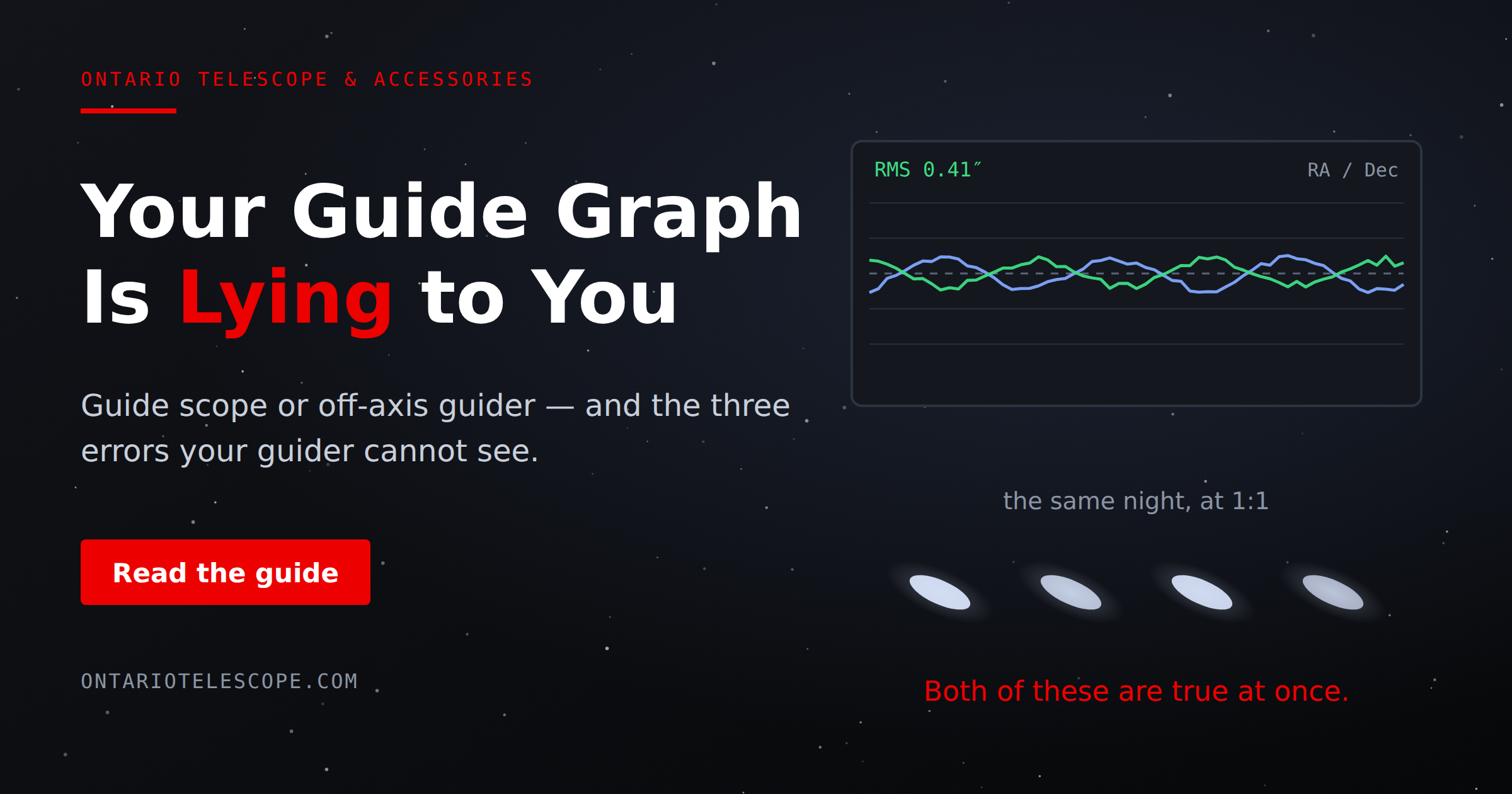
Your Guide Graph Is Lying to You
You drove ninety minutes to dark sky, PHD2 held 0.4 arcseconds all night, and half your subs still have eggs for stars. Here are the three things your
Read More
Read More
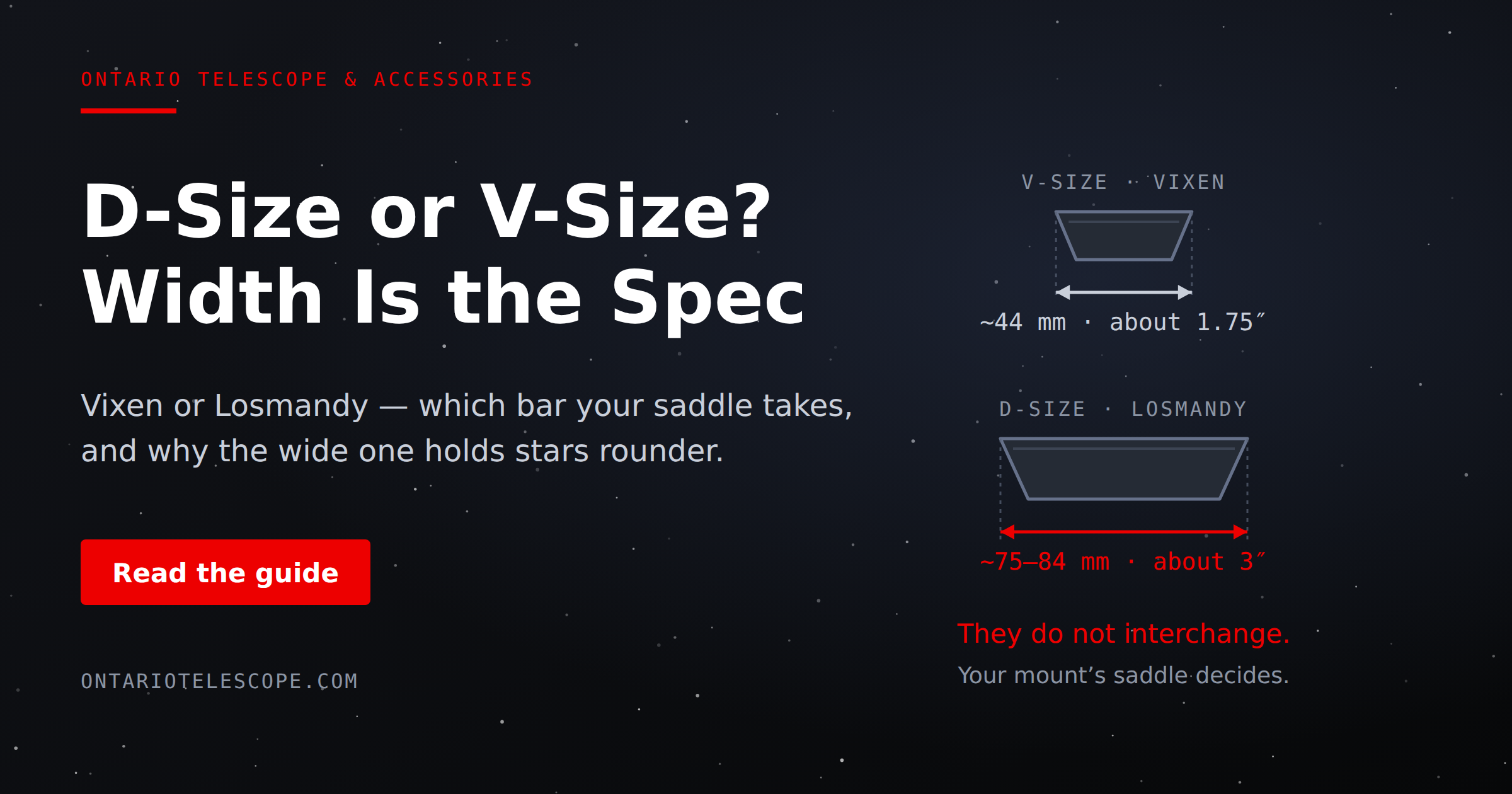
D-Size vs V-Size: A Complete Guide to Telescope Dovetail Systems
What's the difference between D-size and V-size telescope dovetails? Here's everything you need to know.
Read More
Read More
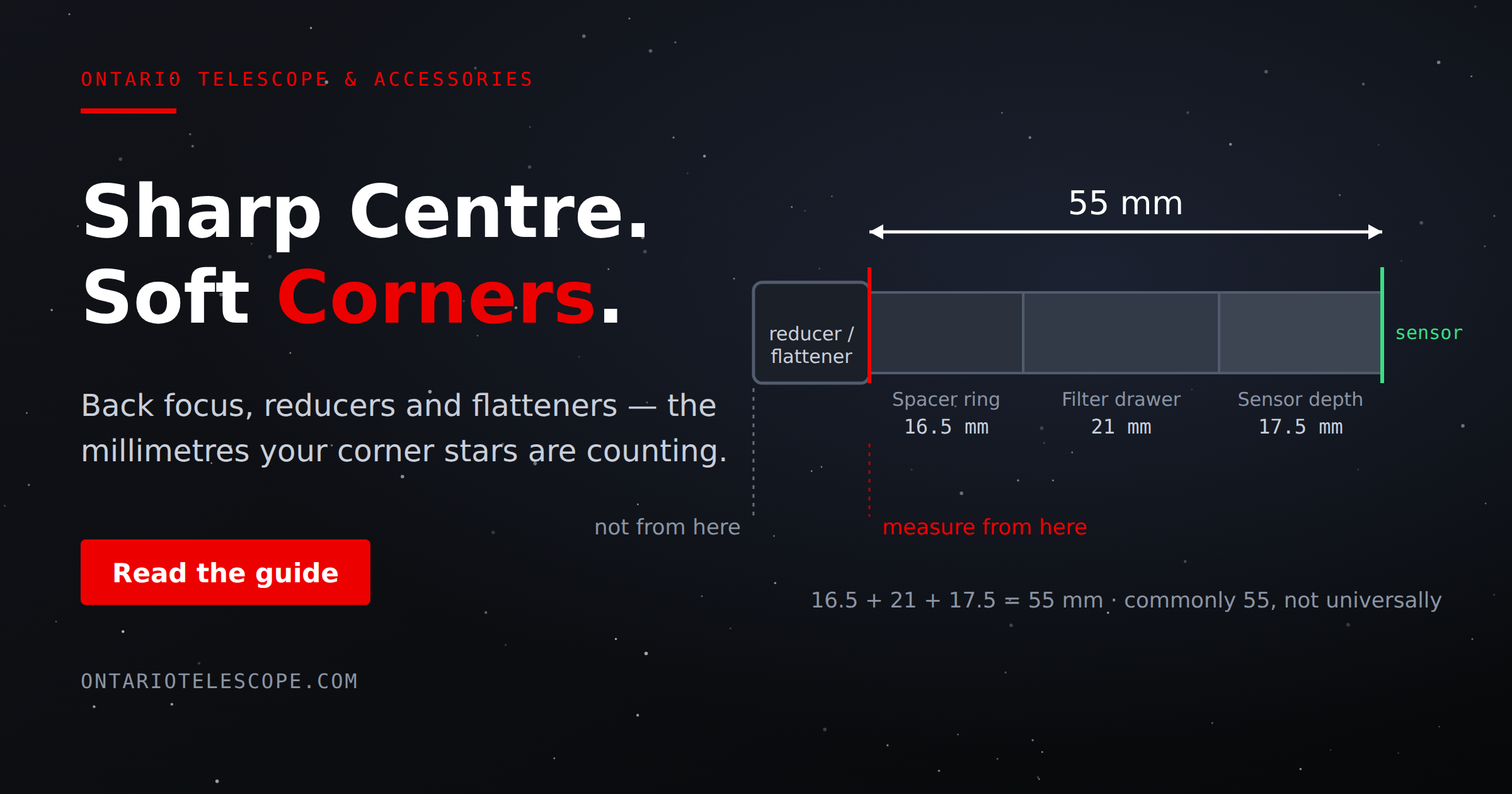
What Is Back Focus in Astrophotography? Telescope Reducers, Flatteners, and Spacing Explained
What Is Back Focus in Astrophotography? Telescope Reducers, Flatteners, and Spacing Explained
Back focus is one of those astrophotography terms that c
Read More
Read More