
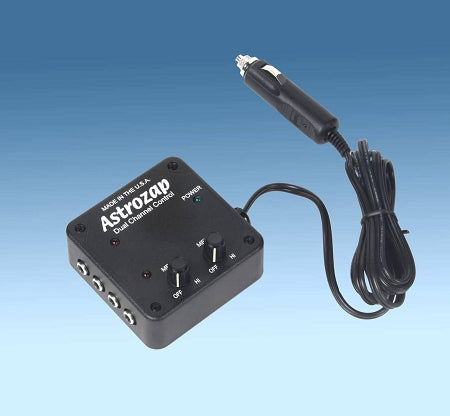

- Description
The Astrozap dual channel controller uses pulse width modulation technology. Each channel controls two outputs for a total of four outputs. Each channel is capable of a duty cycle from 5% on time at the low setting to 95% on time at the high setting.
The Astrozap dew controller is manufactured for operation on 12 volts DC and should never be operated with any other voltage. Total amperage capacity for all four outputs is 5 amps. The controller is supplied with a six-foot cord equipped with a cigarette lighter plug end. A 5-amp fuse is incorporated into the plug.
The Astrozap dew controller can be used to power our Flexi-Heat dew shields and Heat Bands. The RCA output connectors will accommodate other brand dew heaters.
The green LED indicates that the controller is getting power. The two amber lights by the outputs indicate the power level of each channel. The brighter the amber LEDs, the higher the duty cycle for that channel. When the controller is set to the lowest setting, it is effectively off. A two-inch Velcro strip is included for mounting the controller to a convenient area of your telescope mount.
You may also like
Recently viewed
Recent Blog Posts
View all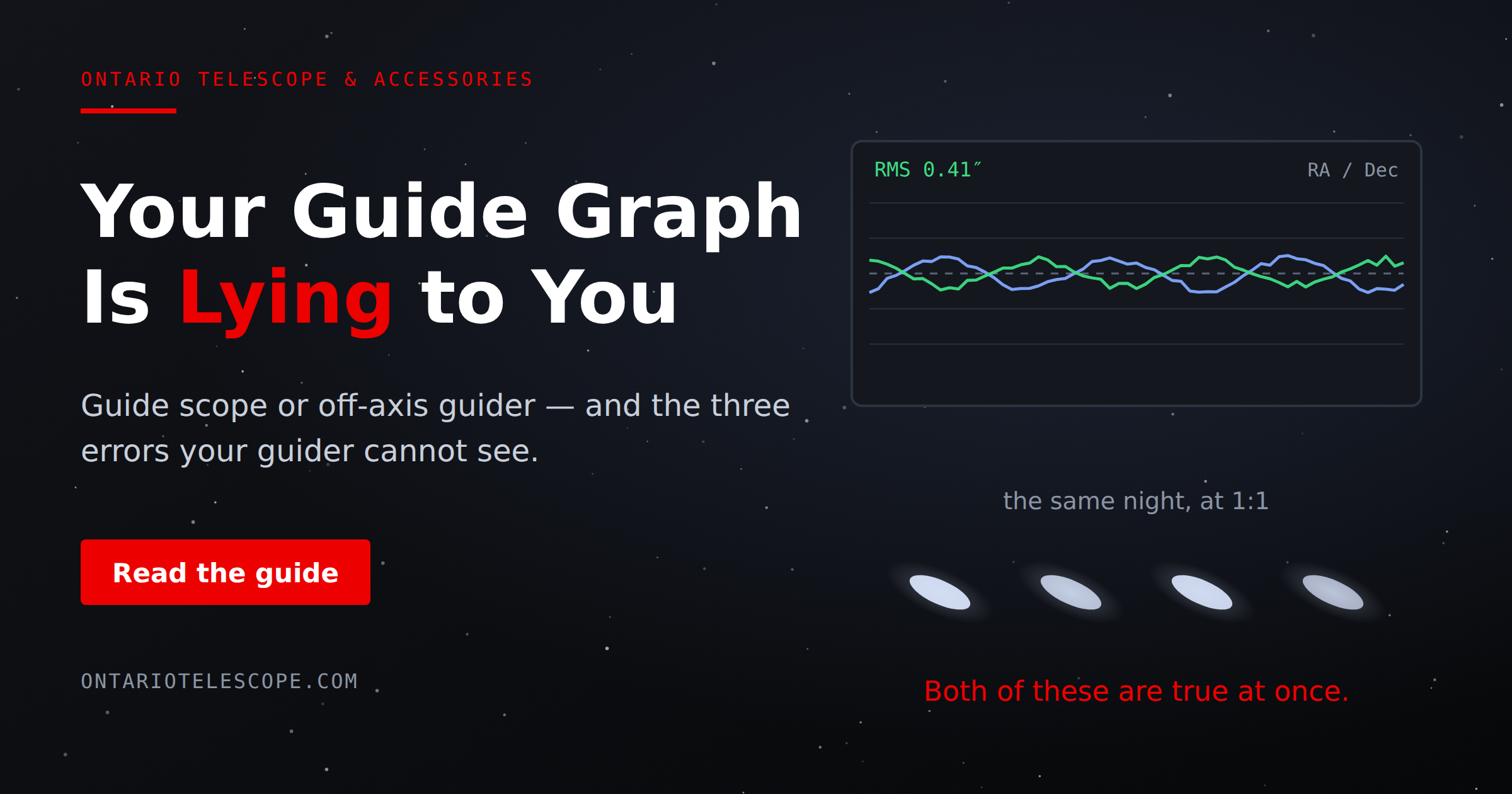
Your Guide Graph Is Lying to You
Read More

D-Size vs V-Size: A Complete Guide to Telescope Dovetail Systems
Read More
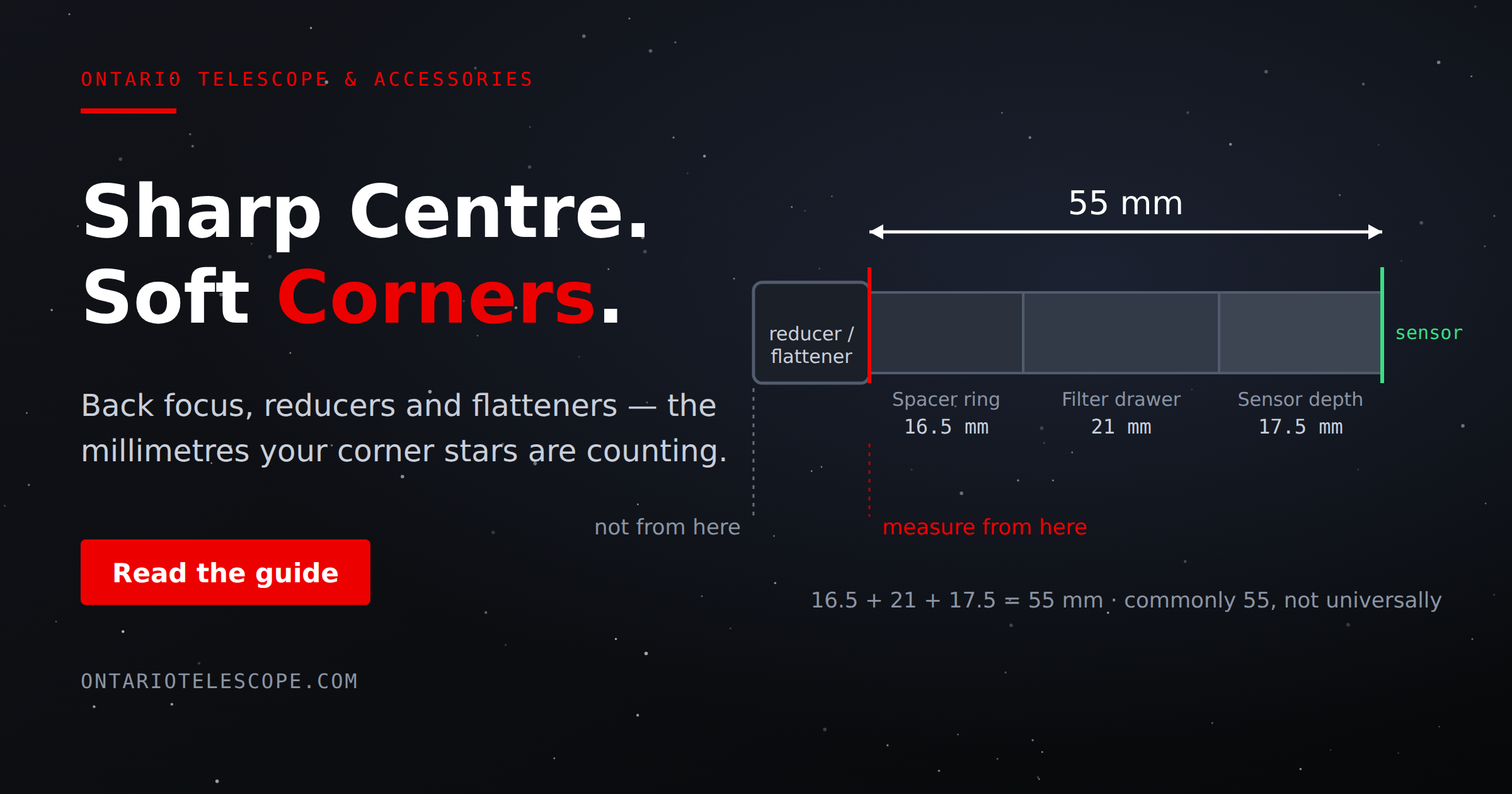
What Is Back Focus in Astrophotography? Telescope Reducers, Flatteners, and Spacing Explained
Read More