
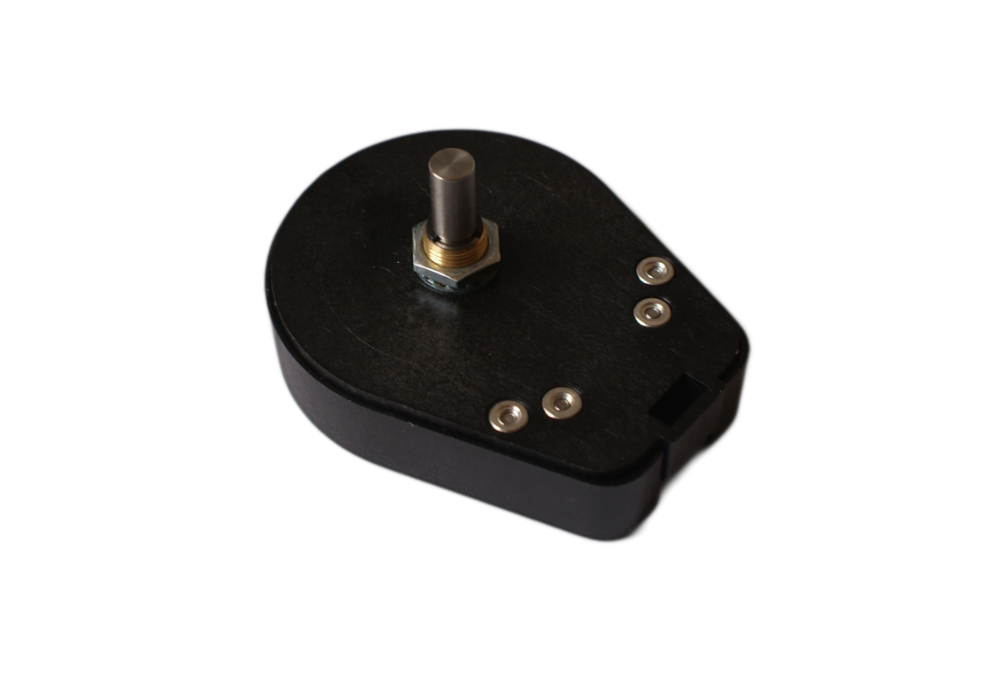
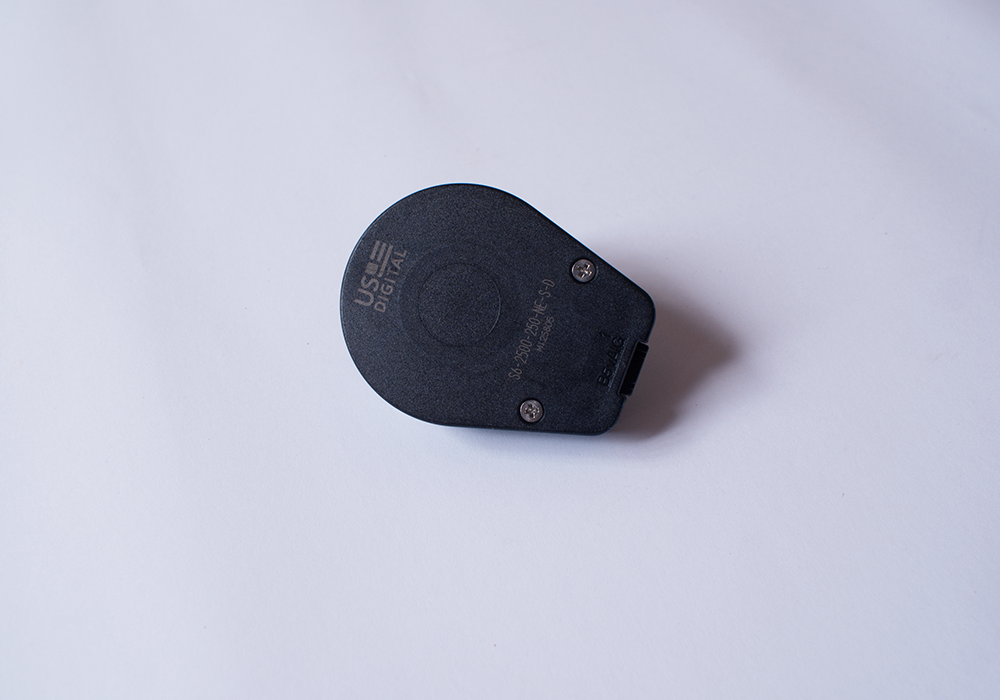
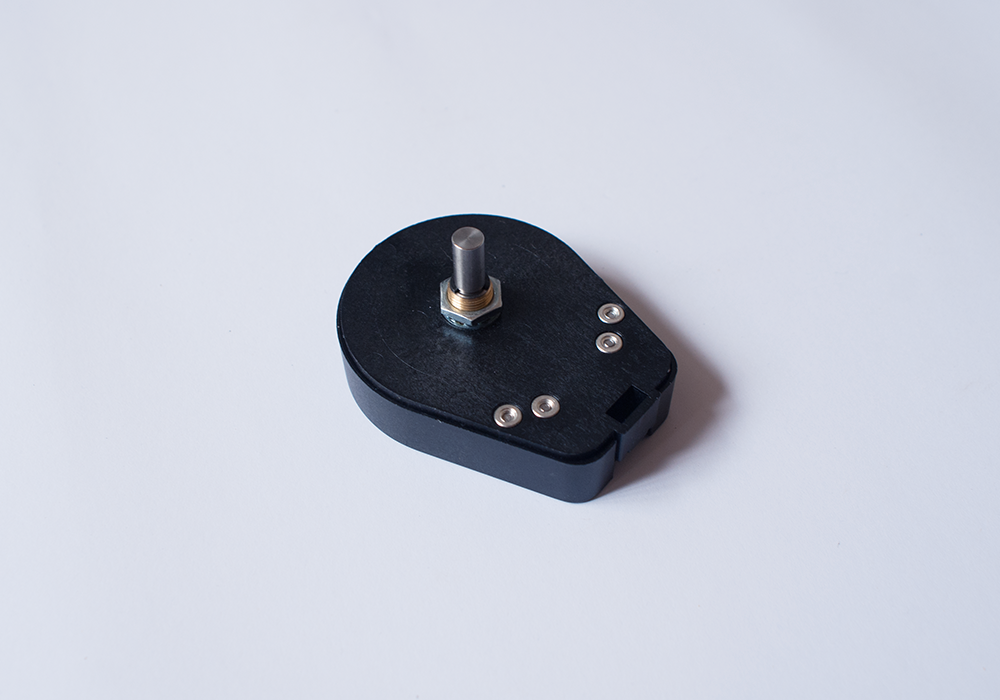


- Description
- Specifications
Product Overview
The Astro Devices US Digital S6 optical encoder is the component that lets a set of digital setting circles read the position of your telescope. Each encoder attaches to one of your telescope's axes and sends signals back to the DSC, which uses those signals to work out where the telescope is pointing. A complete push-to setup uses two encoders, one on the altitude axis and one on the azimuth axis. This listing covers a single encoder, offered in a 10,000-step or a 40,000-step resolution.
Who It's For
This encoder suits anyone building or servicing a digital setting circle system on a Dobsonian or an Alt-Az mount. It fits owners adding encoders to a scope for the first time as well as those replacing a worn or damaged unit, and it pairs with Astro Devices Nexus DSC systems that read US Digital S6 encoders.
Key Features & Design
- Two resolution choices: select 10,000 steps or 40,000 steps to match the pointing precision your system needs.
- Optical sensing: the S6 is an optical encoder, reading position without contact between the moving parts.
- Mount coverage: designed to attach to both Dobsonian and Alt-Az telescope axes.
- Compact and light: each encoder weighs 60 g, so it adds negligible mass to a moving axis.
- Single-unit listing: one encoder ships per order, letting you buy exactly the count and resolutions your build calls for.
Resolution and Electronics
Resolution here refers to how many steps the encoder reports across a full turn of its shaft. The 10,000-step version divides a revolution into 10,000 counts, while the 40,000-step version divides it into 40,000. A higher step count gives the DSC finer angular data, which translates into tighter pointing once the system is calibrated. Both versions are the same physical S6 optical encoder and interface the same way; the resolution you pick is a matter of how much positional detail your setup and targets call for.
Recommended Uses
The S6 encoder is used to give a Dobsonian or Alt-Az telescope push-to capability, feeding axis position to a digital setting circle so you can locate and track objects by hand with on-screen guidance. It is equally at home in a fresh DSC installation or as a drop-in replacement for an encoder that has stopped reporting cleanly.
Compatibility and Accessory Notes
The S6 mounts to the altitude and azimuth axes of Dobsonian and Alt-Az telescopes and works with digital setting circle systems that read US Digital S6 encoders. A full system uses two encoders, so a complete build from scratch calls for two units. When mixing resolutions is not desired, both axes are typically fitted with the same step count. Mounting hardware and the specific coupling to each axis depend on your telescope and DSC installation.
Good to Know Before You Order
- Two encoders per system: a working DSC needs one encoder on each axis, so a single order covers one axis only.
- Resolution is per unit: the 10,000-step and 40,000-step options are priced separately; choose the resolution for each axis at the time of order.
- Sold as the encoder: each order includes one optical encoder. Axis-mounting brackets and cabling are dictated by your particular scope and DSC setup.
Frequently Asked Questions
How many encoders do I need?
Two, one for each axis of the telescope. A digital setting circle reads both axes to determine where the scope is pointing.
What is the difference between the 10,000-step and 40,000-step versions?
Both are the same S6 optical encoder; the number is how many steps it reports per full revolution. The 40,000-step version gives the DSC finer angular resolution than the 10,000-step version.
Is it difficult to set up?
The encoder itself attaches to a telescope axis and connects to the DSC. The work involves fitting it to each axis and coupling it to the shaft so it turns with the mount; the specific mounting depends on your telescope and DSC installation.
Will it fit my telescope?
The S6 is designed for Dobsonian and Alt-Az mounts and works with digital setting circle systems that read US Digital S6 encoders.
Bottom Line
The US Digital S6 optical encoder is the axis-reading component behind a push-to Dobsonian or Alt-Az setup, offered in 10,000-step and 40,000-step resolutions so you can match each axis to the precision your system needs. Order two to build a full system, or one to replace an existing unit.
| Model | US Digital S6 Optical Encoder |
|---|---|
| Type | Optical rotary encoder |
| Resolution Options | 10,000 steps or 40,000 steps |
| Mount Compatibility | Dobsonian and Alt-Az mounts |
| Encoders Required Per System | Two (one per axis) |
| Included | 1 x optical encoder (10,000 or 40,000 steps) |
| Weight | 60 g |
You may also like
Recently viewed
Recent Blog Posts
View all
Your Guide Graph Is Lying to You
Read More
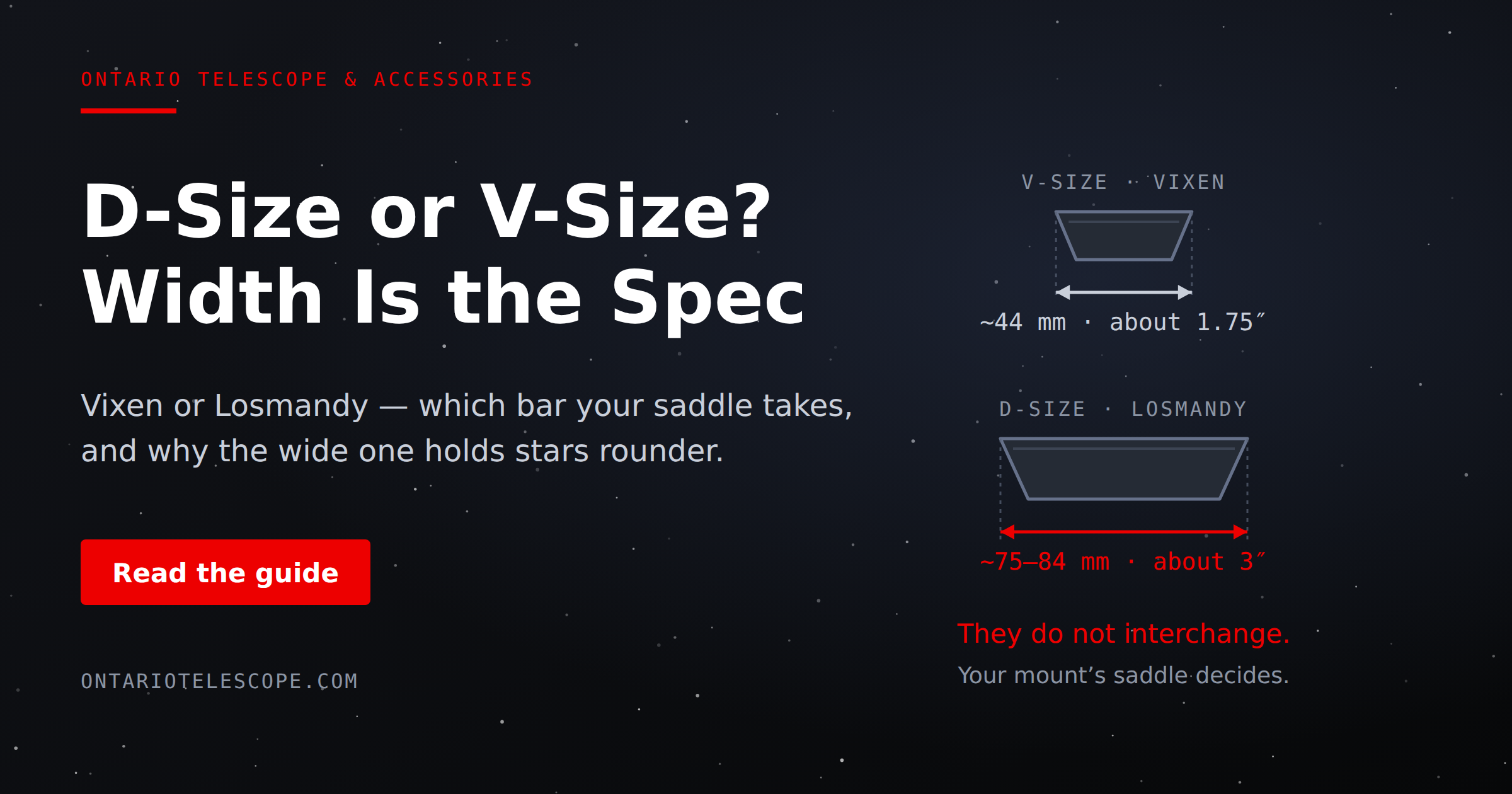
D-Size vs V-Size: A Complete Guide to Telescope Dovetail Systems
Read More
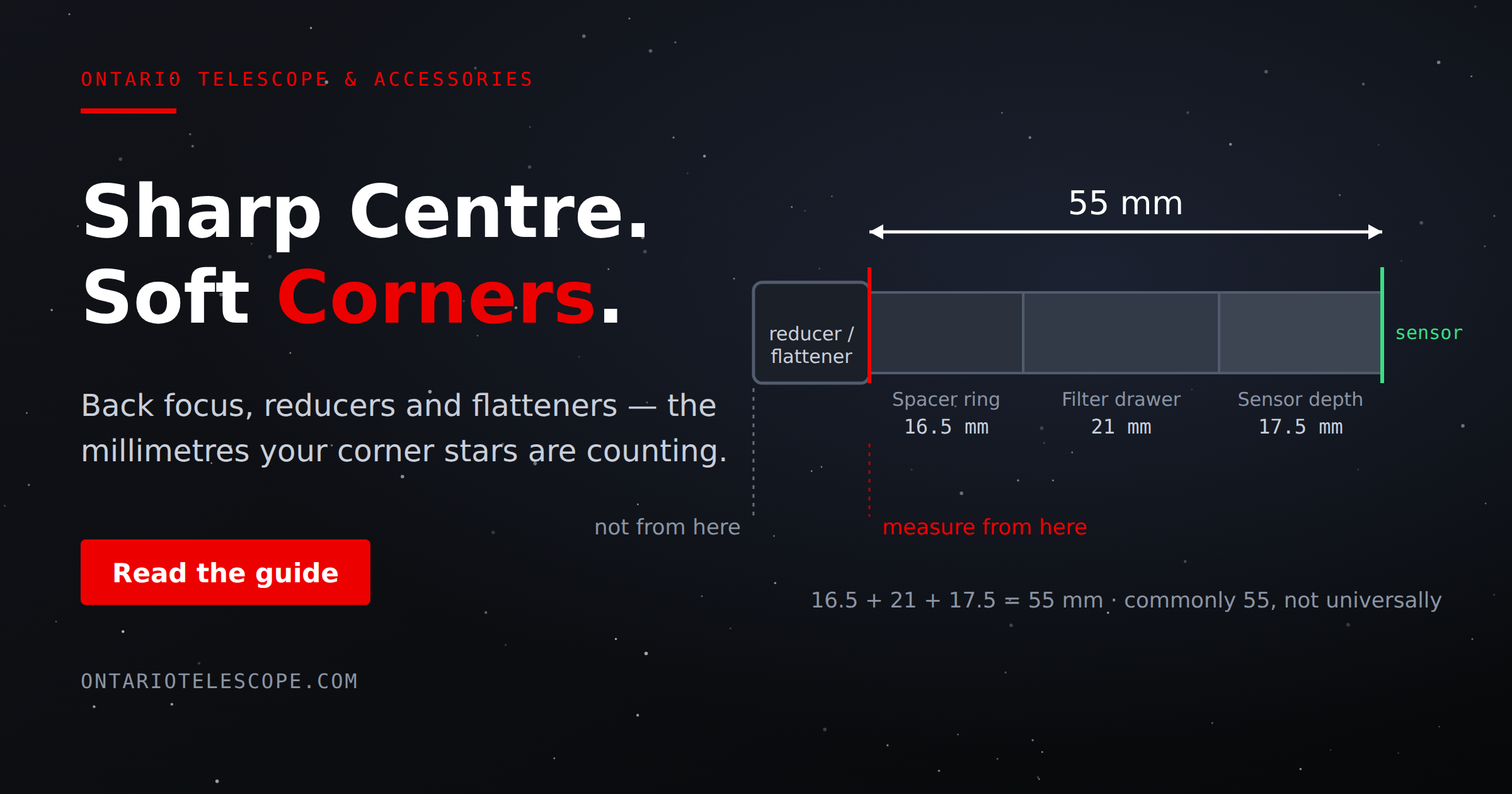
What Is Back Focus in Astrophotography? Telescope Reducers, Flatteners, and Spacing Explained
Read More