


- Description
- Specifications
Product Overview
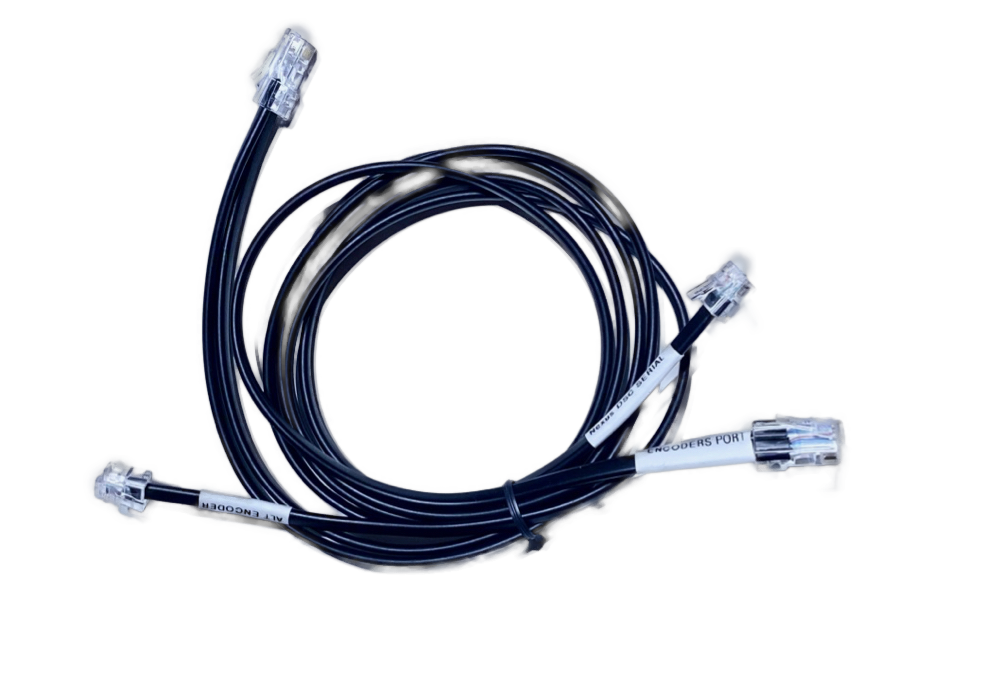
The Astro Devices Starmaster encoder cable connects the encoders and SkyTracker on a Starmaster telescope to a Nexus DSC or Nexus DSC Pro digital setting circle. It carries the altitude and azimuth encoder signals the Nexus unit needs to track where the telescope is pointing, so the push-to system can guide you from object to object. The cable measures 0.75 m (about 3 feet), which keeps a tidy run between the rocker box and the Nexus unit.
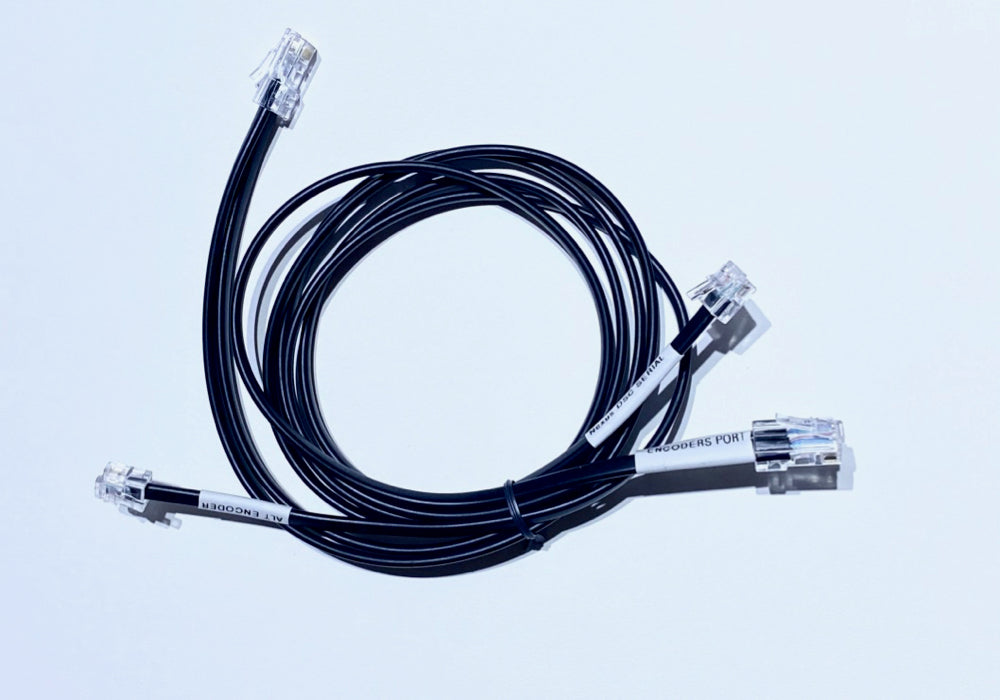
One end terminates in an RJ45 plug that seats in the encoder jack on the Starmaster rocker box. The opposite end breaks out to RJ11 connectors for the encoders port, serial port, and altitude encoder, matching the wiring layout Starmaster telescopes use with the Nexus DSC family.
Who It's For
This cable is for owners of Starmaster telescopes who are pairing their mount with a Nexus DSC or Nexus DSC Pro. It is the direct interconnect between the telescope's factory encoder wiring and the Nexus unit, so it suits anyone setting up or replacing the link in that specific combination.
Key Features & Design
- Purpose-built link: connects Starmaster encoders and the SkyTracker to a Nexus DSC or Nexus DSC Pro.
- RJ45 to RJ11 wiring: an RJ45 plug enters the rocker box jack, with RJ11 connectors for the encoders port, serial port, and altitude encoder.
- 0.75 m length: roughly 3 feet, sized for the run between the rocker box and the Nexus unit.
- Keyed connectors: the modular plugs seat in one orientation, so each end goes where it belongs.
Recommended Uses
Use the cable to bring a Nexus DSC or Nexus DSC Pro online with a Starmaster telescope for push-to navigation, or to replace an aging or damaged encoder lead in that setup. Once connected and the Nexus unit is aligned, it reports altitude and azimuth so you can locate and center targets across an observing session.
Compatibility and Accessory Notes
The cable is made for Starmaster telescopes and connects to the Nexus DSC and Nexus DSC Pro. The RJ45 end mates with the encoder jack on the Starmaster rocker box, and the RJ11 connectors serve the encoders port, serial port, and altitude encoder. It is a signal cable only and does not change or replace the encoders or the Nexus unit themselves.
Good to Know Before You Order
- Weight: the cable weighs 90 g, so it adds no meaningful load to a mount or travel case.
- Length: at 0.75 m (about 3 feet) it is intended for the rocker-box-to-Nexus run rather than long routing.
- Wiring match: the RJ45 and RJ11 layout follows Starmaster's encoder wiring, so it drops into that configuration without adapters.
- Scope of the part: this listing is the cable on its own; encoders, the SkyTracker, and the Nexus unit are separate.
Frequently Asked Questions
What does this cable connect?
It connects the encoders and SkyTracker on a Starmaster telescope to a Nexus DSC or Nexus DSC Pro, carrying the encoder signals the Nexus unit uses for push-to navigation.
How long is the cable?
It is 0.75 m long, approximately 3 feet, sized for the run between the rocker box and the Nexus unit.
Which Nexus units does it work with?
It works with both the Nexus DSC and the Nexus DSC Pro.
What connectors does it use?
An RJ45 plug enters the rocker box jack, and RJ11 connectors serve the encoders port, serial port, and altitude encoder.
Is it difficult to set up?
No. The connectors are keyed and seat in one orientation, so each end plugs into its matching jack on the rocker box and the Nexus unit without tools.
Bottom Line
The Astro Devices Starmaster encoder cable is the purpose-made link between a Starmaster telescope's encoders and a Nexus DSC or Nexus DSC Pro. With its RJ45-to-RJ11 wiring and 0.75 m length, it delivers the encoder signals the Nexus unit needs for accurate push-to navigation in that setup.
| Brand | Astro Devices |
|---|---|
| Type | Encoder cable |
| Fits | Starmaster telescopes |
| Connects to | Nexus DSC, Nexus DSC Pro |
| Connectors | RJ45 (rocker box jack), RJ11 (encoders port, serial port, altitude encoder) |
| Cable length | 0.75 m (approx. 3 ft) |
| Weight | 90 g |
You may also like
Recently viewed
Recent Blog Posts
View all
Your Guide Graph Is Lying to You
Read More
D-Size vs V-Size: A Complete Guide to Telescope Dovetail Systems
Read More
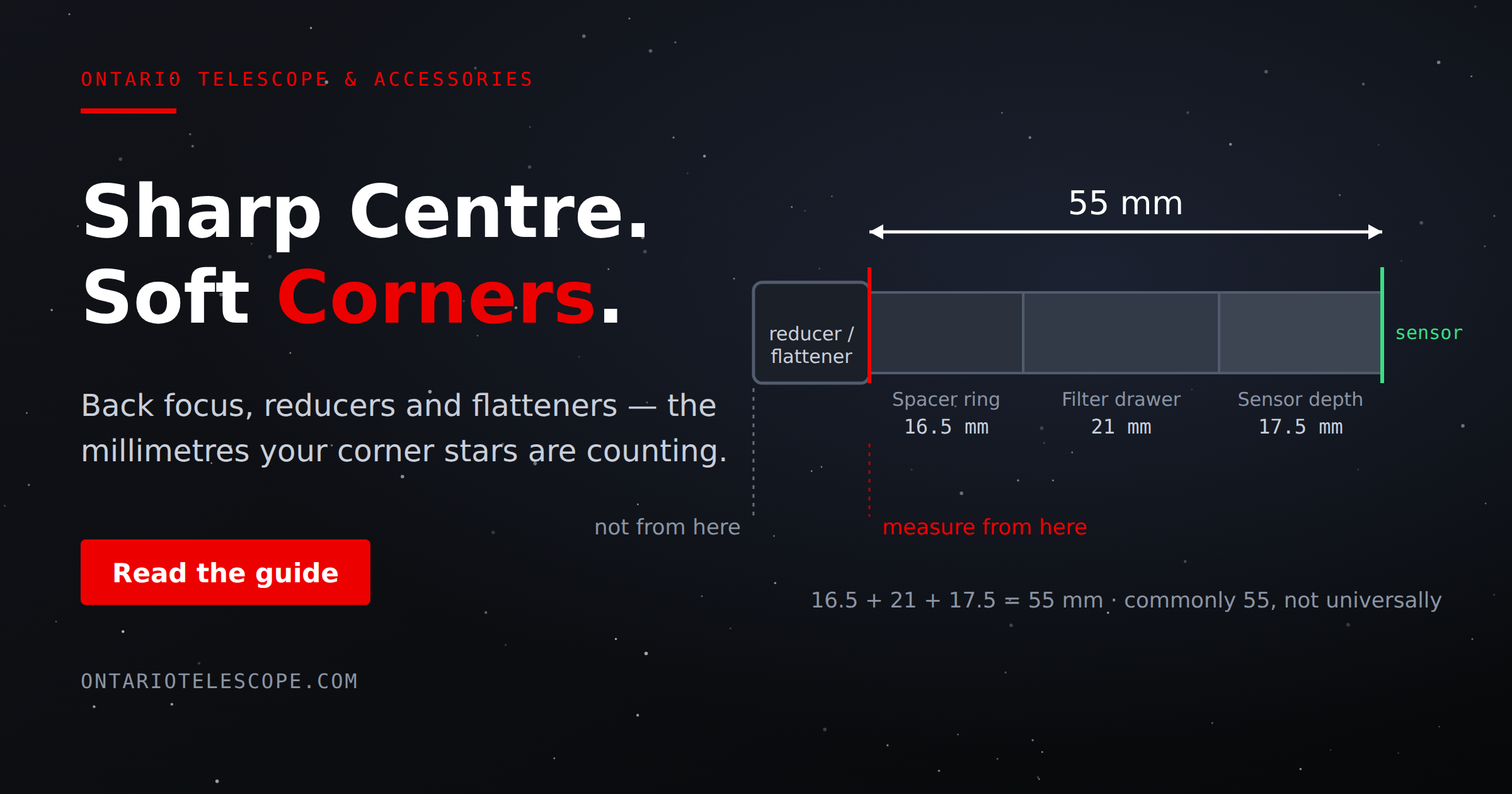
What Is Back Focus in Astrophotography? Telescope Reducers, Flatteners, and Spacing Explained
Read More