


- Description
- Specifications
Product Overview
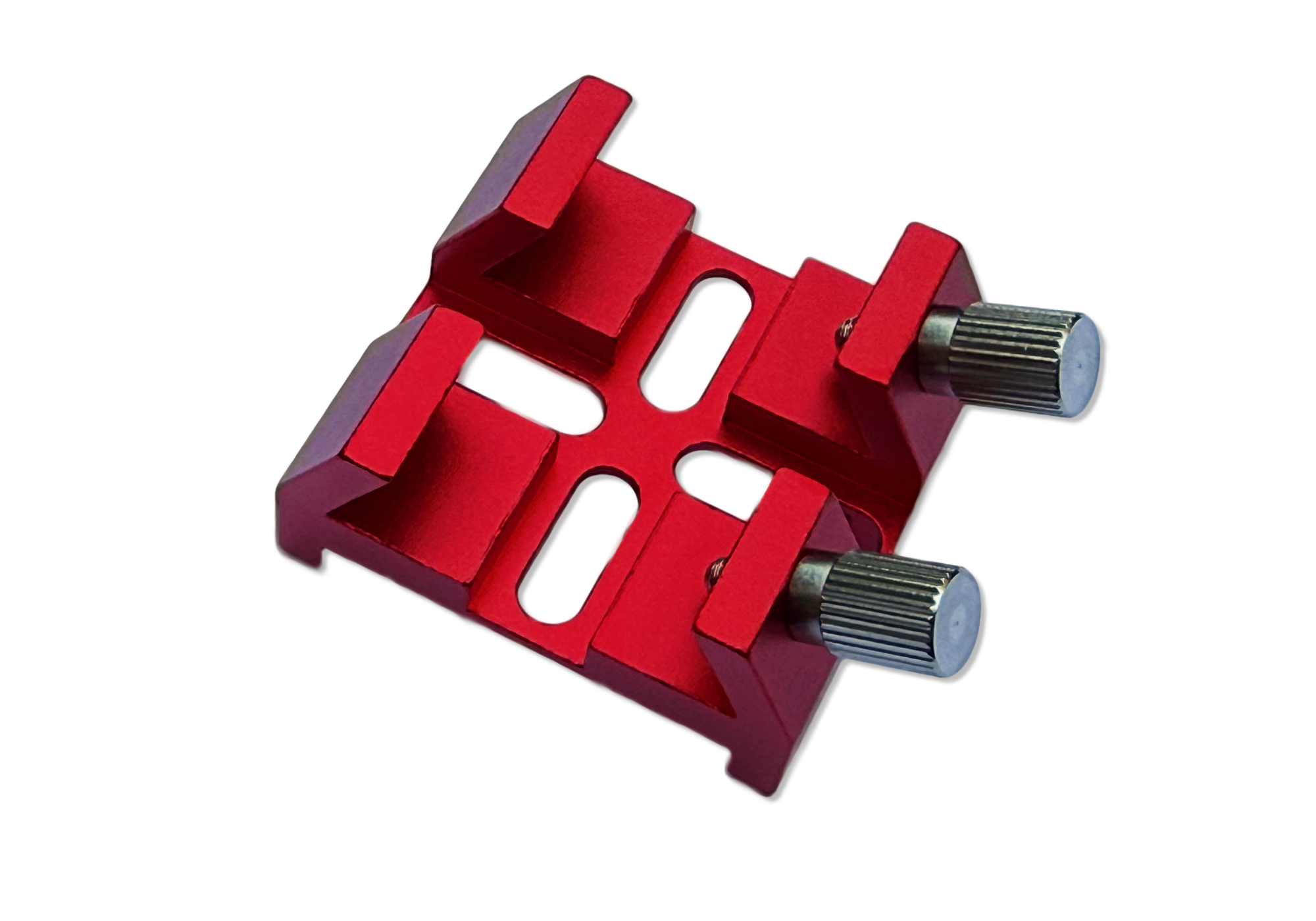
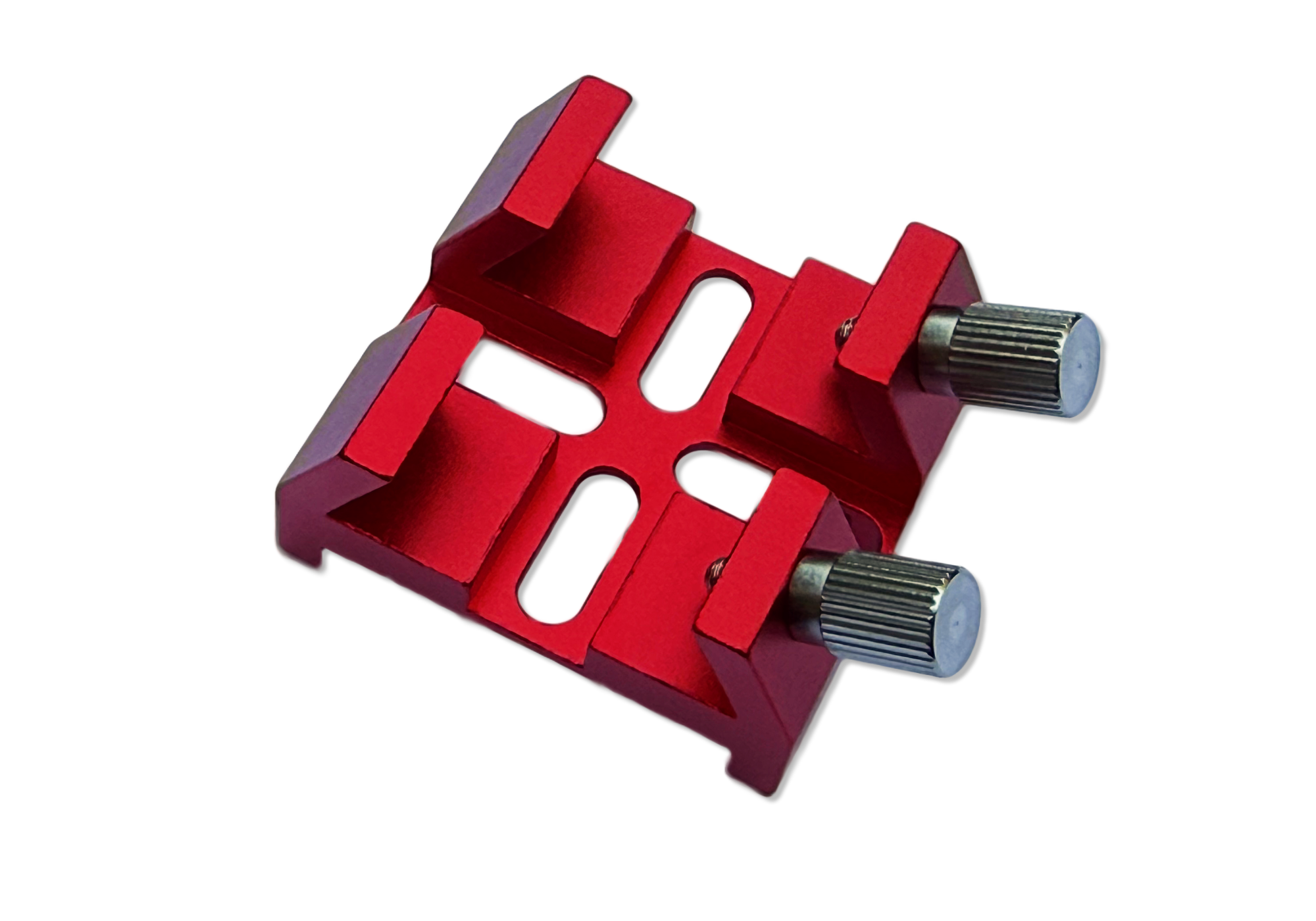
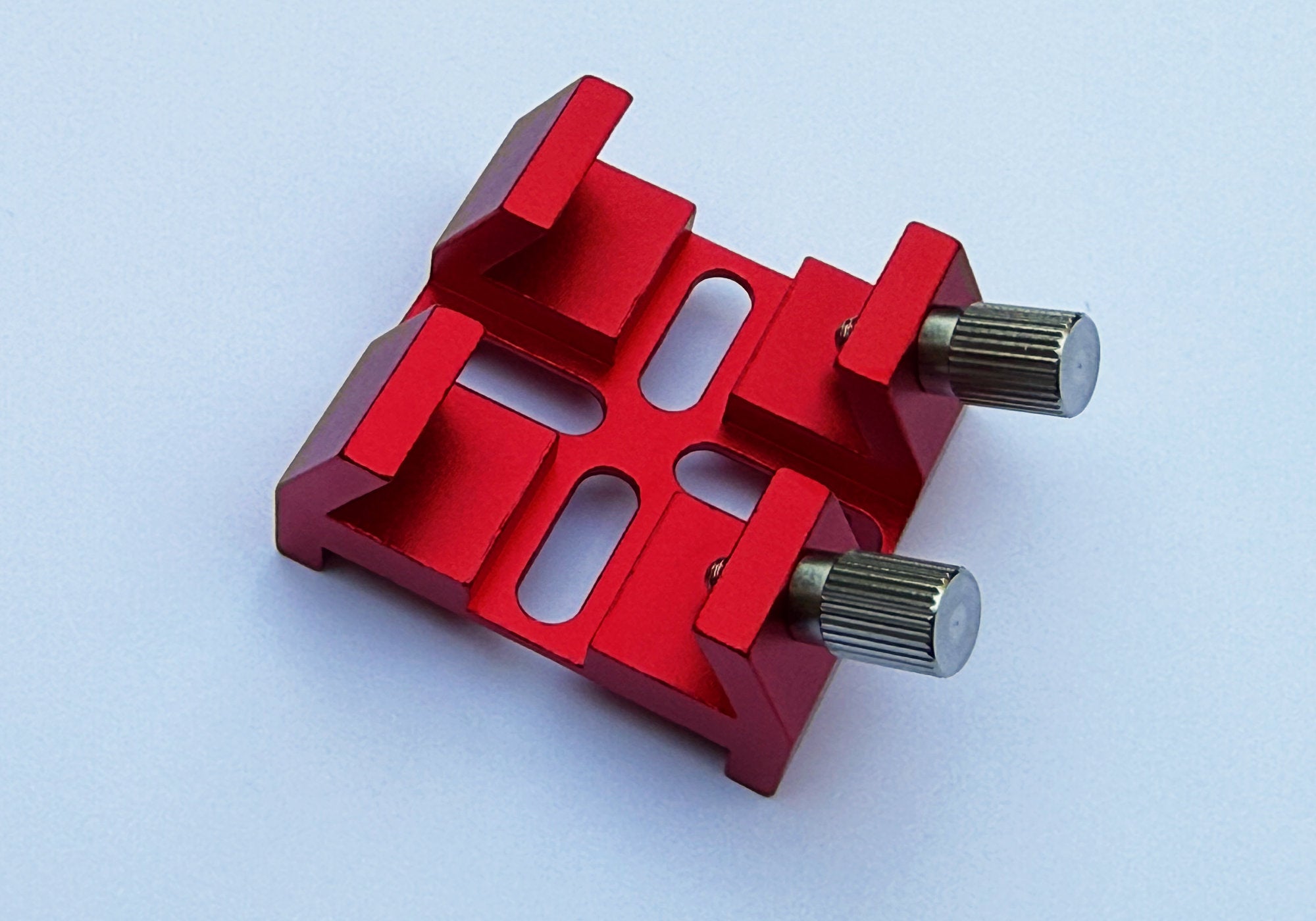
The Astro Devices Nexus eFinder Dovetail Clamp is a standard Vixen-style dovetail clamp that gives you a second way to attach the Nexus eFinder to your telescope. Instead of mounting the eFinder in place of your existing view finder, this clamp lets you keep the finder you already use and site the Nexus eFinder wherever it suits your optical tube. It ships with the clamp itself and four M4 screws, and weighs 60 g.
Who It's For
This clamp is for anyone running a Nexus eFinder who wants to preserve their telescope's original view finder. If your tube has a spare Vixen-style dovetail location, or you plan to add one, the clamp holds the eFinder there so both instruments stay on the scope at once.
Key Features & Design
- Standard Vixen profile: matches the common Vixen-style dovetail so it drops onto widely used finder shoes and bases.
- Alternate mounting option: installs the Nexus eFinder elsewhere on the telescope rather than replacing the existing view finder.
- Hardware included: supplied with four M4 screws for attaching the clamp.
- Light footprint: the clamp weighs 60 g, adding minimal load to the tube.
Recommended Uses
Use this clamp when you want the Nexus eFinder mounted independently of your optical finder, so you can point and align the eFinder from a position that clears your eyepiece, camera, or other accessories. It suits observers who prefer to keep a familiar view finder in place while adding the eFinder to the same telescope.
Compatibility and Accessory Notes
The clamp is a standard Vixen dovetail clamp intended for the Nexus eFinder. It attaches with the four included M4 screws. Any Vixen-style dovetail bar or base on your telescope provides a location for it.
Good to Know Before You Order
- What's in the box: one dovetail clamp and four M4 screws.
- Published weight: 60 g.
- Purpose: this is an accessory clamp for the Nexus eFinder; the eFinder itself is sold separately.
Frequently Asked Questions
Is it difficult to set up?
No. The clamp is a standard Vixen-style dovetail that attaches with the four included M4 screws, and the Nexus eFinder seats into it.
Does it replace my view finder?
No. It exists so you can keep your telescope's view finder and mount the Nexus eFinder elsewhere on the tube.
What is included?
The dovetail clamp and four M4 screws.
What does it fit?
It is a standard Vixen dovetail clamp for the Nexus eFinder and seats on Vixen-style dovetail locations.
Bottom Line
The Nexus eFinder Dovetail Clamp is a simple, 60 g Vixen-style clamp with the screws you need to add a Nexus eFinder to your telescope while leaving your existing view finder in place.
| Type | Standard Vixen-style dovetail clamp |
|---|---|
| Fits | Nexus eFinder |
| Included hardware | 4 x M4 screws |
| In the box | Dovetail clamp, 4 x M4 screws |
| Weight | 60 g |
| SKU | EFDT001 |
You may also like
Recently viewed
Recent Blog Posts
View all
Your Guide Graph Is Lying to You
Read More

D-Size vs V-Size: A Complete Guide to Telescope Dovetail Systems
Read More

What Is Back Focus in Astrophotography? Telescope Reducers, Flatteners, and Spacing Explained
Read More