


- Description
- Specifications
The Askar 160APO is a high-quality large-aperture 160mm f/7 triplet air-spaced apochromatic refractor from Askar (Jiaxing Sharpstar Optical Instrument Co., Ltd.). Sitting above the 140APO in the APO series, the 160APO offers substantially more light-gathering power, a longer focal length of 1120mm, and an engineering package designed to handle heavy camera and accessory loads — all with the premium optical correction and mechanical refinement the APO series is known for.
Who Is This Product Best For?
- Advanced astrophotographers who need maximum aperture in a refractor for high-resolution deep-sky imaging
- Observatory builders setting up a dedicated permanent or semi-permanent imaging platform
- Galaxy and globular cluster imagers who benefit from the 1120mm focal length for fine detail
- Experienced visual observers seeking a premium large-aperture refractor
Why Choose This Product?
- 160mm f/7 triplet APO optics with one ED glass element for exceptional colour correction at large aperture
- Integrated retractable rear lens tube (115mm) with rudder-type locking ring — binoviewer-ready when contracted, full imaging access when extended
- 3.5" dual-speed rack-and-pinion focuser with 1:10 fine adjustment and 10cm travel, CNC machined with anti-reflective interior
- 360° high-precision rotator with locking scale markings
- 400mm Losmandy dovetail plate included — engineered for the weight of this instrument on heavy-duty mounts
- Two finder scope bases flanking the focuser
- EAF-compatible focuser for motorized autofocus
- Ships in a protective aluminum case for safe storage and transport
- Optional 1x flattener (f/7) and 0.8x reducer (f/5.6) available separately
- Unique identification name ring on every unit
Recommended Uses
- High-resolution deep-sky astrophotography with full-frame and APS-C cameras
- Galaxy imaging where 1120mm focal length delivers fine structural detail
- Emission nebula and narrowband imaging with LRGB, SHO filter sets
- Visual observing with 1.25" or 2" eyepieces and diagonals
- Binoviewer use (rear tube contracted)
- Wide-field imaging with the optional 0.8x reducer at f/5.6
Compatibility and Accessory Notes
- Rear thread: M84 female; includes 2"/1.25" visual adapters
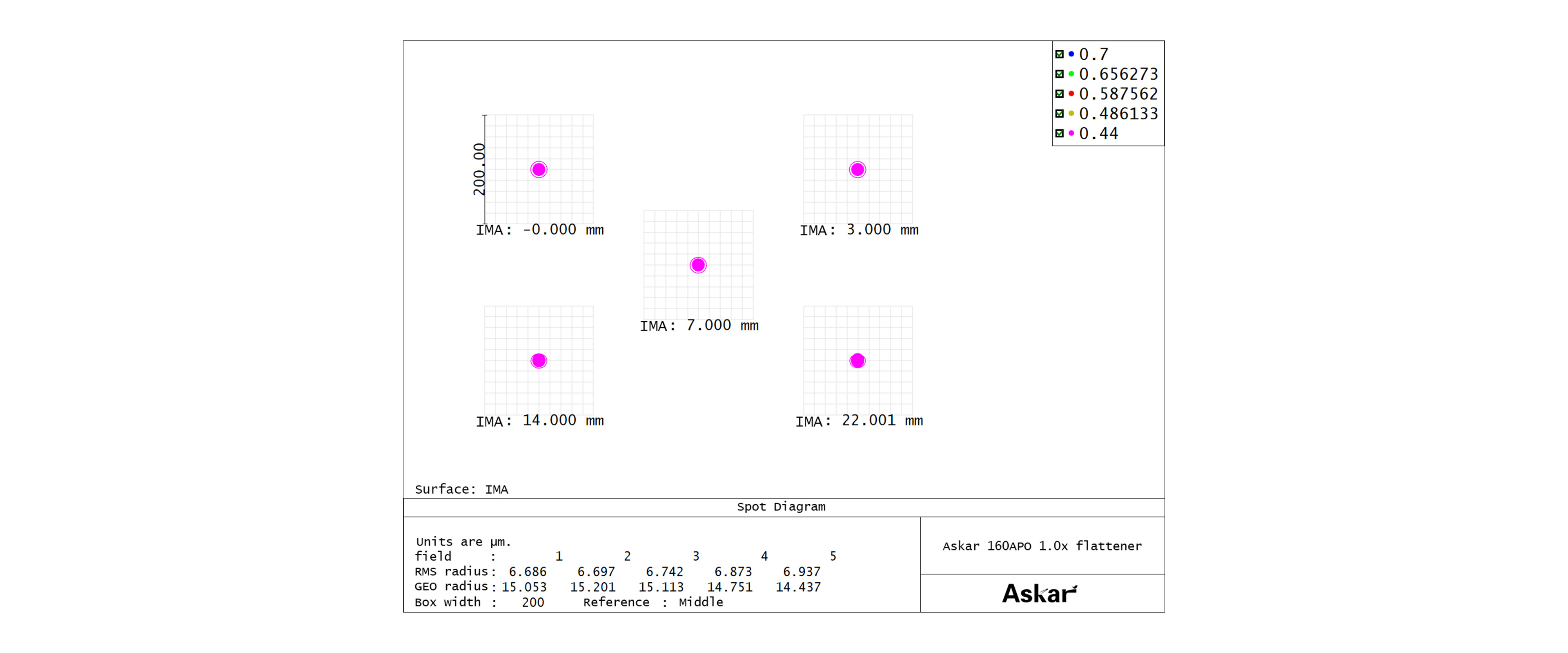
- Optional 1x flattener: maintains f/7; corrects field curvature and coma; built-in filter thread and adapter set
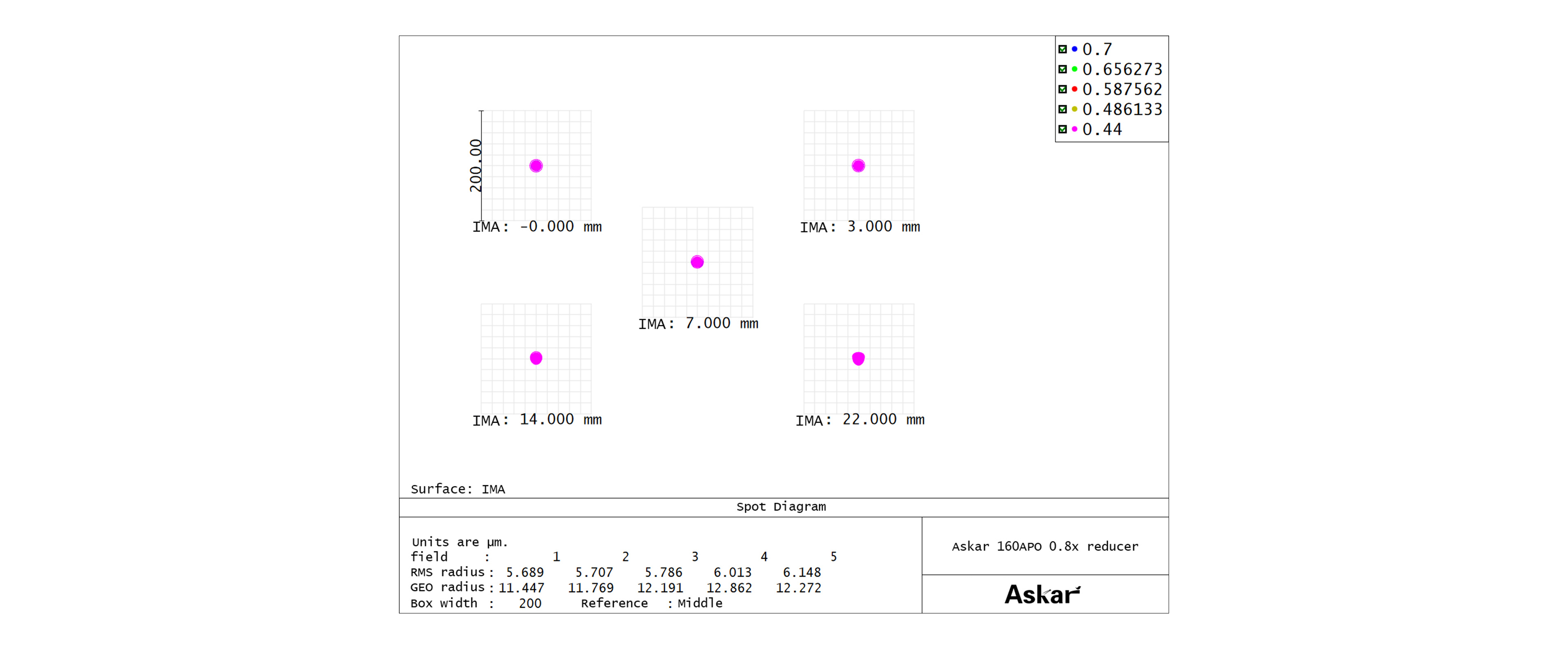
- Optional 0.8x reducer: reduces to f/5.6; field flattening included; adapter set included
- Dovetail: 400mm Losmandy standard (included)
- EAF: Compatible with ZWO EAF and most motorized focusers (sold separately)
- Binoviewer: Rear tube contracts for binoviewer compatibility
Important Limitations
- At 13.6kg gross weight, requires a very high-payload equatorial mount — look for at least 20–25kg imaging capacity
- A flattener is strongly recommended for full-frame astrophotography
- This is an advanced instrument for experienced imagers only — not suitable for beginners
- Flattener, reducer, EAF, and additional accessories sold separately
- Due to size and weight, best suited for observatory or semi-permanent setups
Frequently Asked Questions
How does the 160APO differ from the 140APO?
The 160APO has a 31% larger aperture area, a longer 1120mm focal length (vs 980mm), a larger 400mm Losmandy dovetail, and ships in an aluminum case instead of an Oxford cloth bag. It requires a heavier mount and is better suited to permanent or observatory setups.
What mount does it need?
At 13.6kg gross, look for mounts with 20–25kg imaging payload — for example, a Skywatcher EQ8, iOptron CEM120, or equivalent. The included 400mm Losmandy dovetail provides excellent balance options.
Is the retractable tube stable for imaging?
Yes. The retractable rear tube is engineered for rigidity — the optical axis is maintained when extended, and the rudder-type locking ring holds it securely under camera loads.
Do I need the flattener for astrophotography?
For full-frame sensors, yes — the optional 1x flattener ensures sharp stars edge-to-edge. The 0.8x reducer also provides field flattening while shortening to f/5.6 for faster exposures.
Can I use it for visual observing?
Yes. It accepts 1.25" and 2" eyepieces and diagonals, and is binoviewer-compatible with the rear tube contracted.
Our Recommendation
The Askar 160APO is one of the most capable large-aperture APO refractors available in its price class. Its combination of 160mm optics, long focal length, large Losmandy dovetail, and premium focuser makes it ideal for high-resolution deep-sky imaging — especially galaxies and faint emission nebulae where aperture and focal length make a real difference. Best matched to users with a heavy-payload equatorial mount and an established astrophotography setup. Not recommended for beginners or portable rigs.
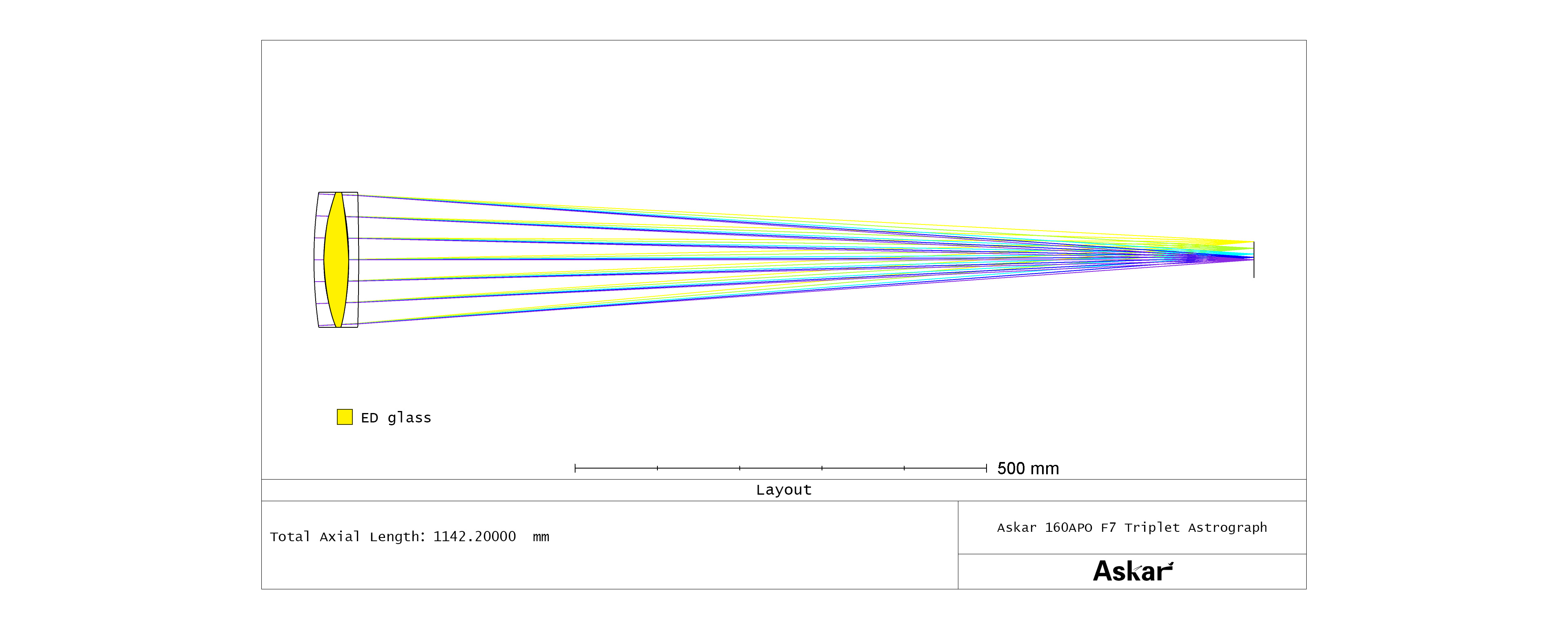
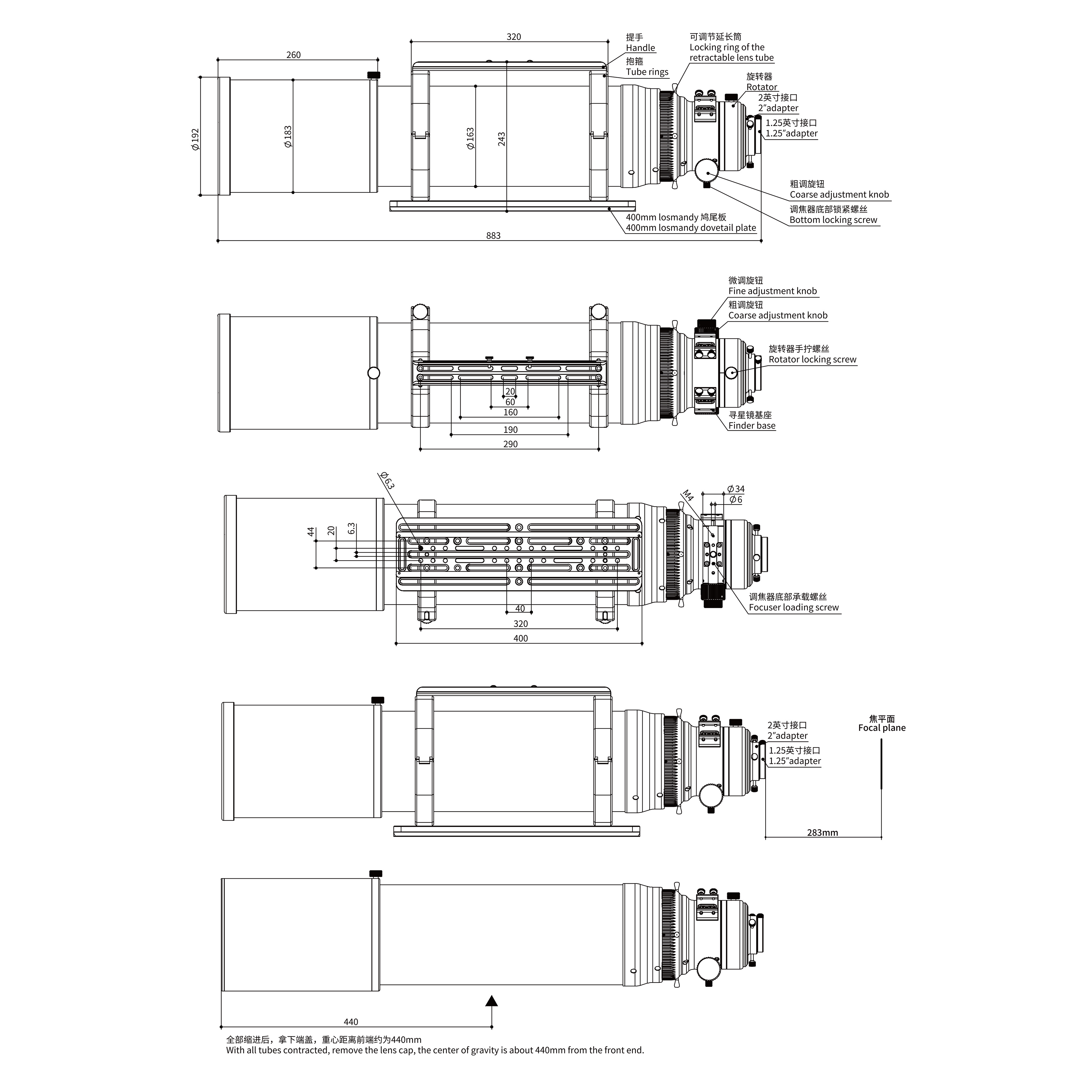
Optical Diagram Reports
The following optical reports and technical diagrams are provided by Askar for the 160APO:
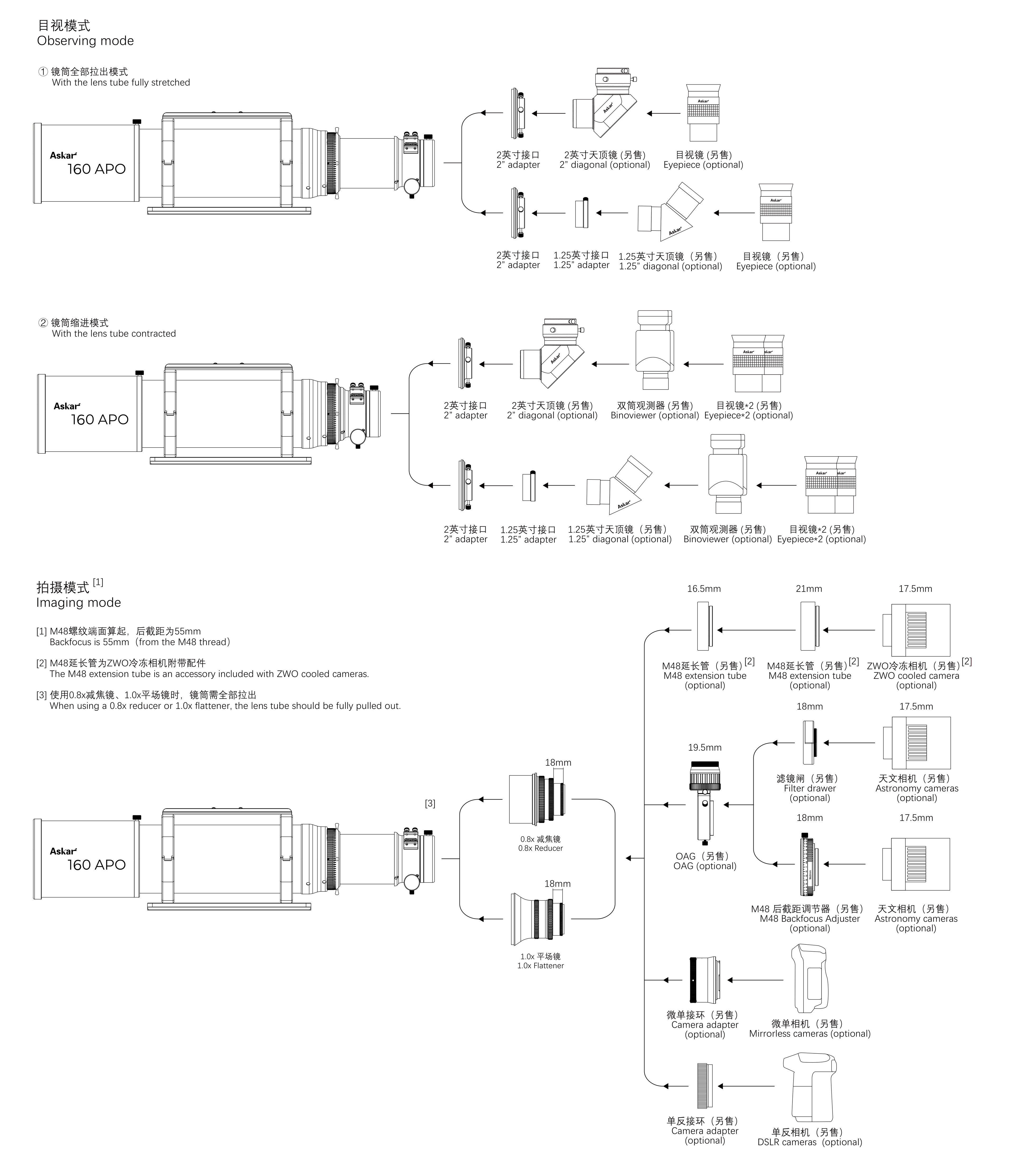
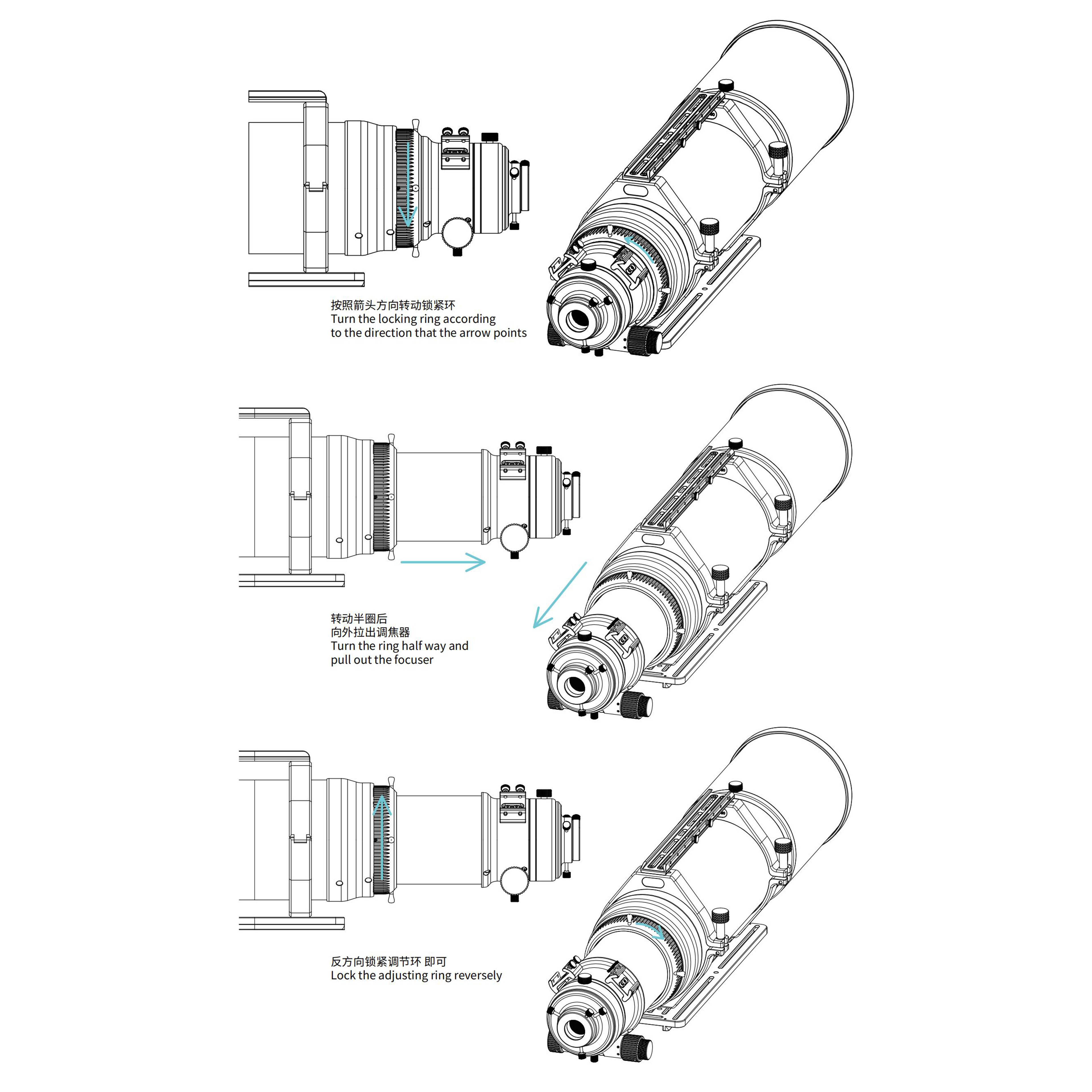
| Product Type | Triplet Air-Spaced APO Refractor Telescope |
|---|---|
| Aperture | 160mm |
| Focal Length | 1120mm |
| Focal Ratio | f/7 |
| Objective Lens | Triplet air-spaced APO (including one ED glass element) |
| Focuser | 3.5" dual-speed rack and pinion (R&P), 1:10 fine adjustment, 10cm travel |
| Rotator | 360° high-precision rotator with locking scale |
| Rear Thread | M84 female thread; includes 2"/1.25" visual adapters |
| Retractable Rear Tube Length | 115mm |
| Dew Shield | Retractable |
| Finder Bases | 2 (one on each side of the focuser) |
| Dovetail Plate | 400mm Losmandy standard (included) |
| Total Length (dew shield contracted) | 883mm |
| Total Length (dew shield extended) | 996mm |
| OTA Weight | 11.4kg |
| Gross Weight (with tube rings and dovetail) | 13.6kg |
| EAF Compatibility | Yes (ZWO EAF and most third-party motorized focusers) |
| Binoviewer Compatible | Yes (rear tube contracted) |
| Shipping Case | Aluminum case |
| Optional Accessories | 1x Full-Frame Flattener (f/7), 0.8x Full-Frame Reducer (f/5.6), ZWO EAF |
| Standard Package | 160APO OTA, pair of tube rings, handle, 400mm Losmandy dovetail plate, aluminum case, manual |
| Primary Use | Astrophotography and Visual Observing |
You may also like
Recently viewed
Recent Blog Posts
View all
Your Guide Graph Is Lying to You
Read More

D-Size vs V-Size: A Complete Guide to Telescope Dovetail Systems
Read More

What Is Back Focus in Astrophotography? Telescope Reducers, Flatteners, and Spacing Explained
Read More