


- Description
- Specifications
Product Overview
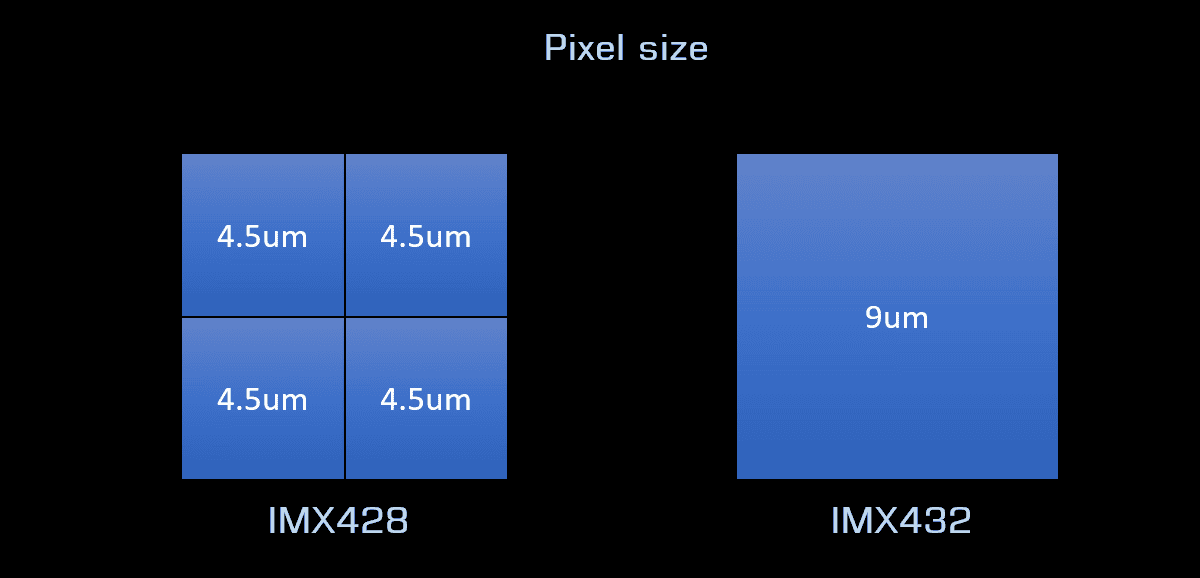
The Apollo 428M MAX is a high-speed monochrome astronomy camera from Player One Astronomy, built around Sony's 1.1" IMX428 global-shutter CMOS sensor. Its 7.1-megapixel array (3216×2208, 4.5 µm pixels, 17.5 mm diagonal) reads every pixel simultaneously, so full-disk solar and high-contrast lunar-planetary subjects are captured without rolling-shutter distortion or the horizontal banding that can affect fast readout. This is the non-cooled member of the Apollo 428M family, using a passive cooling body.
Who It's For
This is a good match if you image the Sun in monochrome — full-disk and close-up Ha, Ca-K or white-light through the appropriate filters — and want the frame integrity of a global shutter. It also suits lunar and planetary high-frame-rate capture where a large, fast global-shutter sensor helps freeze seeing.
Key Features & Design
- Sony IMX428 global-shutter CMOS: distortion-free capture of moving or rapidly changing subjects such as the solar surface.
- 7.1 MP resolution: 3216×2208 pixels at 4.5 µm across a 1.1" (17.5 mm) sensor — large enough to frame the full solar disk at moderate focal lengths.
- No banding: the readout is engineered to avoid the horizontal banding that shows up in demanding solar and planetary stacks.
- High frame rates: 51 fps at 10-bit (27 fps at 12-bit) at full resolution over USB3.0.
- Low read noise: 5.5 e− down to 1.4 e− at high gain, 25.3k e− full well (100k e− in hardware BIN2).
- 256 MB DDR3 buffer: steadies the high-speed data stream.
Optical / Mechanical Design
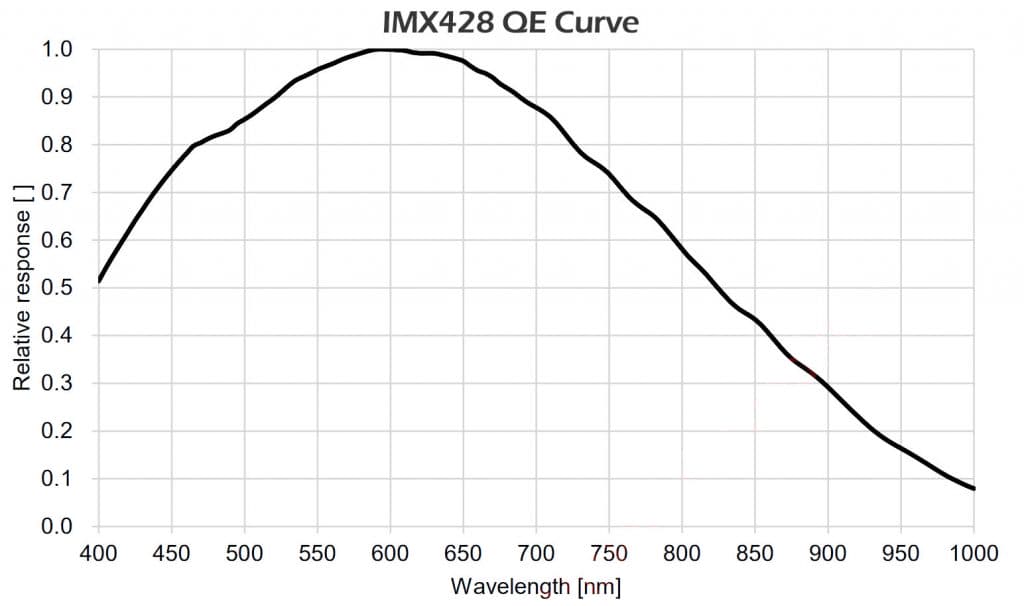
The IMX428 is a 1.1" global-shutter monochrome CMOS with 4.5 µm pixels. Full-well capacity is 25.3k e− (100k e− in hardware BIN2 mode), read noise ranges 5.5 e− to 1.4 e−, digitised at 12-bit, with peak QE near 79%. At full resolution it reaches 51 fps in 10-bit and 27 fps at 12-bit over USB3.0. Sensor-to-flange backfocus is 12.5 mm and the AR-coated D32×2 mm window sits ahead of the sensor. The 66 mm body terminates in a 1.25" / M42×0.75 interface. Cooling is passive; an optional Active Cooling System (ACS) is available separately.
Recommended Uses
- Solar imaging: full-disk and detailed Ha, Ca-K or white-light capture through the appropriate solar filters.
- Lunar imaging: high-frame-rate mosaics of the lunar surface.
- Planetary imaging: lucky imaging of the brighter planets in monochrome or through filters.
Compatibility and Accessory Notes
The camera presents a 1.25" nosepiece and M42×0.75 rear, with 12.5 mm of backfocus to account for. Data runs over USB3.0 (backward compatible with USB2.0), powered from the same USB connection — no separate power supply is needed for the camera itself. As a monochrome camera it images through external filters; solar work uses a dedicated solar filter or Ha etalon system. For longer exposures an optional Active Cooling System can be added.
Good to Know Before You Order
- It is a monochrome camera: it images through filters — a solar Ha/Ca-K/white-light filter for the Sun, or LRGB/narrowband for other targets.
- Non-cooled by default: passive cooling suits high-frame-rate solar and planetary capture; an optional Active Cooling System extends it toward longer exposures.
- Solar imaging requires proper solar filtration: the camera is used behind a certified solar filter or dedicated solar telescope, never at an unfiltered telescope.
- Published weight is 160 g: very light on the focuser.
Frequently Asked Questions
Is it difficult to set up?
No. It threads on through its 1.25" / M42 interface and runs entirely over a single USB3.0 cable — no external power needed for the camera.
What is it best used for?
High-frame-rate monochrome solar imaging, plus lunar and planetary capture.
Does it need filters?
Yes — it is a mono camera used behind solar (Ha/Ca-K/white-light) or LRGB/narrowband filters depending on the target.
How does it differ from the Apollo 428M MAX Pro?
This model is non-cooled with a 256 MB buffer; the Pro adds two-stage TEC cooling and a 512 MB buffer for long-exposure work. Both share the IMX428 global-shutter sensor.
Bottom Line
In short: a 7.1 MP IMX428 global-shutter mono camera with no banding and 51 fps readout — a solar, lunar and planetary imager that runs on a single USB cable and accepts an optional cooling system when your work grows into longer exposures.
| Sensor | Sony IMX428, 1.1" CMOS (mono) |
|---|---|
| Shutter | Global shutter |
| Diagonal | 17.5 mm |
| Resolution | 7.1 MP (3216×2208) |
| Pixel size | 4.5 µm |
| Full well | 25.3k e- (100k e- hardware BIN2) |
| Read noise | 5.5~1.4 e- |
| ADC | 12-bit |
| Peak QE | ≈79% |
| Max frame rate | 51 fps (10-bit) / 27 fps (12-bit) at full resolution |
| Interface | USB3.0 / USB2.0 |
| Buffer | 256 MB DDR3 |
| Protective window | D32×2 mm AR Plus multi-layer coating |
| Cooling | Passive (optional Active Cooling System) |
| Back focal length | 12.5 mm |
| Adapter | 1.25" / M42×0.75 |
| Diameter | 66 mm |
| Weight | 160 g |
You may also like
Recently viewed
Recent Blog Posts
View all
Your Guide Graph Is Lying to You
Read More
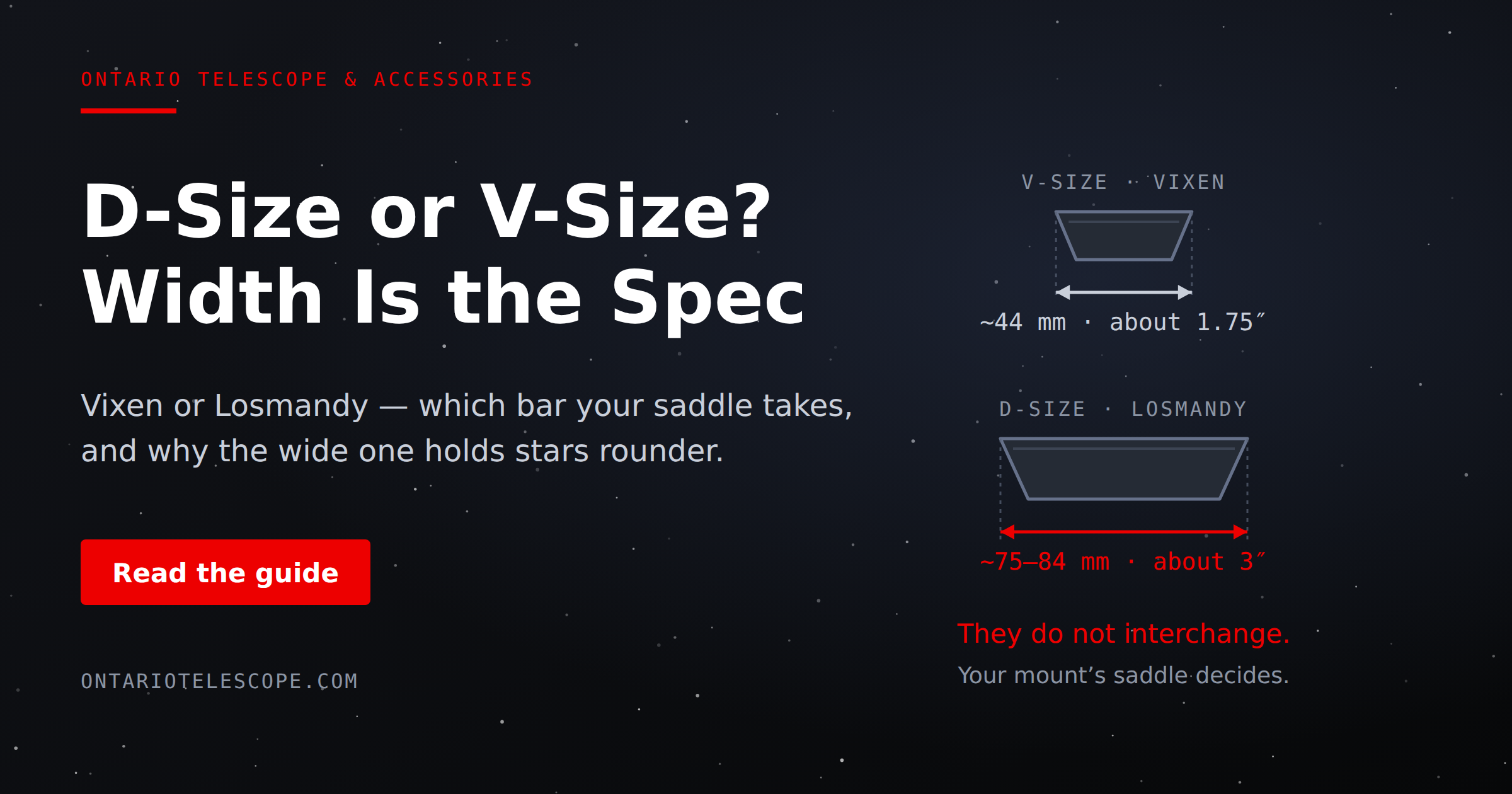
D-Size vs V-Size: A Complete Guide to Telescope Dovetail Systems
Read More
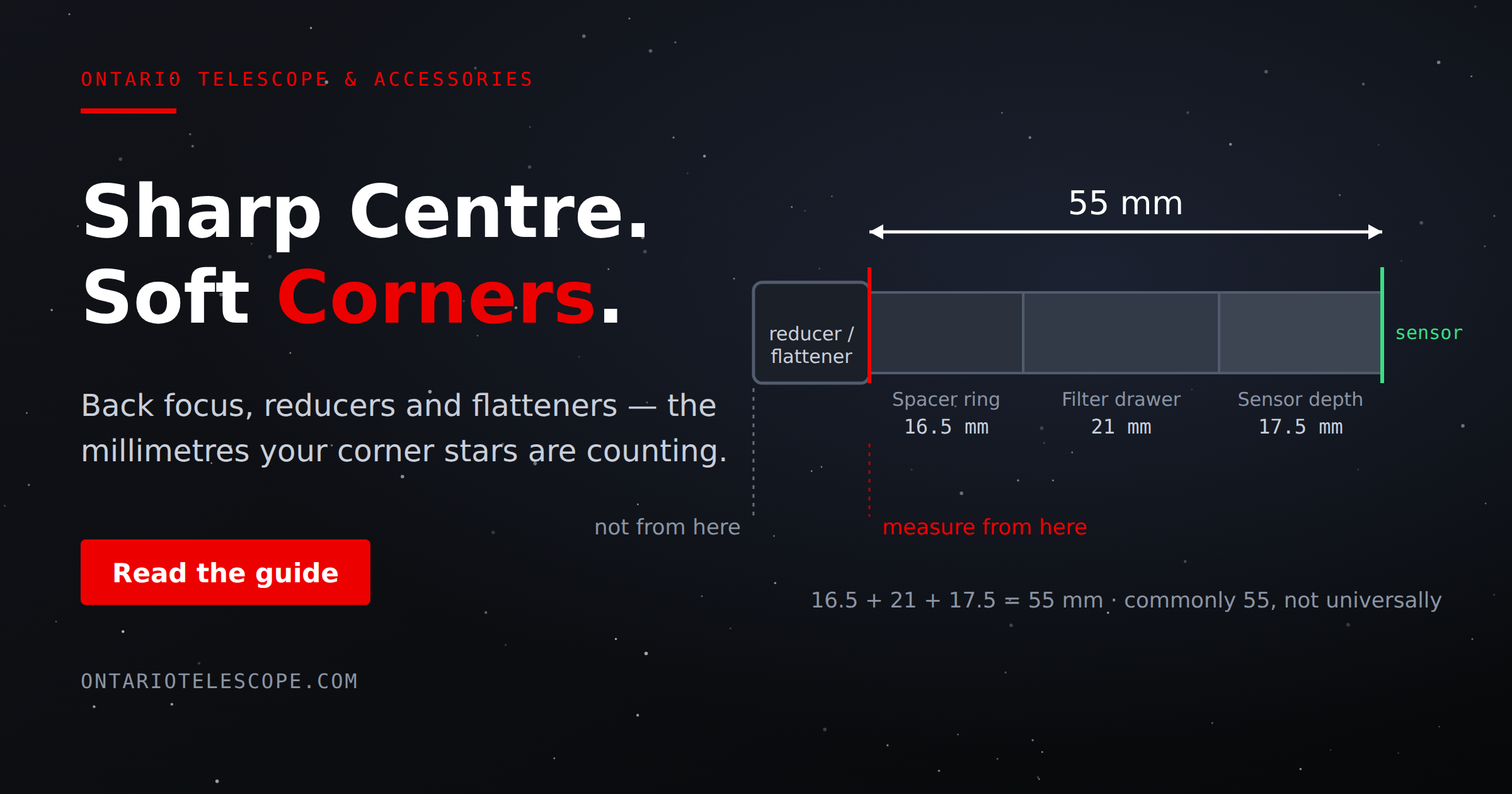
What Is Back Focus in Astrophotography? Telescope Reducers, Flatteners, and Spacing Explained
Read More