


- Description
The Sloan Digital Sky Survery (SDSS) photometric system is the most common filter set used by observatory today. Antlia Photometric Sloan filter set includes four filters covering 400nm to the sensitivity limit of silicon CCD cameras near 1100nm. Ion Gun Assisted Deposition coating technology on the double-sided polished substrate makes them the most consistent, durable and accurate filters. Antlia Sloan filters have almost total suppression of optical density (OD)5,the result is that our photometric sloan filters minimize the already small leakage and create a superior contrast.
Spectrum curve:
 Application and Performance:
Wider transmission windows, which allow fainter objects to be measured in a shorter time
Antlia Sloan griz' filter set is suitable from f/15 to f/1.8
Peak transmission guaranteed > 98%(g’>95%)
Identical filter thickness to existing standards, with utmost care for parfocality
Each filter coated individually, NOT cut out of a larger coatings plate
1/4-wave propagated wavefront prior to coating
Technical Specifications:
|
Filter Name |
Wavelength |
Peak Transmission |
Blocking
|
Filter Thickness for D50mm only |
|
g’ |
400-550nm |
95% |
≥OD5 |
3mm+/-0.05mm |
|
r’ |
555-705nm |
98% |
≥OD5 |
3mm+/-0.05mm |
|
i’ |
688-850nm |
98% |
≥OD5 |
3mm+/-0.05mm |
|
z’ |
>812nm |
98% |
≥OD5 |
3mm+/-0.05mm |
Due to the mediocre quantum efficiency of the cameras in ultraviolet band range, we do not produce u’ (300nm-400nm) filter.
You may also like
Recently viewed
Recent Blog Posts
View all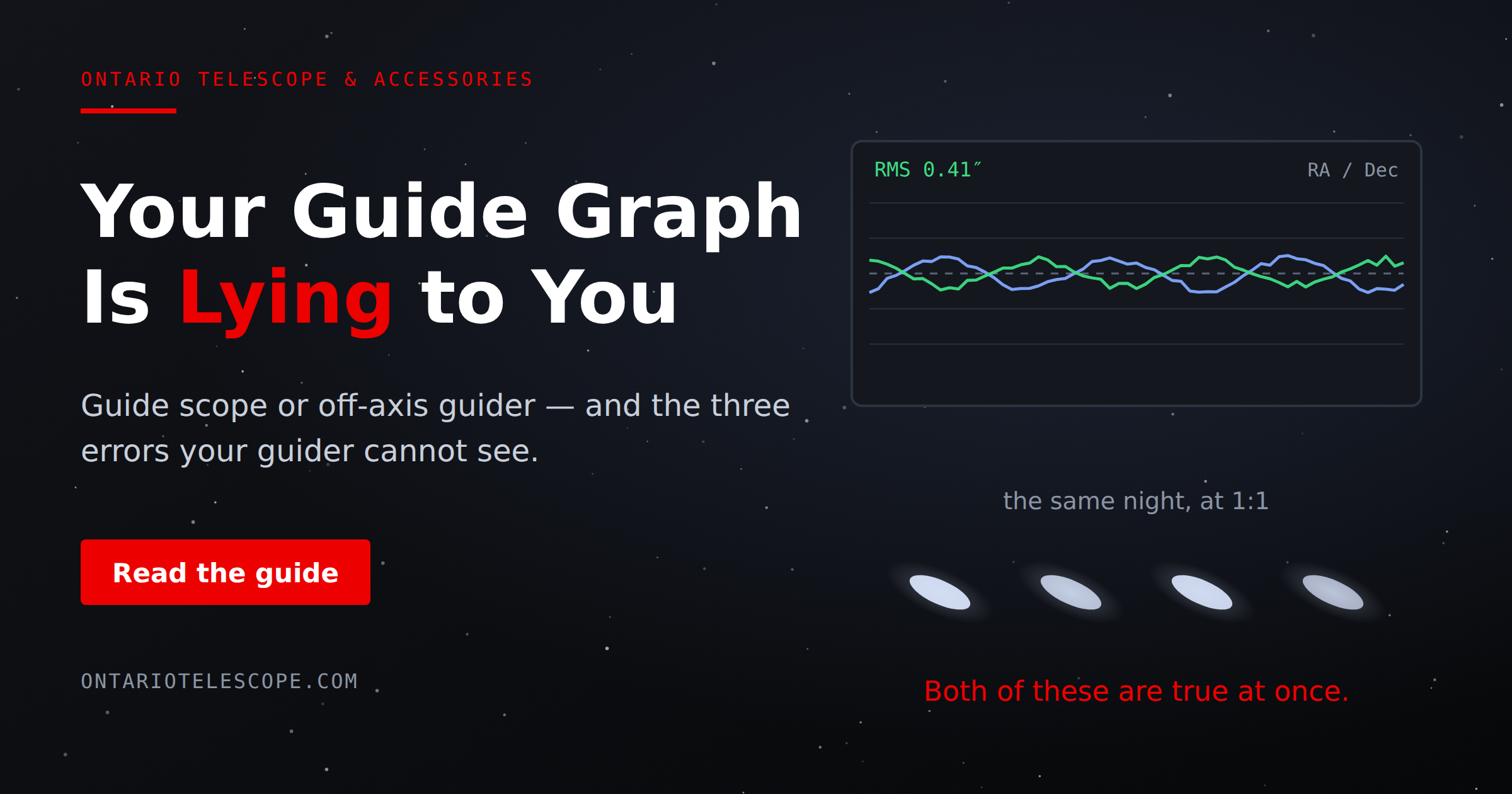
Your Guide Graph Is Lying to You
Read More
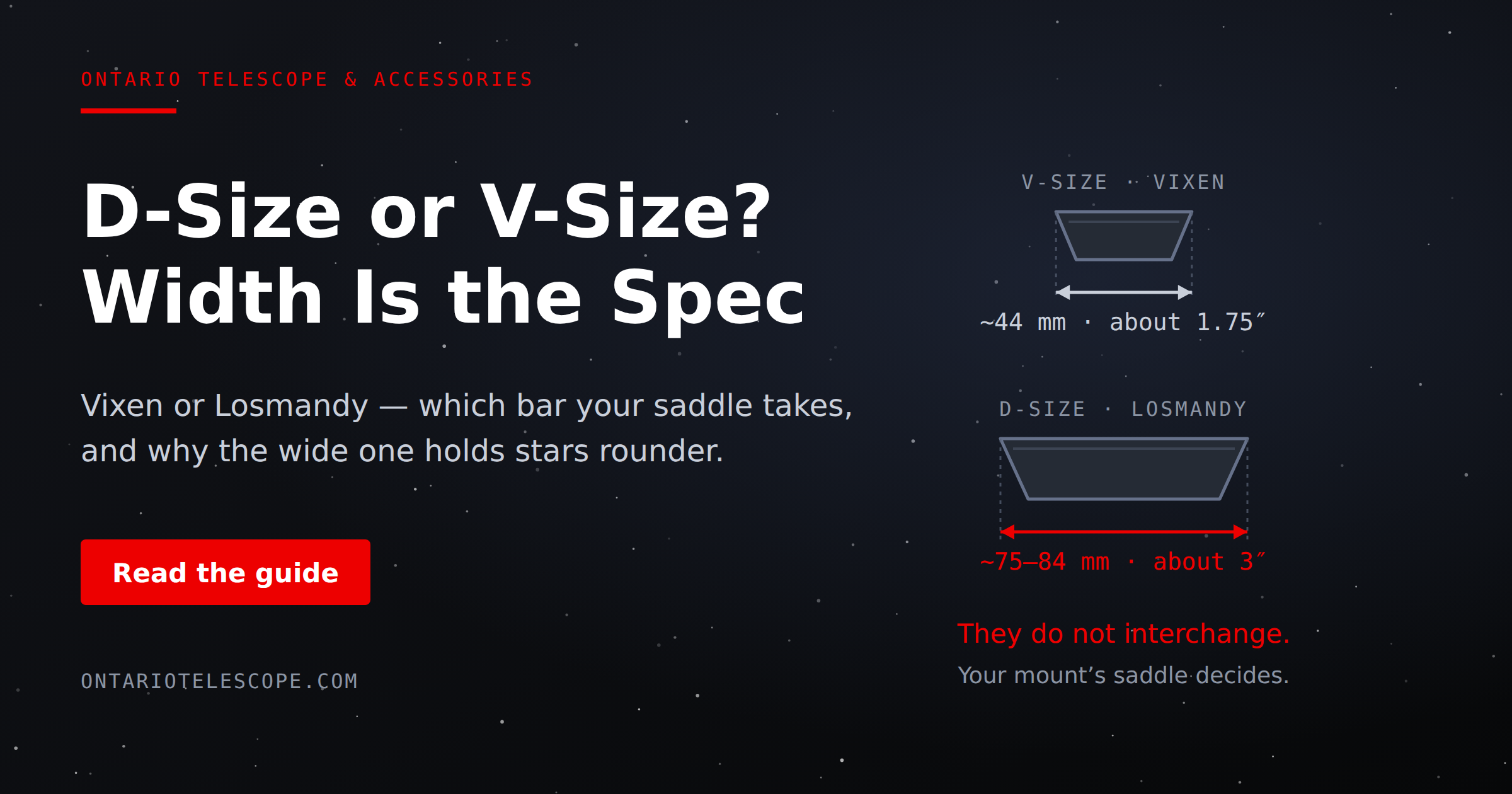
D-Size vs V-Size: A Complete Guide to Telescope Dovetail Systems
Read More
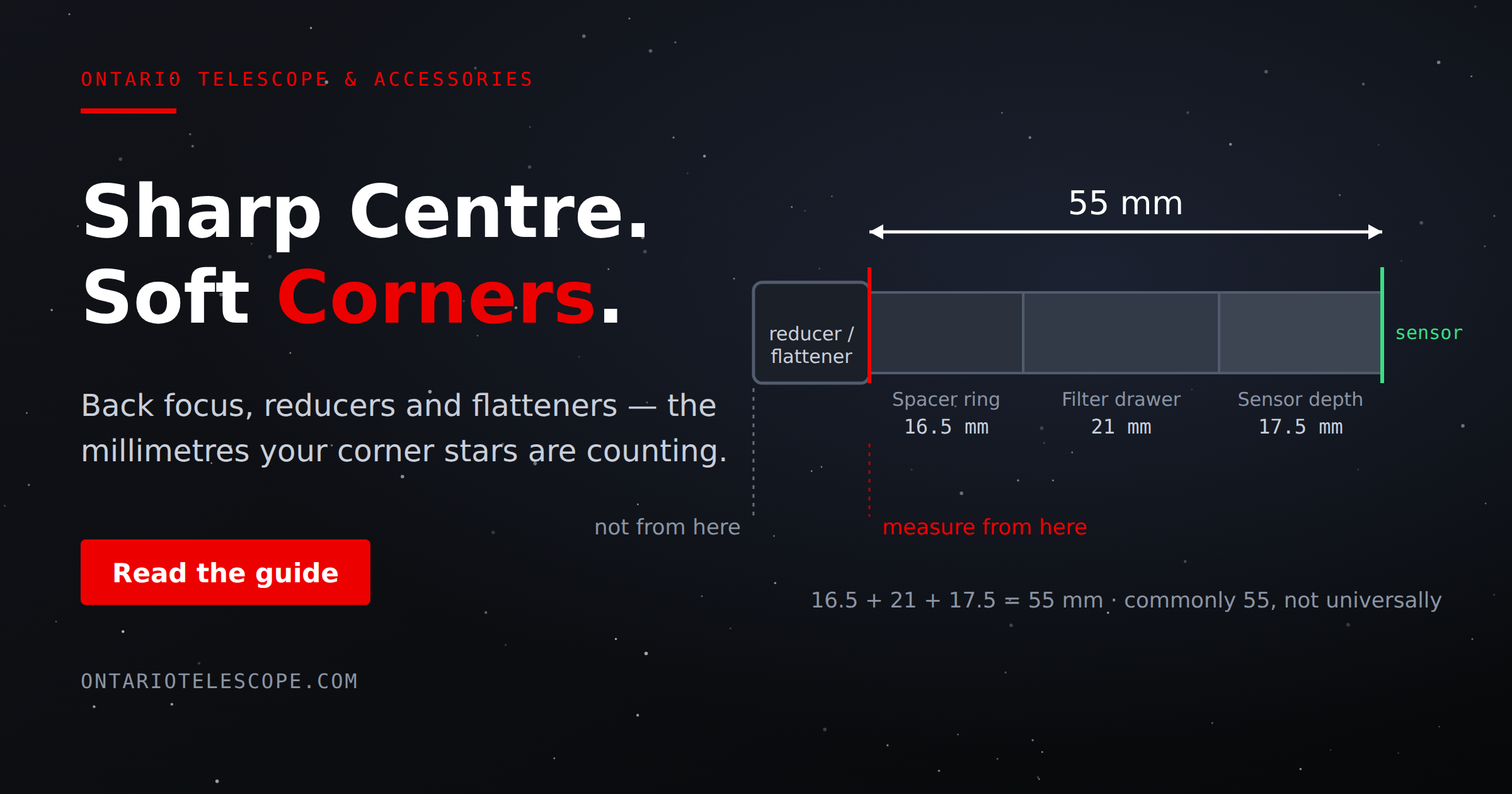
What Is Back Focus in Astrophotography? Telescope Reducers, Flatteners, and Spacing Explained
Read More