


- Description
The Antlia HB-OIII filter is engineered specifically for night visual nebulae observation at high contrast as well as deep-sky astrophotography. Its transmission is 90% or greater at critical wavelengths (OIII 500.7nm, OIII 495.9nm, and H-Beta 486.1nm). You’ll notice a contrast boost to observe Planetary Nebula, Supernova Remnant, Emission Nebula, Diffuse Nebula, and extremely faint nebulae by Antlia HB-OIII filter. When it is used for deep-sky imaging, it enhances the details of the OIII and H-Beta emission lines with astronomical cameras and DSLRs.
The Antlia HB-OIII filter was coated with optical density (OD) 4 for almost total suppression of unwanted wavelengths, and the filter cut-off wavelength is 300-1000nm, which meets the spectral requirements of photographic cameras and further enhances the suppression of the IR region. Compared with the visual filters that have a cut-off depth of OD3@350-750nm, it performs better to darken the sky background and make deep-sky observation and photography of nebulae, star clusters, and galaxies more easily.
The HB-OIII filter helps faint objects become much more visible against the blackened background and produces near-photographic views of the Veil, Dumbbell, and Orion nebula, among many other objects under both light-polluted and dark skies with enough aperture. Since human eyes are less sensitive at night, large aperture telescopes are recommended to gather light and funnel it into the observer's eyes for the best results.
Technical Specifications:
- Center Wavelength for OIII: 500.7nm & 495.9nm
- Center Wavelength for H-Beta: 486.1nm
- Peak Transmission: >90%
- Filter Thickness: 2mm+/-0.05mm
- Surface Quality: 60/40 (Refer to MIL-O-13830)
- Transmitted Wave Front: Lambda/4 or better
- Parallelism: less than 30 arcsec
- OD4 @ 300 - 1000nm
- Filter Size: 1.25" Mounted (28.5*0.6)
You may also like
Recently viewed
Recent Blog Posts
View all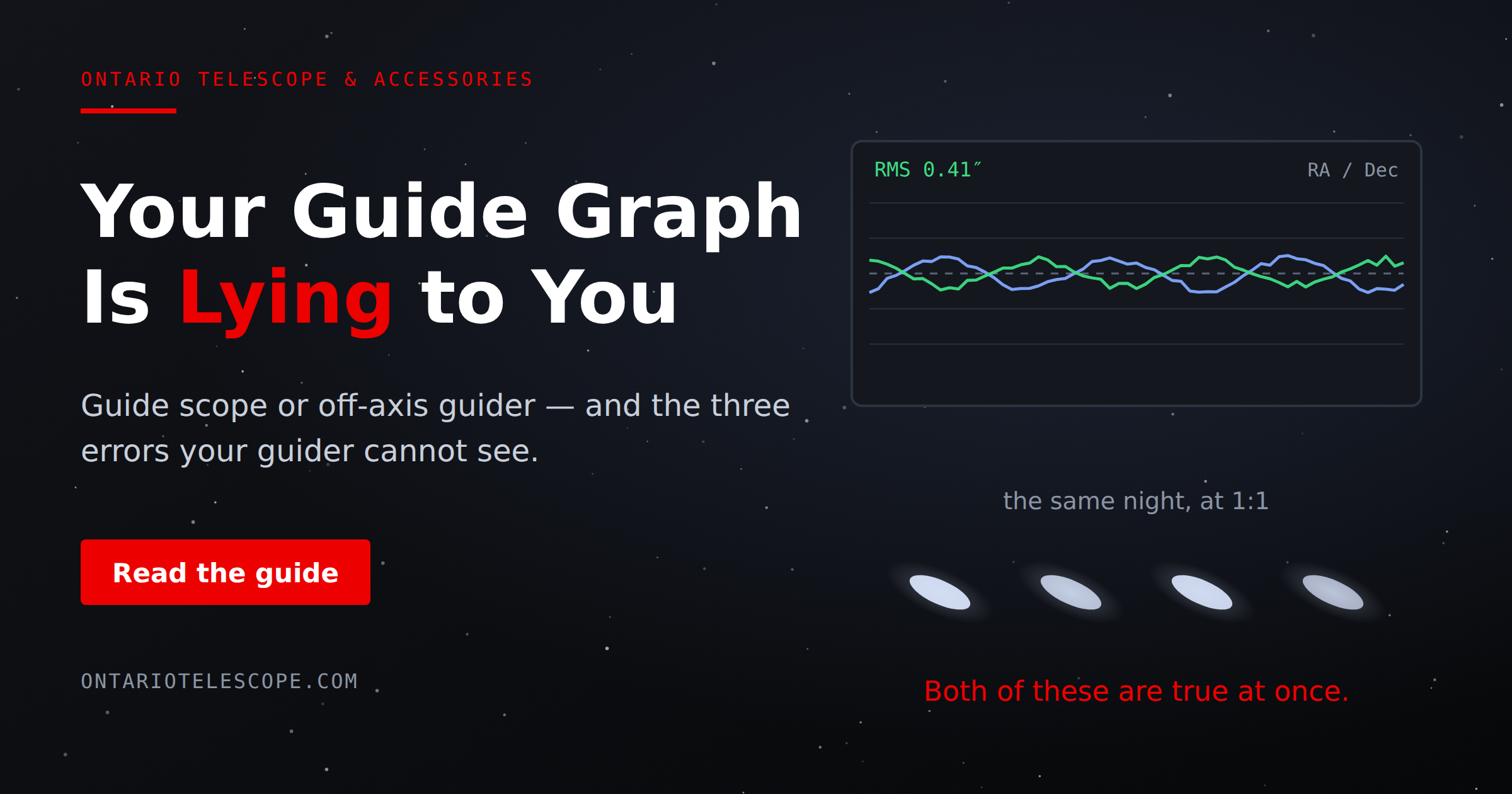
Your Guide Graph Is Lying to You
Read More
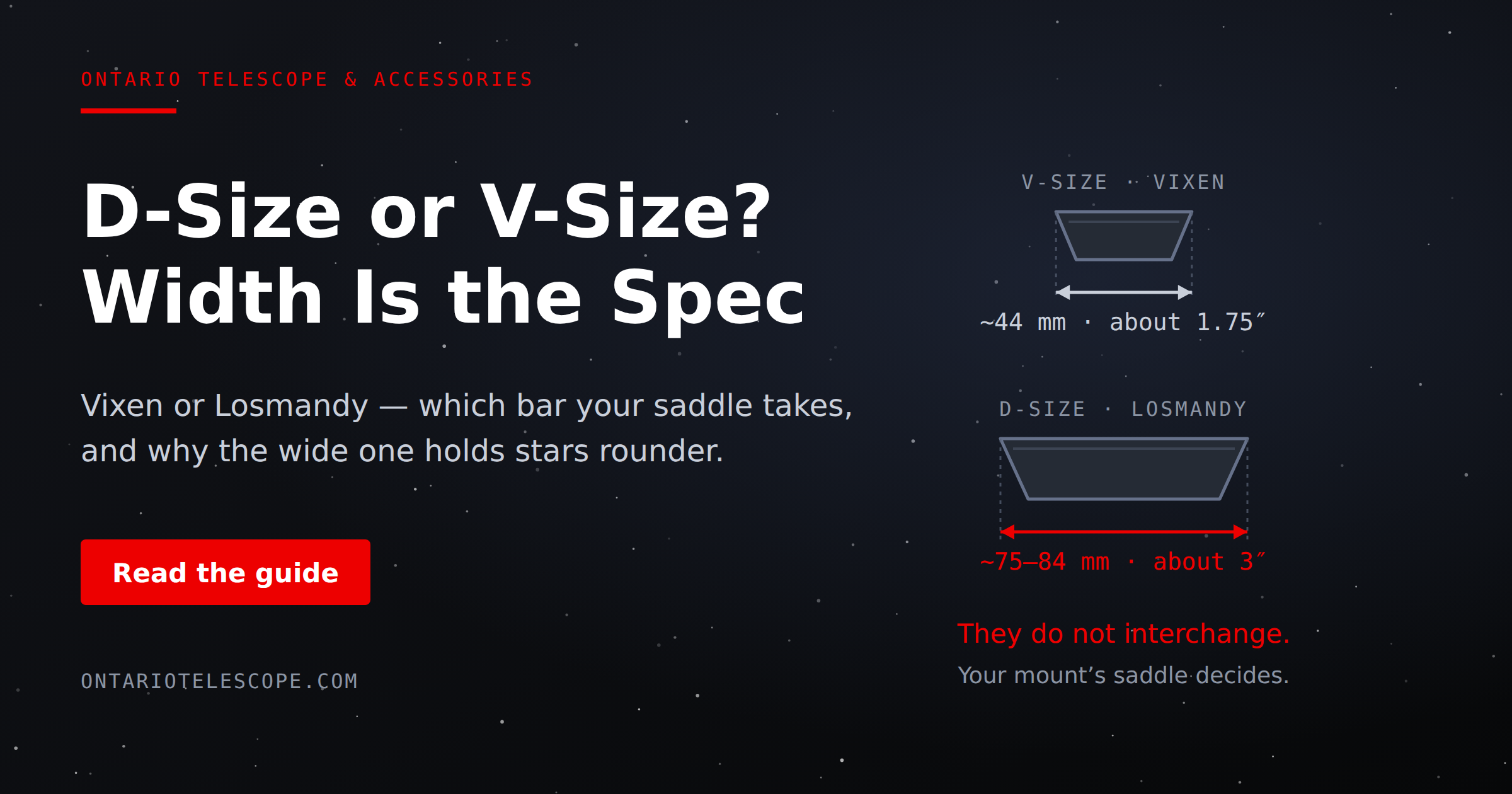
D-Size vs V-Size: A Complete Guide to Telescope Dovetail Systems
Read More
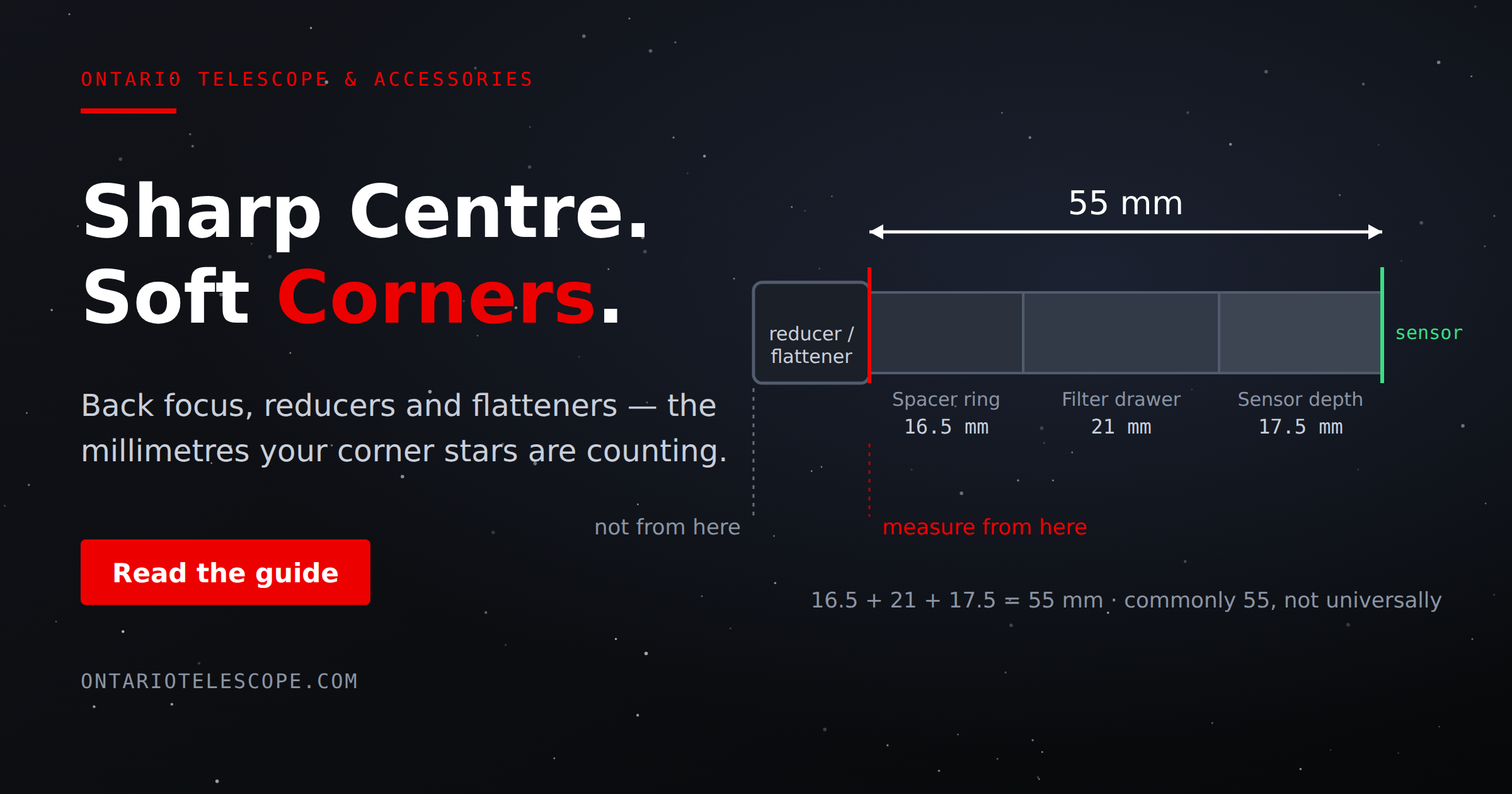
What Is Back Focus in Astrophotography? Telescope Reducers, Flatteners, and Spacing Explained
Read More