

- Description
- Specifications
Product Overview
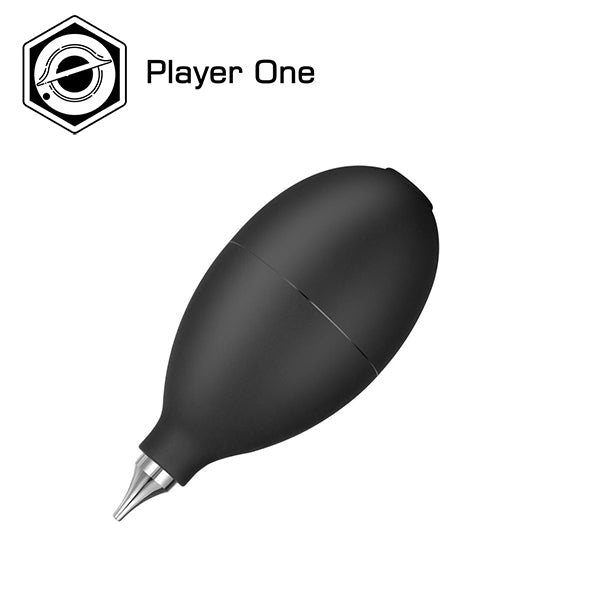
The Player One Astronomy Air Blaster is a manual squeeze-bulb air blower for non-contact dust removal from optical and imaging surfaces. A firm squeeze of the frosted silicone body pushes a burst of air through the metal nozzle, lifting dust from a lens, camera sensor, filter, eyepiece, star diagonal, or other imaging component without anything touching the coated surface. Player One positions it as a way to clear the dust that would otherwise interfere with image quality and to keep your optics clean between sessions.
Who It's For
This is a good match if you image or observe and want a simple, reusable way to clear dust from sensitive surfaces. It suits astrophotographers dusting a camera sensor or filter, visual observers clearing an eyepiece or diagonal, and anyone who would rather blow debris off a coating than wipe it. Air is the first step in any optics-cleaning routine — it removes the loose particles that would scratch if wiped.
Key Features & Design
- Frosted silicone body: the bulb is molded from silicone that Player One describes as durable and comfortable to hold, so repeated squeezing stays easy on the hand.
- Metal intake and outlet tips: both the air intake and the nozzle are metal rather than plastic, for a directed stream and longer service life.
- Non-contact cleaning: air lifts dust without touching the surface, avoiding the scratch risk of dragging loose grit across a coating.
- Reusable, no consumables: there are no cans, propellant, or refills — the blower draws in room air through its intake and pushes it back out.
Recommended Uses
- Clearing dust from a camera sensor or sensor window before an imaging session.
- Dusting the surface of a filter, lens, eyepiece, or star diagonal.
- Removing loose particles ahead of a wet or brush clean, so nothing is dragged across the glass.
- General care of imaging and visual gear between sessions.
Compatibility & Accessory Notes
The Air Blaster is not specific to any camera, telescope, or thread standard — it works on optical and imaging surfaces from any brand, including lenses, camera sensors, filters, eyepieces, and diagonals. It is a mechanical cleaning tool with no electrical or optical connection to your gear.
Good to Know Before You Order
- It moves air, not grime: the blower lifts loose, dry dust. Fingerprints, oil, or stuck-on residue need a proper optics wet-clean; air is the step that comes first.
- Player One does not publish dimensions or a weight: if the exact bulb size matters for your kit, send us a note and we will measure a unit from stock.
Frequently Asked Questions
Is it difficult to set up?
No — there is nothing to assemble. It works straight out of the box, and the metal nozzle directs the air wherever you point it.
Can I use it on a camera sensor?
Yes. Blowing air across the sensor or its window is the safest first step for loose dust, since nothing contacts the surface. Holding the camera face-down lets dislodged particles fall away.
Will it remove fingerprints or smudges?
No. Air clears dry, loose dust only. Oily marks need an optics cleaning fluid and the correct wipe.
What is it made of?
The body is frosted silicone, and both the intake and outlet tips are metal.
Does it use cans or propellant?
No. It draws in and expels room air, so there is nothing to refill or replace.
Bottom Line
In short: a simple, reusable squeeze blower with a silicone body and metal tips that clears loose dust from sensors, lenses, filters, eyepieces, and diagonals without touching the surface — the first tool to reach for in any optics-cleaning routine.
| Brand | Player One Astronomy |
|---|---|
| Type | Manual squeeze air blower (non-contact dust removal) |
| Body material | Frosted silicone |
| Intake & outlet tips | Metal |
| Cleans | Camera sensors, lenses, filters, eyepieces, star diagonals and other imaging surfaces |
You may also like
Recently viewed
Recent Blog Posts
View all
Your Guide Graph Is Lying to You
Read More
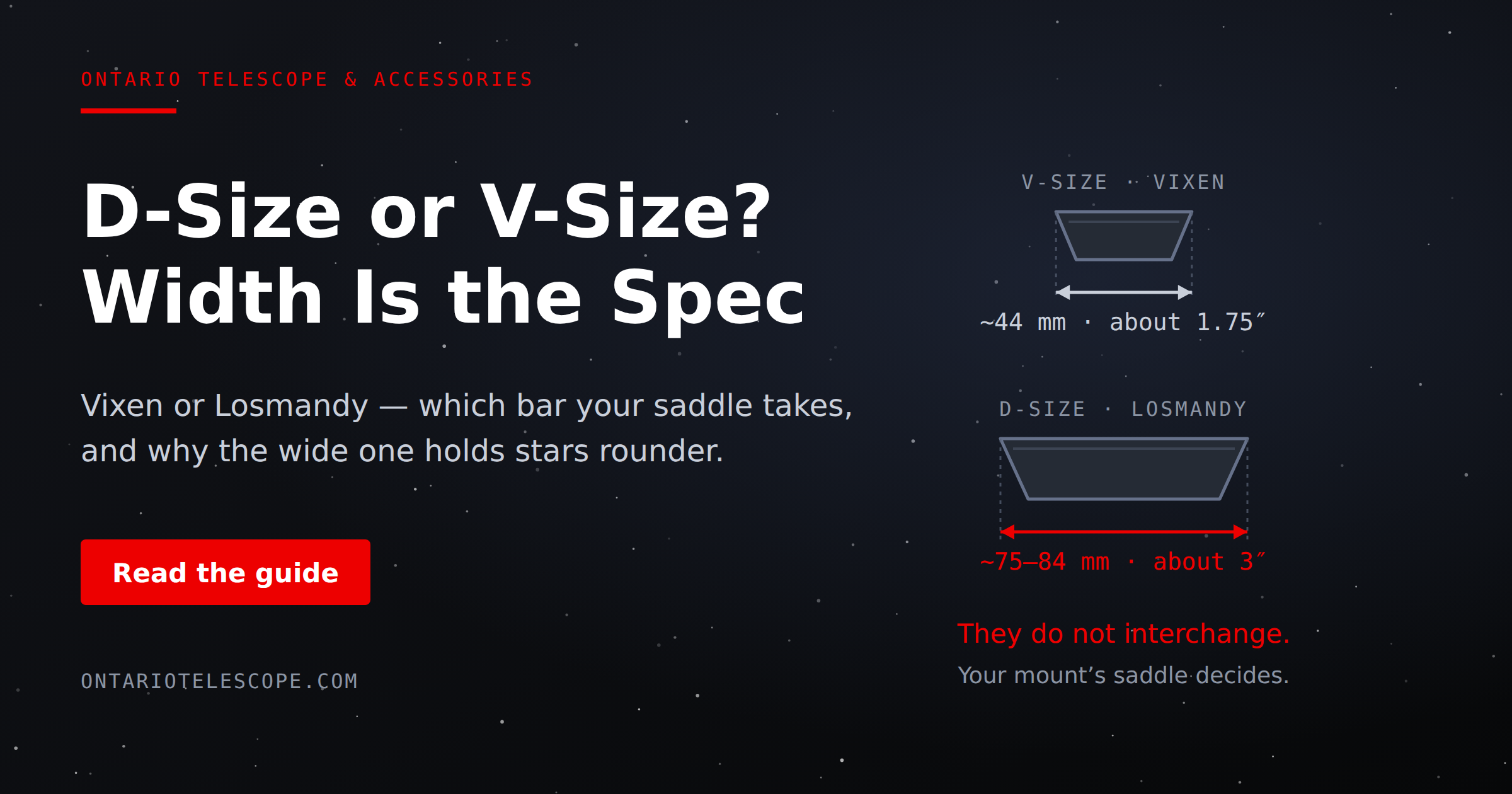
D-Size vs V-Size: A Complete Guide to Telescope Dovetail Systems
Read More
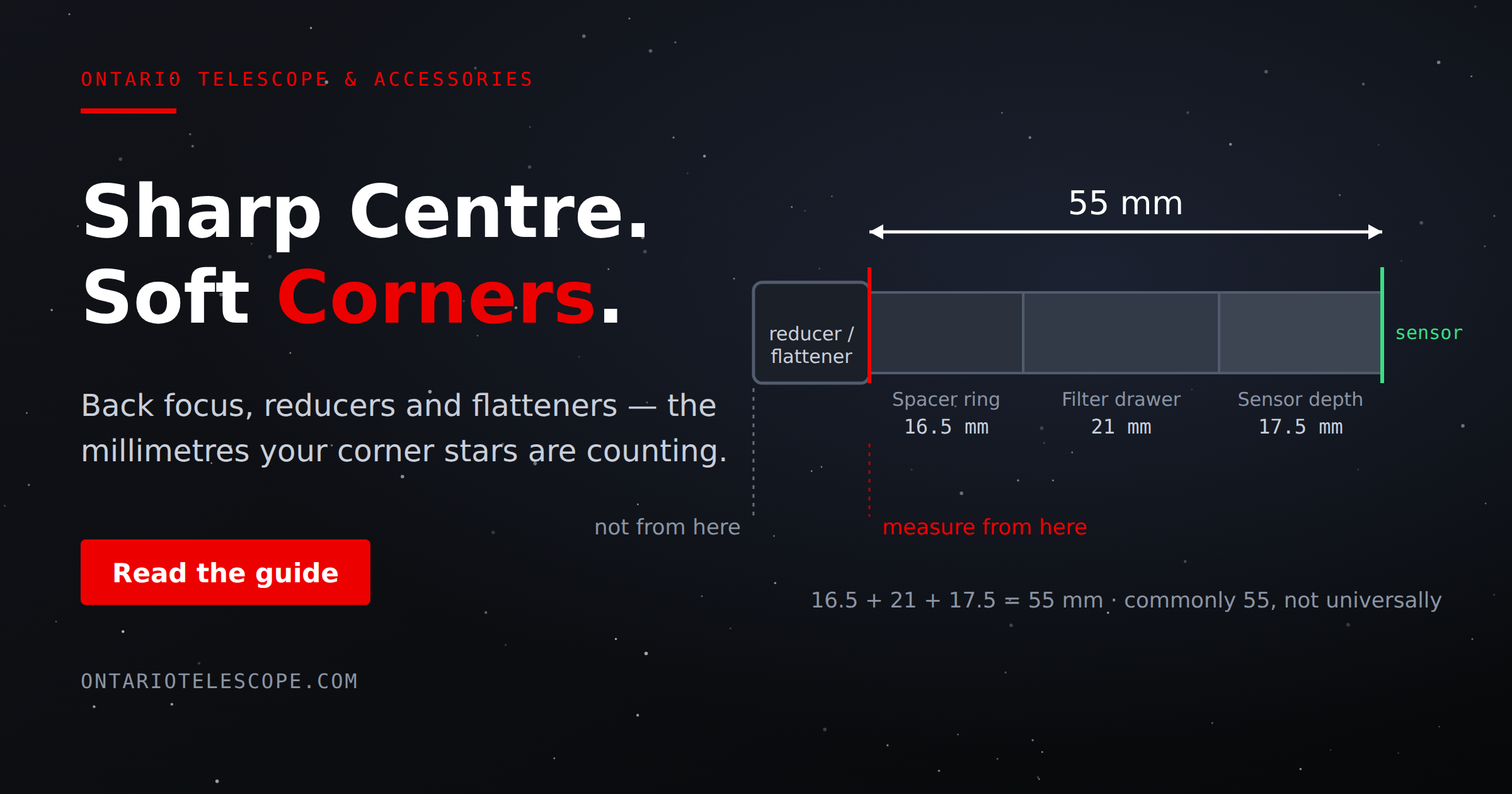
What Is Back Focus in Astrophotography? Telescope Reducers, Flatteners, and Spacing Explained
Read More