
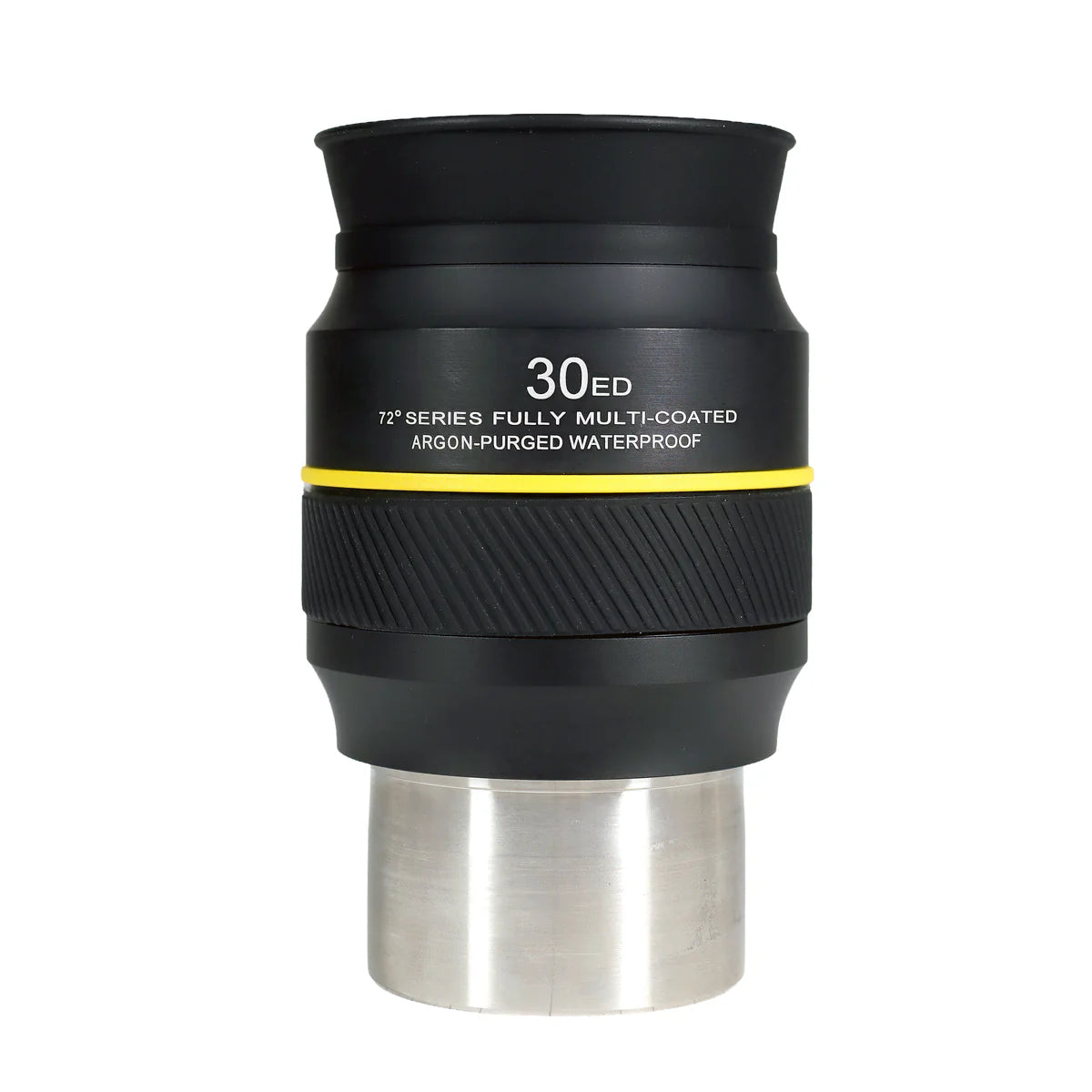

- Description
The Explore Scientific 72 degree ED 30mm eyepiece with a 2 inch barrel is built for ultra wide, low magnification viewing that allows you to fully immerse yourself in the night sky. It is particularly well suited for observing large nebulae, open clusters, and sweeping star fields. The 2 inch barrel design enhances the field of view, allowing for a broader and more expansive perspective. Combined with the 72 degree apparent field of view, this creates a truly immersive viewing experience.
The extra low dispersion glass maintains image quality across the field by reducing chromatic aberration and improving contrast. This ensures that even at lower magnifications, the view remains sharp and well defined. The eyepiece is designed for comfort, with long eye relief that supports extended observation.
This focal length is ideal for those who want to explore the sky at a wider scale and appreciate the full structure of large celestial objects.
You may also like
Recently viewed
Recent Blog Posts
View all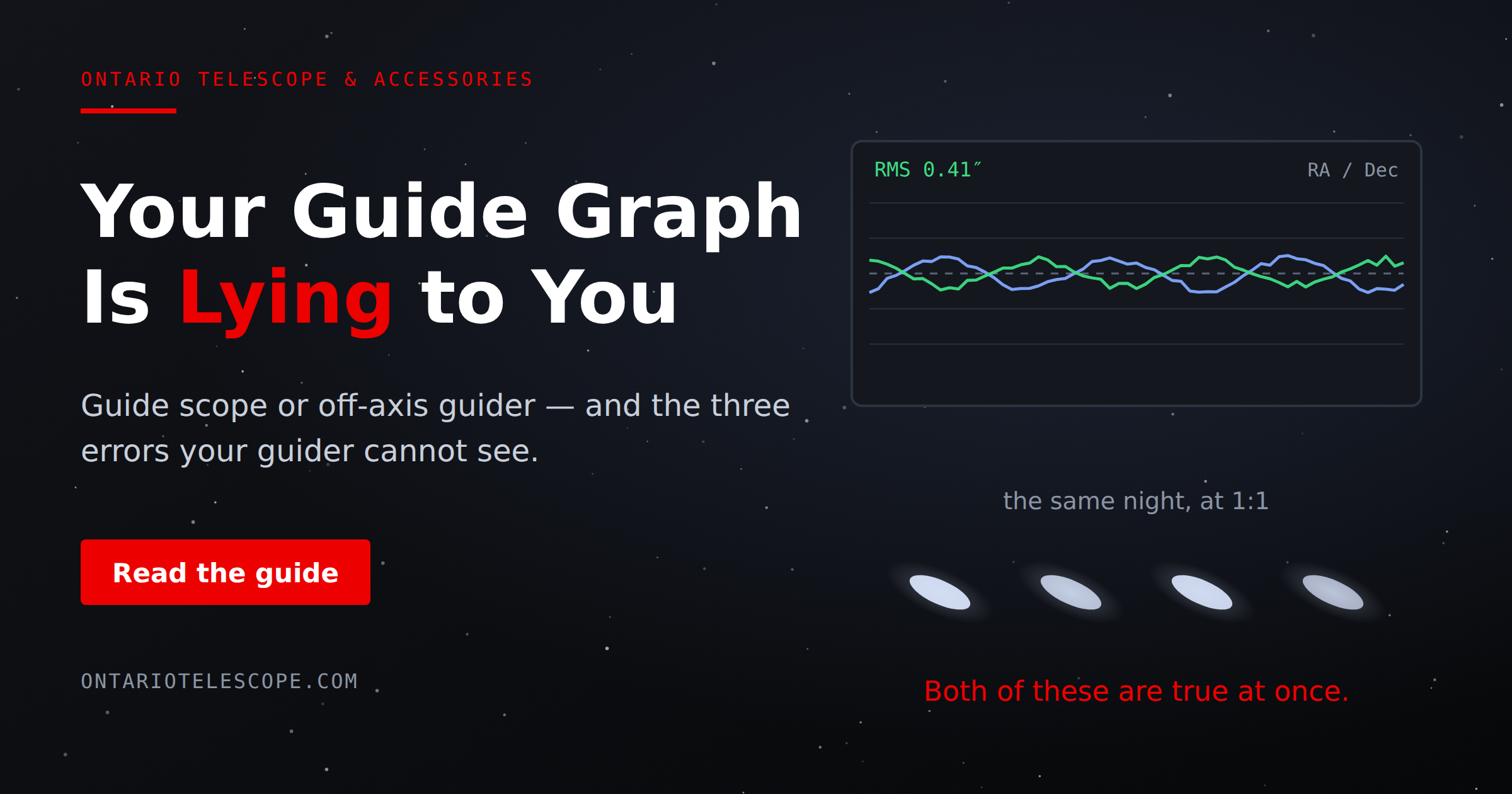
Your Guide Graph Is Lying to You
Read More
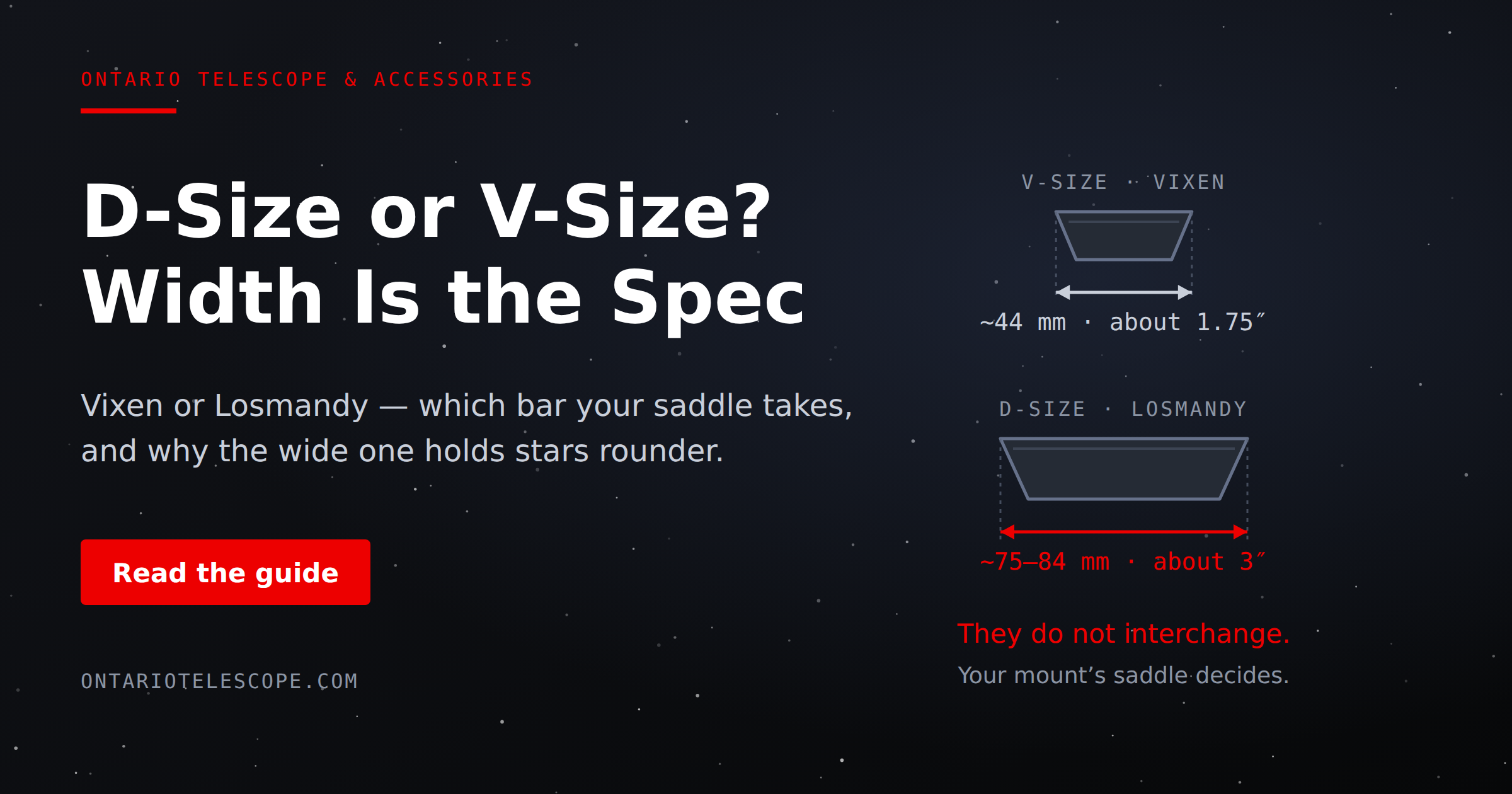
D-Size vs V-Size: A Complete Guide to Telescope Dovetail Systems
Read More
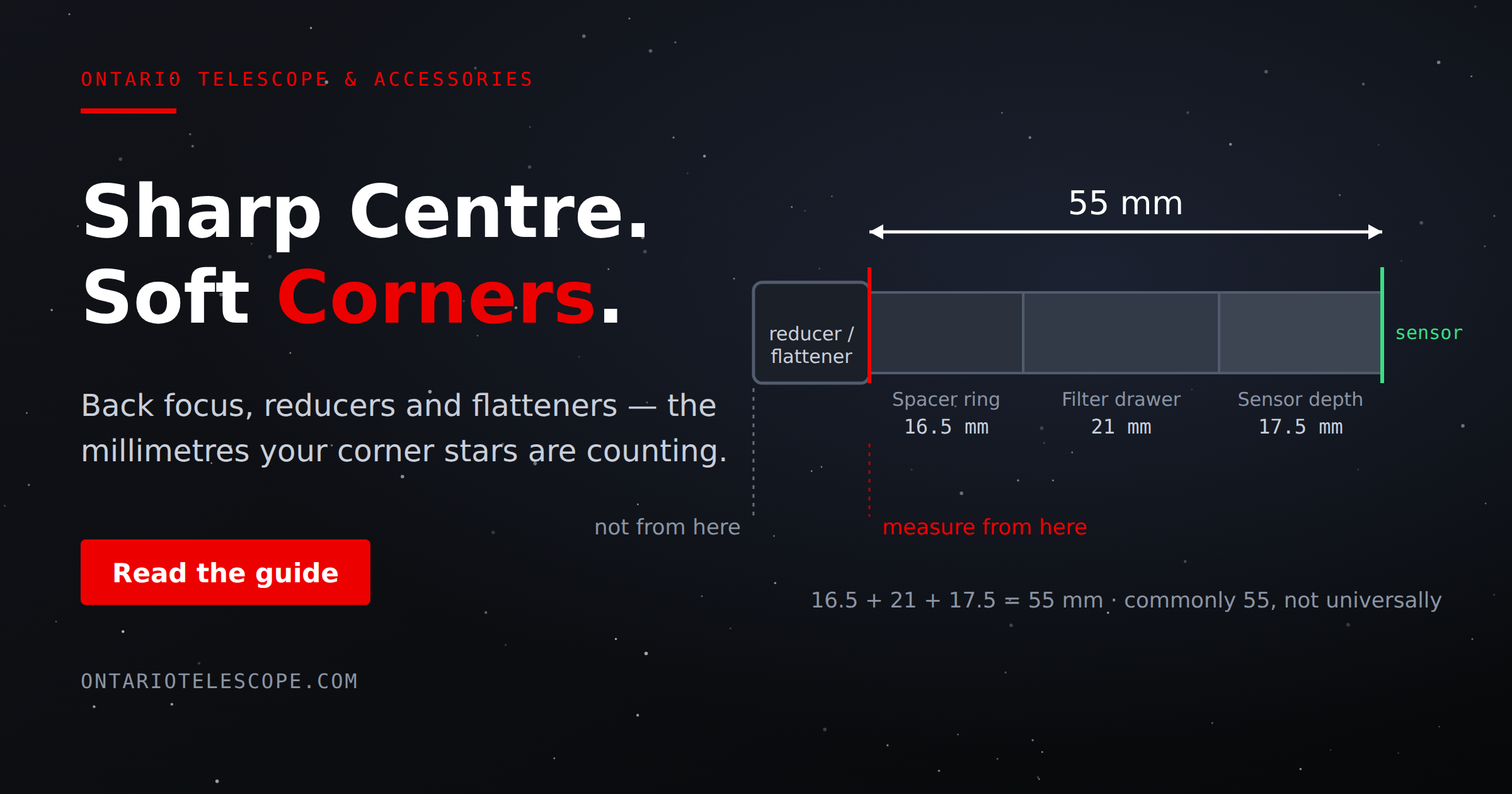
What Is Back Focus in Astrophotography? Telescope Reducers, Flatteners, and Spacing Explained
Read More